Photos: Gisela Magalí Ocampo (CC BY-SA 4.0) — via Wikimedia Commons
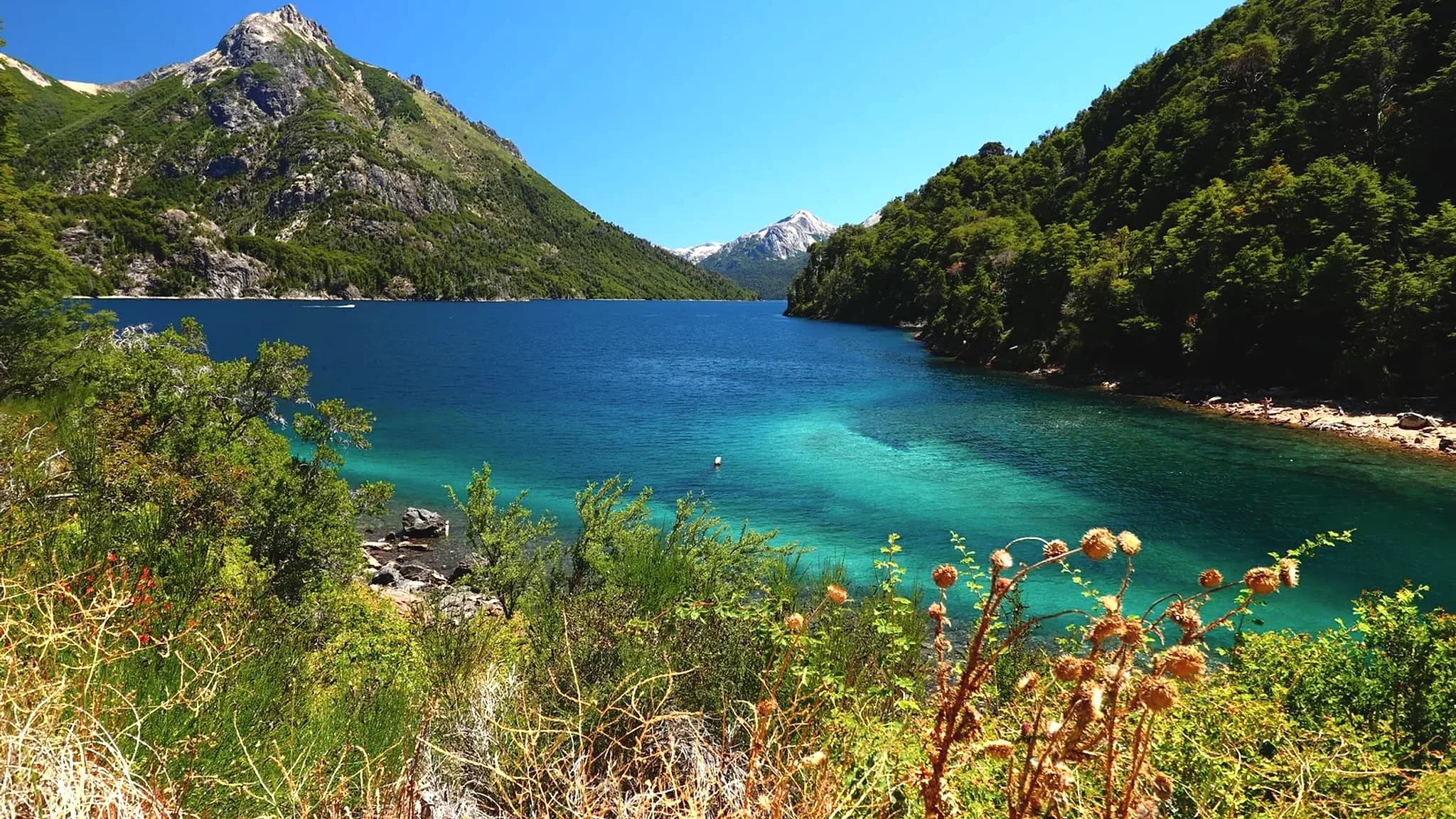
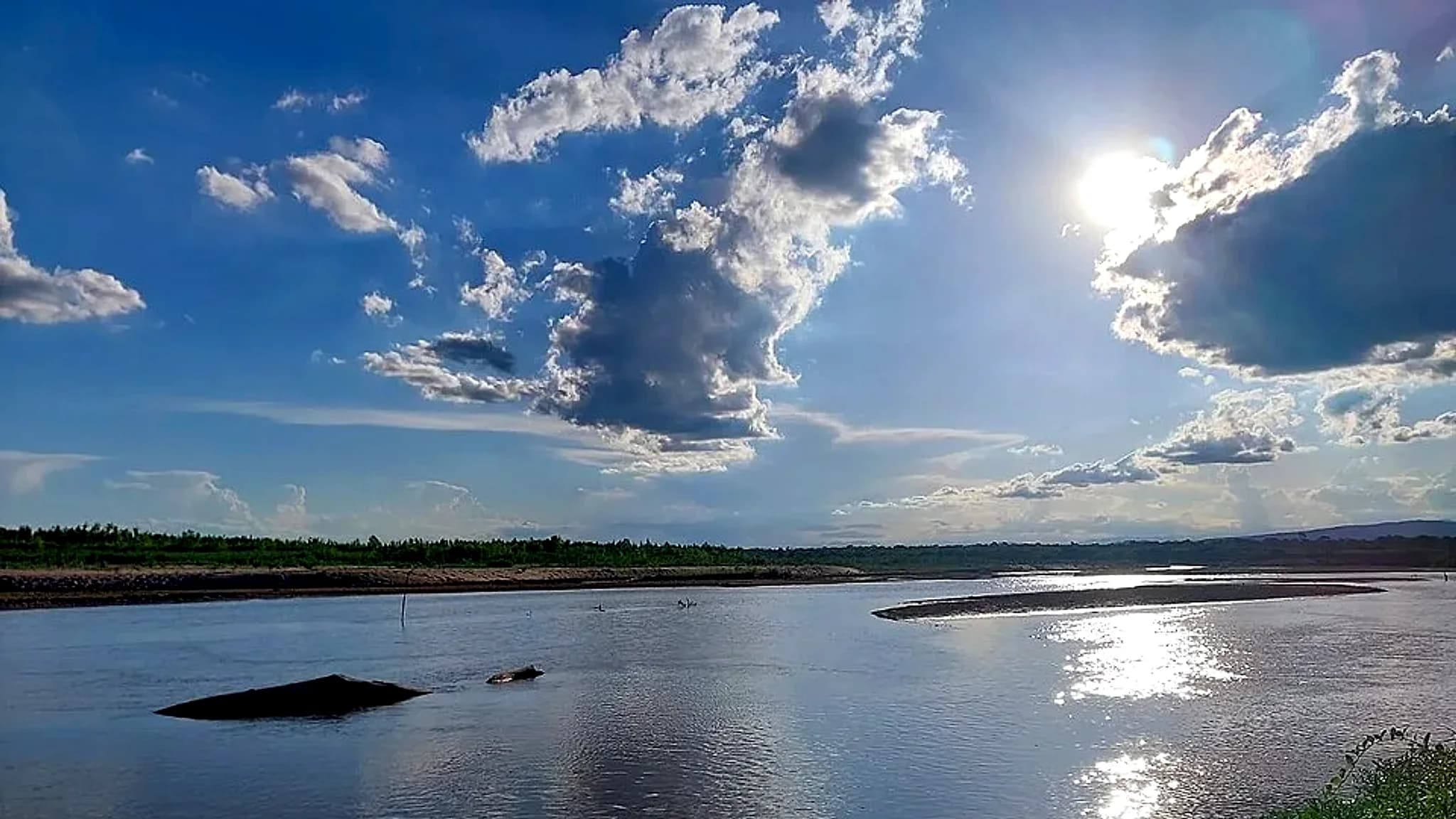
El San Francisco es el gran río de las yungas, formado por la unión de las aguas jujeñas y salteñas, ancho y generoso mientras corre entre selva de montaña y monte cálido. Es un clásico dorado del noroeste, con surubí, pacú y tararira de protagonistas, y un buen elenco de boga, armado, sábalo y menores como dientudo y vieja del agua.
Al dorado se lo trabaja con señuelos y carnada viva en las correderas y las juntas, para vivir sus saltos y su lucha, siempre con devolución. En los pozones hondos aguarda el surubí, de fondo y preferentemente de noche; la tararira ataca en verano entre la vegetación, con señuelos de superficie y acero en el bajo, y la boga da buena acción de fondo mientras el pacú entra con masa y frutos. En términos generales, de la primavera al otoño, con aguas cálidas, se dan los mejores momentos. Gran río del norte, telón de yungas y pesca de embarcación y de costa.
Río sujeto a ciclo anual de veda/habilitación por reproducción; veda aprox. desde fines de octubre hasta la nueva habilitación de marzo. Límite general 10 piezas por persona, solo con caña. Prohibida la pesca del manguruyú/robal (especie en peligro). Prohibidas redes, líneas fija.
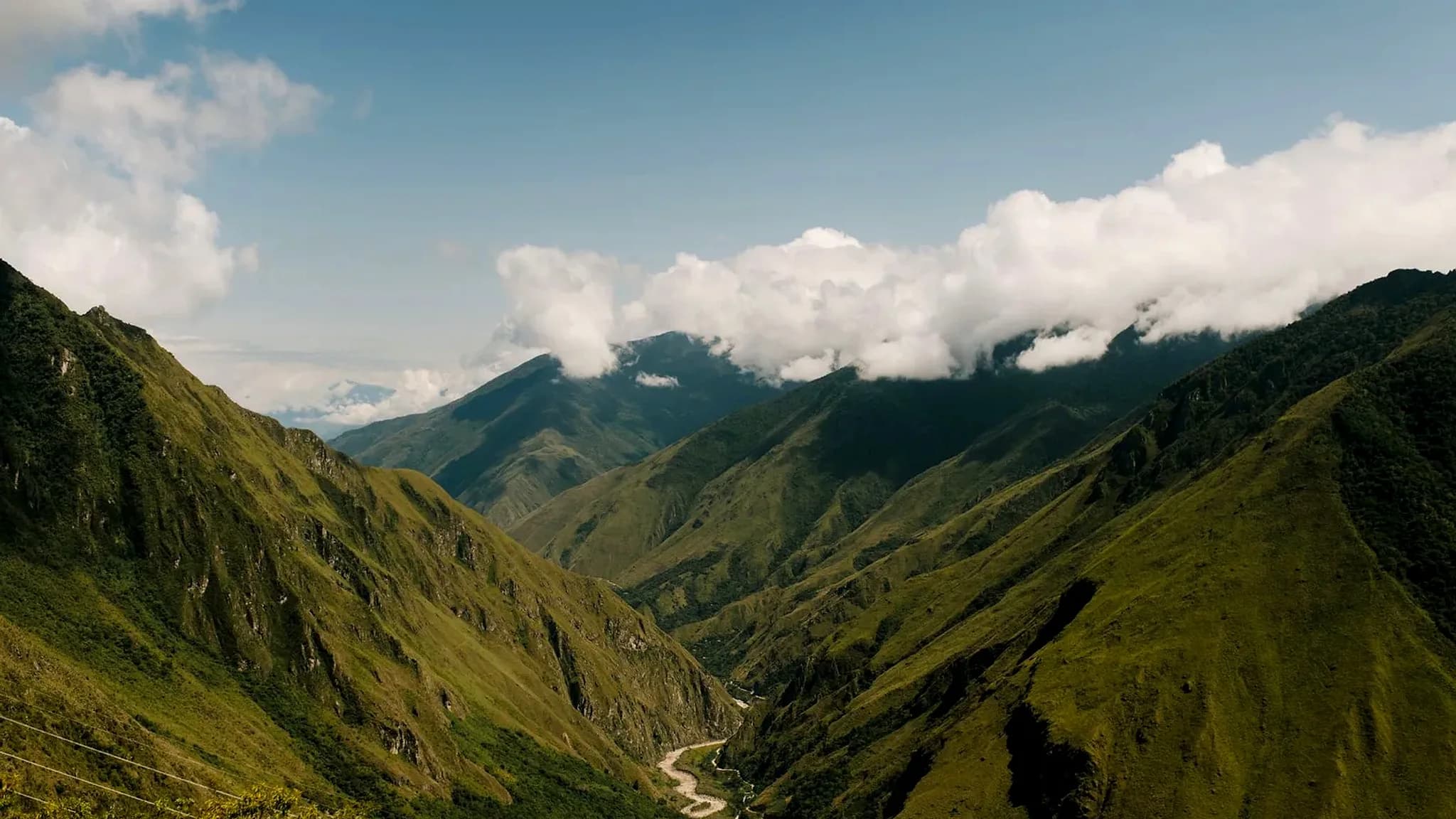
At Río San Francisco (Jujuy) you can catch Trahira (tararira), Boga, Surubí (spotted catfish), Pacu, Golden dorado, assorted river fish.
Original text in Spanish: “Se pesca en el límite entre Jujuy y Salta, con accesos desde localidades ribereñas y caminos de la región; consultá localmente el estado del río antes de salir.”
Original text in Spanish: “Rige el permiso provincial que corresponda, de Jujuy o Salta según el tramo, con medidas mínimas, cupos y vedas. Revisá el reglamento vigente y devolvé el dorado y los grandes bagres.”
Now 20° · wind 12 km/h SE
Biting this month: boga, trahira (tararira), surubí (spotted catfish) and 2 more. 3 guides nearby.
Base data: OpenStreetMap (ODbL)
| Season | JAN | FEB | MAR | APR | MAY | JUN | JUL | AUG | SEP | OCT | NOV | DEC | NOW |
|---|---|---|---|---|---|---|---|---|---|---|---|---|---|
| Boga. In season: SEP–APR. Peak: OCT–DEC | Peak | ||||||||||||
| Trahira (tararira). In season: OCT–APR. Peak: DEC–FEB | In season | ||||||||||||
| Surubí (spotted catfish). In season: SEP–APR. Peak: NOV–FEB | In season | ||||||||||||
| Pacu. In season: OCT–MAR. Peak: DEC–FEB | In season | ||||||||||||
| Golden dorado. In season: SEP–MAY. Peak: NOV–FEB | In season |
Dark: each species' peak months. Medium: its season at this place.
For the tararira a light-to-medium outfit is best, sturdy but comfortable to cast for hours. The setup depends on the method, but these are the specific recommendations:
Rod:
Reel:
Line:
Leader (essential):
Accessories:
Light-to-medium gear, small hooks and plant-based bait (dough, corn) or worm. On the bottom or floating in the rapids; a favorite in shore competitions.
Guides, campsites and places to stay that work these waters.
No one has reported from this spot yet. Fished here? Tell us how it went — you'll help the next angler.
There are already 17 businesses loaded in the area. If yours is not there — or it is and you are not running it yet — the listing is free and puts you in front of whoever is planning a trip to Río San Francisco.
It's free · no card
Original text in Spanish: “Río sujeto a ciclo anual de veda/habilitación por reproducción; veda aprox. desde fines de octubre hasta la nueva habilitación de marzo. Límite general 10 piezas por persona, solo con caña. Prohibida la pesca del manguruyú/robal (especie en peligro). Prohibidas redes, líneas fija.”
Yes, and it is a good moment: in October Boga are at their peak in Río San Francisco.
In Río San Francisco it is worth going when its main species bite: Trahira (tararira) (OCT–APR); Boga (SEP–APR); Surubí (spotted catfish) (SEP–APR); Pacu (OCT–MAR).
Yes: Ecoportal de Piedra works in Río San Francisco. Services and contact details are on their page.
Near Río San Francisco PESQA lists 16 places to stay: Camping San Francisco, Hosteria Ledesma, Hosteria Real Victoria.
Río San Francisco is in the province of Jujuy.
The surubí is a large, powerful fish caught in fast-flowing rivers with structure, so the tackle has to be up to it. Concrete recommendations:
For bottom fishing / drifting with bait:
For spinning / trolling with lures:
In every case, the rule is oversize rather than come up short: a surubí of over 20 kg in full current, trying to bury itself in the logs, forgives neither weak tackle nor loose knots. Always check the condition of your line, your knots, and the sharpness of your hooks before each outing.
For the Pacu you need robust gear: it is a fish of great strength that fights near structure, so it's better to be over-equipped than under-equipped. Recommended gear by method:
Bottom / mixed fishing (the most common)
Fly fishing
Spinning
General rule: the Pacu does not forgive flimsy gear. Reliable drags, anti-abrasion leaders, and sharp hooks are the difference between telling the story with a photo or telling the one about the one that got away.
The gear must measure up to a strong fish that runs, jumps, and lives in current with structure. Specific recommendation:
Spinning (standard setup)
For trophy specimens or big rivers: step up to a medium-heavy/heavy rod, a 4000-5000 reel, and 30-40 lb braid, with a steel leader.
Fly fishing
Key accessories: strong, well-sharpened hooks (ideally barbless if you're going to release), long pliers to unhook without hurting yourself on the teeth, and if you practice catch and release, a knotless/rubber net and gloves to handle the fish carefully.