Surubí (spotted catfish)
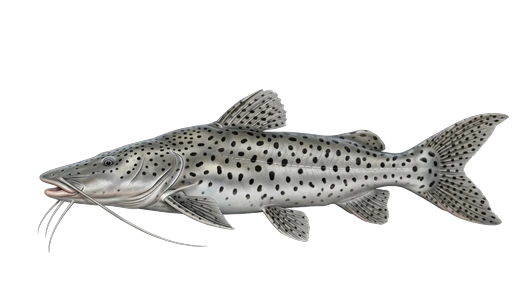
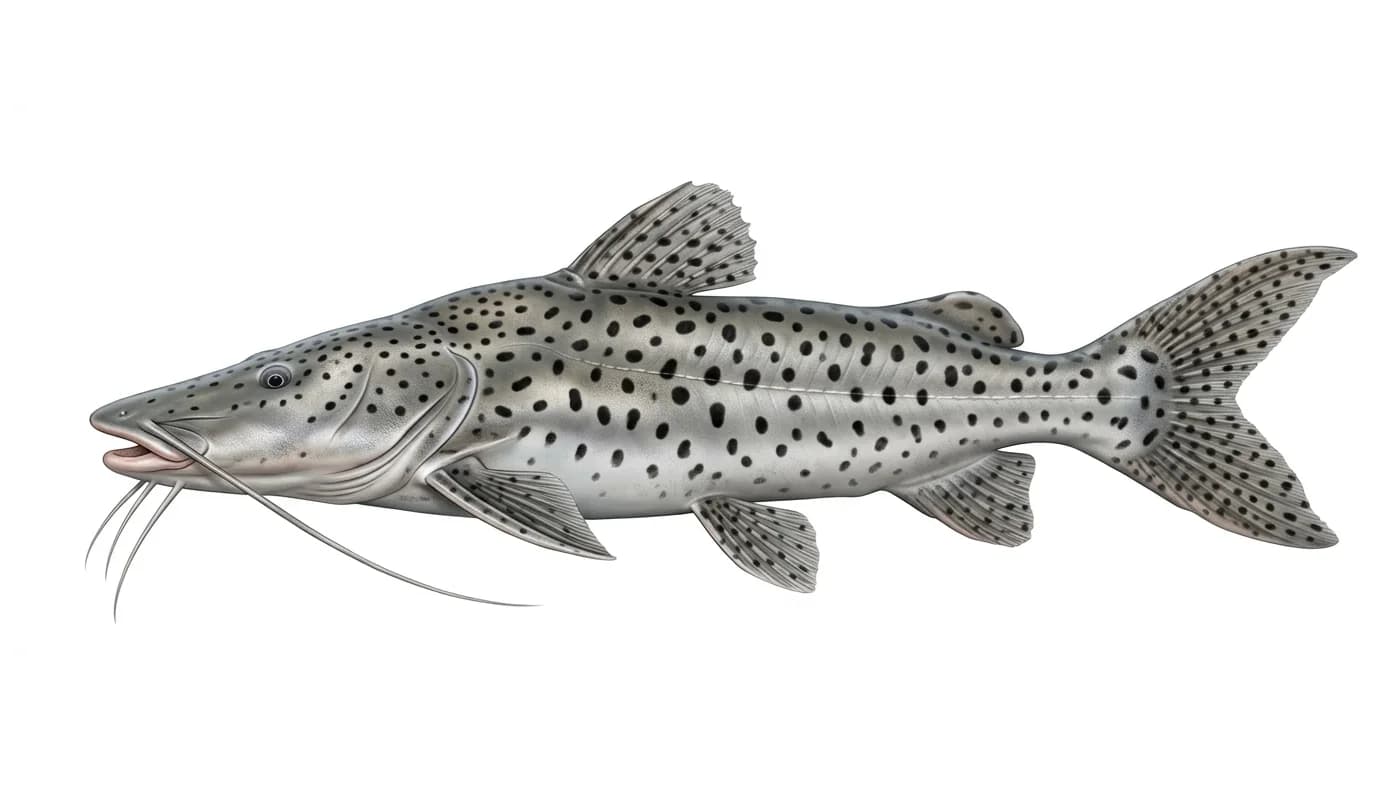
The Surubí is a freshwater fish of the catfish family, recognizable by its elongated, scaleless body, its flattened head with long sensory barbels.
In seasonWhere to fish


Season
- Off
- In season
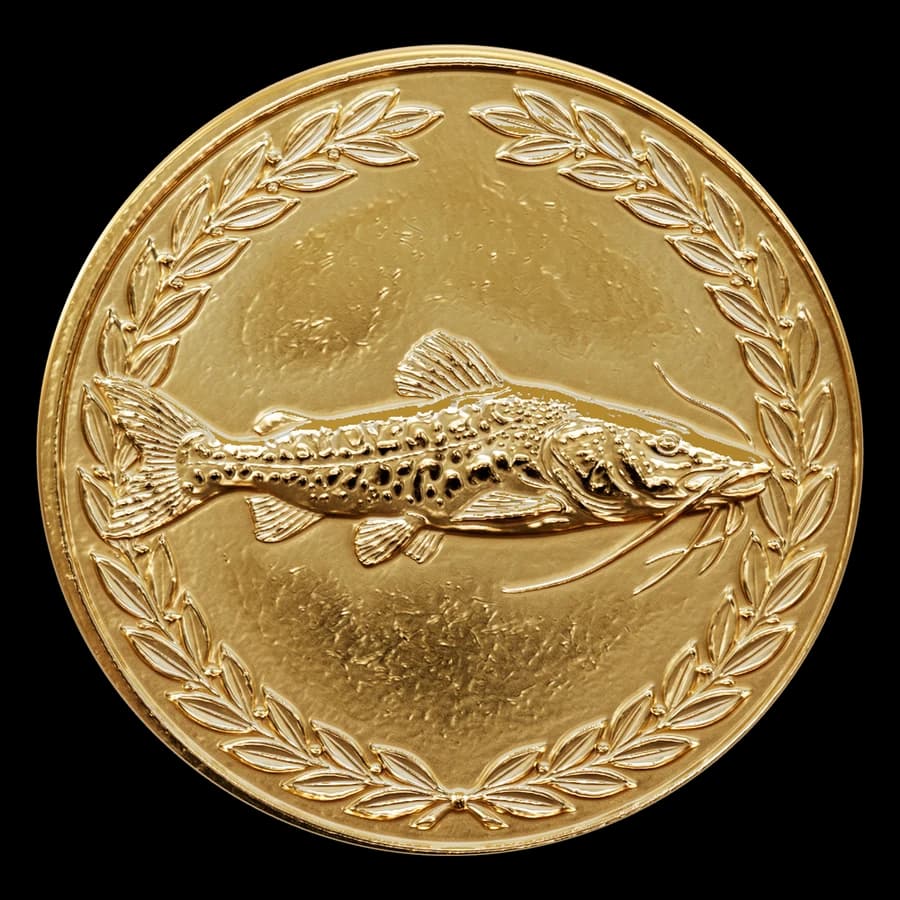
Tap it to see it in 3DClick it to see it in 3D
The giant of the deep
Every surubí (spotted catfish) you post with a photo counts toward your Pesquedex. Bronze comes with the first catch; silver and gold ask for a variety of spots and provinces.
Recent Surubí (spotted catfish) catches
Nobody has posted a surubí (spotted catfish) report yet. Post yours with a photo: you get the catch card and the bronze medal.
Be the first →Habitat
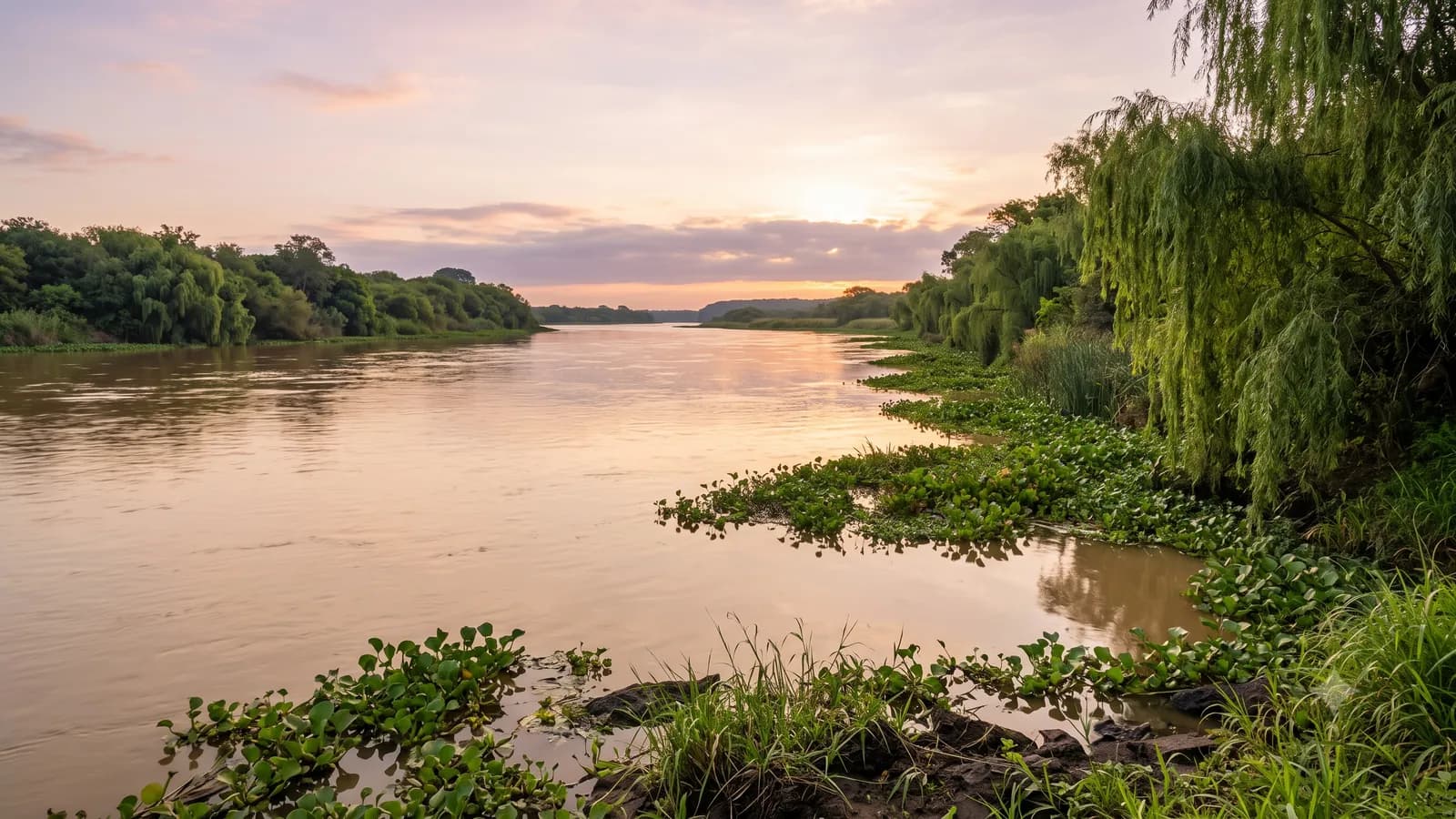
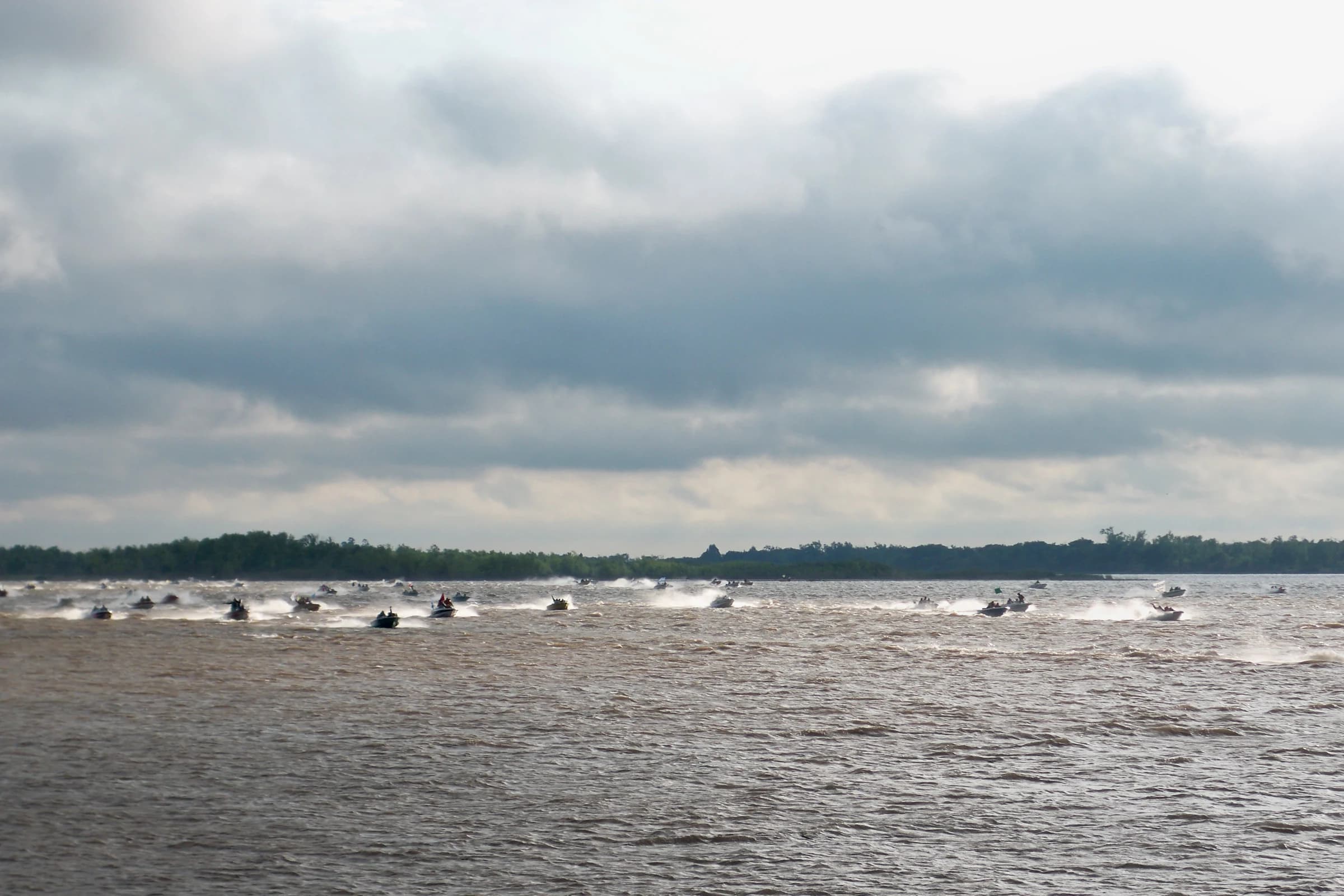
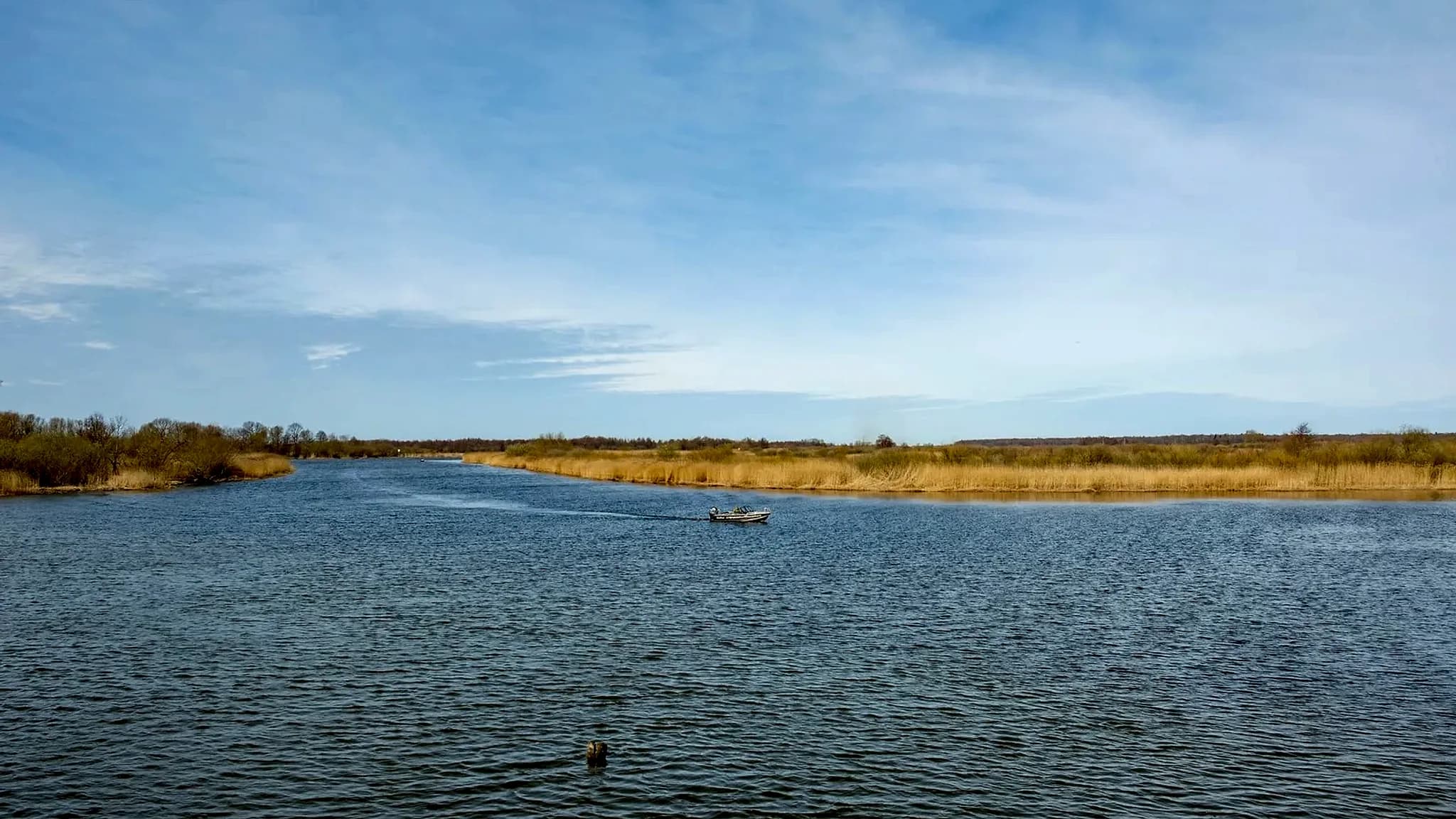
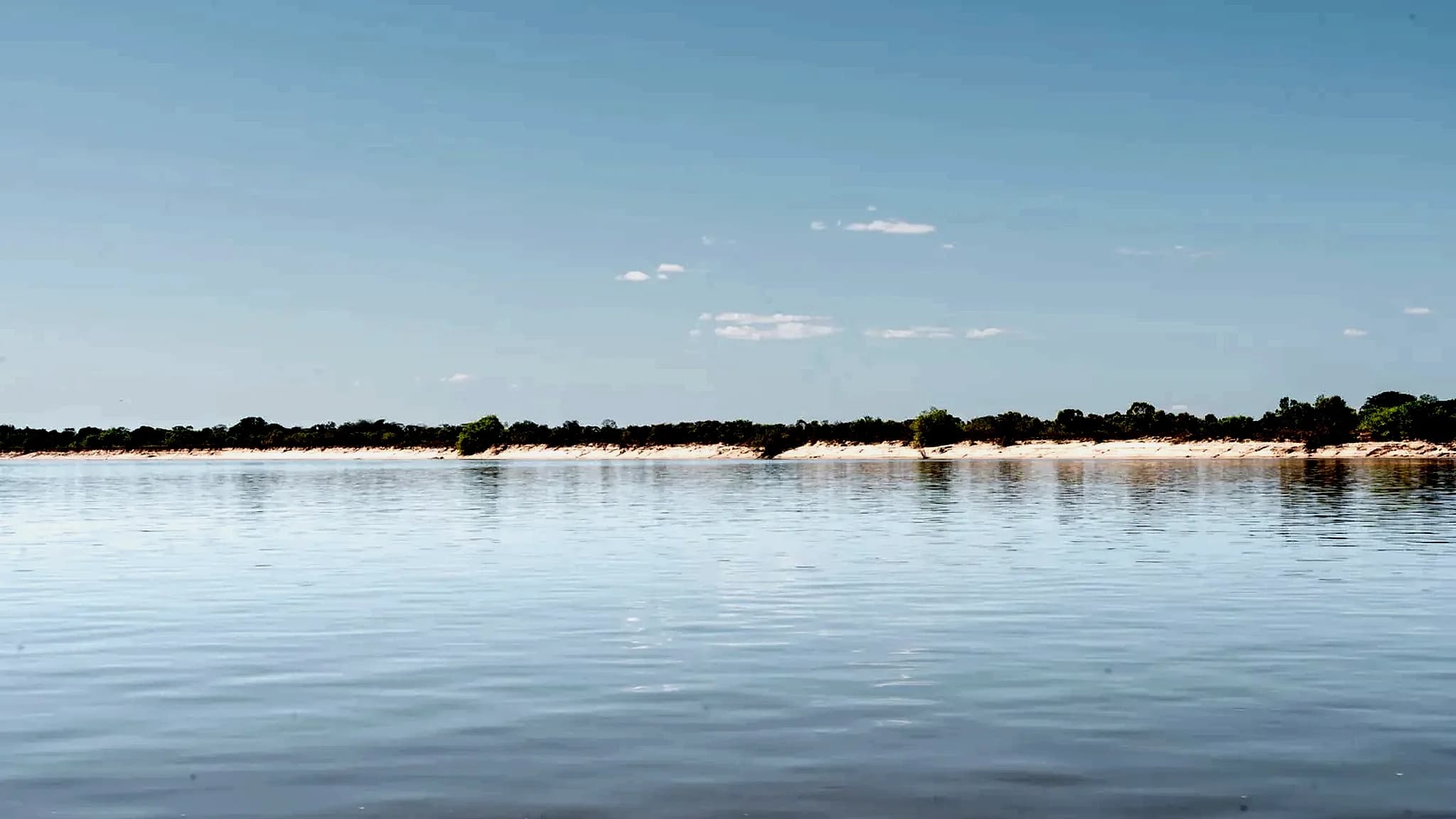
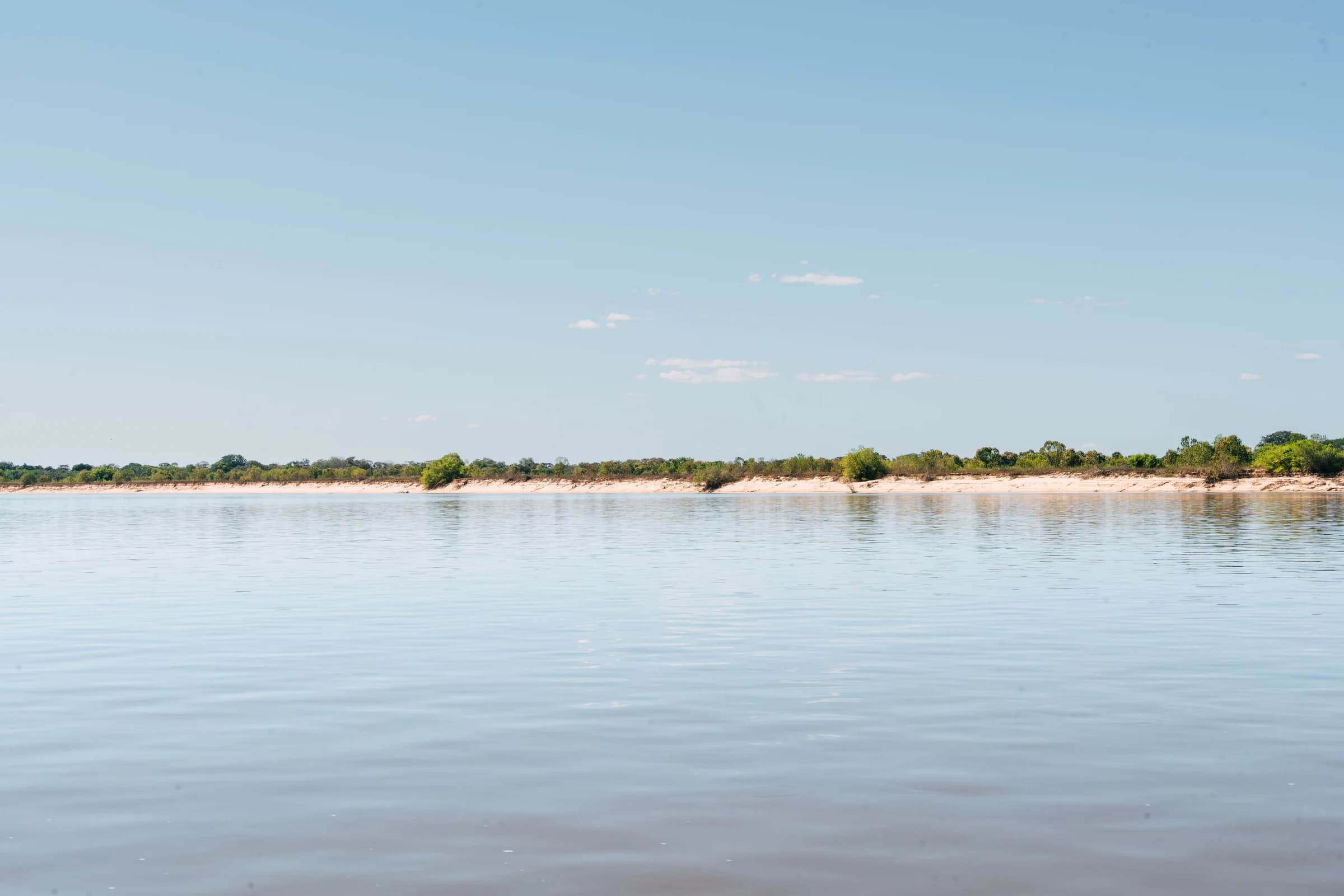
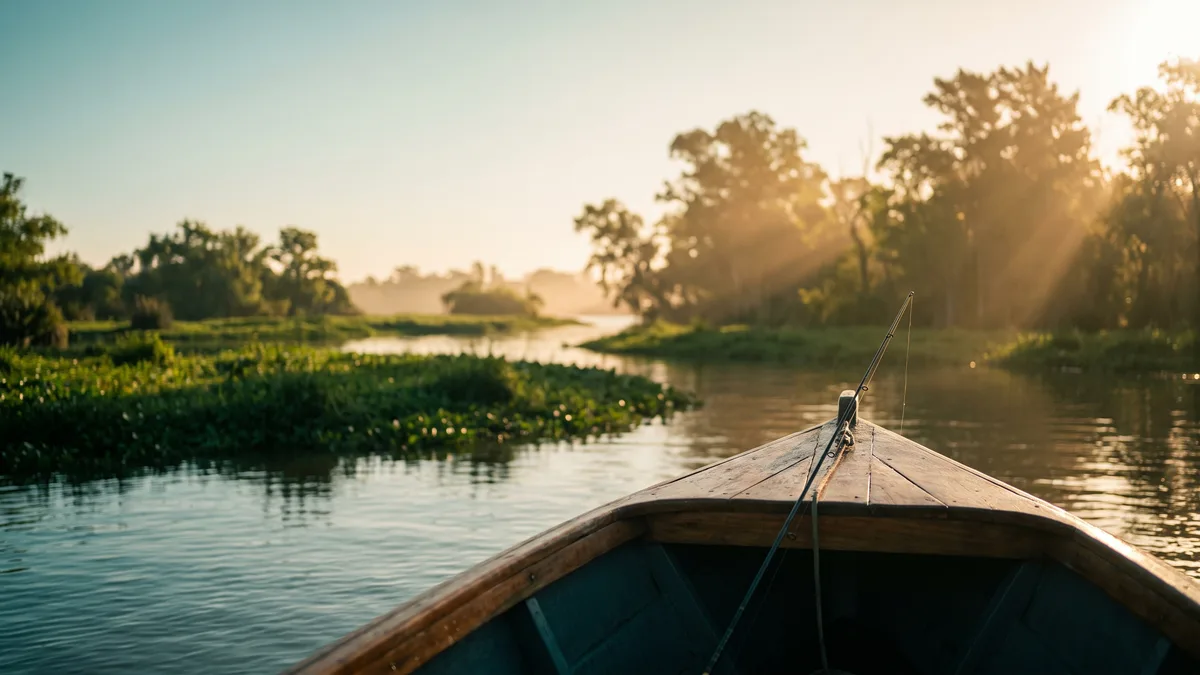
The surubí is a fish of the great lowland rivers. It lives in the main, high-flow channels of the Paraná-Paraguay-Uruguay system, preferring deep, fast-flowing waters with a bottom of sand, gravel, or mud. It's in these open-river environments —not in calm lagoons or marshes— that it finds its natural habitat, moving between the deep holes and the currents that bring it food.
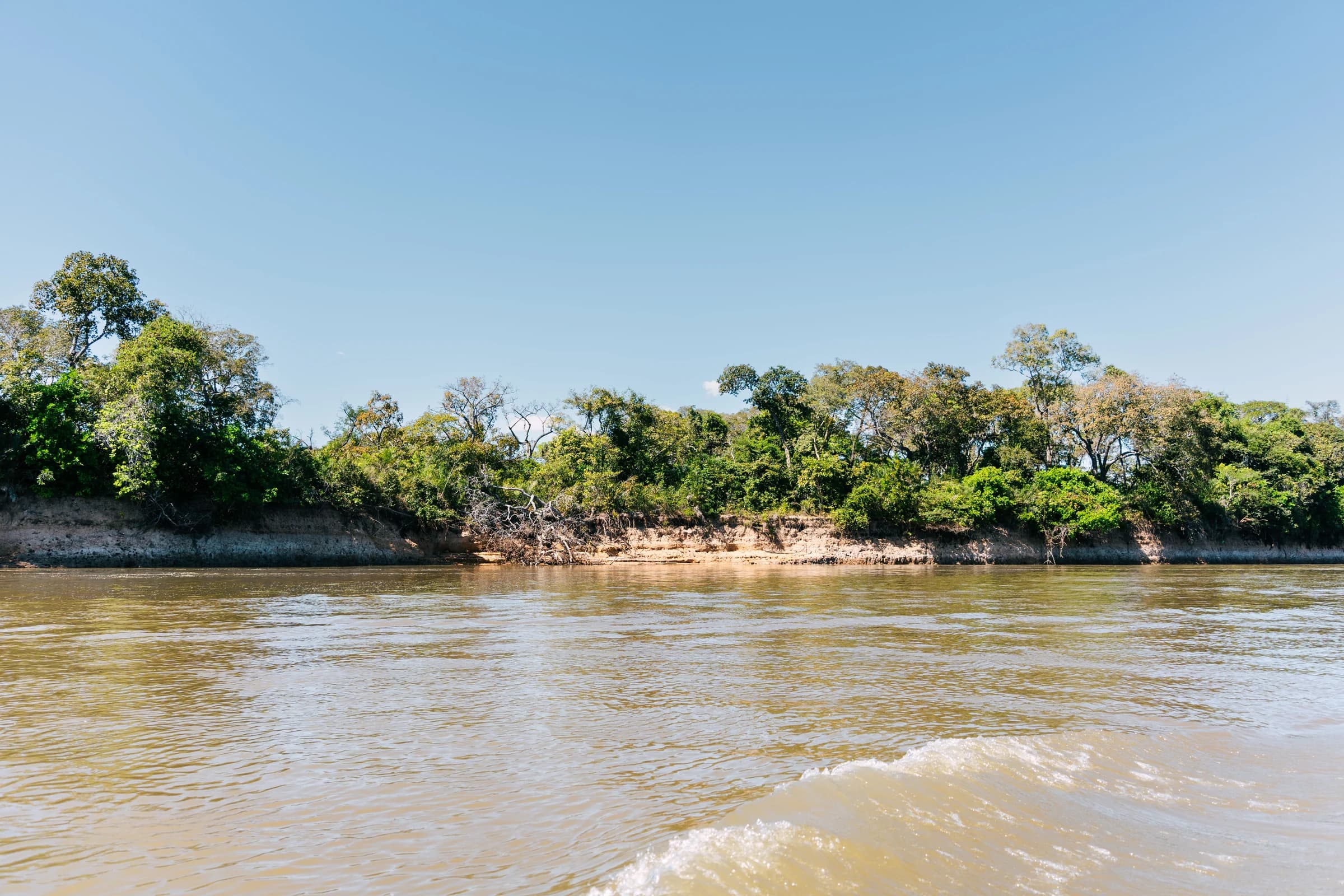
To target it, the key is reading the river's structure. The surubí settles into the deep holes (those deep "pits" in the riverbed), at the confluences where two currents meet, at the foot of the cutbanks, near sunken logs, strong currents, and shallow ridges that cut across the flow. It usually holds on or near the bottom, waiting for the current to bring prey to it. The eddies alongside a fast run, the heads and tails of the deep holes, and the areas where the water "works" are historic spots.
As for timing, the best season runs from spring to autumn (roughly September to April), when the warmer waters activate its feeding and its reproductive migratory movements. River conditions have a huge influence: rising water and colored water tend to improve daytime fishing, while in lower, clearer water the bite concentrates at dusk and at night. Winter, with cold water, makes it much more sluggish and hard to tempt.
Baits and lures
The surubí is a piscivorous predator, so live or natural fish baits reign supreme. The most effective:
- Live morena (lamprey): probably the star bait for surubí. Tough on the hook, it moves a lot and holds up in the current; big surubíes seek it out.
- Eel: another classic, very durable bait, ideal for long bottom-fishing sessions.
- Small tararira or tararira / sábalo fillet: chunks of bait with blood and strong smell that work well in muddy water.
- Live sabalito or large mojarra: forage fish that are a natural part of its diet; very convincing when the bite is selective.
- Cascarudo or small catfish: hardy live baits that hold up on the bottom.
The logic is simple: the surubí hunts by smell and vibration, so a bait that bleeds, smells, and moves is the one that tempts it most, especially in the murky water typical of the Paraná.
For those who pursue it with lures, the surubí also responds very well to active fishing:
- at dawn and dusk, when it rises to hunt.
Recommended gear
The surubí is a large, powerful fish caught in fast-flowing rivers with structure, so the tackle has to be up to it. Concrete recommendations:
For bottom fishing / drifting with bait:
- Rod: powerful, with medium to medium-fast action and good power (roughly 30-50 lb line class), 1.80 to 2.10 m, with backbone to lift weight off the bottom.
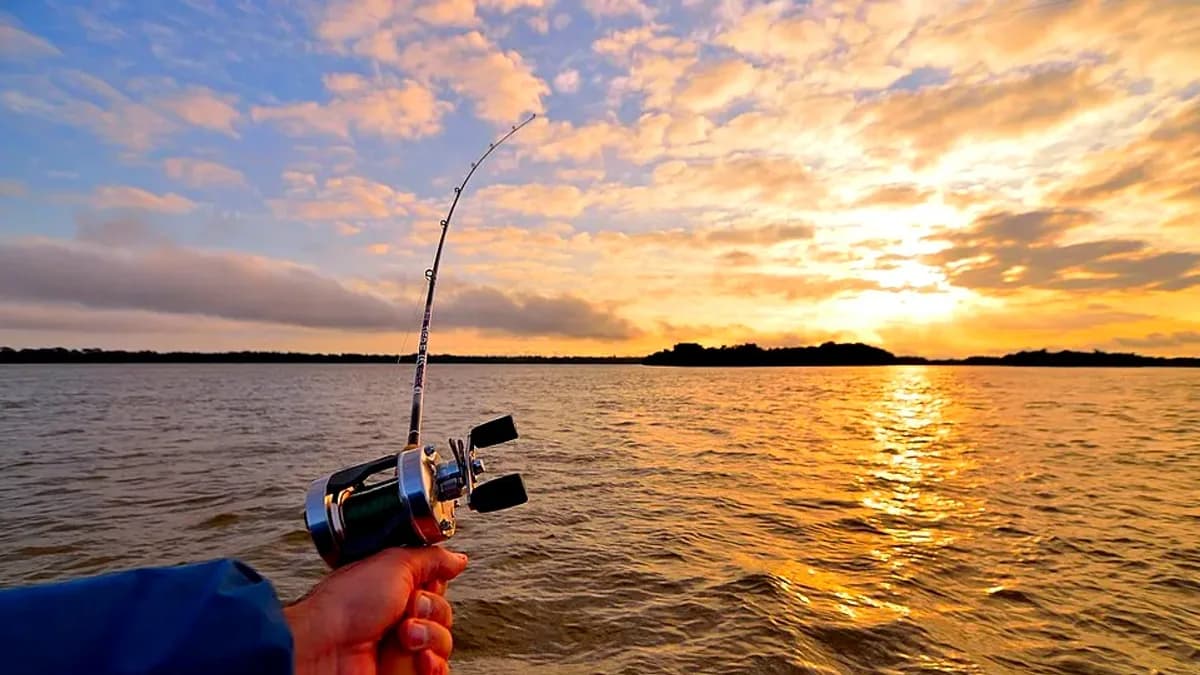
- Reel: a solid baitcaster or a large spinning reel (size 6000-8000), with a strong, progressive drag to withstand runs.
- Line: braid of 0.40 mm and up (approx. 50-80 lb) for its strength and sensitivity; or 0.50-0.60 mm monofilament if you prefer some stretch for cushioning.
- Leader: a section of thick monofilament or fluorocarbon (0.80-1.00 mm) or even flexible wire, to resist abrasion against the hard mouth, the structure, and the bottom.
- Sinker: matched to the current (pear, olive, or bottom sinker with a flag arm), of the weight needed to hold the bait.
- Hooks: strong and good-sized, reinforced O'Shaughnessy or circle types, matched to the size of the bait and the fish.
For spinning / trolling with lures:
- Rod: powerful spinning or baitcasting rod (20-50 lb line class), with a tip action to throw large lures and backbone to fight.
- Reel: spinning 5000-8000 or a robust baitcaster, with a good drag.
- Line: braid 40-65 lb, with a thick fluorocarbon leader (0.70-0.90 mm) or wire to avoid cut-offs.
In every case, the rule is oversize rather than come up short: a surubí of over 20 kg in full current, trying to bury itself in the logs, forgives neither weak tackle nor loose knots. Always check the condition of your line, your knots, and the sharpness of your hooks before each outing.
Fishing techniques
The surubí is fished with several methods depending on the environment and the angler's style. These are the main ones:
Bottom fishing (the classic): The live or natural bait is anchored in a deep hole or run using a sinker matched to the current. It's the traditional method, very effective at night and dusk. Step by step: locate a deep hole or confluence with structure, calculate a sinker that holds the bait near the bottom without dragging too much, bait up with live morena or eel, and wait with the line semi-taut to "feel" the bite. The surubí tends to "mouth" the bait before swallowing it: it's best to give it time before setting the hook firmly.
Drifting: From the boat, the bait or jig is let run with the river, combing the bottom of the deep holes as the boat moves with the current. Excellent for covering a lot of ground and finding where the fish is holding. You work the jig or the dressed sinker touching the bottom, giving small twitches.
Spinning (fishing with lures): A sporting and highly addictive method. You cast and retrieve large lures (minnows, big spoons, soft plastics, poppers) working the structure and the runs, especially during low-light hours. Ideal for those who enjoy active fishing and the visual surface strike.
Trolling: You cruise dragging deep-diving lures (crankbaits, diving minnows, weighted soft plastics) along cutbanks, channels, and deep holes. Very useful for locating active fish over long river stretches.
Fly fishing: More of a niche method but practiced; with heavy tackle and large, bulky streamers, targeting structure and not-so-deep water, especially at dawn and dusk.
Guide tips:
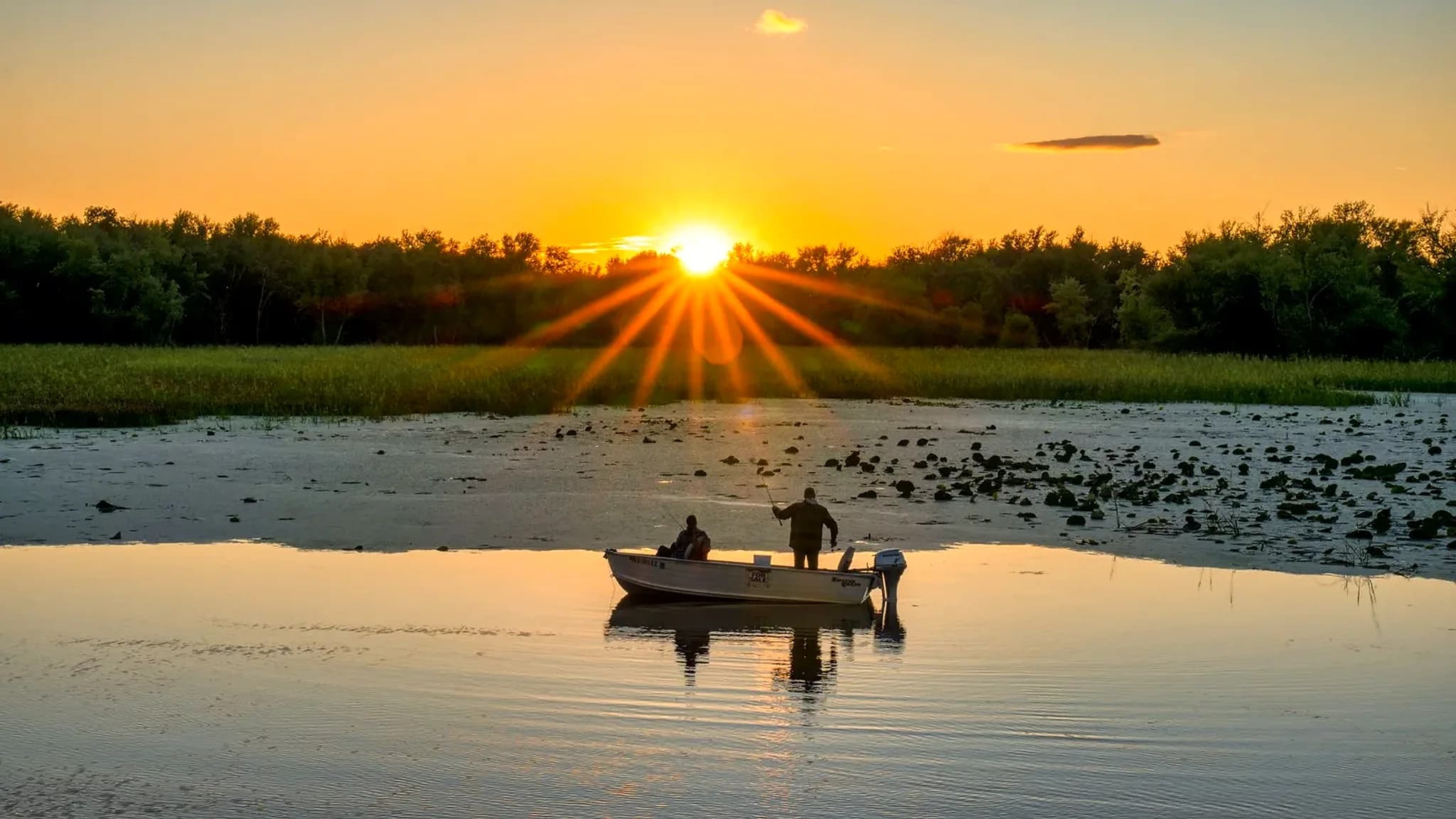
- The best hours are dusk, the early part of the night, and dawn. In muddy or rising water, it also bites by day.
- Read the river: always aim for deep holes, current confluences, the foot of cutbanks, and submerged structure. The surubí is a fish of "spots"; it isn't spread out just anywhere.
- Give the bite time: don't set the hook on the first touch; the surubí tends to test the bait. Wait for it to load up and set firmly to sink the hook into that hard mouth.
Closed season & regulations
Closed seasons, minimum size and bag limits for surubí (spotted catfish) are set by each province and change every year. The current rule is on each spot's page: confirm it before heading out.
Read the full note
Surubí fishing is regulated because it's a species that needs protection to sustain itself over time. The main tool is the closed season (veda): periods of the year —generally tied to the reproductive season, in the warm months, when the fish migrates upstream to spawn— in which fishing is restricted or prohibited. The closed season exists precisely so that breeders can complete their cycle and secure future generations; respecting it is what allows big surubíes to keep being there to catch.
On top of the closed season, in surubí fishing the culture of catch & release is very strong (and highly recommended), especially with the large specimens, which are the most valuable breeders. Releasing a giant surubí in good condition —handling it carefully, keeping it wet, out of the water for as little time as possible, and reviving it before letting it go— is a practice that protects the resource and is now adopted by most responsible guides and anglers of the northeast.
Now the most important and honest point: the closed season, the minimum legal size, and the catch limit VARY BY PROVINCE AND BY YEAR. Corrientes, Chaco, Santa Fe, Entre Ríos, Formosa, Misiones, and the other jurisdictions each have their own regulations, which are also updated season to season. That's why, before heading out to fish, ALWAYS check the official, current information from the relevant provincial authority (the Wildlife Directorate, Natural Resources agency, or fishing body of the province where you're going to fish). Don't rely on dates or measurements heard secondhand or from previous years: verify the current regulations and obtain the appropriate fishing permits. Fishing within the law is what ensures the surubí keeps being the iconic fish of our rivers.
Shops & clubs in the area
Ready to chase surubí (spotted catfish)? Find guides who target this species and message them.
Plan your trip hereDo you guide surubí (spotted catfish) trips? Join for free and show up here →
Read before you go

Frequently asked questions about surubí (spotted catfish)
Can you fish for Surubí (spotted catfish) right now, in October?
Yes: October falls within the surubí (spotted catfish) season. Its best time of year is nov–feb. Before heading out, check the fishing rule for the spot: closed seasons are set by each province.
What's the best time to fish Surubí (spotted catfish)?
The best time for surubí (spotted catfish) is nov–feb. Check each place's page for the bite calendar and to respect current closed seasons.
Where can you fish Surubí (spotted catfish) in Argentina?
Some of the best places to fish surubí (spotted catfish) are Paraná Medio, Río Paraná (Rosario), Paso de la Patria, Alto Paraná (Misiones). On PESQA you get the map, access info, seasons and verified guides for each one.