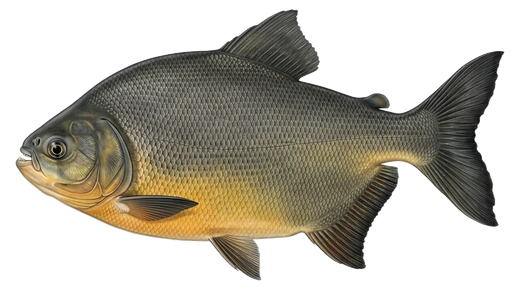
Pacu
The Pacu is a freshwater fish of the characin family, native to the Plata basin and considered one of the strongest.
In seasonWhere to fish

Season
- Off
- In season
Tap it to see it in 3DClick it to see it in 3D
The river heavyweight
Every pacu you post with a photo counts toward your Pesquedex. Bronze comes with the first catch; silver and gold ask for a variety of spots and provinces.
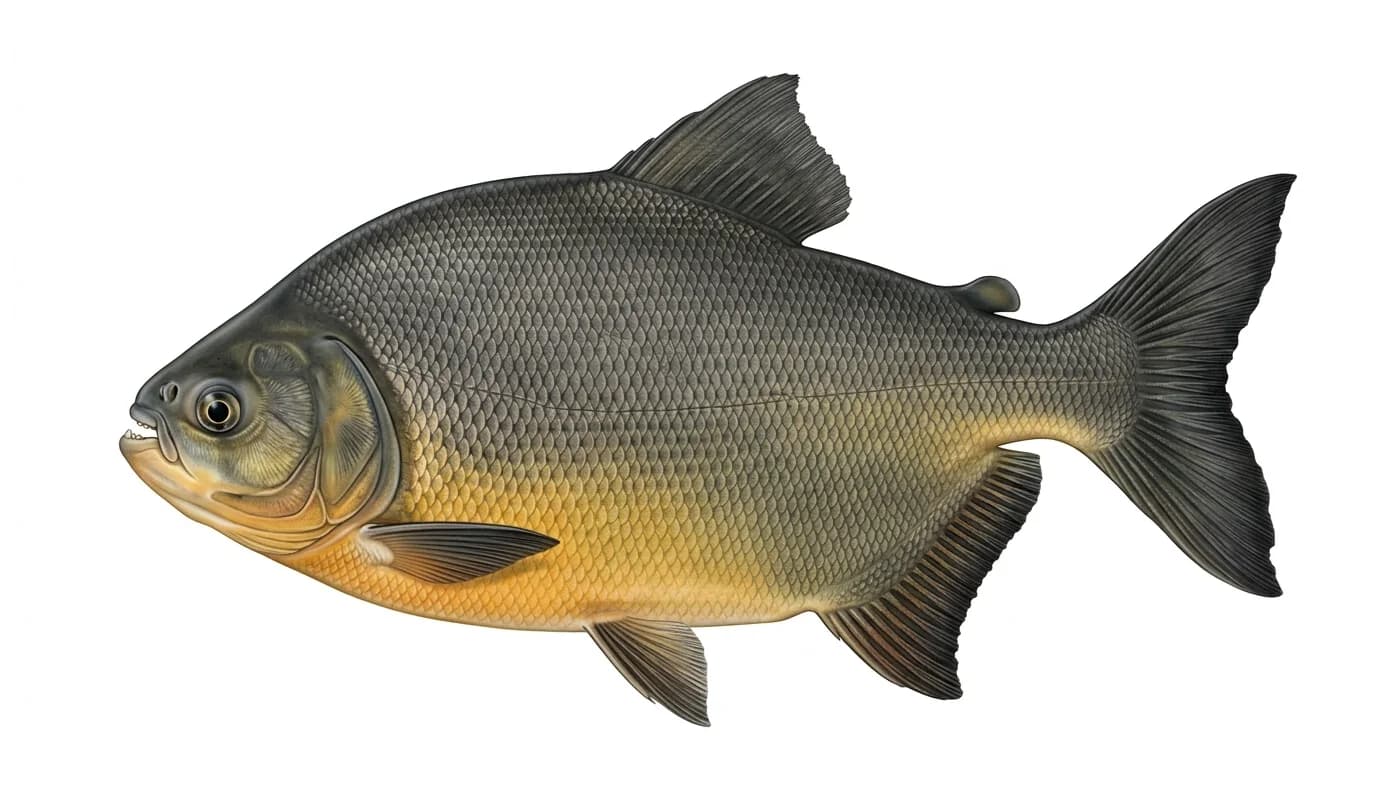
Recent Pacu catches
Nobody has posted a pacu report yet. Post yours with a photo: you get the catch card and the bronze medal.
Be the first →Habitat
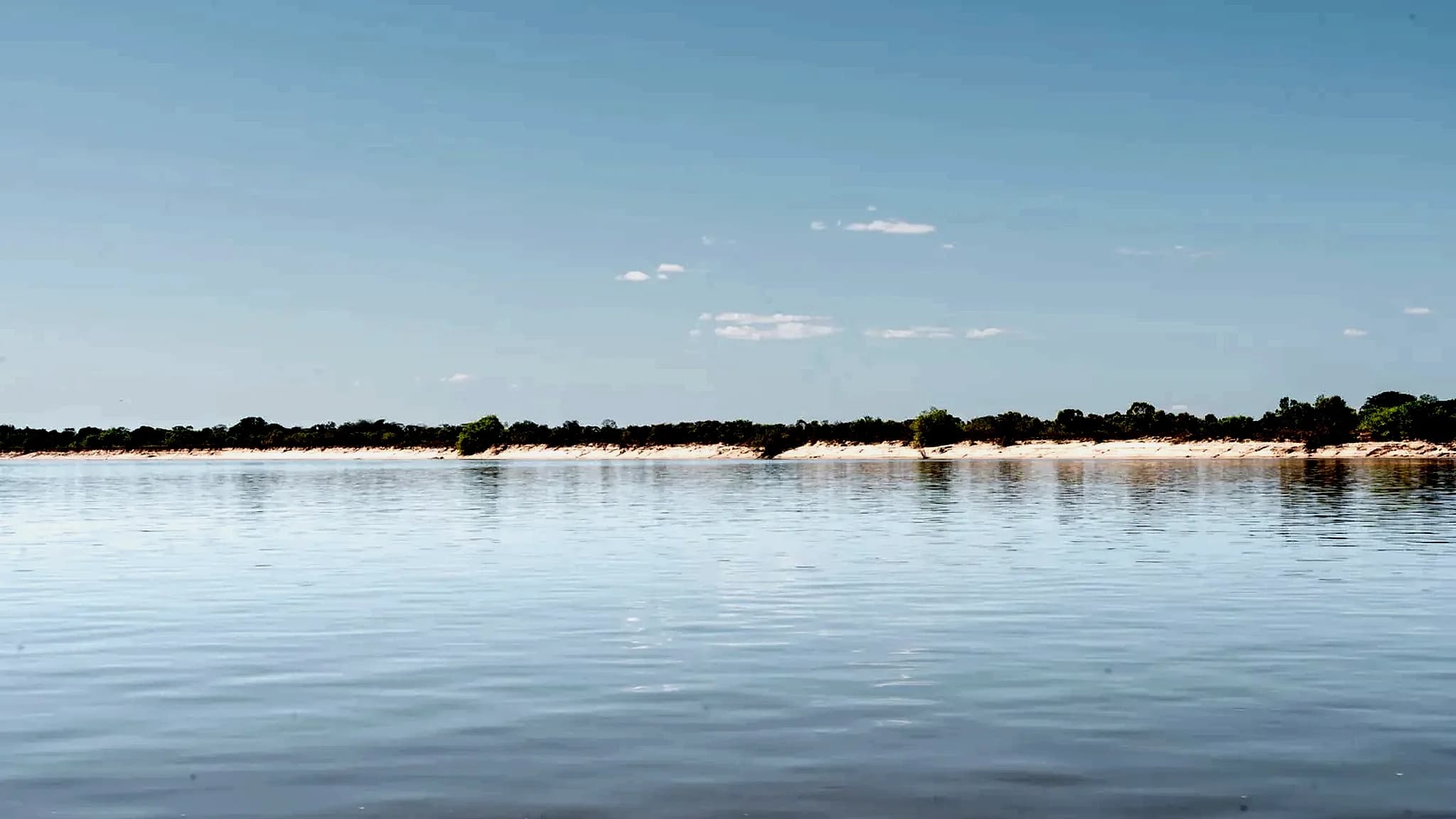
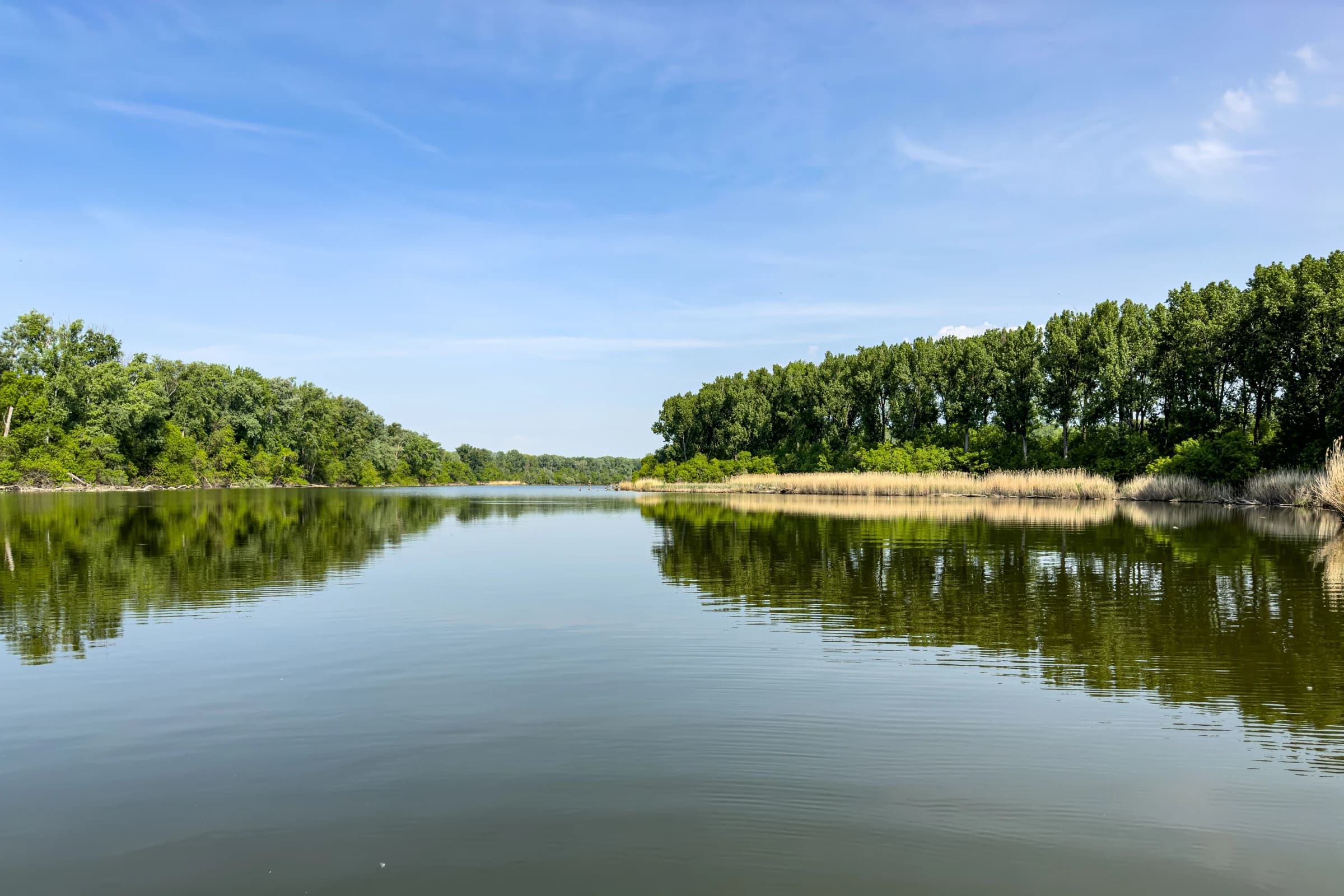
The Pacu inhabits the great lowland rivers of northeastern Argentina and their associated environments: the main channel of the Paraná and the Paraguay, their arms and secondary streams, marshes, oxbow lakes, and connected lagoons. It is a fish of warm waters with plenty of riverside vegetation, since much of its diet depends on the fruits and seeds that fall from the trees along the shore. That is why, where there is forest that "rains" food onto the water, there are chances for Pacu.
It prefers temperate to warm waters and is sought out over structure: deep holes, eddies sheltered from the main current, sunken logs, water-hyacinth beds, undercut banks, and, very especially, beneath or near fruit-bearing riverside trees such as the ingá, the timbó, or laden willows. These spots where plant material falls into the water are true natural feeding stations and concentrate activity. It also frequents the mouths of streams and areas of moderate current where it can ambush the food drifting down.
The best time is the warm season, from October to March, when the water warms up, the fish's metabolic activity increases, and it coincides with the heaviest fruit drop. In these months the Pacu feeds more aggressively and moves closer to the shore and the vegetation. With the winter cold it becomes sluggish, drops down to deep holes, and fishing for it becomes much more sporadic and uncertain.
Baits and lures
The Pacu is primarily frugivorous and omnivorous, so the best baits mimic what it eats naturally. Baits and lures that really work in Argentina:
- Riverside fruits and seeds: this is the king bait. Ingá fruits, seeds, figs, and in general any fruit that falls from the trees in the area. It works because it is exactly its natural diet and raises no suspicion.
- Corn, sweet corn, and corn-flour doughs: a classic and highly effective, especially cooked or in compact pastes that hold onto the hook. Cheap, accessible, and very productive.
- Common garden fruits: pieces of fig, papaya, banana, or ripe peach give excellent results when there are fruit trees along the shore.
- Animal-based baits: large earthworm, gut, heart, and also snails, which the Pacu crushes with its molars. Useful when fruit isn't producing.
- Flavored dough/paste balls: preparations based on corn flour with sweet additives, widely used in fishing ponds and rivers.
Recommended gear
For the Pacu you need robust gear: it is a fish of great strength that fights near structure, so it's better to be over-equipped than under-equipped. Recommended gear by method:
Bottom / mixed fishing (the most common)
- Rod: medium to medium-heavy action, 1.80 to 2.40 m, with a good reserve of power in the lower section to stop runs and pull the fish out of the logs.
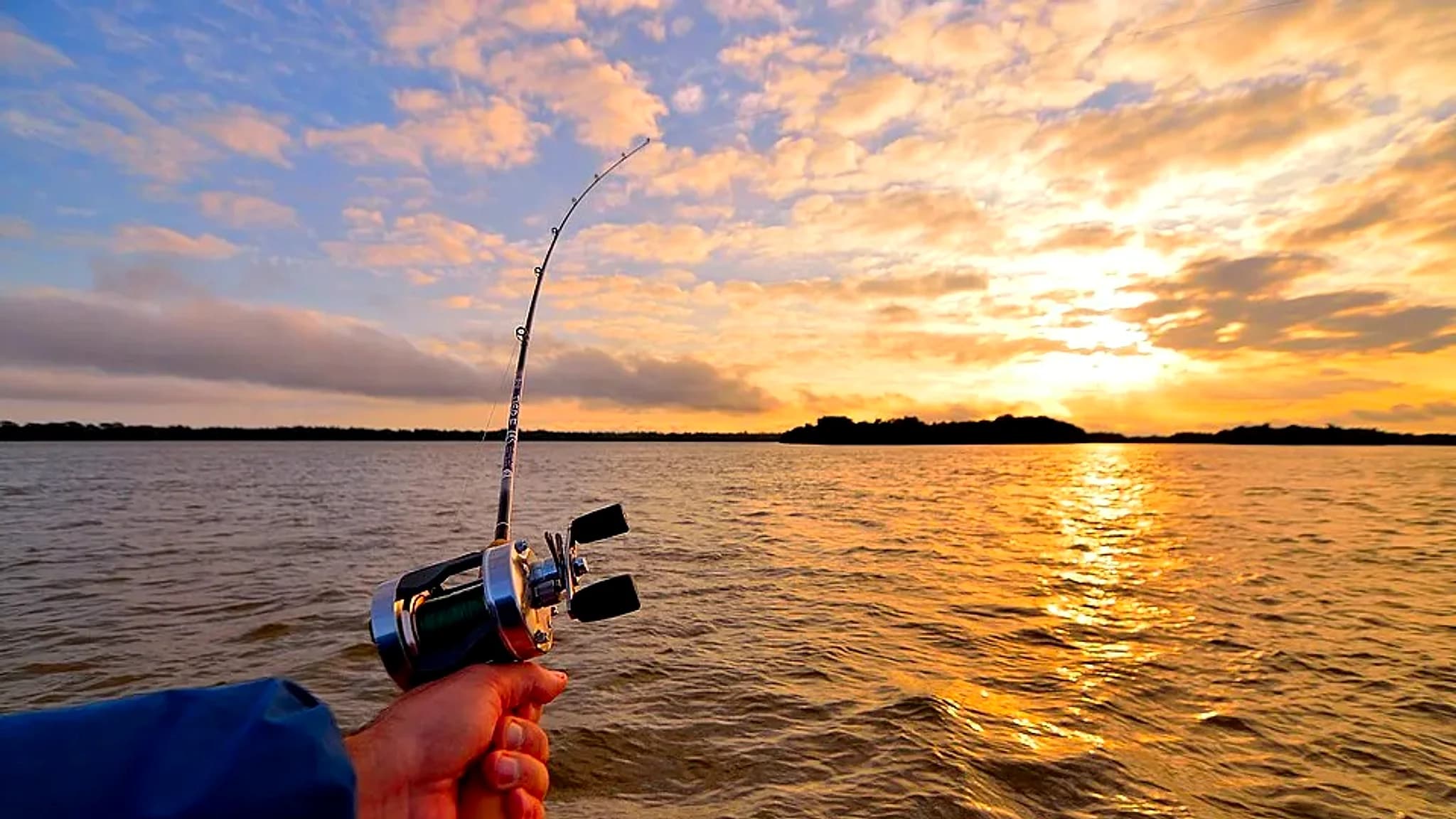
- Reel: a medium-to-large spinning or baitcasting reel, with a good, progressive, reliable drag. A well-set drag is key: not so loose that it reaches the structure, nor so tight that it snaps off.
- Line: braided from 0.20 to 0.40 mm (approx. 20-50 lb) for its low stretch and sensitivity to detect the "testing" bite, or strong monofilament nylon if you prefer some stretch as a shock absorber.
- Leader: abrasion-resistant fluorocarbon of good strength (approx. 30-50 lb), essential because the Pacu has a bony mouth, powerful molars, and tends to head for branches and logs. Strong, very sharp hooks, sized to match the bait.
Fly fishing
- Gear: #7 to #9 lines depending on the expected size and the wind, with a matching rod and good reserve for the fight. A reel with a reliable disc drag.
- Leader/tippet: robust and abrasion-resistant; no fineness, because the fight is hard and there is structure nearby.
Spinning
- Medium-power gear, thin but strong braid, a fluorocarbon leader, and small lures.
General rule: the Pacu does not forgive flimsy gear. Reliable drags, anti-abrasion leaders, and sharp hooks are the difference between telling the story with a photo or telling the one about the one that got away.
Fishing techniques
The Pacu is fished in several ways depending on the environment and the angler's preference. The methods that produce the most in the Litoral:
Bottom fishing / drifting with a float (the most common)
- Locate a feeding station: a fruit tree laden over the water, a sheltered deep hole, or the mouth of a stream.
- Chum the area in advance by tossing corn, pieces of fruit, or dough to concentrate fish and get them used to feeding.
- Present the bait naturally, letting it drop and drift as if it were a fruit that came off the tree. Naturalness is everything.
- Wait for the "testing" bite: the Pacu usually feels out the bait. Don't set the hook on the first touch; wait until it commits, and only then set firmly and sharply.
Fly fishing It is one of the most sporting and spectacular methods. You fish "by sight" beneath fruit trees, presenting a fruit-fly that lands with the same "plop" as a real seed. It requires delicate presentation, little movement, and a lot of patience watching the surface.
Spinning With light gear and small lures you can get strikes, targeting active fish near structure. It isn't the most classic route, but it adds variety and adrenaline.
Guide tips
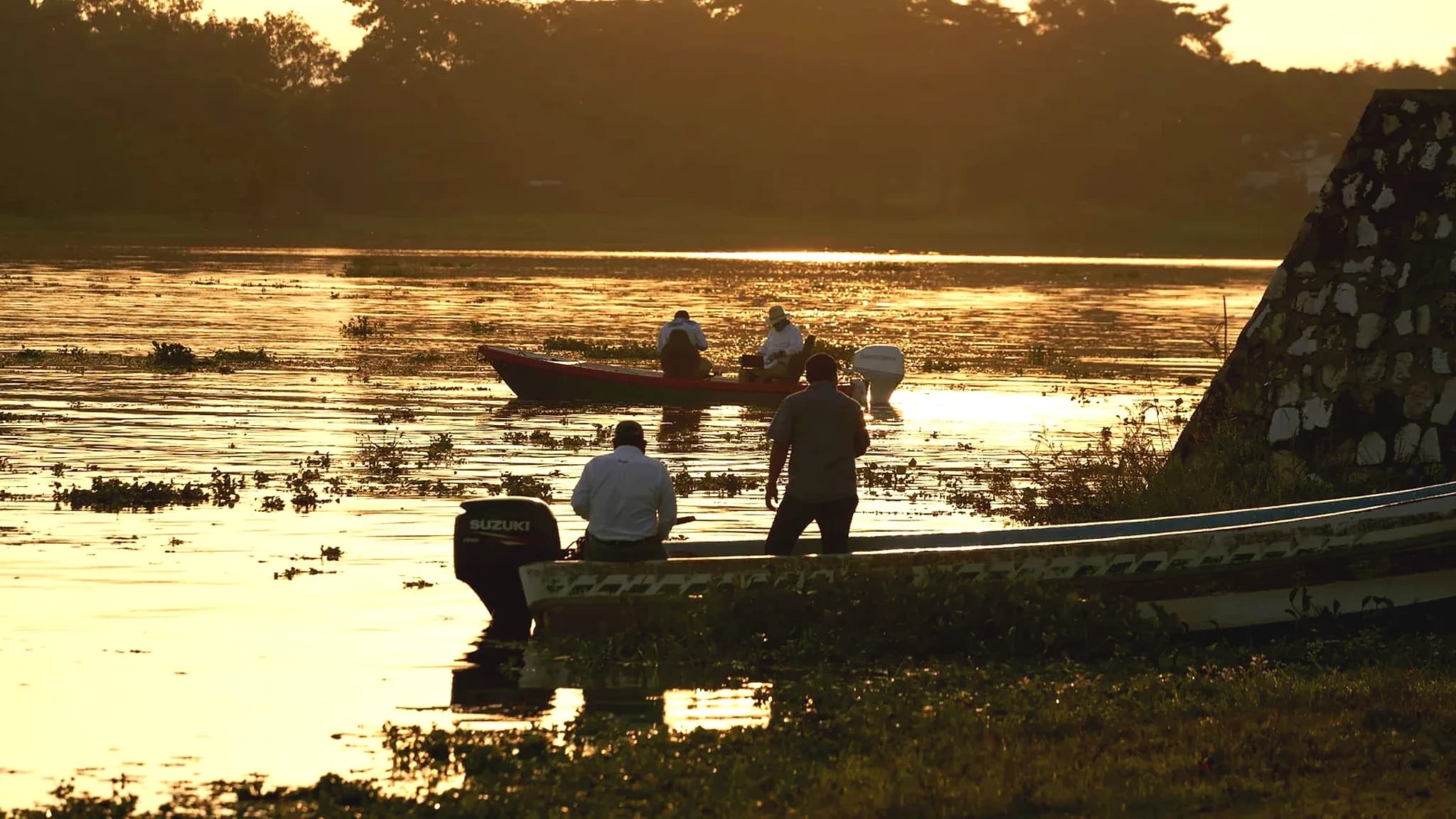
- The best times are the first and last light of day, when the Pacu approaches to feed with less wariness; on cloudy, warm days it can bite all day long.
- Use strong lines and leaders: the Pacu fights hard and there is often structure (logs, branches) it will dive into the moment it feels the hook.
- The hook must be impeccably sharp: its mouth is hard and bony, built to crush.
- Silence and a low profile: it is a wary fish, so mind the noises and the shadows over the water.
Closed season & regulations
Closed seasons, minimum size and bag limits for pacu are set by each province and change every year. The current rule is on each spot's page: confirm it before heading out.
Read the full note
Pacu fishing in Argentina is regulated and the rules vary by province and by year, so the first and most important thing is to consult the relevant official authority before heading out.
Why the closed season exists. The closed season (veda) is a period in which fishing for a species is prohibited or restricted to protect its reproduction. In the case of the Pacu, it typically coincides with the warm-water reproductive season, when the fish need to be able to spawn without fishing pressure to ensure future generations. Respecting the closed season is no mere formality: it is what keeps the resource healthy so that there continue to be Pacu in the river.
Catch-and-release culture. In many Litoral environments catch and release is strongly promoted, especially with the large specimens, which are the best breeders. If you are going to release, use barbless hooks or hooks with the barb pressed down, handle the fish with wet hands, minimize its time out of the water, and revive it well before letting it go. Caring for the fish is caring for your own fishing in the future.
What we CANNOT give you here (and you must verify without fail):
- Exact closed-season dates: they change every season and by jurisdiction.
- Minimum catch size: it varies by province.
- Quotas and catch limits per angler/day.
- Whether a fishing permit or license is required and its costs.
All of this is set by each province (wildlife, natural resources, or the corresponding fisheries agency of Corrientes, Misiones, Formosa, Chaco, Entre Ríos, Santa Fe, etc.) and may be updated year to year. : it is the only way to fish within the rules and not harm the species. When in doubt, release.
Shops & clubs in the area
Ready to chase pacu? Find guides who target this species and message them.
Plan your trip hereDo you guide pacu trips? Join for free and show up here →
Read before you go

Frequently asked questions about pacu
Can you fish for Pacu right now, in October?
Yes: October falls within the pacu season. Its best time of year is dec–feb. Before heading out, check the fishing rule for the spot: closed seasons are set by each province.
What's the best time to fish Pacu?
The best time for pacu is dec–feb. Check each place's page for the bite calendar and to respect current closed seasons.
Where can you fish Pacu in Argentina?
Some of the best places to fish pacu are Paso de la Patria, Alto Paraná (Misiones), Río Paraná (Isla del Cerrito), Esquina (Corrientes). On PESQA you get the map, access info, seasons and verified guides for each one.