Trahira (tararira)
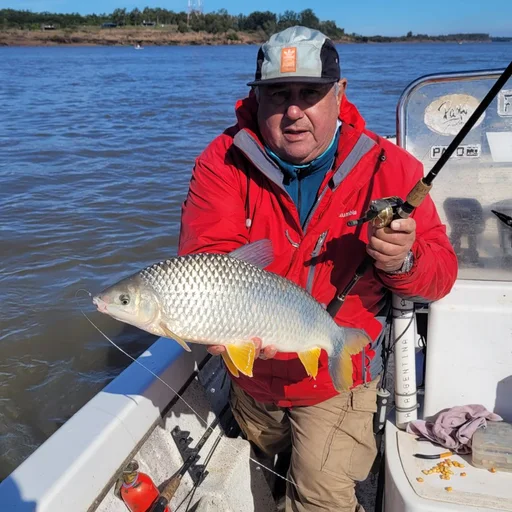
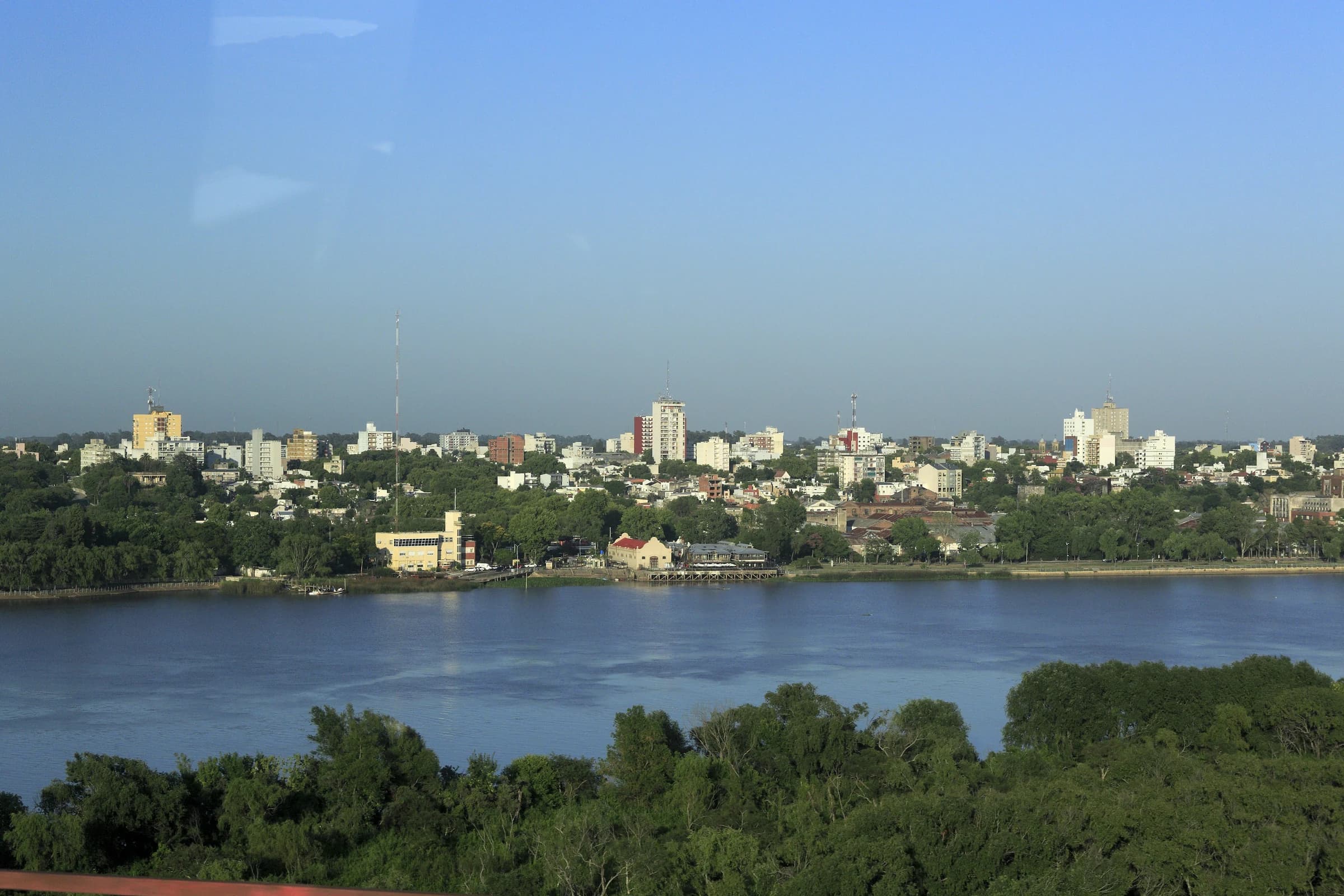
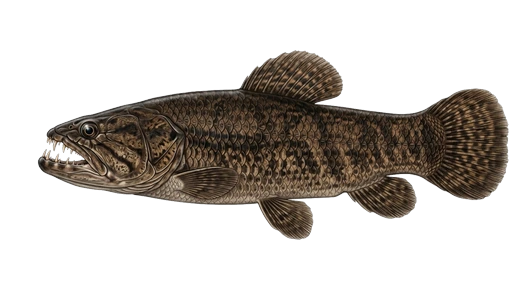
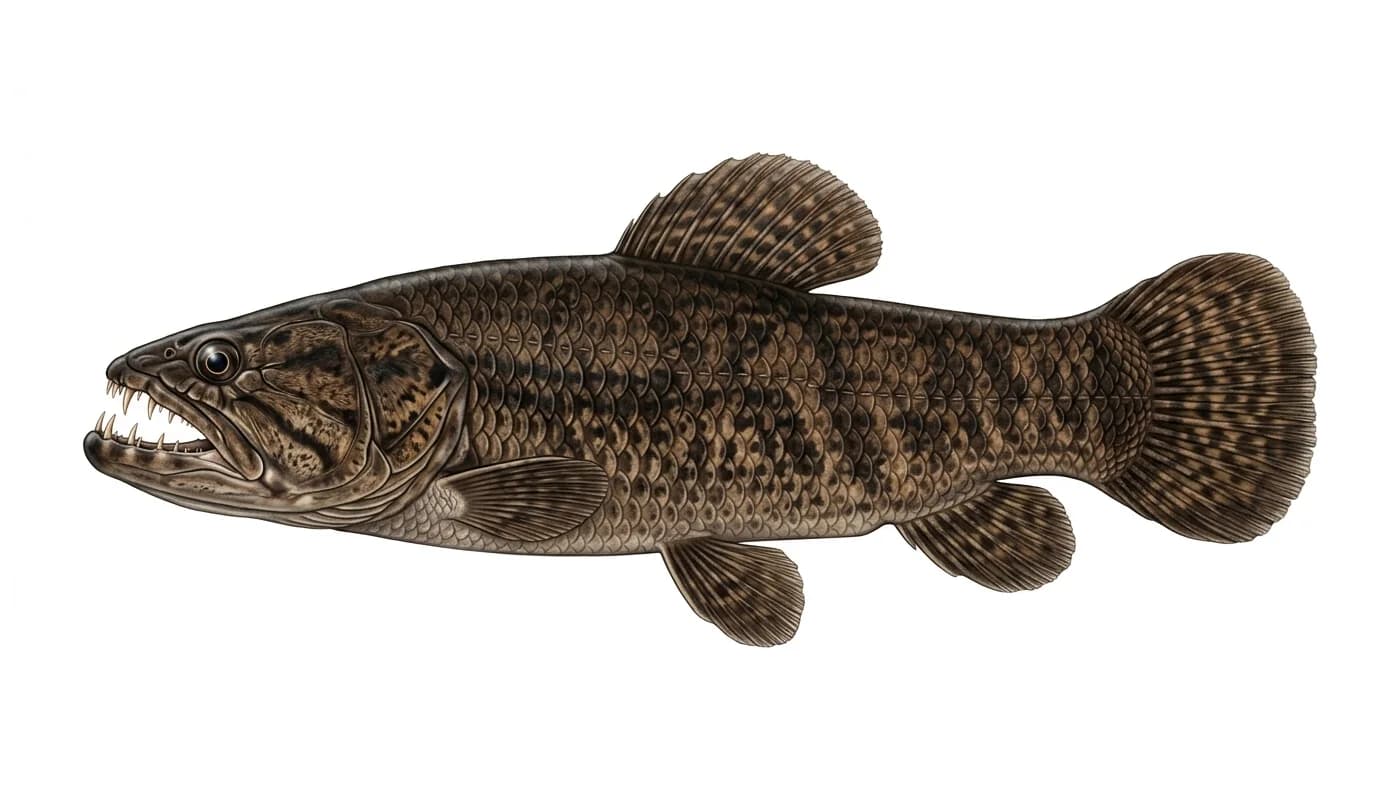
The Tararira is a carnivorous, sedentary freshwater fish, one of the most voracious predators of our still-water environments.
In seasonWhere to fish

Season
- Off
- In season
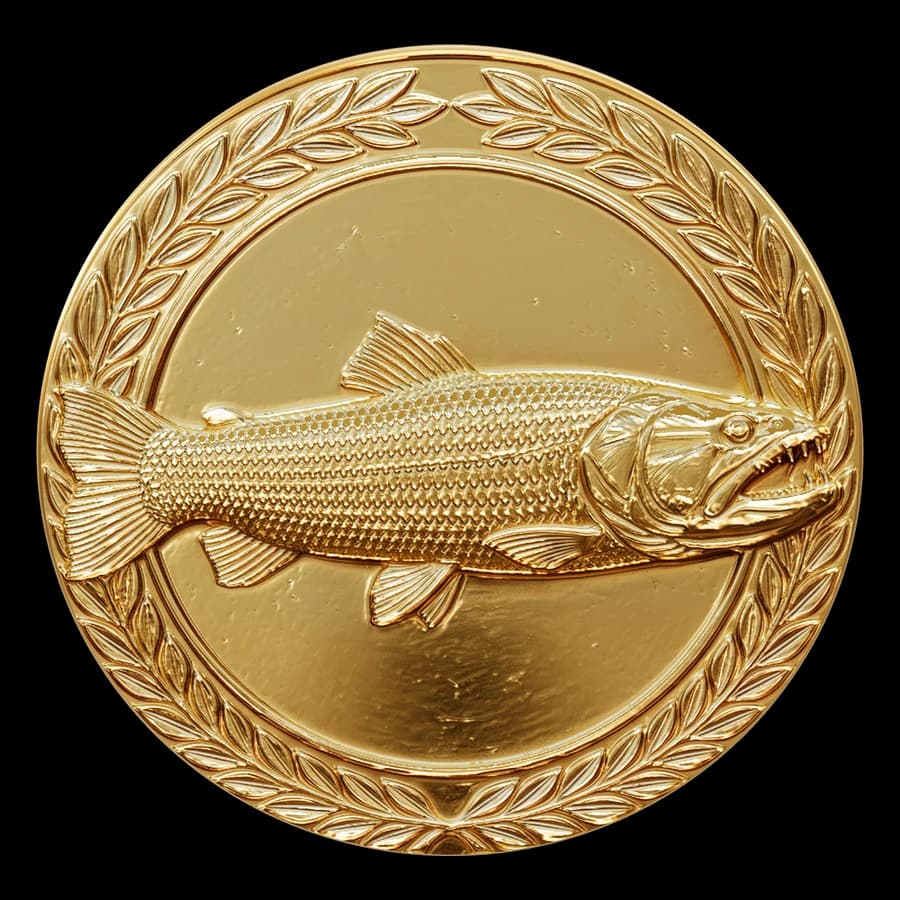
Tap it to see it in 3DClick it to see it in 3D
The lagoon fury
Every trahira (tararira) you post with a photo counts toward your Pesquedex. Bronze comes with the first catch; silver and gold ask for a variety of spots and provinces.
Recent Trahira (tararira) catches
Nobody has posted a trahira (tararira) report yet. Post yours with a photo: you get the catch card and the bronze medal.
Be the first →Habitat
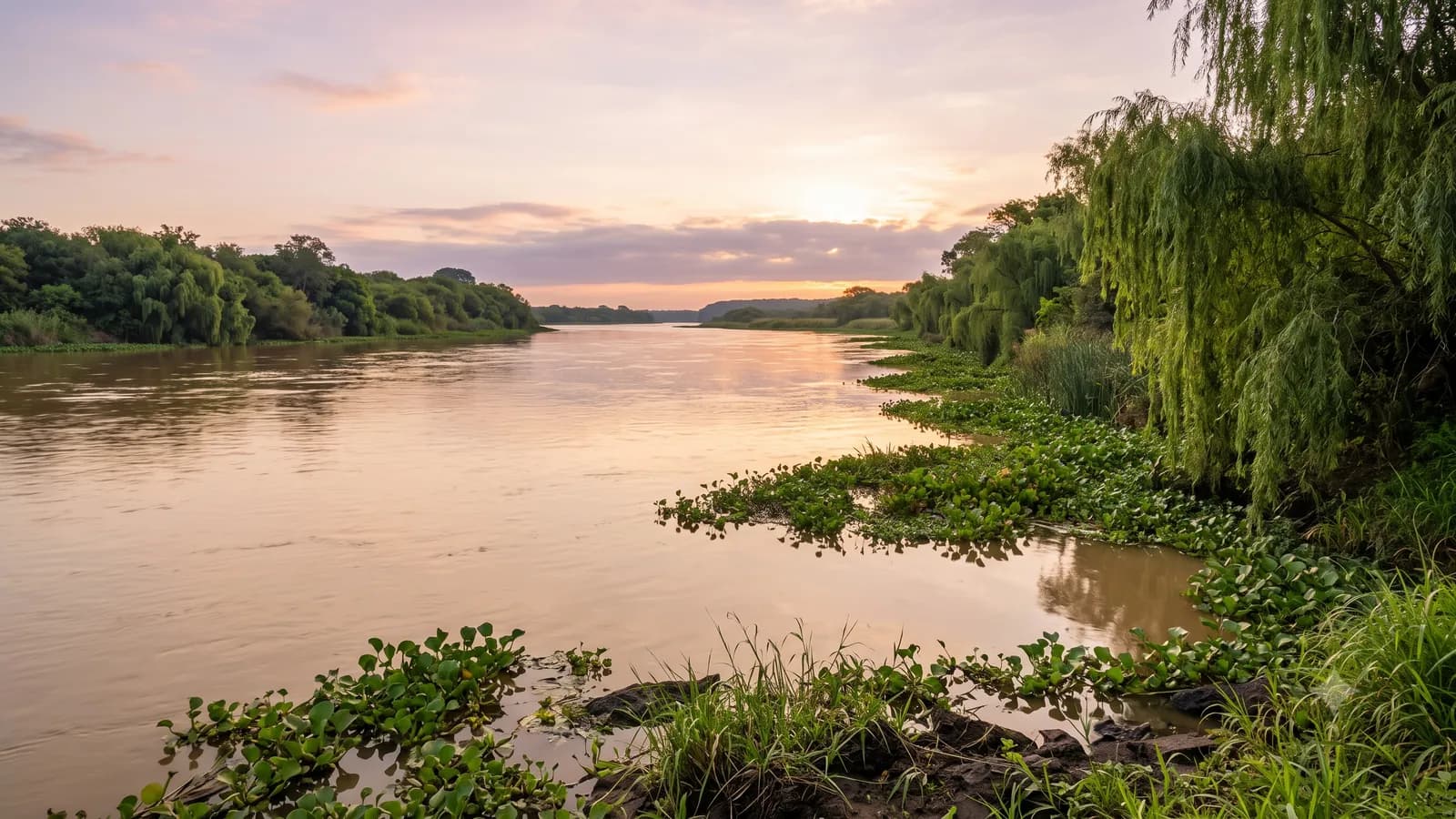
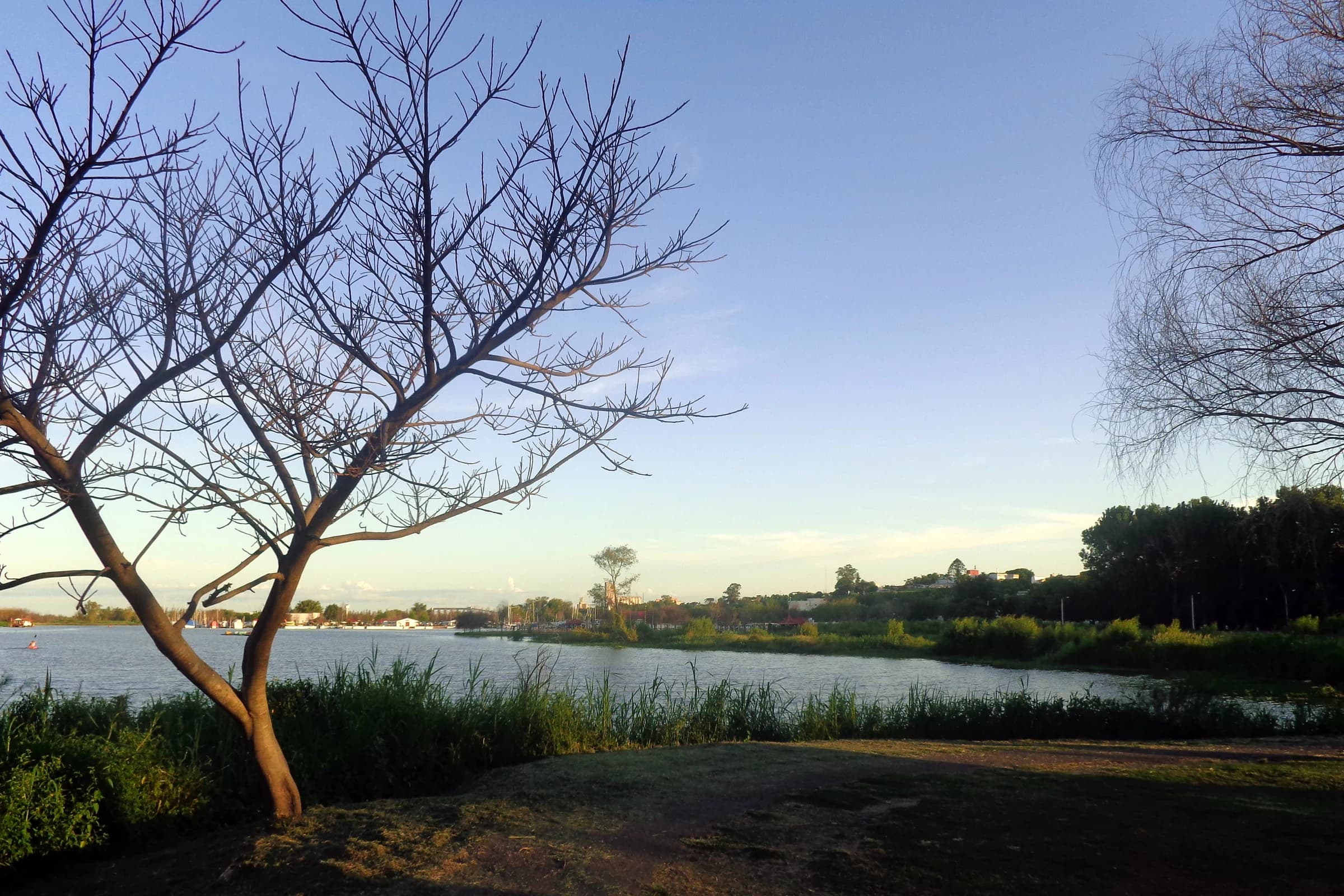
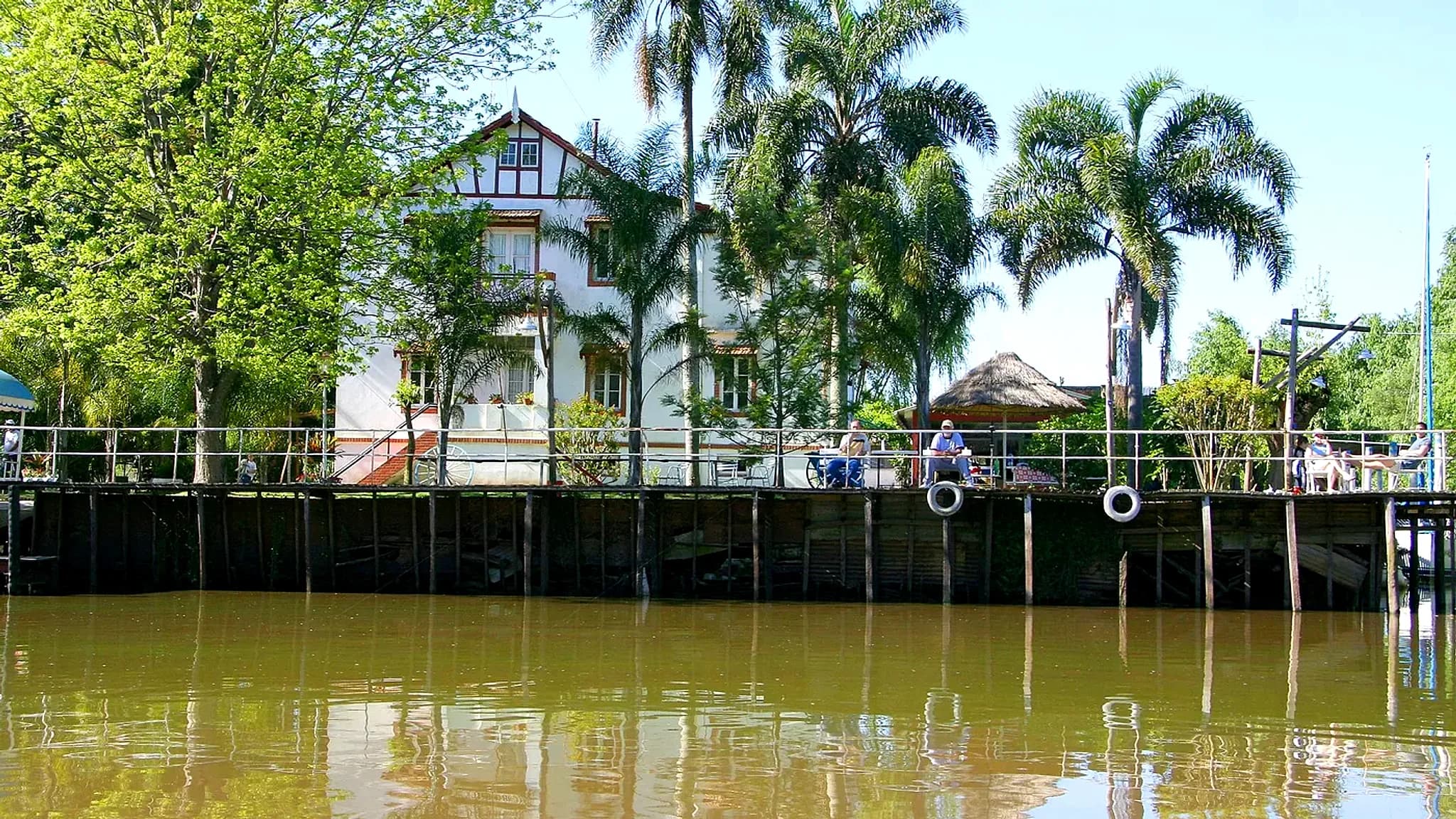
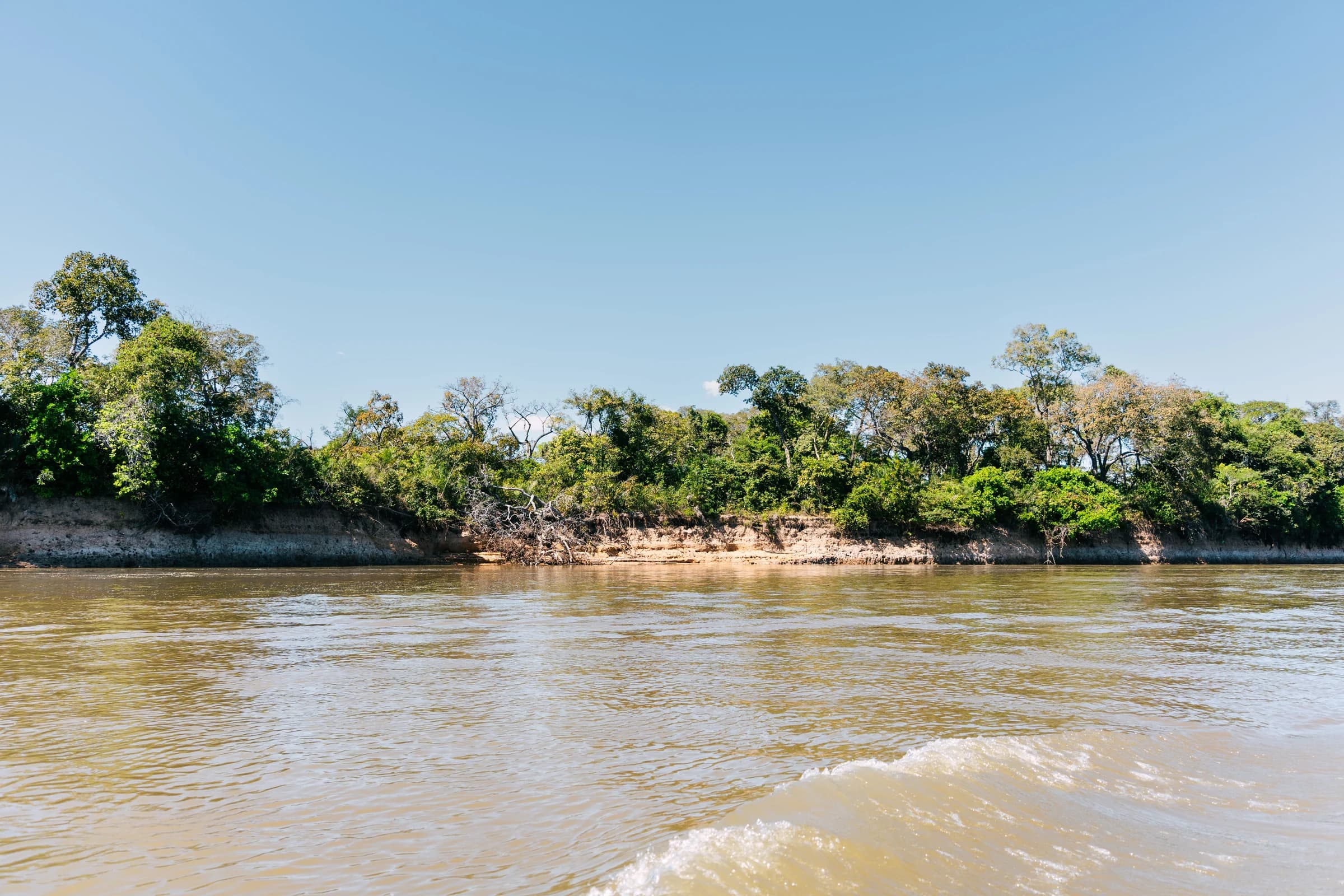
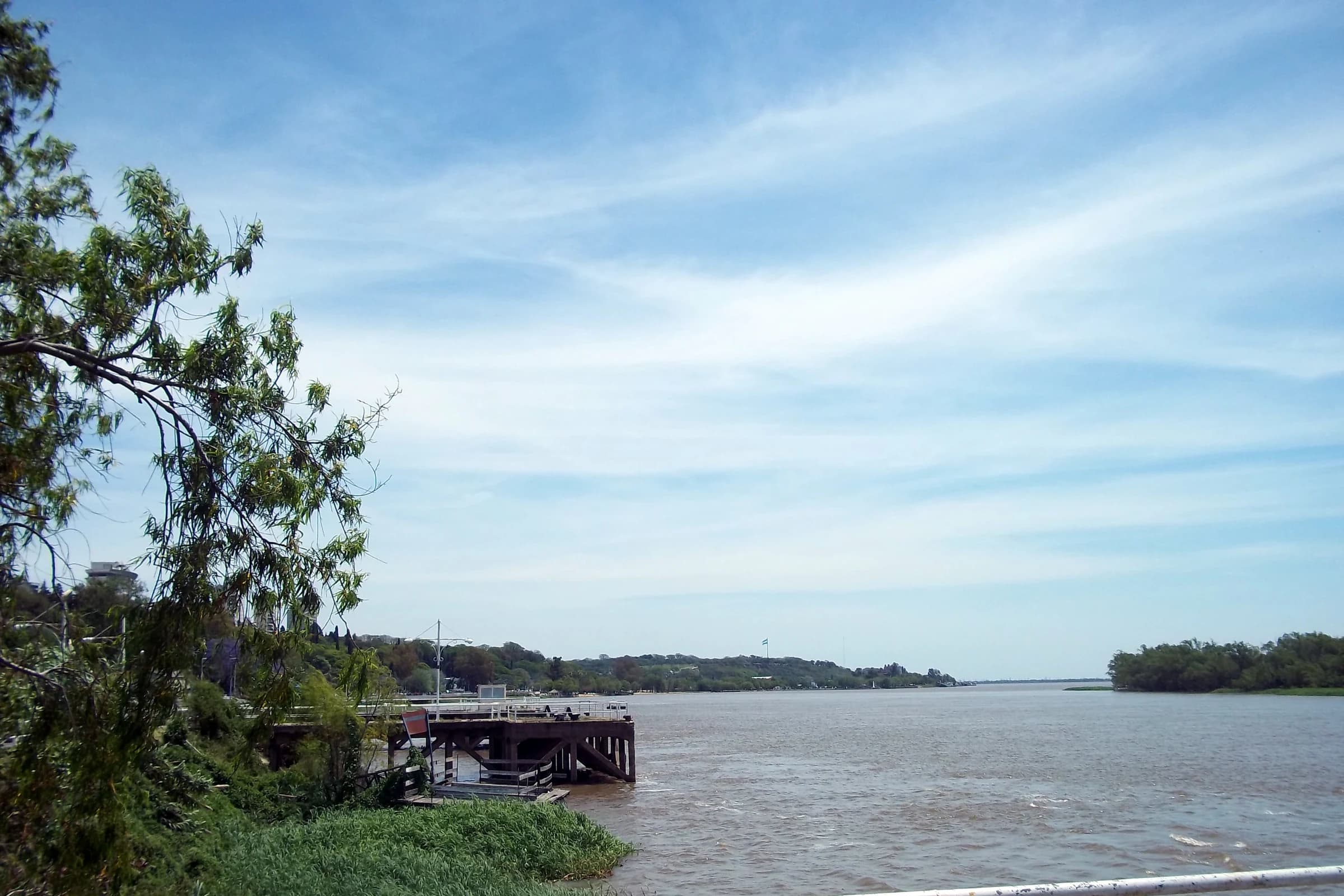
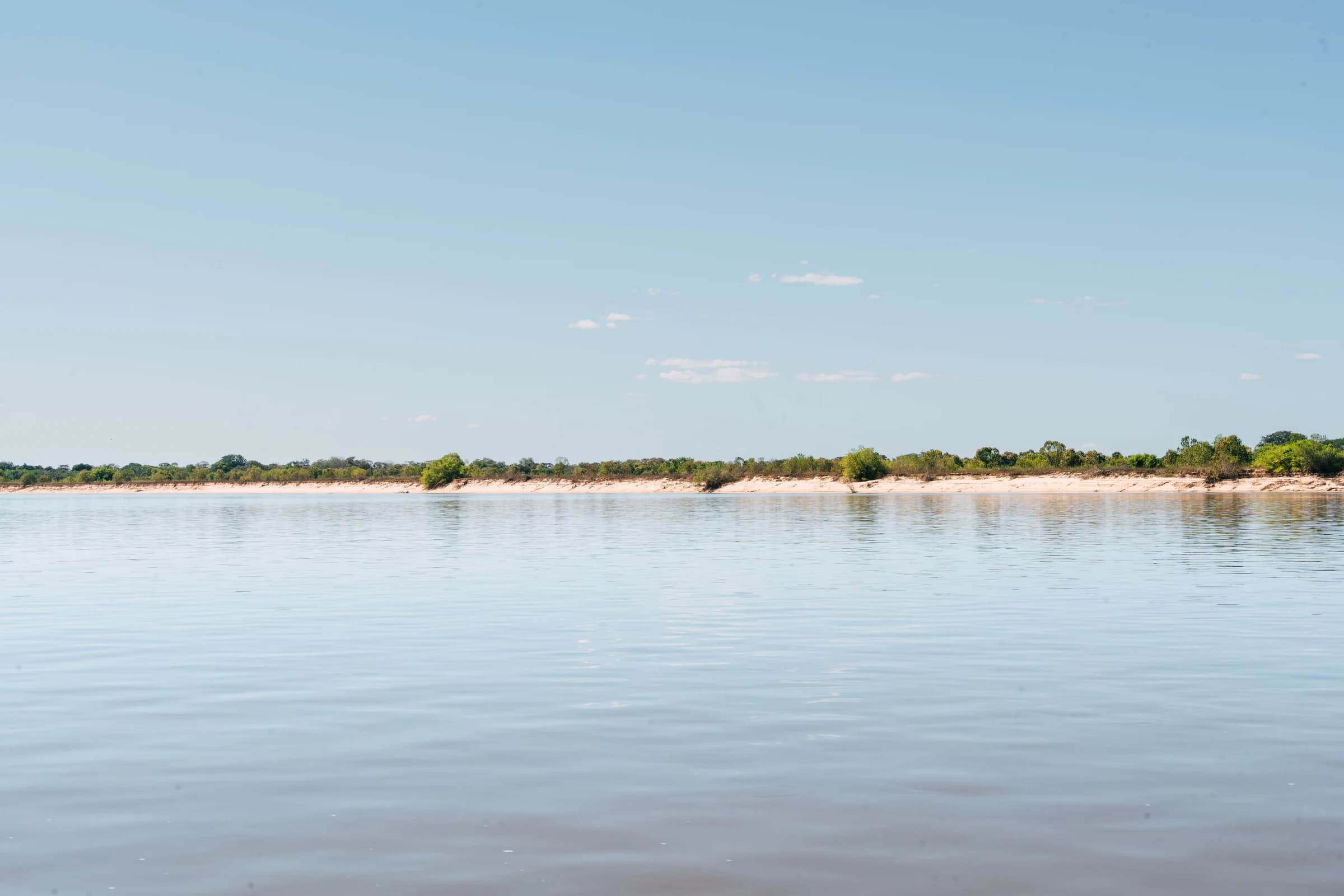
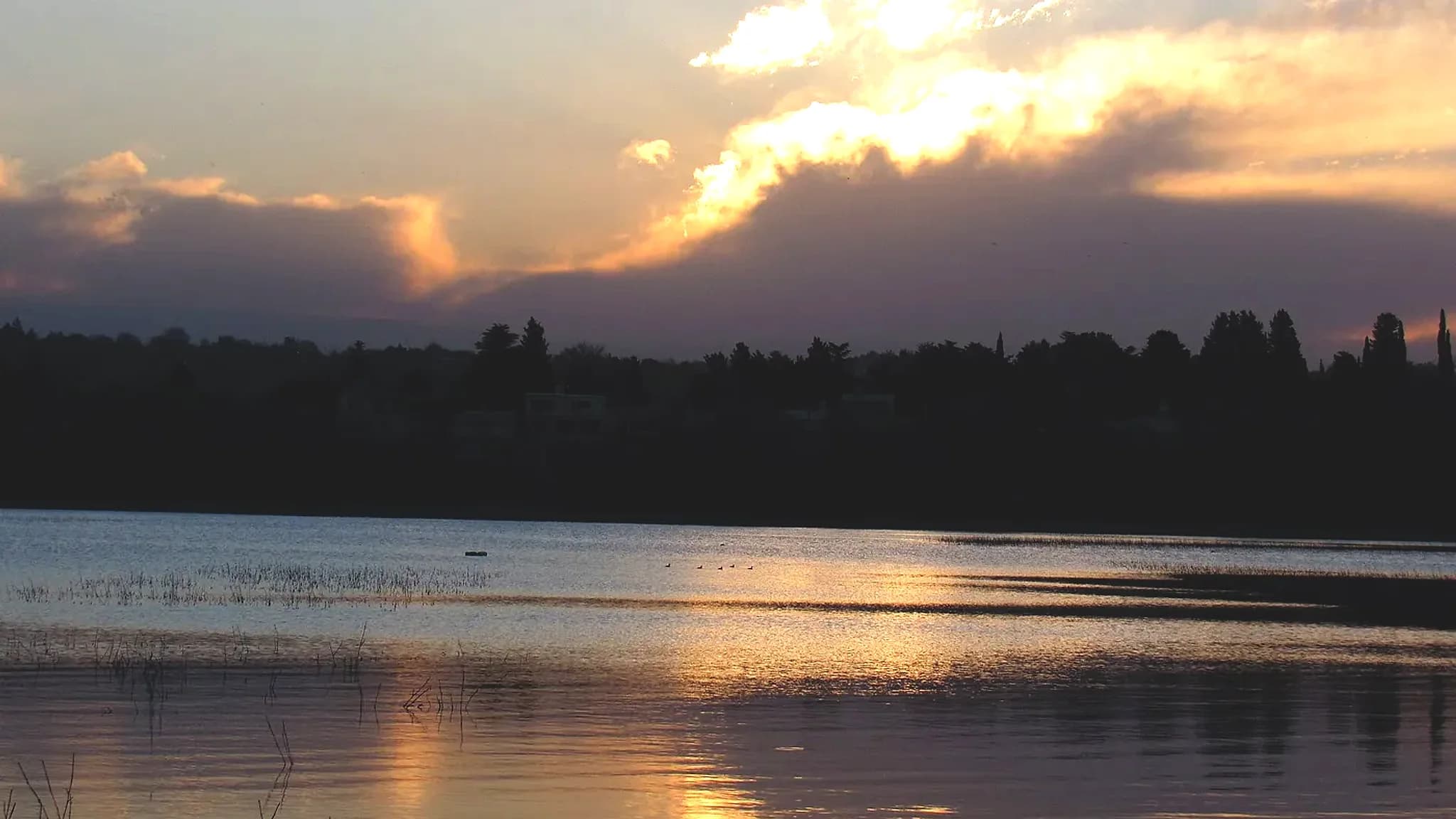
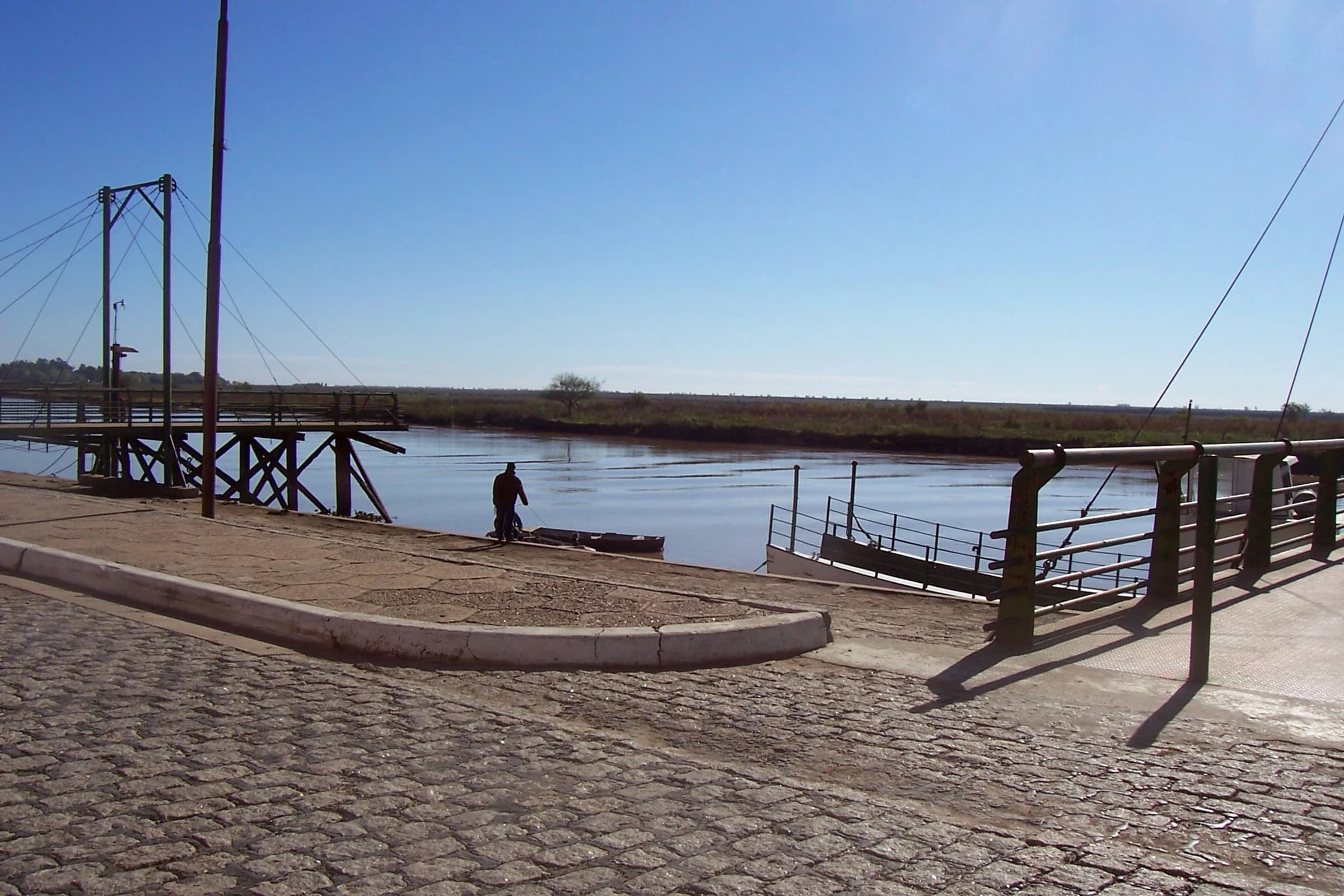
The tararira is a fish of still or slow-moving waters, and therein lies the key to finding it. It lives in Pampas lagoons, marshy creeks, wetlands, marshes, oxbow lakes, lowland streams, backwaters, and slack pools of the big rivers, as well as reservoirs and dams. It prefers warm water, and that's why its activity spikes in spring and summer (from October to April), when the water temperature rises and the fish turns aggressive and hungry. In winter, with cold water, it becomes sluggish and much harder to tempt.
It is a structure predator: you'll rarely find it in the middle of clean, open water. Look for it tight against the aquatic vegetation (water hyacinth, rushes, cattails, floating plants, floating peat mats), against submerged logs and branches, against the flooded grasses of the bank, at the mouths of streams, and at any bottom break or shade where it can ambush. The edges of vegetation, the "gaps" between plant clumps, and banks with fallen trees are classic hot spots. The "messier" and more structured the environment, the better your chances of tararira.
As for regions, the Litoral (Corrientes, Entre Ríos, Santa Fe), Buenos Aires province, La Pampa, Córdoba, Chaco, and Formosa hold the best environments, but practically any temperate freshwater body in the center and north of the country has them. The best hours are usually the first light of morning and dusk, when the fish rises to hunt near the surface; on cloudy, warm days it can be active all day long.
Baits and lures
The tararira eats anything that moves, so it responds to both natural baits and artificial lures. These are the options that work best in Argentina:
Natural baits:
- Morena / dentudo / mojarra, live or in chunks: the infallible classic. A fillet or strip of nice white morena, or a live baitfish hooked through the back, is lethal. The blood and movement drive it wild.
- Catfish fillet or tararira's own flesh: chunks of firm white meat hold well on the hook and stand up to strikes.
- Large worm or lagoon grub: it works, especially for smaller specimens.
Artificial lures:
- Surface lures (poppers, weedless rubber frogs/toads, chatterbaits, walking baits): the most fun fishing there is. The weedless frog is walked over the water hyacinth and the tararira blows up from below. Ideal for fishing among dense vegetation.
Recommended gear
For the tararira a light-to-medium outfit is best, sturdy but comfortable to cast for hours. The setup depends on the method, but these are the specific recommendations:
Rod:
- For spinning with lures: a 1.80 to 2.10 m rod, fast action and medium power (medium / medium-heavy). Firm enough to set the hook in that bony mouth and to pull the fish out of the vegetation.
- For bottom fishing from the shore: a somewhat longer rod (2.40–3.00 m) that lets you cast the bait far.
Reel:
- Spinning reel size 2500 to 4000, with a good, smooth drag. Alternatively, a baitcasting reel for those who master it, widely used with lures.
Line:
- Braid of 15 to 30 lb: it's the best option because it has little stretch (firmer hooksets), doesn't get cut by the vegetation, and lets you pull the fish out of the structure with authority.
- If you prefer nylon (monofilament), use 0.35 to 0.45 mm.
Leader (essential):
- Flexible steel (steel wire) or thick fluorocarbon (0.60–0.80 mm) about 20–30 cm long. The tararira's teeth cut any thin line; without a leader you'll lose fish and lure for sure. Steel is the safest; thick fluorocarbon is a more discreet alternative in clear water.
Accessories:
- Long pliers for unhooking (don't put your fingers in that mouth), a glove, a boga-grip or landing net for handling, and strong, well-sharpened hooks (single or treble depending on the lure). Bring weedless lures to fish among the vegetation without snagging.
Fishing techniques
The tararira can be fished in several ways, but almost all share one principle: presenting the lure or bait close to the structure where it ambushes and provoking the strike. These are the specific methods:
Spinning (the queen): it's the most popular and fun technique. You cast the lure toward the vegetation, the logs, or the edges, and retrieve it working it along. With surface lures (weedless frog/toad, popper), the retrieve is slow and with pauses, letting the lure "walk" over the water hyacinth; the strike is usually explosive. Key: don't set the hook at the first splash, wait to feel the weight of the fish and only then set hard, because that bony mouth is tough to pierce.
Bottom fishing / with bait: ideal from the shore with heavier gear. You bait with morena fillet or a live fish, cast near the structure, and wait for the bite. You can use a float (bobber) to keep the bait at mid-water among the vegetation, or a bottom sinker in the gaps. On the bite, let the fish take it well and set the hook decisively.
Fly: increasingly widespread. Large streamers, poppers, and fly "frogs" are used on a floating or intermediate line, working the edges of the vegetation. It produces spectacular surface strikes. It requires a #7/#8 outfit and a robust leader because of the teeth.
Drifting / from a boat: from a kayak, boat, or inflatable you can work the shores of lagoons and oxbows inaccessible on foot, casting to the structure while drifting slowly.
Guide's tips:
- Timing: first light and dusk are gold; on cloudy, warm days, all day long.
- Always use a steel or thick fluorocarbon leader: the teeth cut any thin line.
- Work the edges and gaps of the vegetation, not the open water.
- If a fish misses the strike, insist on the same spot: it usually attacks again.
- Handle it with pliers and a glove: the mouth bites hard and the teeth hurt.
Closed season & regulations
Closed seasons, minimum size and bag limits for trahira (tararira) are set by each province and change every year. The current rule is on each spot's page: confirm it before heading out.
Read the full note
Fishing for tararira in Argentina is subject to regulations that change by province and by year, and it is the angler's responsibility to get informed before heading out. There is no single national rule: each province (through its Wildlife, Natural Resources, or Ecology Department) sets its own rules on closed seasons, minimum sizes, catch limits, and fishing-license requirements.
On the closed season (veda): many provinces establish closed-season periods —generally during the spring/summer breeding time— during which fishing is restricted or prohibited. The closed season exists to protect the fish when they spawn: the tararira spawns in warm, shallow waters, and caring for it at that time ensures there will be fishing in the future. Respecting the closed season is not red tape, it's what sustains the resource for coming seasons.
A catch-and-release culture: although it is an abundant species, more and more anglers practice release, especially of large specimens (breeders). Returning the fish with wet hands, with the least possible time out of the water, and using barbless hooks makes for a healthy release. Taking only what you're going to eat is the best way to look after the lagoons.
Important and honest: the closed season, minimum size, and daily limit vary by province and are updated each season. We don't publish specific dates, measurements, or numbers because an out-of-date figure could make you commit an infraction without meaning to. Before heading out, always consult the current official regulations of the fishing authority of the province where you're going to fish (Wildlife / Natural Resources / Ecology Department), and get your corresponding fishing license if the location requires it.
Shops & clubs in the area
Ready to chase trahira (tararira)? Find guides who target this species and message them.
Plan your trip hereDo you guide trahira (tararira) trips? Join for free and show up here →
Read before you go
Frequently asked questions about trahira (tararira)
Can you fish for Trahira (tararira) right now, in October?
Yes: October falls within the trahira (tararira) season. Its best time of year is dec–feb. Before heading out, check the fishing rule for the spot: closed seasons are set by each province.
What's the best time to fish Trahira (tararira)?
The best time for trahira (tararira) is dec–feb. Check each place's page for the bite calendar and to respect current closed seasons.
Where can you fish Trahira (tararira) in Argentina?
Some of the best places to fish trahira (tararira) are Esteros del Iberá, Laguna de Chascomús, Laguna de Lobos, Delta del Paraná. On PESQA you get the map, access info, seasons and verified guides for each one.