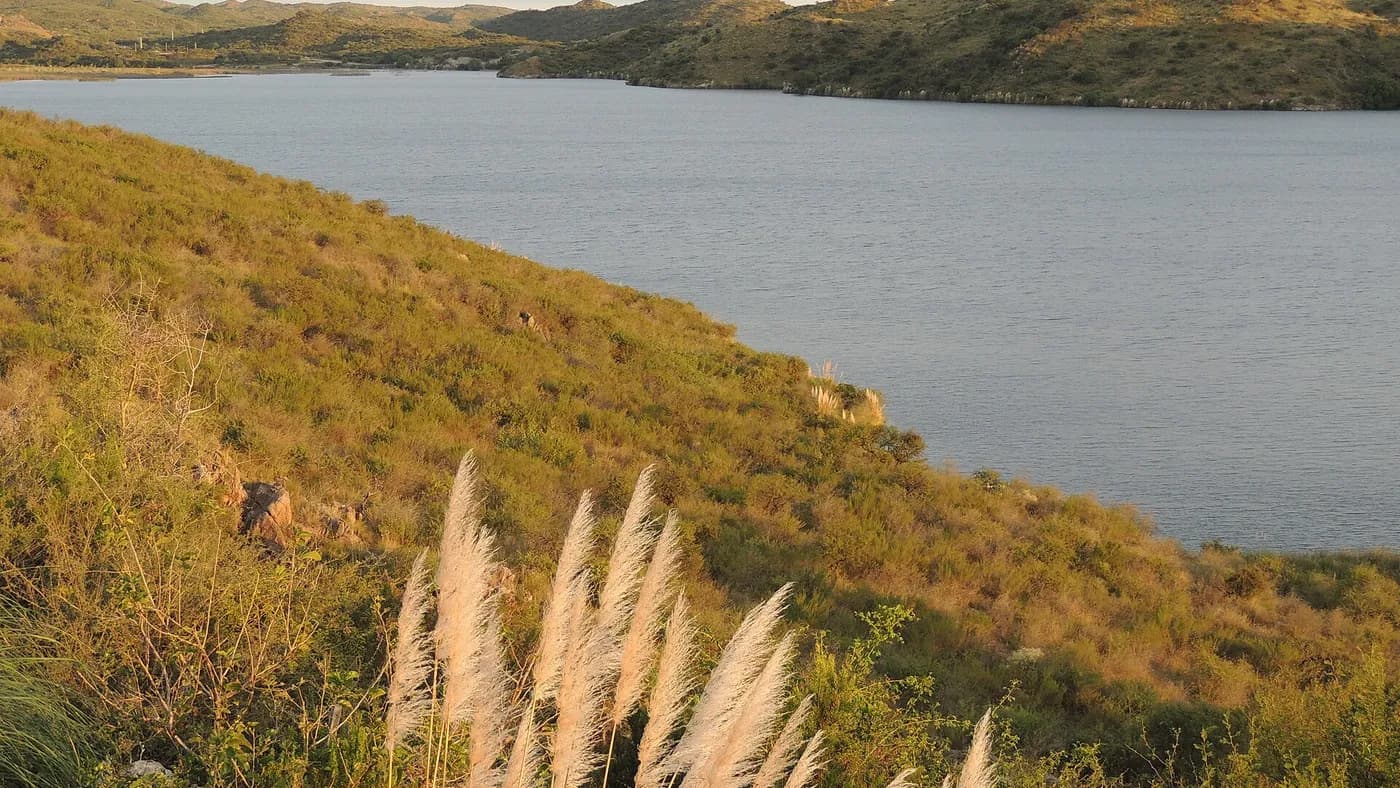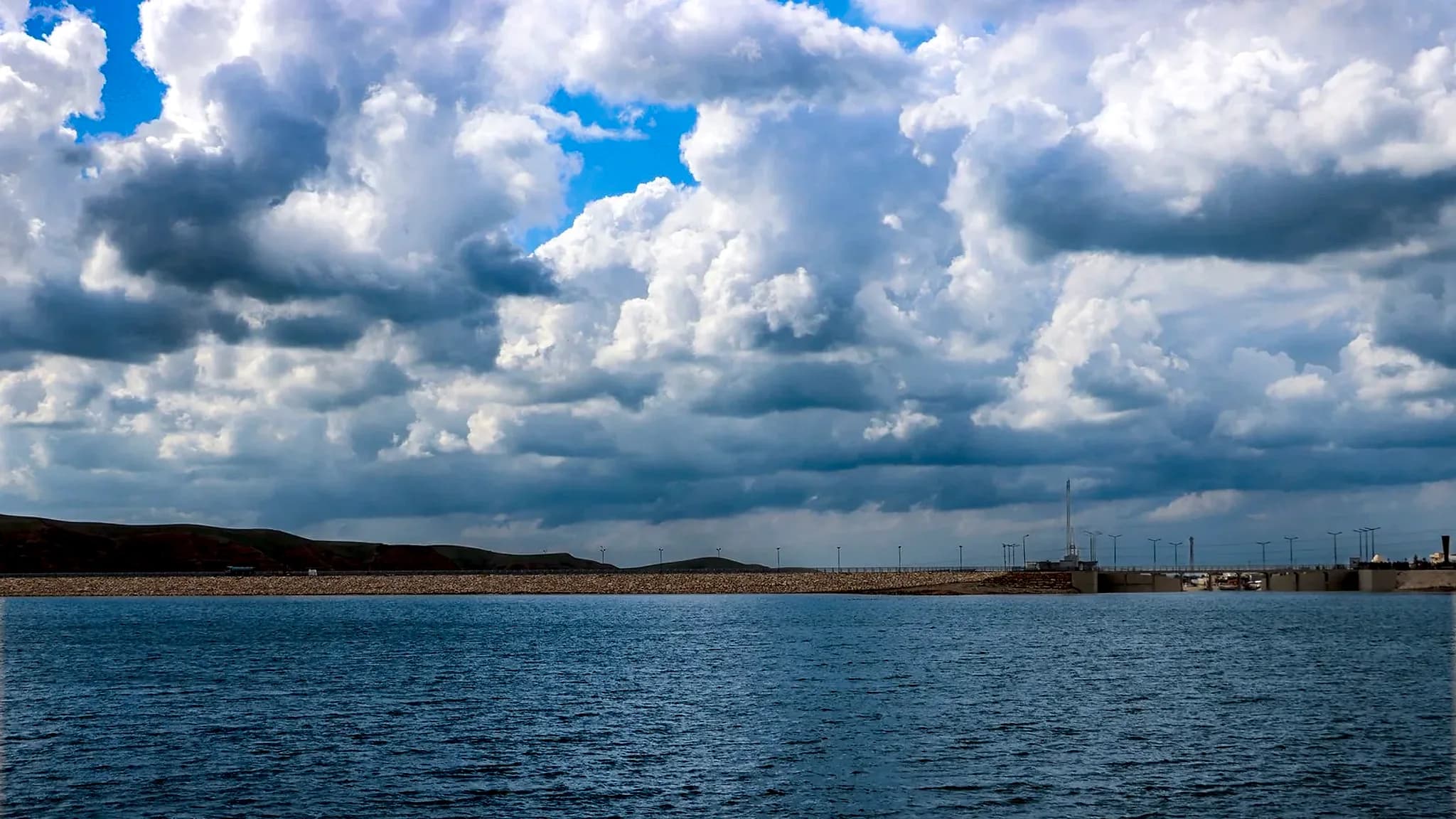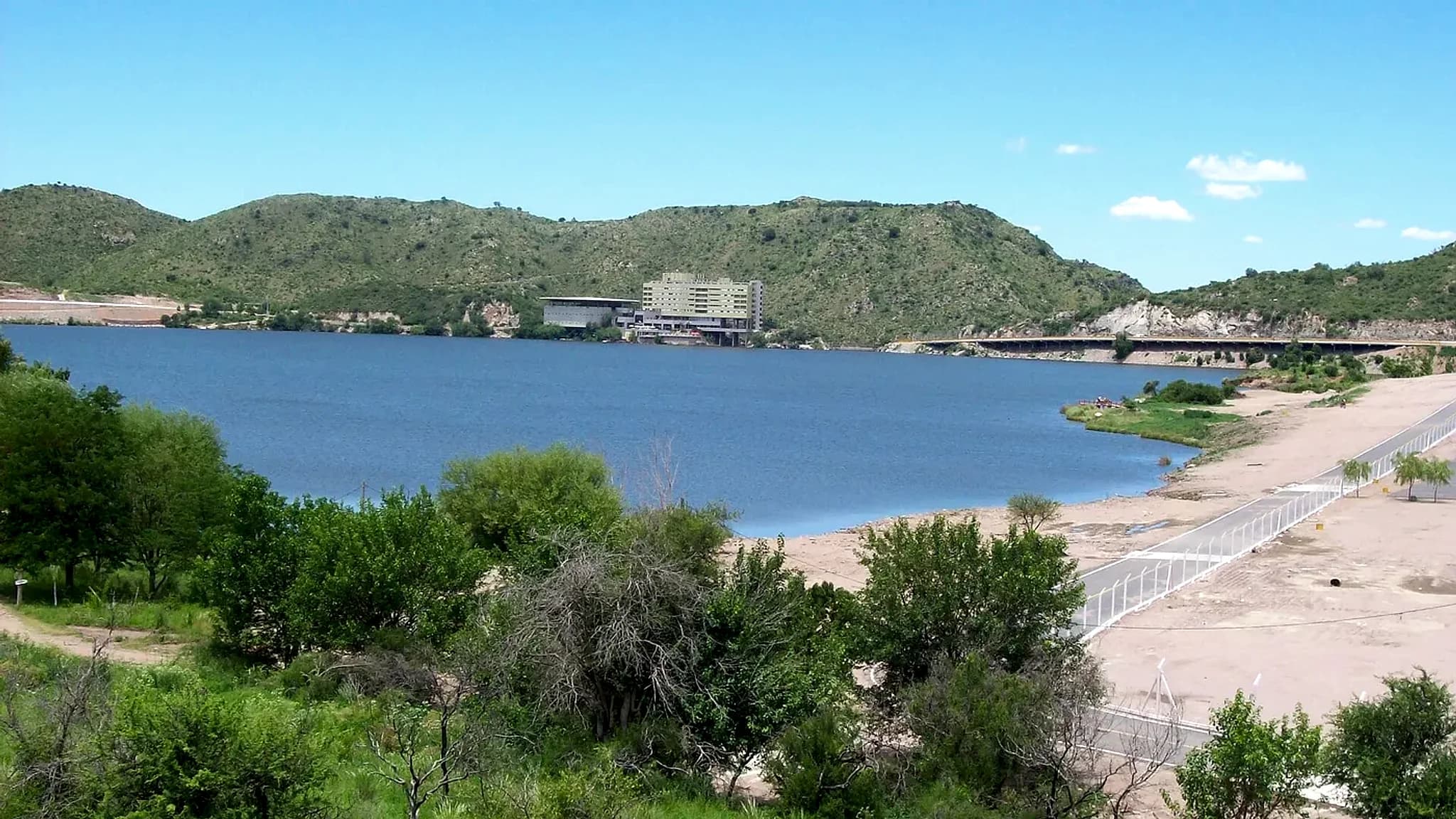
Trahira (tararira) in San Luis
14spots3guidespeakdec–feb
San Luis has 14 spots with trahira (tararira) listed on PESQA. Peak season is in dec–feb. Here are the spots and the guides working the area.
14spots3guidespeakdec–feb
San Luis has 14 spots with trahira (tararira) listed on PESQA. Peak season is in dec–feb. Here are the spots and the guides working the area.
Yes: October falls within the trahira (tararira) season in San Luis. The best time is dec–feb.
Peak season for trahira (tararira) in this area is in dec–feb, though there's activity in other months depending on conditions.
PESQA lists 14 spots with trahira (tararira) in San Luis, among them Dique Potrero de los Funes, Embalse La Florida, Dique Berta Vidal de Battini, Dique Boca del Río.
Yes. Most provinces require a sport-fishing license, issued by the corresponding provincial agency. Check San Luis's current requirements before your trip.
PESQA lists 3 guides working spots with trahira (tararira) in San Luis, among them Parque Nativo, Balcones del Vertedero, Las Verbenas.
The tararira eats anything that moves, so it responds to both natural baits and artificial lures. These are the options that work best in Argentina:…
For the tararira a light-to-medium outfit is best, sturdy but comfortable to cast for hours. The setup depends on the method, but these are the specific…
The tararira can be fished in several ways, but almost all share one principle: presenting the lure or bait close to the structure where it ambushes and…
The tararira is a fish of still or slow-moving waters, and therein lies the key to finding it. It lives in Pampas lagoons, marshy creeks, wetlands,…
1–4 kg; ejemplares de hasta 6 kg
Fishing for tararira in Argentina is subject to regulations that change by province and by year, and it is the angler's responsibility to get informed… Regulations are set by each province and change every year: confirm the current one before heading out.
Besides trahira (tararira), San Luis has spots with common carp, argentinian silverside (pejerrey), rainbow trout.
The scientific name of Trahira (tararira) is Hoplias argentinensis.