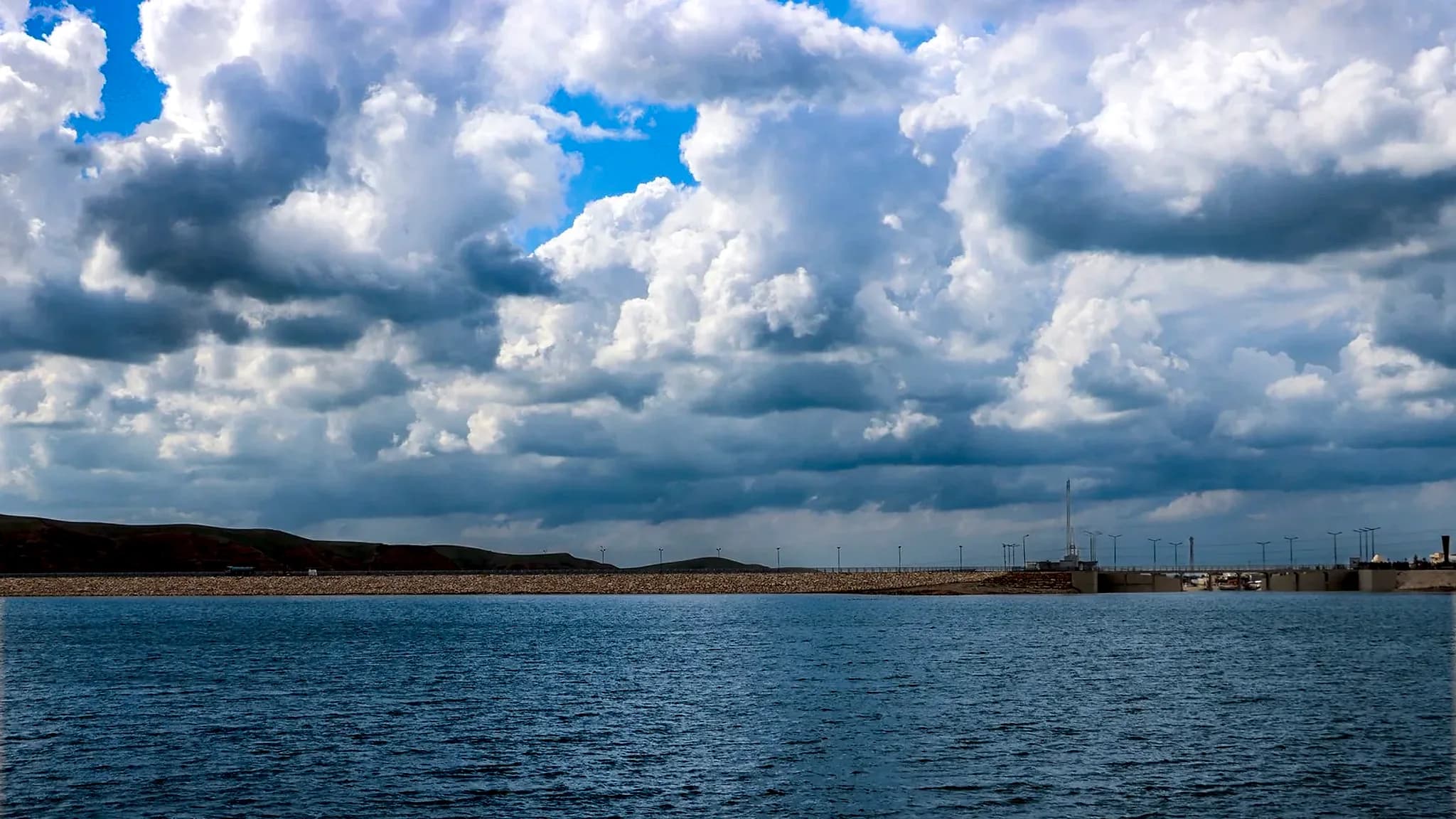
Dique Berta Vidal de Battini
Ambient photo: Mohammed hassan — via Pexels
En el sur puntano, por la zona de La Toma y la Estanzuela, el Dique Berta Vidal de Battini guarda sus aguas entre lomadas serranas y campo bajo. Es un embalse mixto y muy sembrado, donde el pejerrey se lleva los honores y lo escoltan la carpa, la tararira, la trucha arcoíris de las aguas frías y menores como el dientudo.
Al pejerrey se lo trabaja embarcado a la deriva o de costa, con líneas de brazoladas y mojarra, atento al pique fino que se activa con el agua fresca; la trucha arcoíris pide spinning y algún streamer en los veriles hondos. La carpa aguanta de fondo con masa o maíz en las orillas templadas, y en verano la tararira sale a cazar entre la vegetación con señuelos de superficie y acero en el bajo por los dientes. En términos generales, el pejerrey y la trucha rinden del otoño a la primavera, con la mañana como mejor ventana. Pesca serrana, de horizonte quebrado y agua quieta.
Pejerrey VEDADO del 7 de septiembre al 4 de diciembre de 2026 inclusive: acá la veda es TOTAL, ninguna modalidad, y puede extenderse según el desove. Fuera de la veda, hasta 10 pejerreyes por salida, talla mínima 25 cm, sólo de costa y murallón (no admite embarcado). La carpa sigue todo el año sin cupo, pero sólo en FlyCast o Carpfishing; mojarra, dientudo y bagre, sólo con devolución. Tararira cerrada del 2/9 al 14/12. Las desembocaduras están vedadas todo el año en 200 m a la redonda. Res. 395 DB-SAyDS-2025 art. 4; veda anunciada el 25/8/2026.
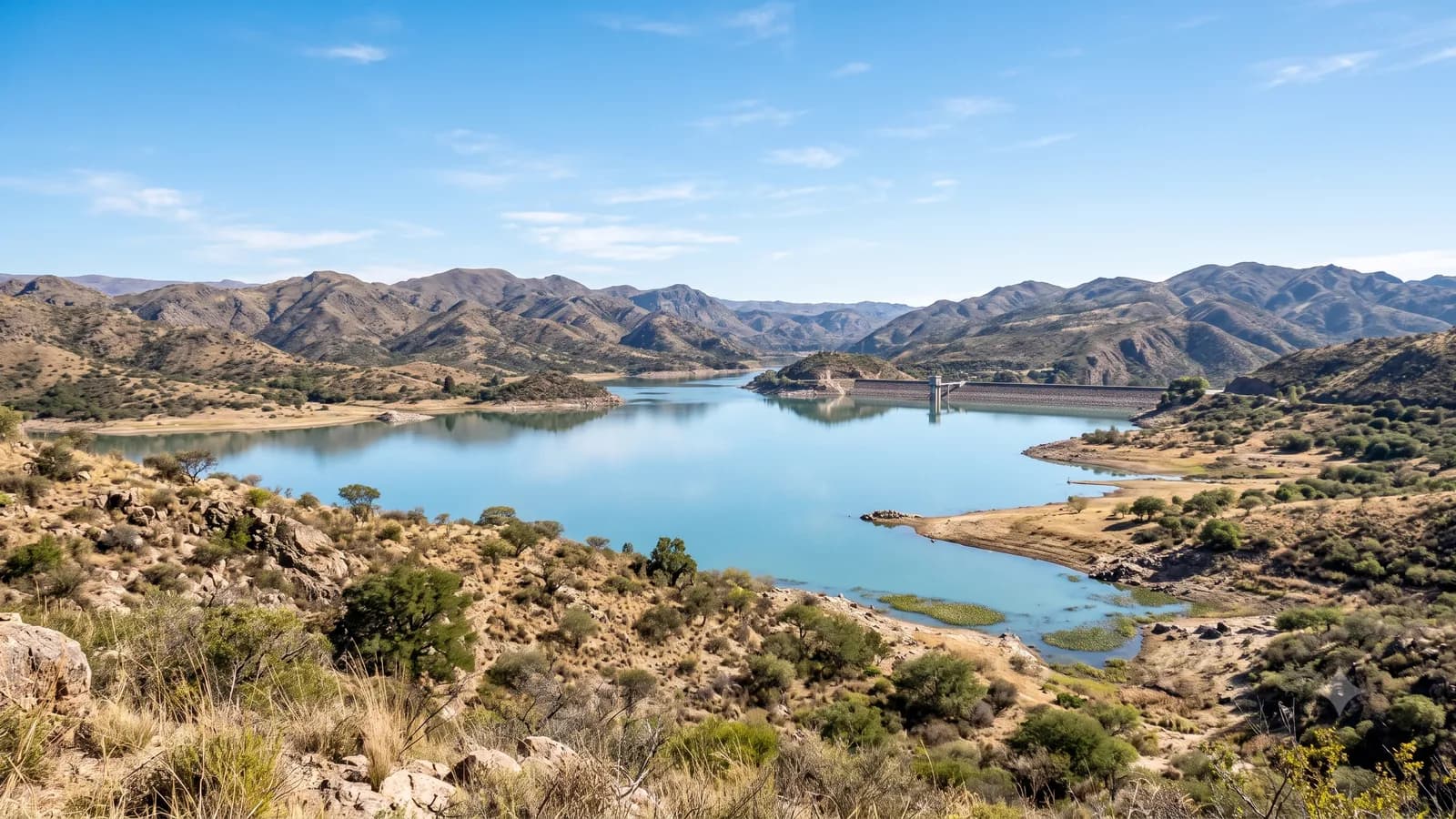
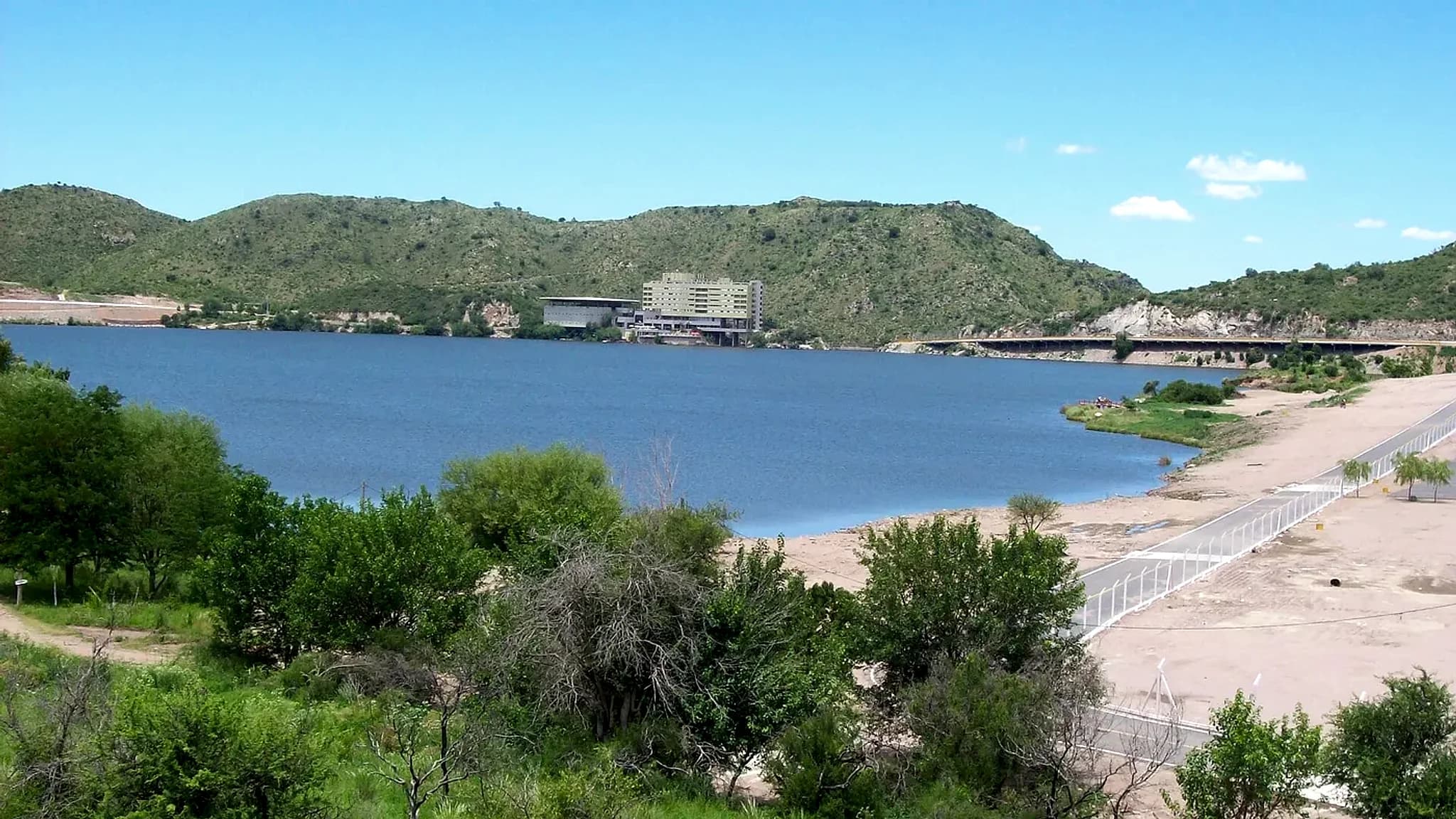
Frequently asked questions about Dique Berta Vidal de Battini
What can you catch at Dique Berta Vidal de Battini?
At Dique Berta Vidal de Battini (San Luis) you can catch Argentinian silverside (pejerrey), Trahira (tararira), Common carp, Rainbow trout, assorted river fish.
How do you get to Dique Berta Vidal de Battini?
Original text in Spanish: “Se llega por la zona de La Toma y la Estanzuela, en el sur puntano, por caminos rurales; conviene confirmar el estado del acceso y las bajadas localmente o en el club de pesca.”
Do I need a permit or license to fish at Dique Berta Vidal de Battini?
Original text in Spanish: “Rige el permiso de pesca de la provincia de San Luis, que se gestiona por el sistema provincial online o en comercios habilitados. Consultá cupos y medidas vigentes por especie antes de salir.”