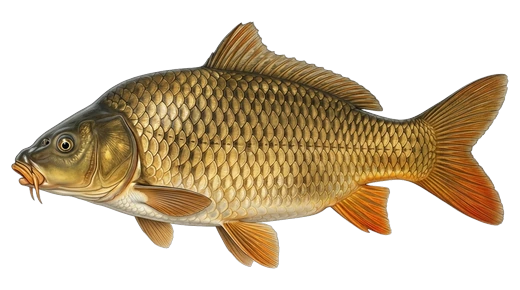
Common carp
A species introduced from Eurasia, hardy and large, now abundant in lagoons and reservoirs across the country.
Peak right now · 26 weeks leftWhere to fish
Guides for common carp
Season
- Off
- In season
- Peak
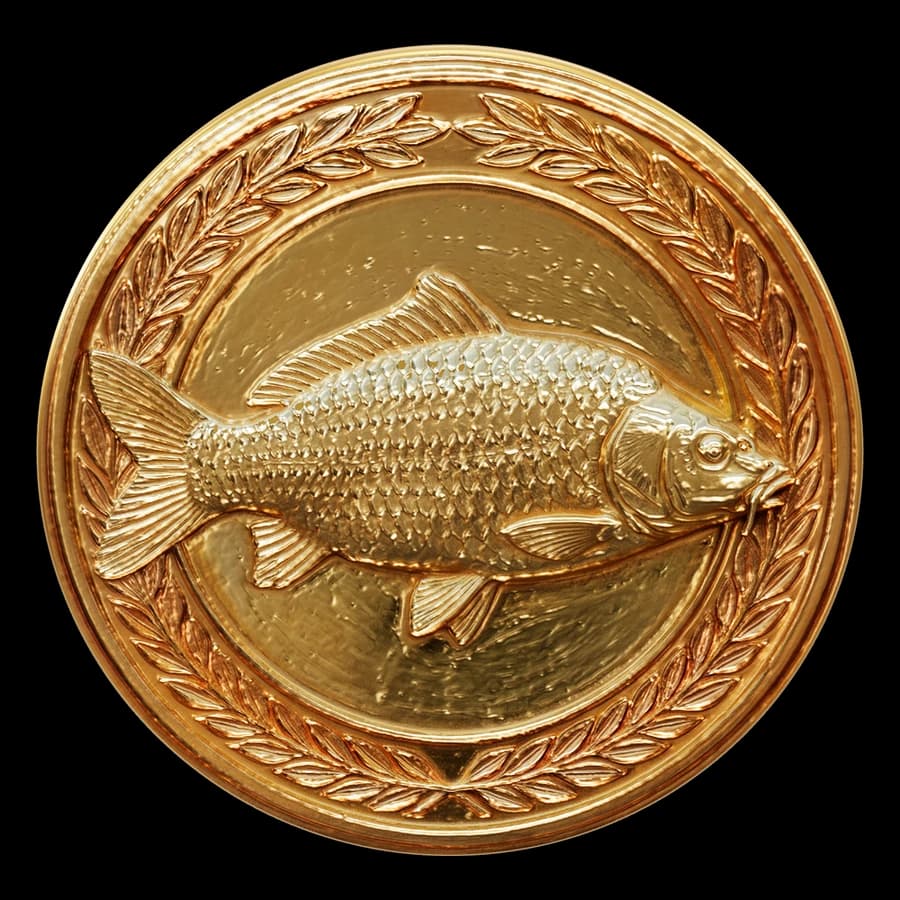
Tap it to see it in 3DClick it to see it in 3D
The golden armor
Every common carp you post with a photo counts toward your Pesquedex. Bronze comes with the first catch; silver and gold ask for a variety of spots and provinces.
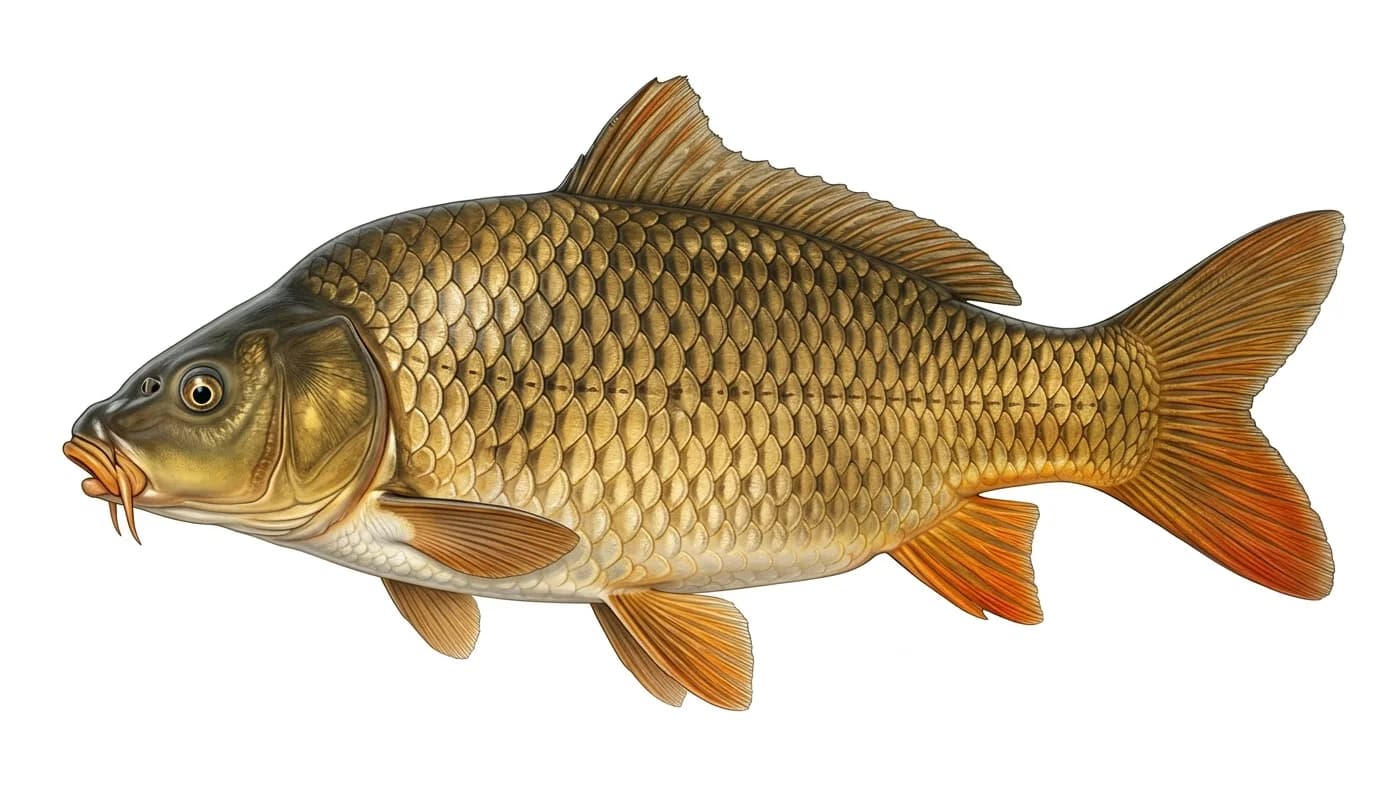
Recent Common carp catches
Nobody has posted a common carp report yet. Post yours with a photo: you get the catch card and the bronze medal.
Be the first →Habitat
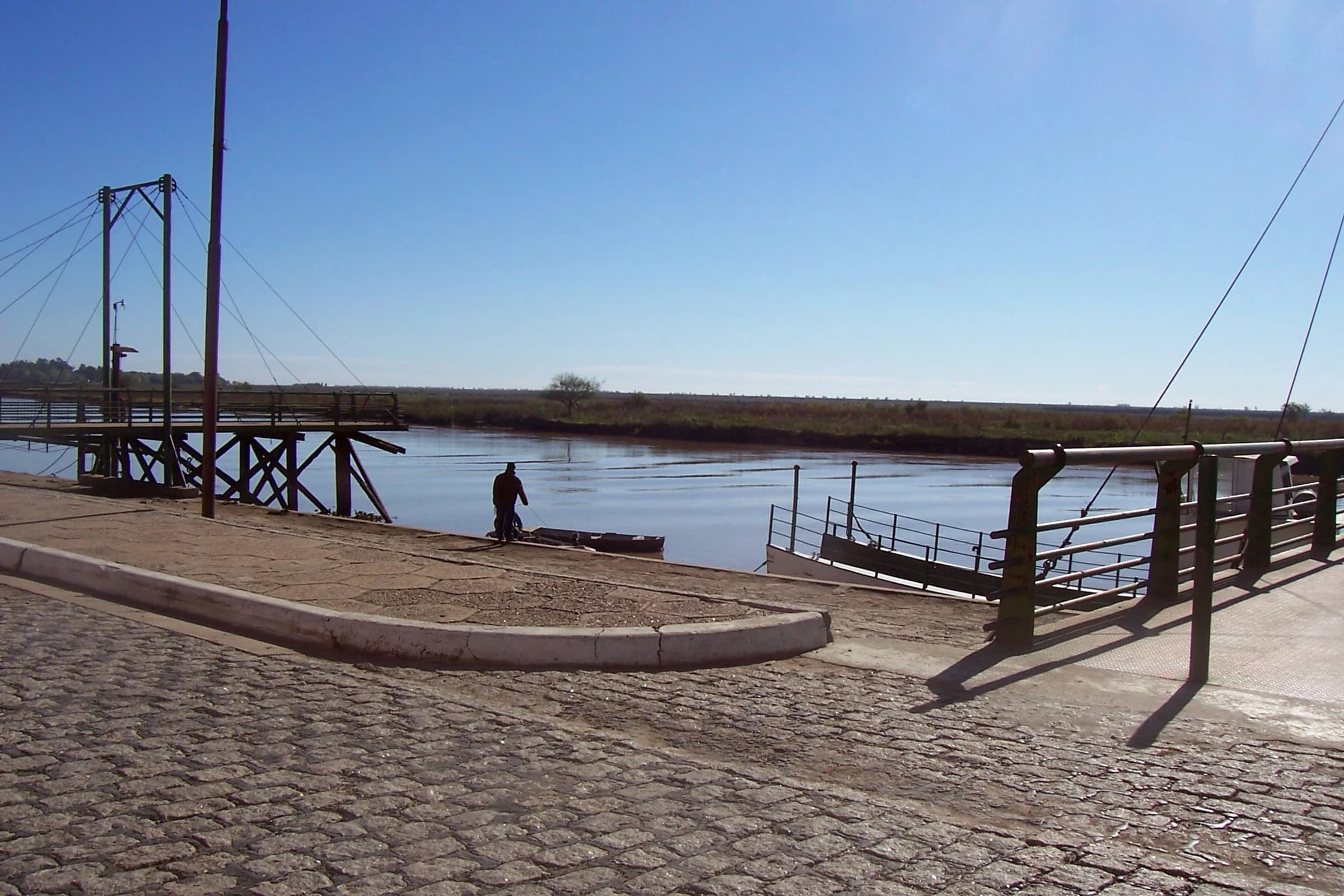
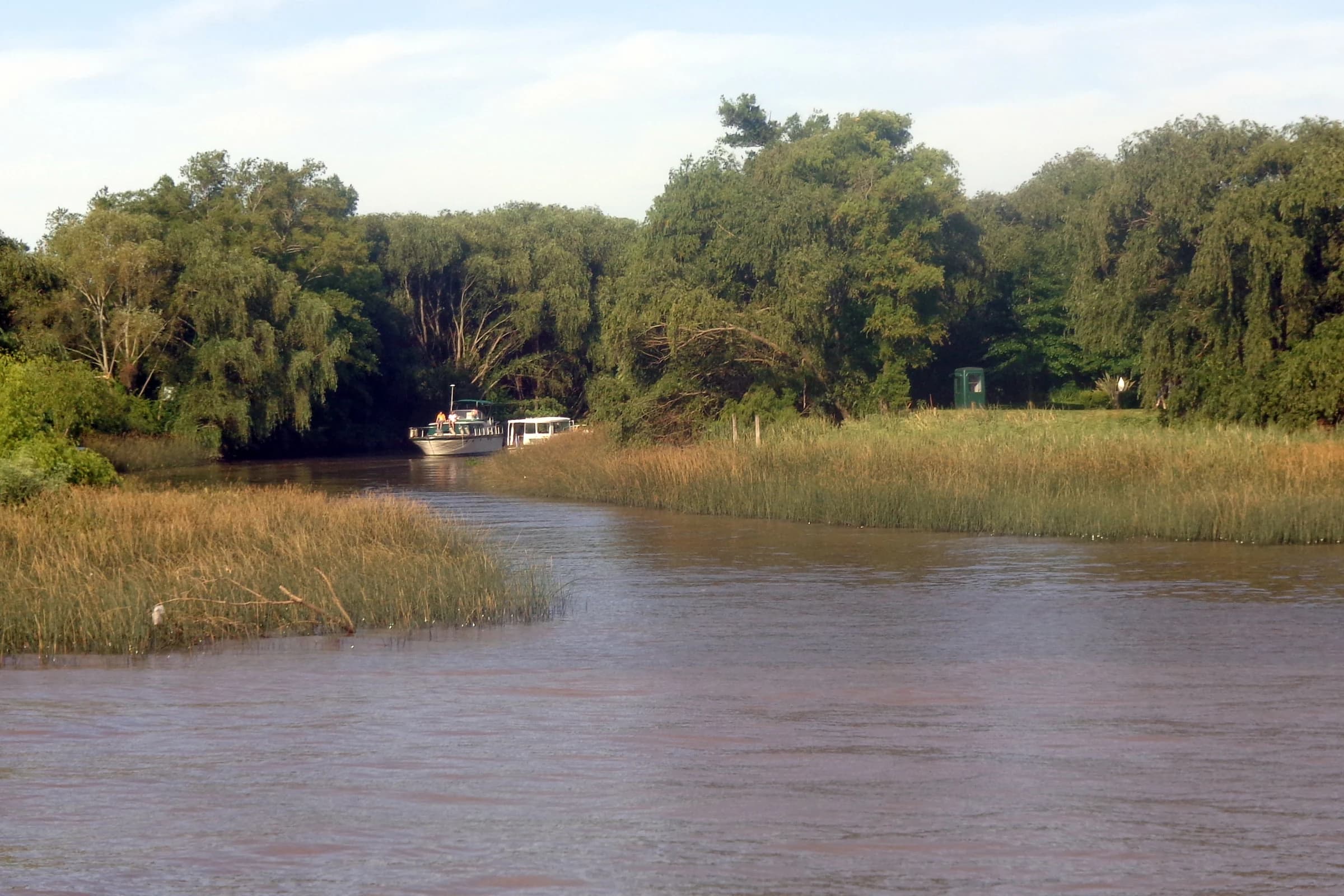
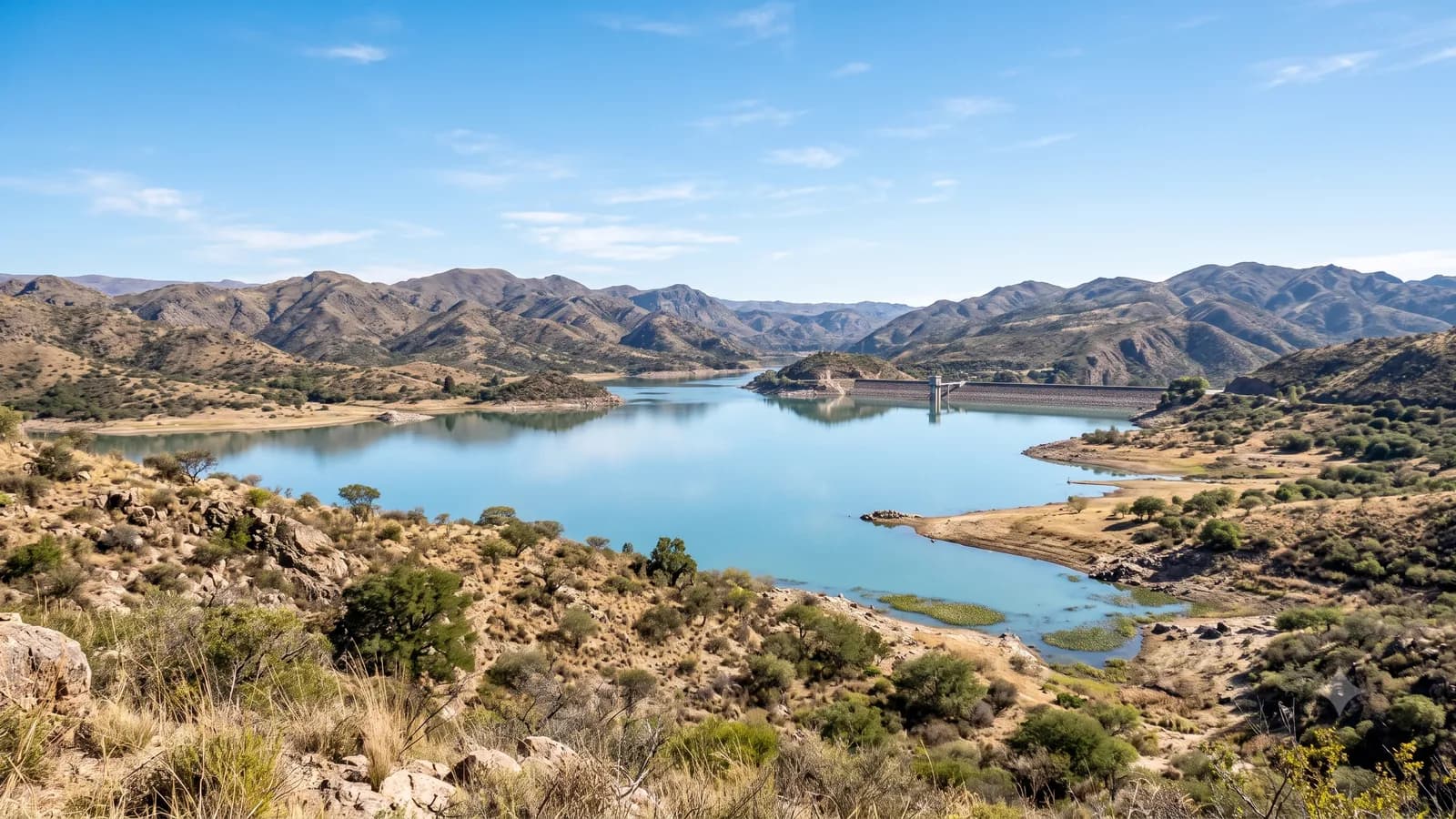
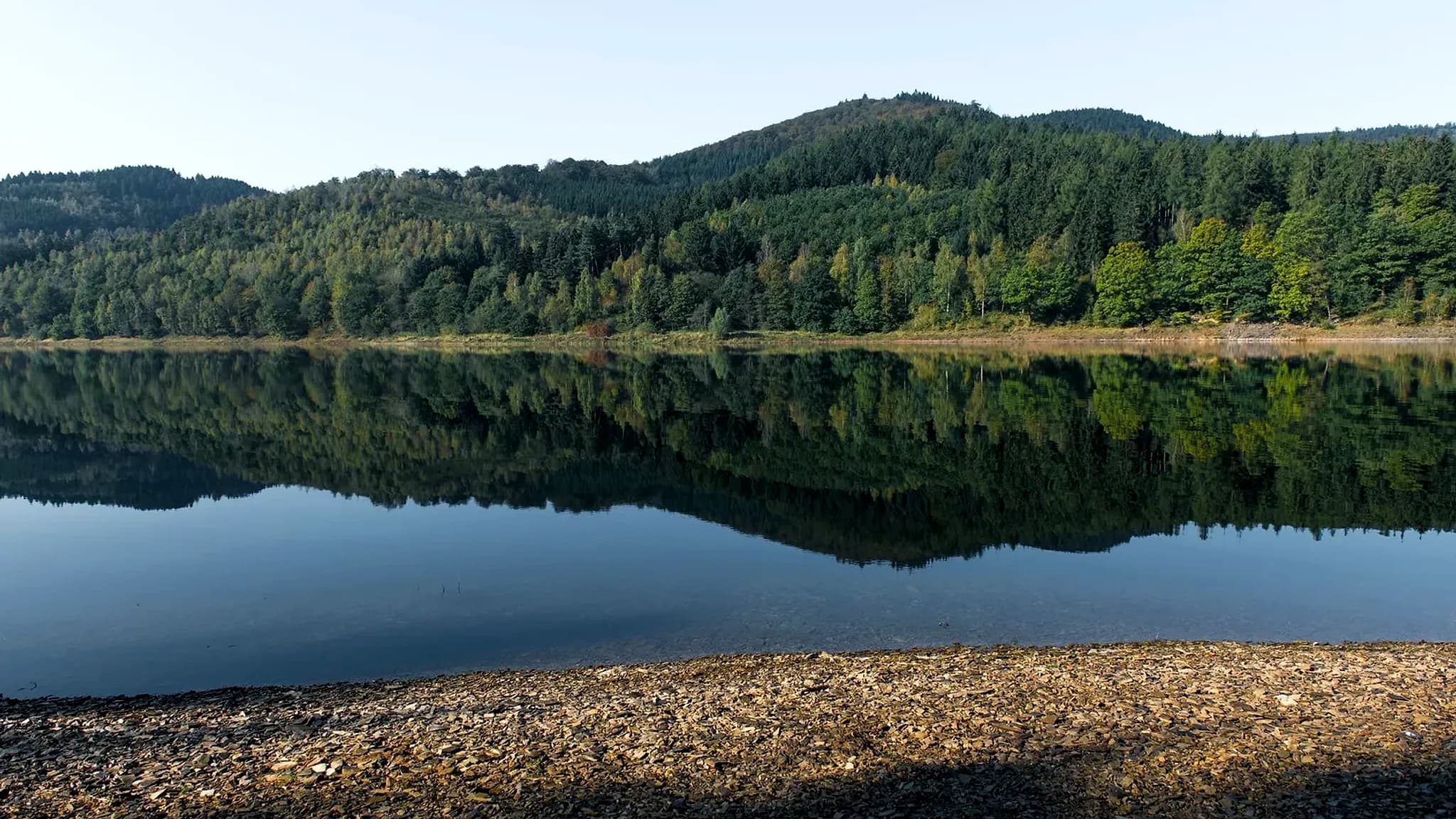
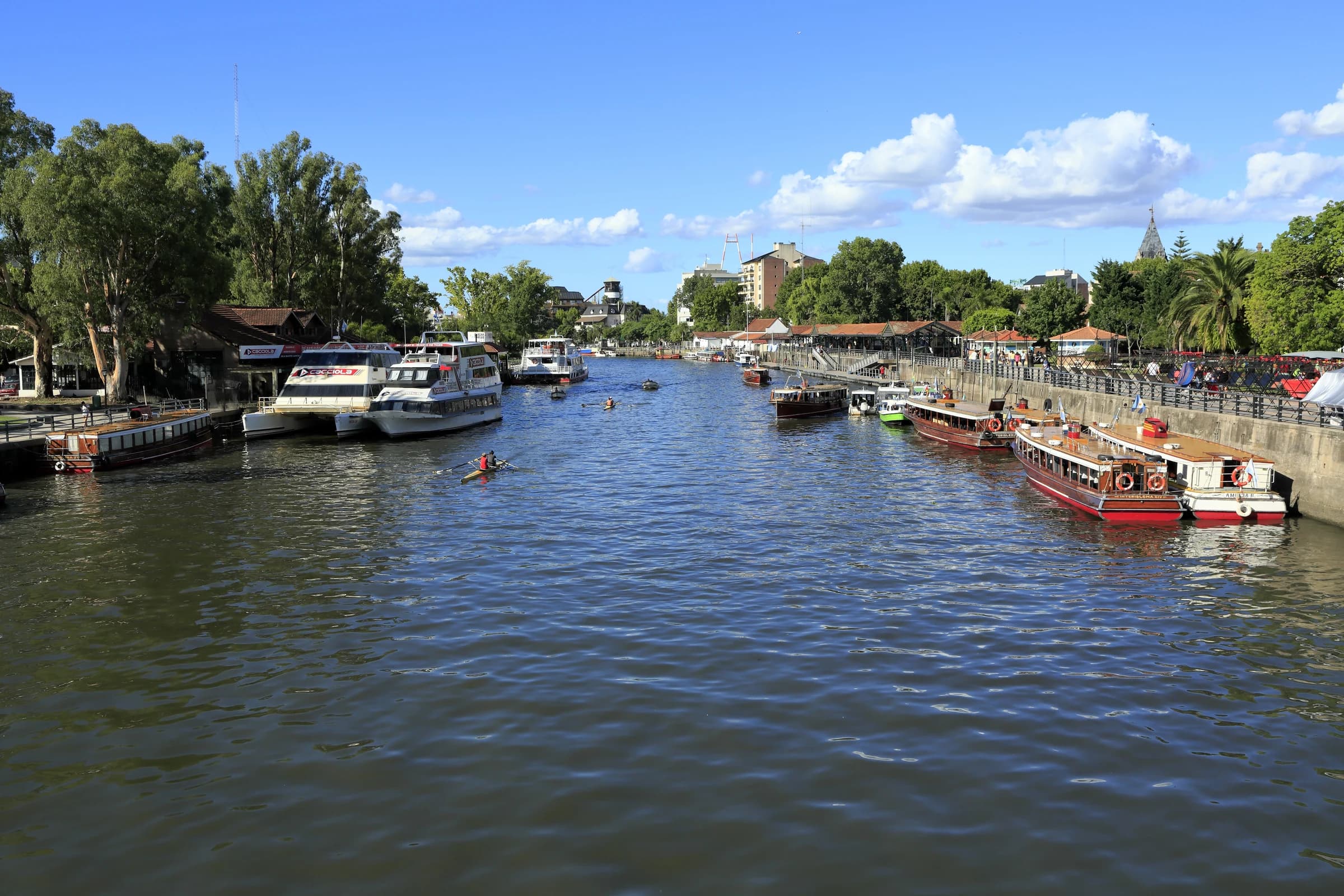
Lowland lagoons, channels and rivers; soft, muddy bottoms, temperate water.
Baits and lures
Boilies, corn, sweet dough, pellets and tiger nuts.
Recommended gear
Bottom fishing with boilies, corn or dough and a hair rig. Medium gear with rod pods and a bite alarm; it withstands long fights.
Fishing techniques
Carpfishing: boilies, method feeder y fondo con masa; cebado previo de la zona. Cañas de acción progresiva y freno suave.
Closed season & regulations
Closed seasons, minimum size and bag limits for common carp are set by each province and change every year. The current rule is on each spot's page: confirm it before heading out.
Shops & clubs in the area
Ready to chase common carp? Find guides who target this species and message them.
Plan your trip hereDo you guide common carp trips? Join for free and show up here →
Frequently asked questions about common carp
Can you fish for Common carp right now, in October?
Yes, and it is the best moment: October is the peak for common carp (oct–mar). Before heading out, check the fishing rule for the spot: closed seasons are set by each province.
What's the best time to fish Common carp?
The best time for common carp is oct–mar. Check each place's page for the bite calendar and to respect current closed seasons.
Where can you fish Common carp in Argentina?
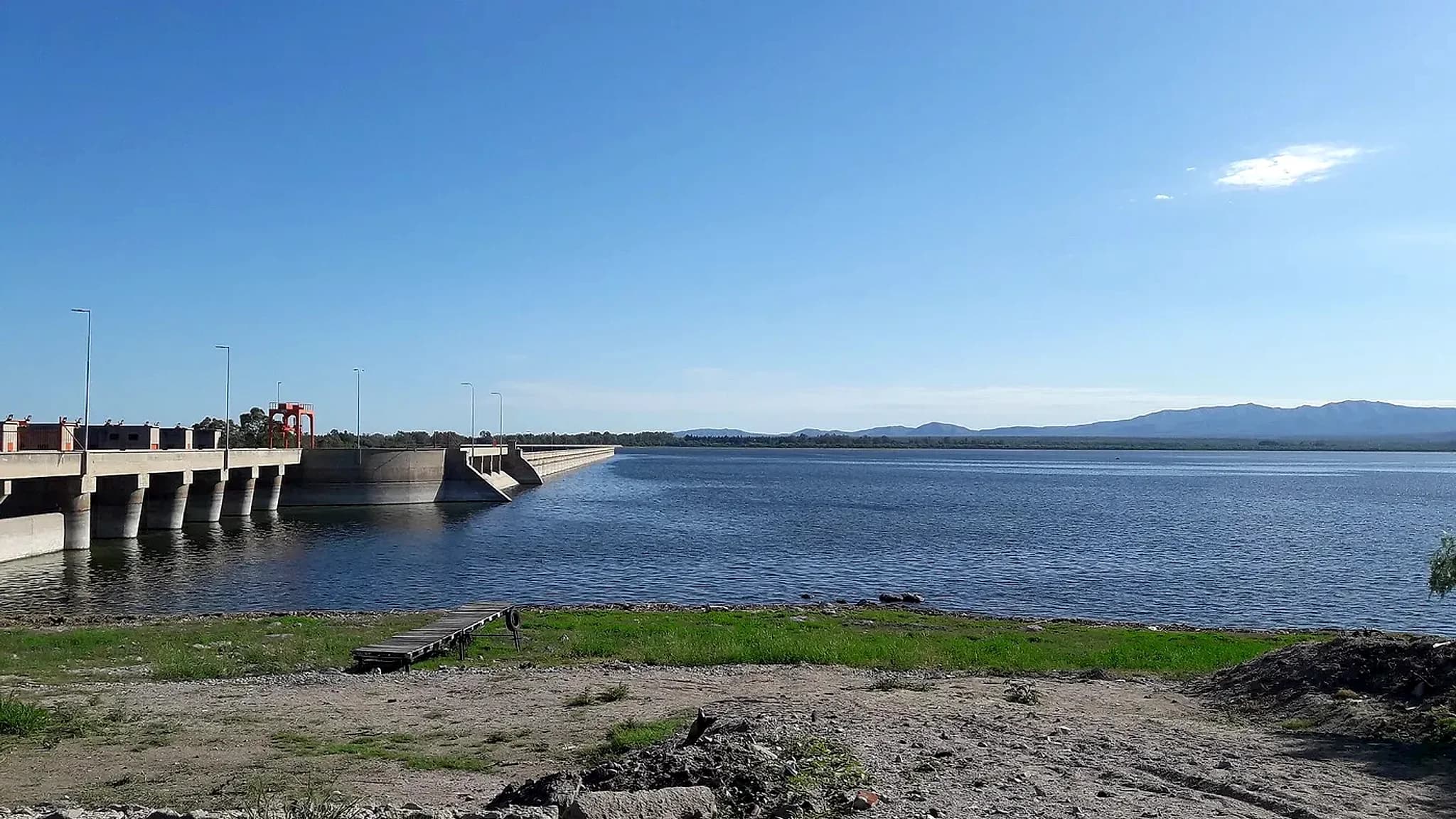
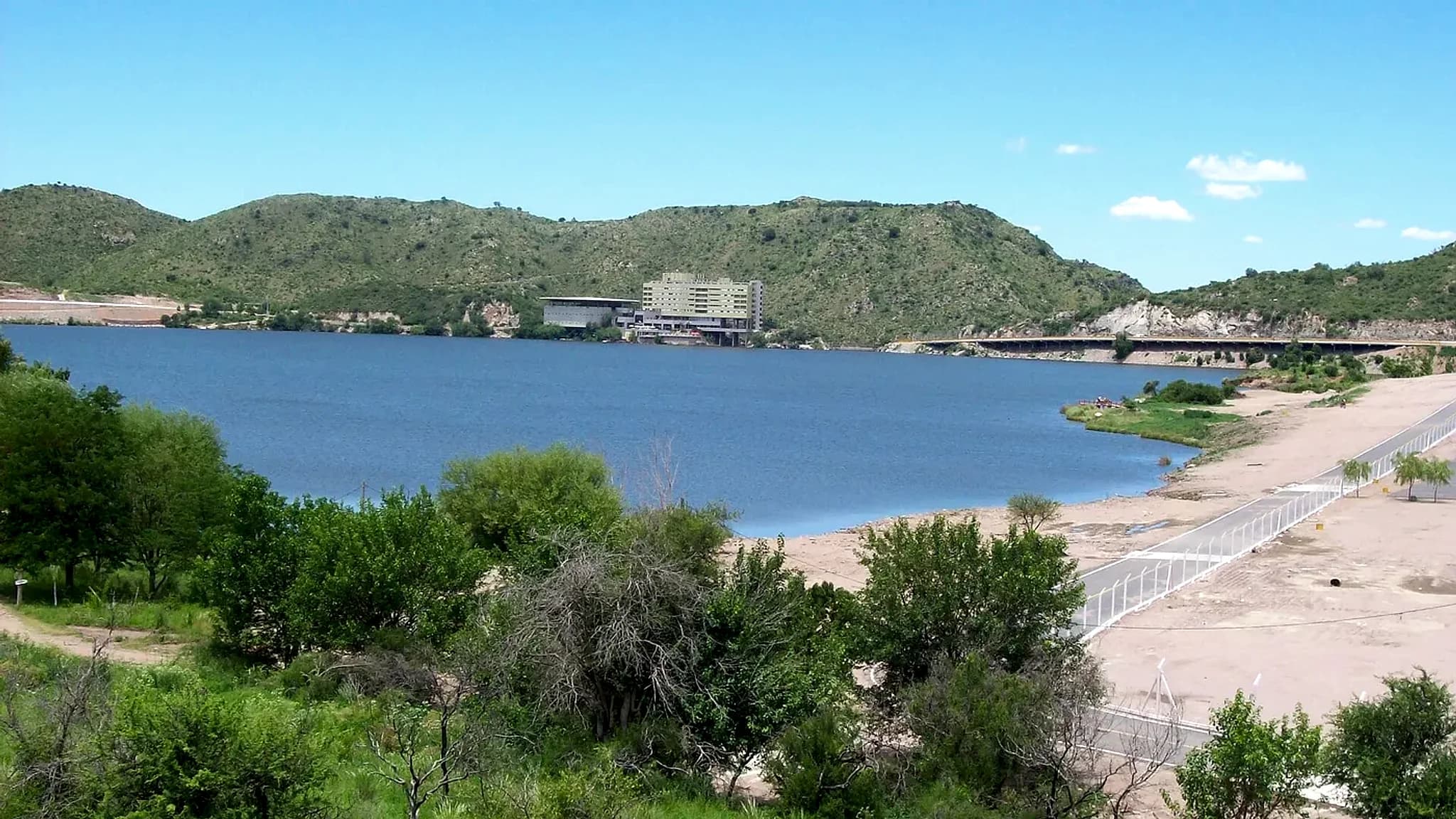
Some of the best places to fish common carp are Embalse de Río Tercero, Lago San Roque, Dique Cruz del Eje, Dique de Ullum. On PESQA you get the map, access info, seasons and verified guides for each one.