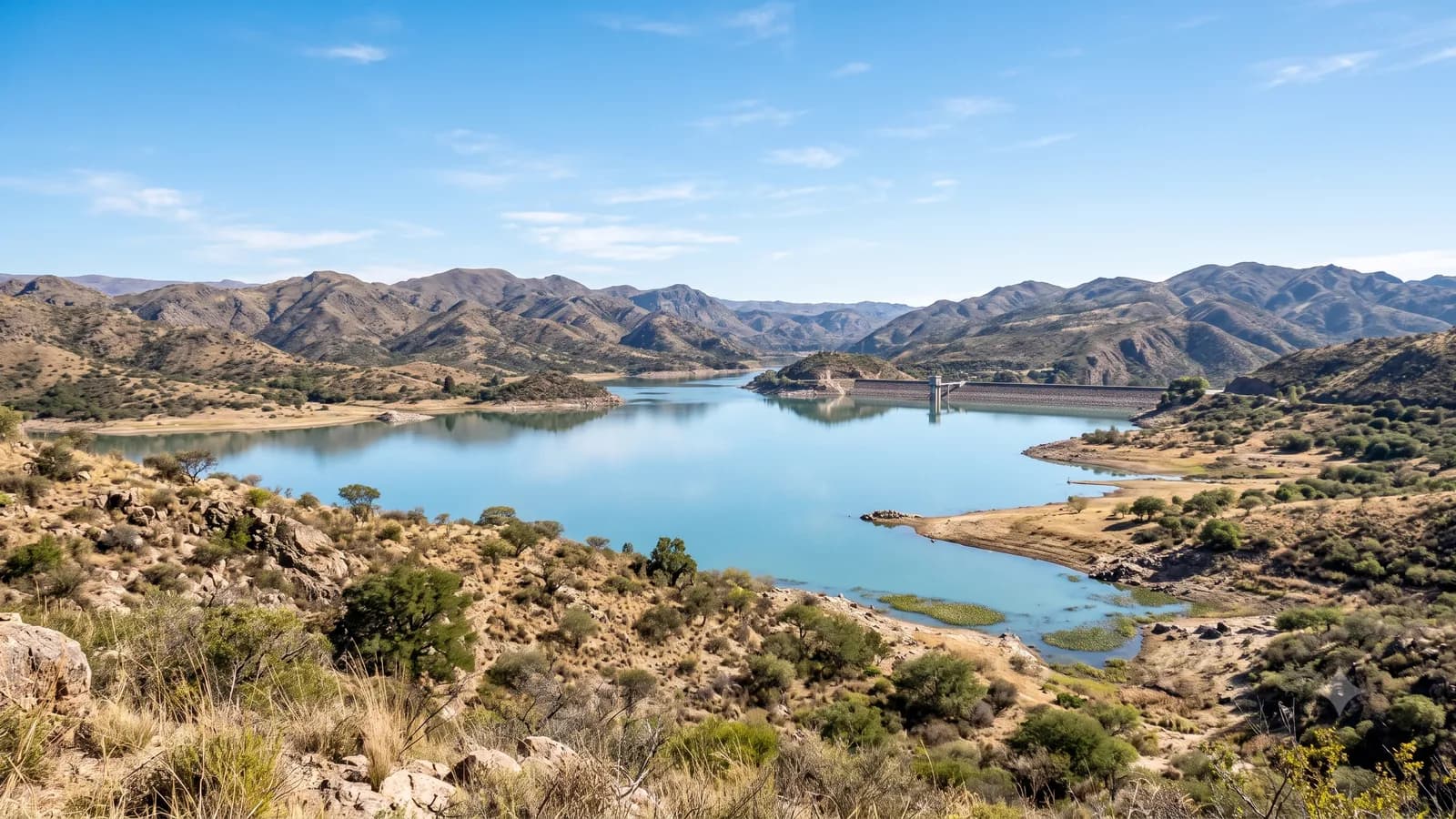
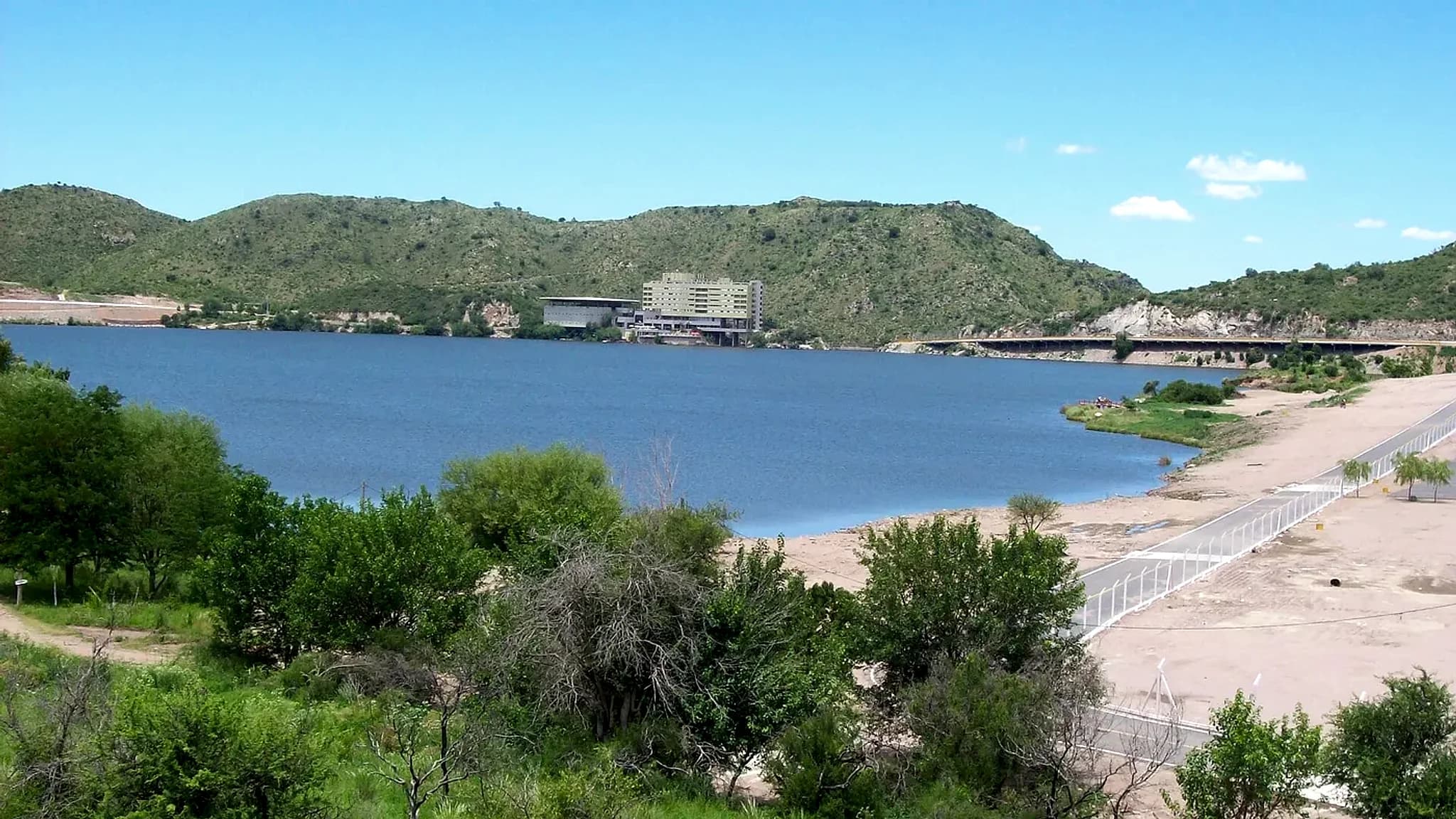
Rige el Calendario Íctico 2026 de San Luis, aprobado por la Resolución N° 395 DB-SAyDS-2025 de la Secretaría de Ambiente y Desarrollo Sustentable, con vigencia del 1 de enero al 31 de diciembre de 2026. REGLA GENERAL: se autoriza para todas las especies y modalidades el empleo de dos cañas por pescador con aparejo y un máximo de dos anzuelos, salvo especificaciones por especie o modalidad, y no se permite ningún otro arte de pesca salvo autorización específica de la autoridad competente. PEJERREY (Odontesthes bonariensis): cupo de hasta 10 piezas por pescador y por salida en el Dique La Estrechura; en todos los casos el tamaño de los ejemplares capturados debe ser igual o superior a los 25 centímetros; si se usan señuelos artificiales no pueden llevar más de dos anzuelos y deben ser sin rebaba, y en FlyCast se permite mosca sin rebaba. MODALIDADES: el calendario clasifica los diques en dos listas; la de COSTA, MURALLÓN Y EMBARCADO reúne a Paso de las Carretas, La Huertita, La Florida, San Felipe y Potrero de los Funes, y la de COSTA Y MURALLÓN reúne a Antonio Esteban Agüero, Las Palmeras, Villa Mercedes, Cruz de Piedra, Saladillo, LA ESTRECHURA, Nogolí, Luján, Los Manantiales, Berta Vidal de Battini, Boca de Río y Chico. En este dique la modalidad embarcada no está entre las habilitadas. VEDA DEL PEJERREY SIN FECHA: el calendario establece que el período de veda del pejerrey será determinado por la Autoridad de Aplicación en función de estudios realizados sobre la época de reproducción y el estado de maduración de los peces, y que de acuerdo a los resultados obtenidos se podrá adecuar la fecha de veda y habilitar para algunos espejos modalidades o zonas de pesca que no perjudiquen el desove. No hay fechas publicadas: ni pesca abierta todo el año por defecto ni veda fija. TRUCHA ARCO IRIS (Oncorhynchus mykiss): habilitada del 1 de enero al 31 de mayo de 2026 y del 1 de octubre al 31 de diciembre de 2026, pudiendo la Autoridad de Aplicación establecer vedas complementarias; sólo en las modalidades Spinning (cucharita o señuelo de una sola punta sin rebaba) y FlyCast (mosca sin rebaba), quedando prohibida la pesca de trucha con carnada; en ríos y arroyos de la provincia, devolución obligatoria; en diques se permite la captura de un ejemplar de hasta 35 centímetros, SALVO en La Estrechura, donde el texto dice que no se podrá sacrificar ninguna pieza. CARPAS (Cyprinus carpio y Ctenopharyngodon idella): habilitadas todo el año, en todos los ambientes de la provincia, sin límite de talla y sin límite por pescador y por salida, en las modalidades FlyCast y Carpfishing, con dos cañas y aparejo de hasta dos anzuelos. MOJARRAS, DIENTUDOS y BAGRES: habilitados sólo en la modalidad pesca con devolución, en todos los ambientes de la provincia; dos cañas y hasta dos anzuelos; no se permite su extracción con redes ni copos. TARARIRA: habilitada del 1 de enero al 1 de septiembre de 2026 y del 15 de diciembre al 31 de diciembre de 2026, sólo con FlyCast o pesca con mosca y con señuelos artificiales, quedando prohibida la pesca con carnada viva o muerta. DESEMBOCADURAS: las desembocaduras de entrada de agua a los diques actúan como áreas protegidas de desove y quedan vedadas de manera permanente. AMBIENTES VEDADOS DE LA PROVINCIA: queda permanentemente vedada la pesca de todas las especies ícticas en el Dique Piscu Yaco, el Dique San Pedro y el Dique Vulpiani. PERMISO: hay que solicitar el carnet de pesca que otorga la provincia, por la página oficial de la Secretaría de Ambiente y Desarrollo Sustentable. Todas las cifras de este párrafo están verificadas contra la transcripción del calendario publicada por la Agencia de Noticias San Luis, agencia oficial del gobierno provincial, y corroboradas en una segunda transcripción independiente.