Argentinian silverside (pejerrey)
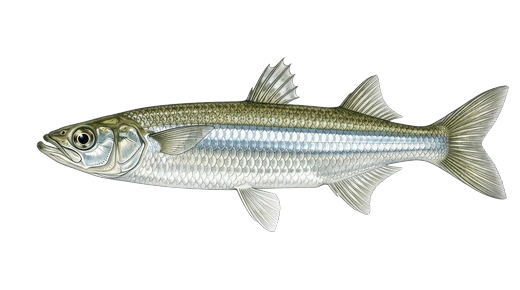
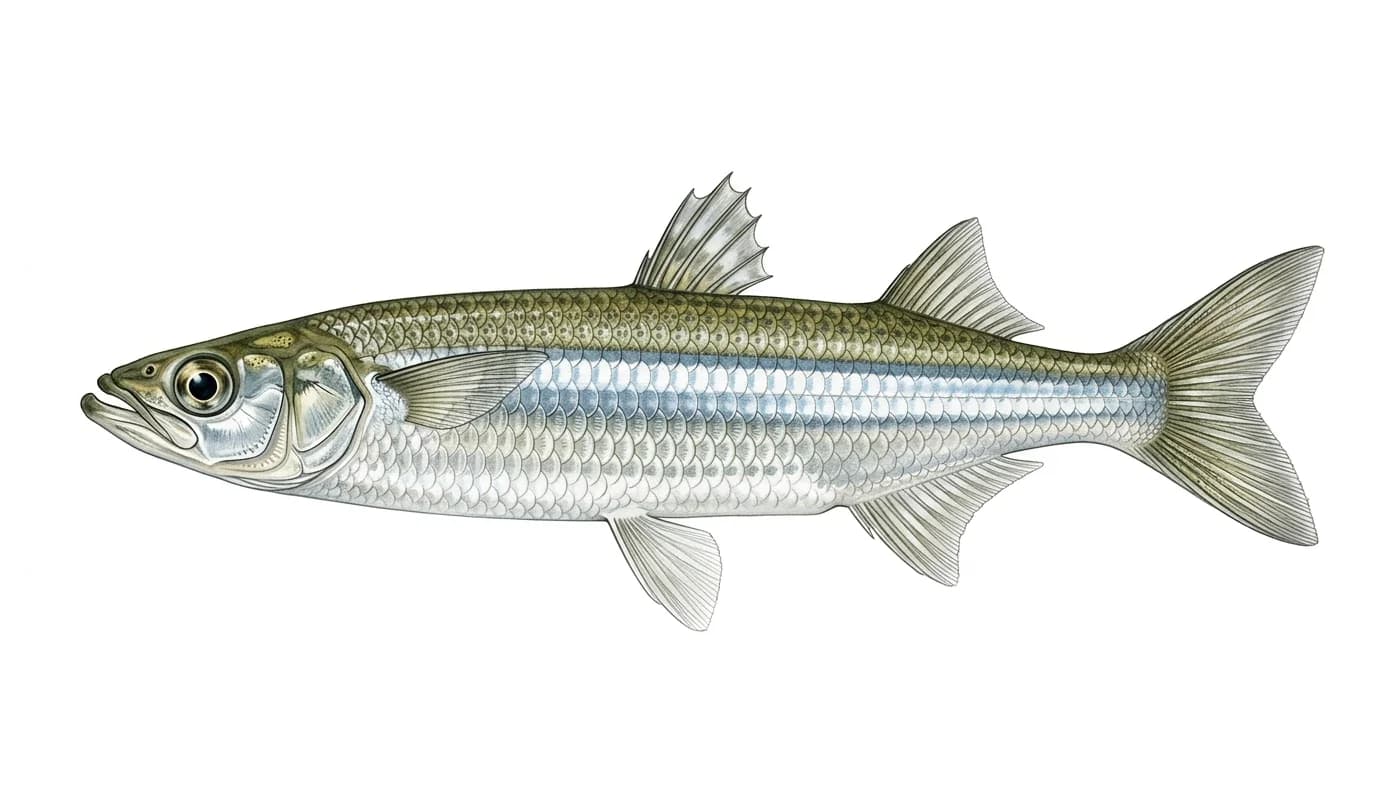
The Pejerrey, also known as Argentine silverside, is a freshwater fish native to the Río de la Plata basin.
Out of season · starts in AprilWhere to fish


Season
- Off
- In season
Tap it to see it in 3DClick it to see it in 3D
The silver arrow
Every argentinian silverside (pejerrey) you post with a photo counts toward your Pesquedex. Bronze comes with the first catch; silver and gold ask for a variety of spots and provinces.
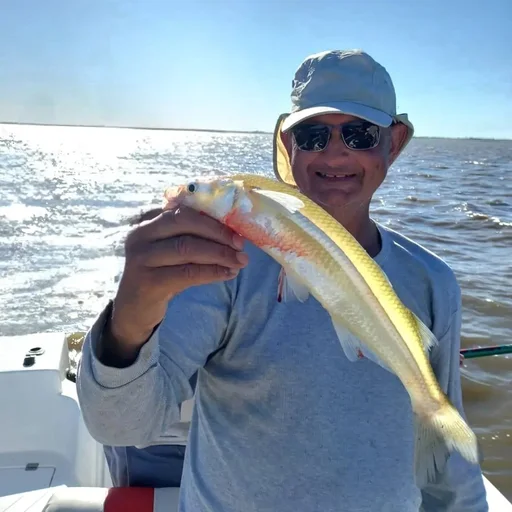
Recent Argentinian silverside (pejerrey) catches
Nobody has posted a argentinian silverside (pejerrey) report yet. Post yours with a photo: you get the catch card and the bronze medal.
Be the first →Habitat
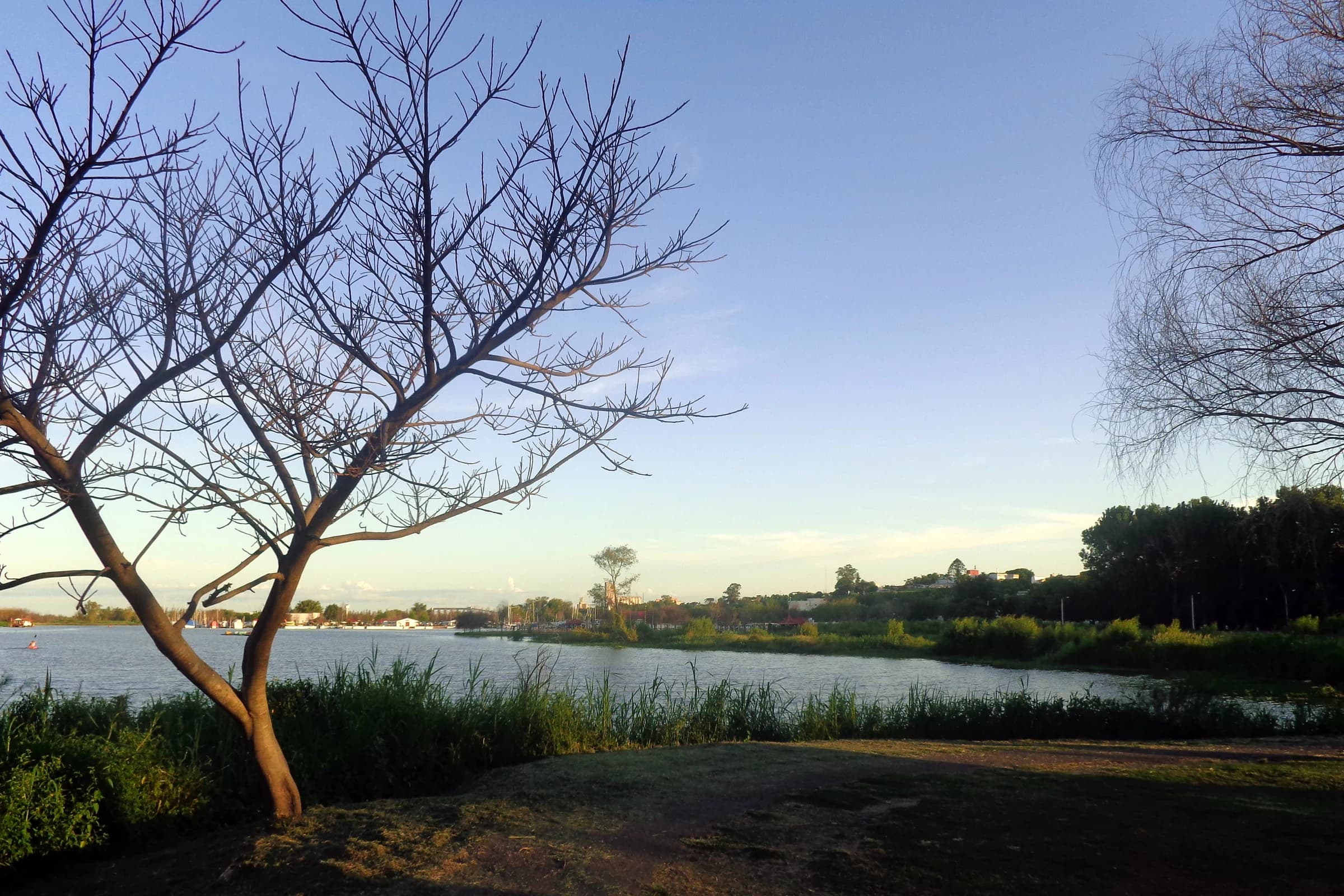
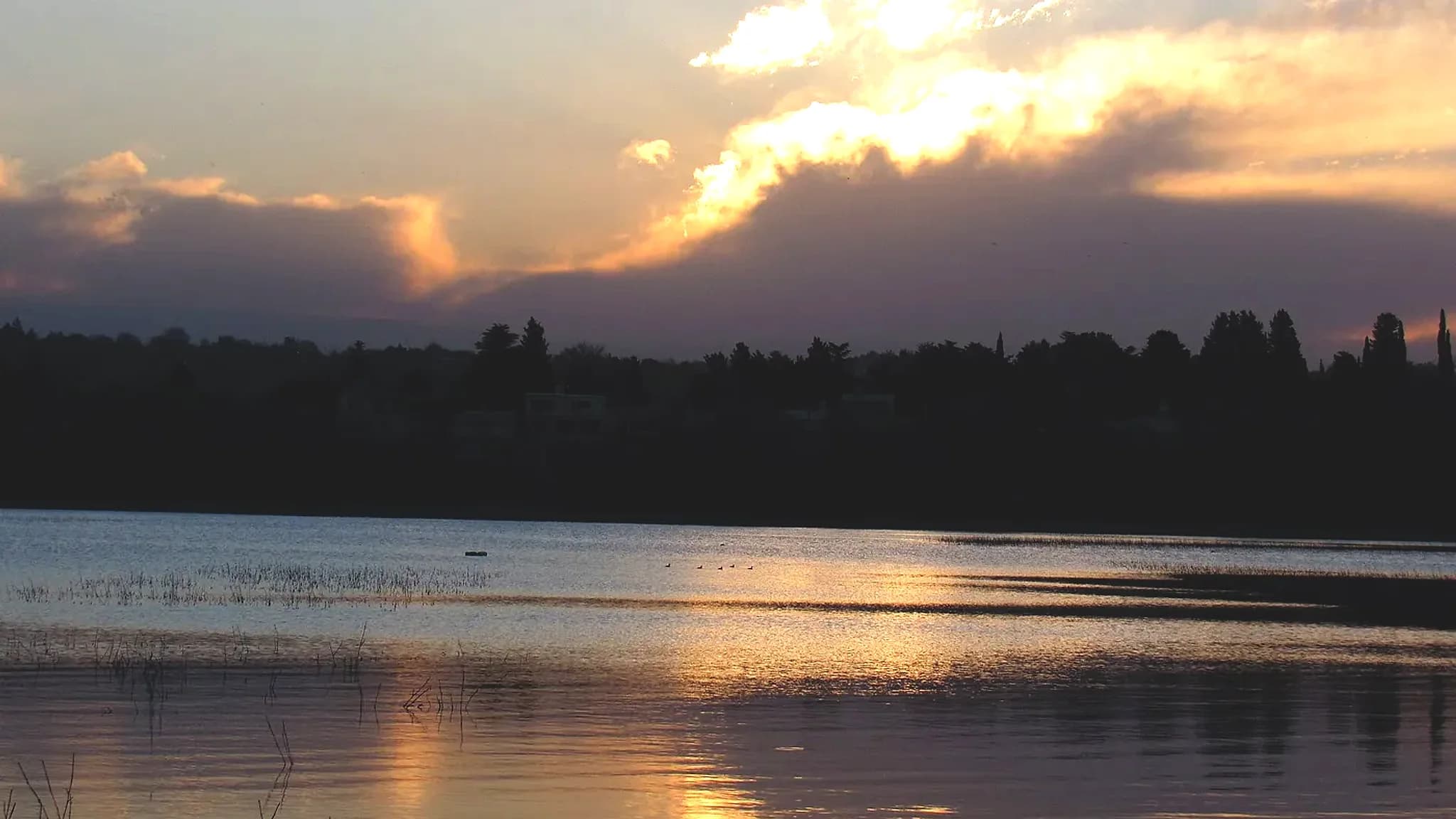
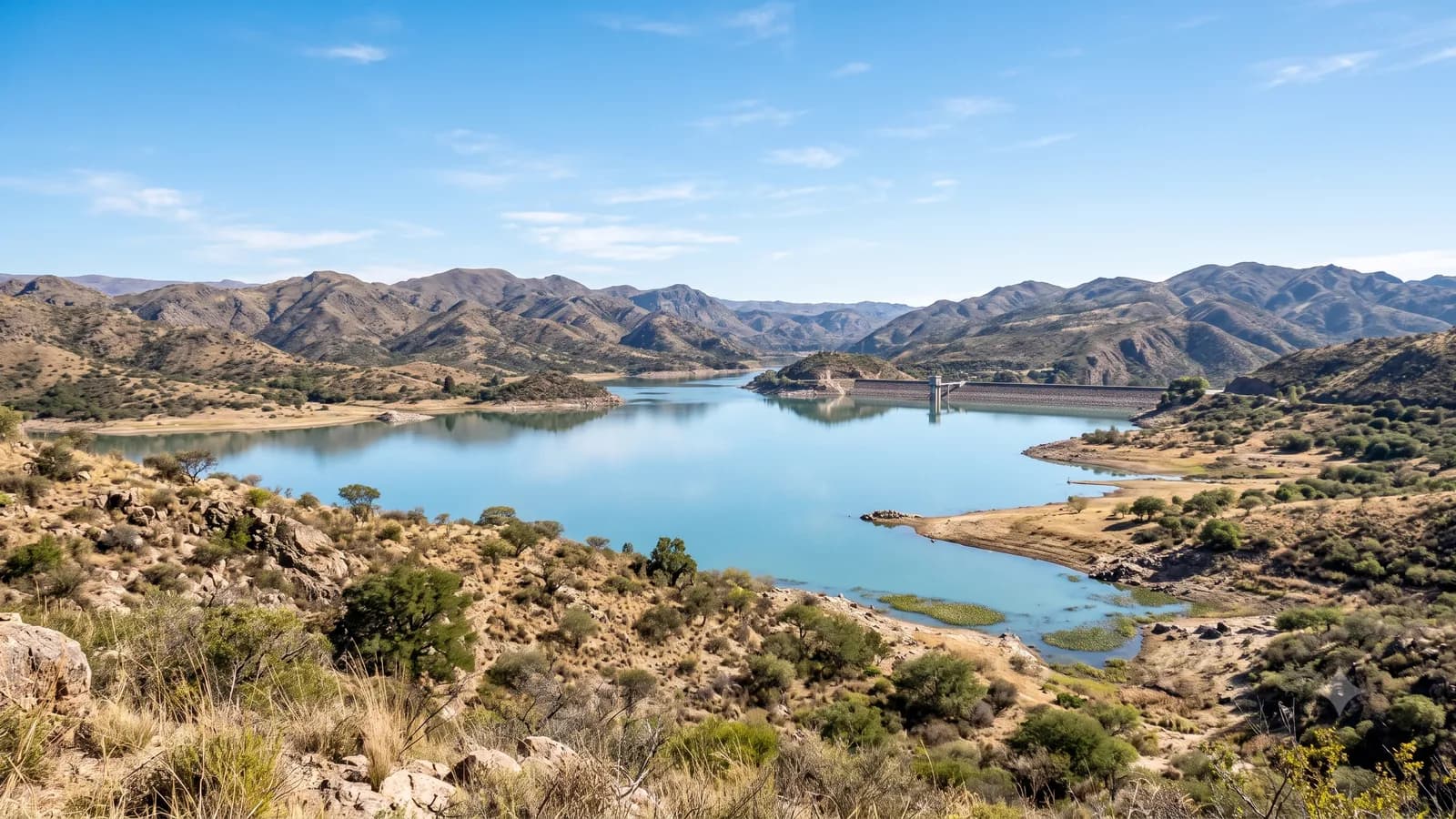
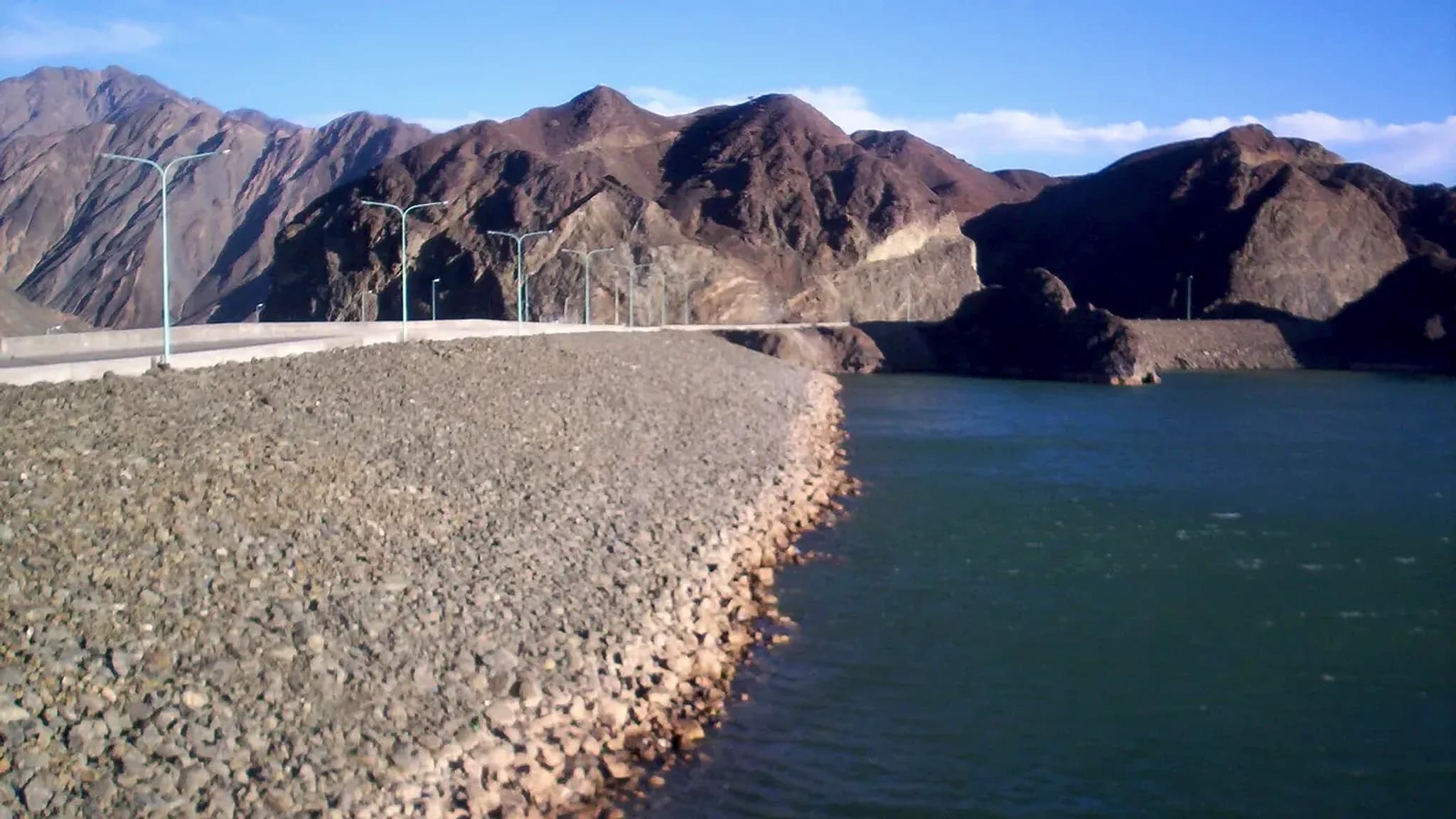
The Pejerrey inhabits temperate and cold fresh waters, with a special preference for the Pampas lagoons of Buenos Aires province, the true heart of its range. It is also found in reservoirs and dams of the country's central region, in slow-flowing stretches of rivers and in numerous bodies of water where it was introduced with good results throughout southern and western Argentina. It prefers relatively clear, well-oxygenated water of cool temperature, which is why it is most active during autumn and winter.
It is a schooling fish that moves through the water column, so it is not always on the bottom nor always up top: it may hold "mid-water," near the surface or hugging the bottom depending on the time of day, the temperature and the atmospheric pressure. The shoals seek out structure and food, so it pays to target changes in depth, the edges of reed beds, channels, shallows, river mouths and areas where the wind pushes food against a shoreline. In lagoons, the "points" of floating vegetation and the strips of aquatic plants concentrate activity.
The golden season is the cold months —from April to September—, when the silverside is most active and grouped up, and when the biggest-numbers days occur. In those months wind and cool mornings tend to improve the bite. Finding the exact depth at which the school is feeding that day is what separates a poor outing from an excellent one.
Baits and lures
The pejerrey is classically fished with natural bait, and in Argentina there are well-proven options:
- Live or whole mojarra (baitfish): the reigning bait in many lagoons and rivers; its flash and movement are irresistible to the school.
- Fillet or strips of mojarra / pejerrey: when live bait is unavailable, strips baited on the hook work very well and hold up to more casts.
- Worm and grubs (caterpillars/larvae): seasonal alternatives, especially useful when the fish are fussy.
- Shrimp or small crustaceans where available, since they are a natural part of its diet.
Presentation matters as much as the bait: the hook must be baited neatly, keeping the natural bait well secured, and the size of the mouthful should be matched to the size of the fish's mouth (the pejerrey has a small mouth and bites "little by little").
As for artificial lures, the pejerrey also responds to spinning with micro-lures: small spoons, microjigs, baitfish imitations and small flies. In fly fishing, imitations of fry and small silver streamers give good results when the school is active near the surface. The rule is to imitate the small and shiny: the pejerrey eats small prey.
Recommended gear
The pejerrey is a medium-sized fish with a delicate mouth, so the tackle leans to the fine and sensitive side. A recommended setup:
- Rod: light action (light / ultralight), from 1.80 to 3.00 m depending on the method. For float fishing from shore a longer rod helps to cast and to register the bite; for spinning with micro-lures, a short, sensitive fast-action rod. A soft tip is key to cushioning the fragile mouth.
- Reel: small spinning reel (size 1000 to 2500) or a light baitcaster, with a smooth, well-adjusted drag. The smoothness of the drag prevents the mouth from tearing during the fight.
- Main line: fine nylon of 0.20 to 0.25 mm, or light braid (4 to 8 lb) for spinning, which gives maximum sensitivity to detect the subtle bite.
- Leader: nylon or fluorocarbon finer than the main line, 0.18 to 0.22 mm. Fluorocarbon is less visible underwater and helps in clear water.
- Hooks: small and of good quality, matched to the pejerrey's reduced mouth; staggered on the line to gauge depths.
- Accessories: fine, sensitive floats or corks, light sinkers to regulate depth, and a soft mesh net if you are going to release fish, to handle them with the least possible harm.
The philosophy of the tackle is simple: the finer and more sensitive it is, the more bites you will detect and the more you will enjoy the fight of this silver fish.
Fishing techniques
The pejerrey is fished with fine tackle and a lot of sensitivity, because it is a soft-biting fish that "tests" the bait. These are the most common methods in Argentina:
Float fishing (bobber) from shore or boat. This is the classic lagoon method. You use a rig with a fine float or "cork" that registers the slightest bite, with one or several hooks staggered to gauge at what depth the school is feeding that day. Step by step:
- Rig a line with a sliding float and several small hooks at different heights.
- Set the starting depth at mid-water and keep adjusting until you find where they bite.
- Bait with well-presented natural bait.
- At the slightest movement of the float, set the hook with a short, firm motion (not abrupt: the mouth is delicate and can tear).
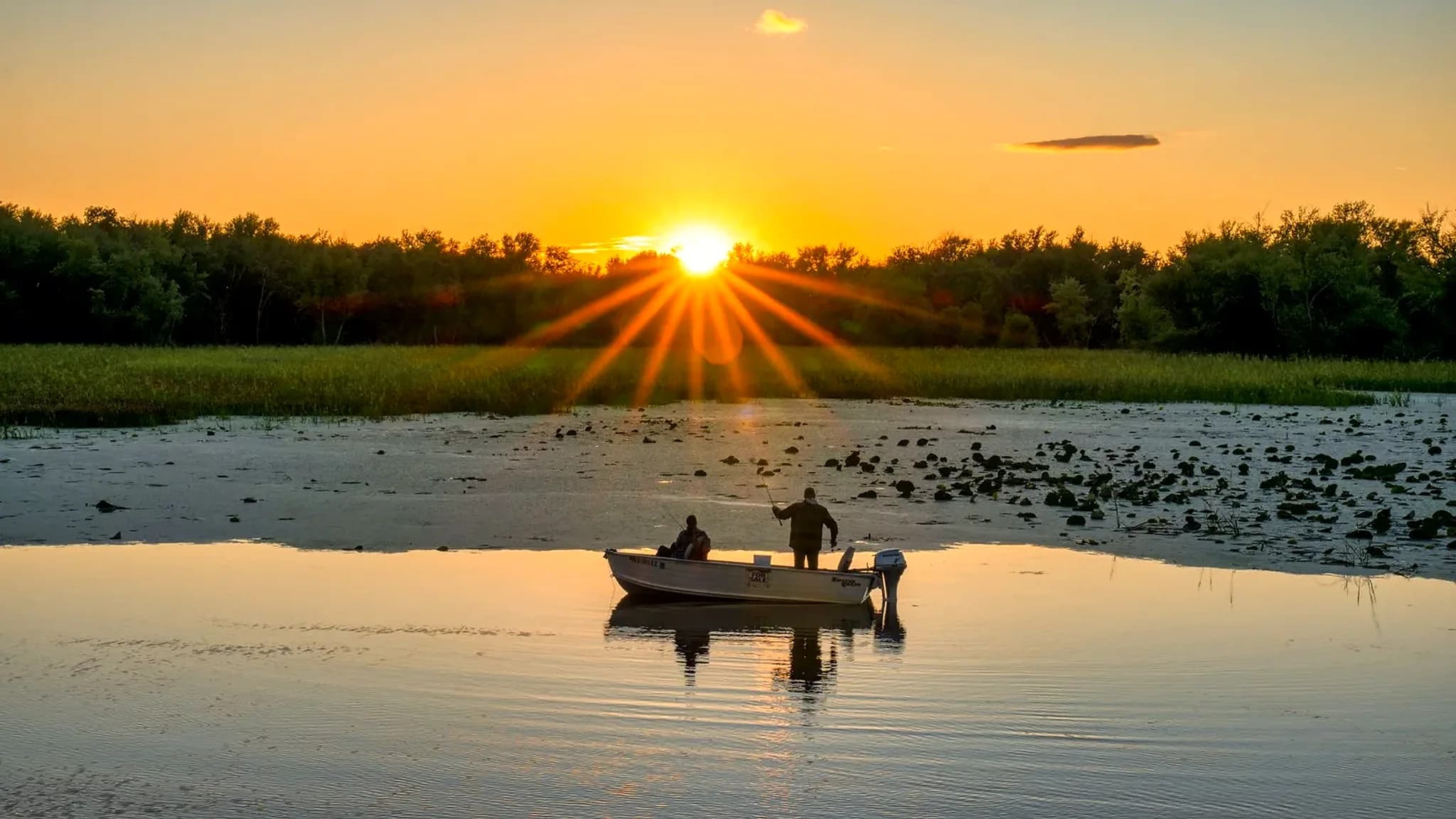
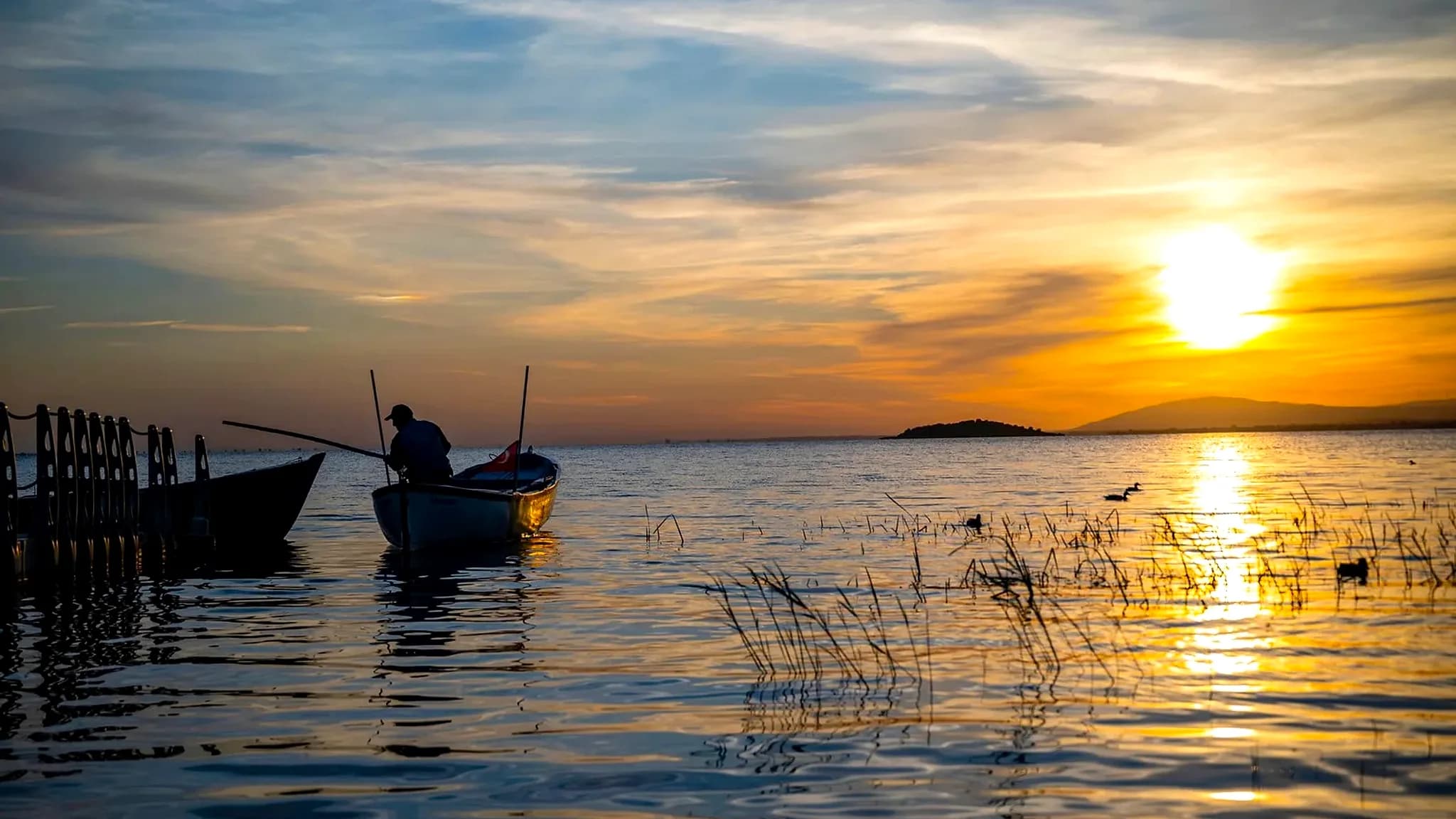
Drift fishing from a boat (handline or drift rig). Very common in lagoons: the boat drifts with the wind and rakes the water until it locates the school. Once you spot the mark, you work the area, insisting at the depth that paid off.
Spinning with micro-lures. A sporty and very entertaining method: you cast light spoons or microjigs and retrieve slowly, letting the lure work at mid-water. Ideal when the fish are active and grabbing.
Fly fishing. With light tackle and small silver streamers that imitate fry, it works very well when the school moves near the surface.
Guide tips:
- The best times are usually early morning and dusk, though on cool, windy days the pejerrey feeds all day long.
- The wind is your friend: it pushes food against a shoreline and switches on the bite. Look for the leeward bank where the wind hits.
- Depth rules: if they aren't biting, change depth before changing bait.
- Gentle hookset and a patient fight: it is a fragile-mouthed fish and you have to "enjoy it" with fine tackle so you don't lose it near the rod tip.
Closed season & regulations
Closed seasons, minimum size and bag limits for argentinian silverside (pejerrey) are set by each province and change every year. The current rule is on each spot's page: confirm it before heading out.
Read the full note
Pejerrey fishing in Argentina is regulated, and those rules exist for a good reason: to protect the species during its reproduction and ensure there will be pejerrey for the seasons to come. Spawning occurs mainly in the cold and temperate seasons, which is why many jurisdictions establish closed seasons (periods of fishing prohibition or restriction), minimum sizes (to release specimens that have not yet reproduced) and catch limits per angler per day.
The culture of catch and release is growing ever stronger —and it is very healthy—, especially with the large specimens, the breeding "pejerreyones" that sustain the population. Returning a trophy fish properly to the water, handling it with care and with the least possible time out of the water, is every silverside angler's best investment in the future.
Important and honest: the closed season, minimum size and limit vary by province and change from one year to the next. What applies in a Buenos Aires lagoon is not necessarily the same as in a reservoir in another province, and the dates are updated each season. That is why, before heading out to fish, always check the official regulations currently in force from the enforcement authority of the province where you are going to fish (the provincial Wildlife, Fisheries or Natural Resources Directorate), and obtain the corresponding fishing permit. Do not rely on data from previous years or on what "they say": the only valid source is the up-to-date official provincial agency.
Shops & clubs in the area
Ready to chase argentinian silverside (pejerrey)? Find guides who target this species and message them.
Plan your trip hereDo you guide argentinian silverside (pejerrey) trips? Join for free and show up here →
Read before you go

Frequently asked questions about argentinian silverside (pejerrey)
Can you fish for Argentinian silverside (pejerrey) right now, in October?
In October argentinian silverside (pejerrey) is out of season. Its best time is jun–aug. Being out of season does not mean there is a closed season: that is set by each province and shown on every spot page.
What's the best time to fish Argentinian silverside (pejerrey)?
The best time for argentinian silverside (pejerrey) is jun–aug. Check each place's page for the bite calendar and to respect current closed seasons.
Where can you fish Argentinian silverside (pejerrey) in Argentina?
Some of the best places to fish argentinian silverside (pejerrey) are Dique Cabra Corral, Embalse de Río Hondo, Laguna de Chascomús, Laguna de Lobos. On PESQA you get the map, access info, seasons and verified guides for each one.