Rainbow trout
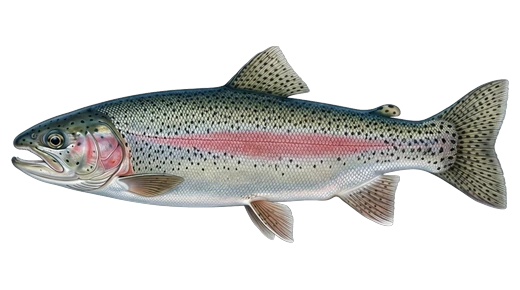
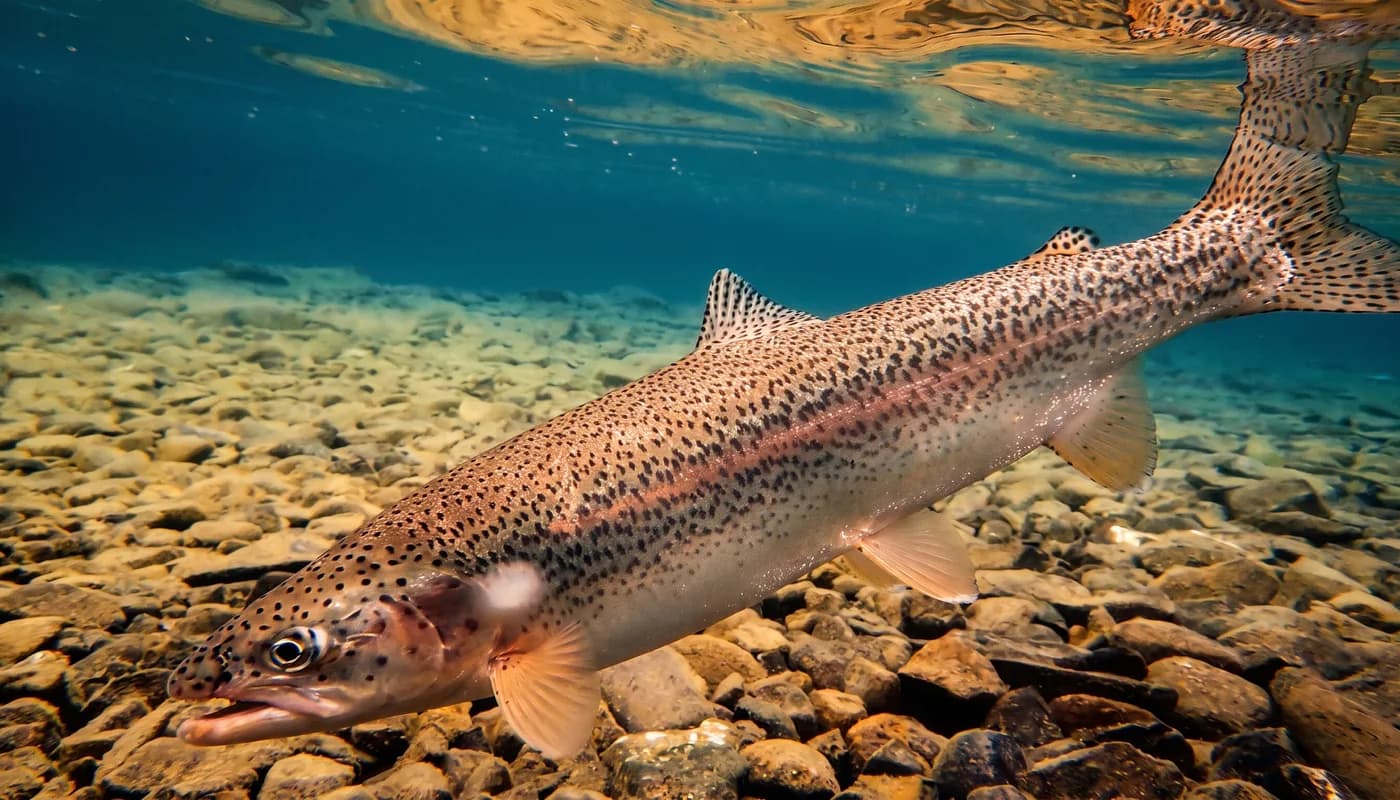
The rainbow trout is a freshwater fish of the salmonid family, native to the Pacific slope of North America.
Out of season · starts in NovemberWhere to fish

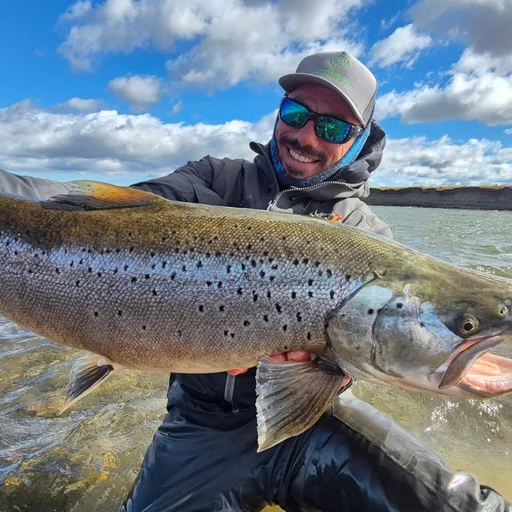
Season
- Off
- In season
Tap it to see it in 3DClick it to see it in 3D
Queen of the mountains
Every rainbow trout you post with a photo counts toward your Pesquedex. Bronze comes with the first catch; silver and gold ask for a variety of spots and provinces.
Recent Rainbow trout catches
Nobody has posted a rainbow trout report yet. Post yours with a photo: you get the catch card and the bronze medal.
Be the first →Habitat
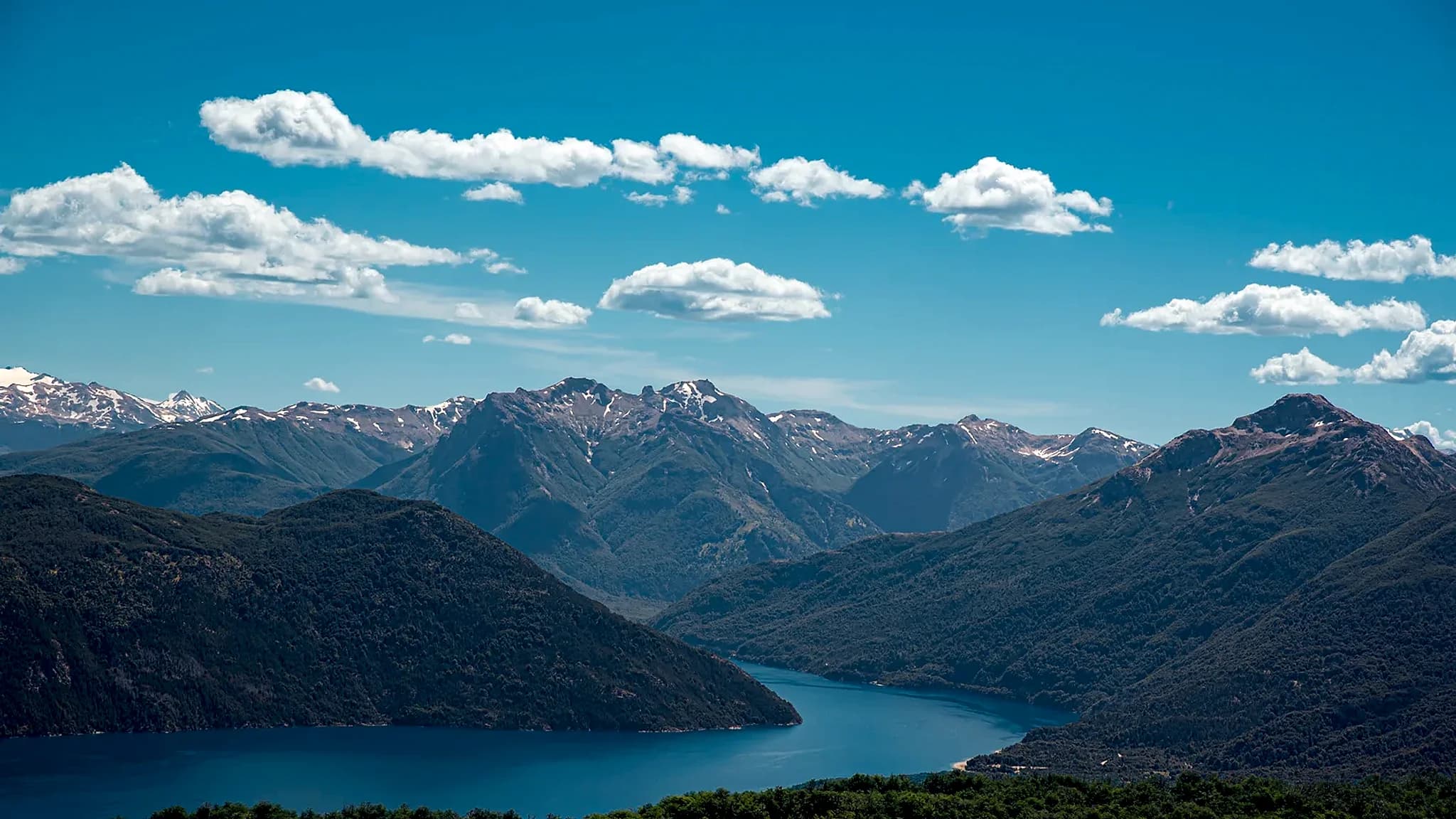
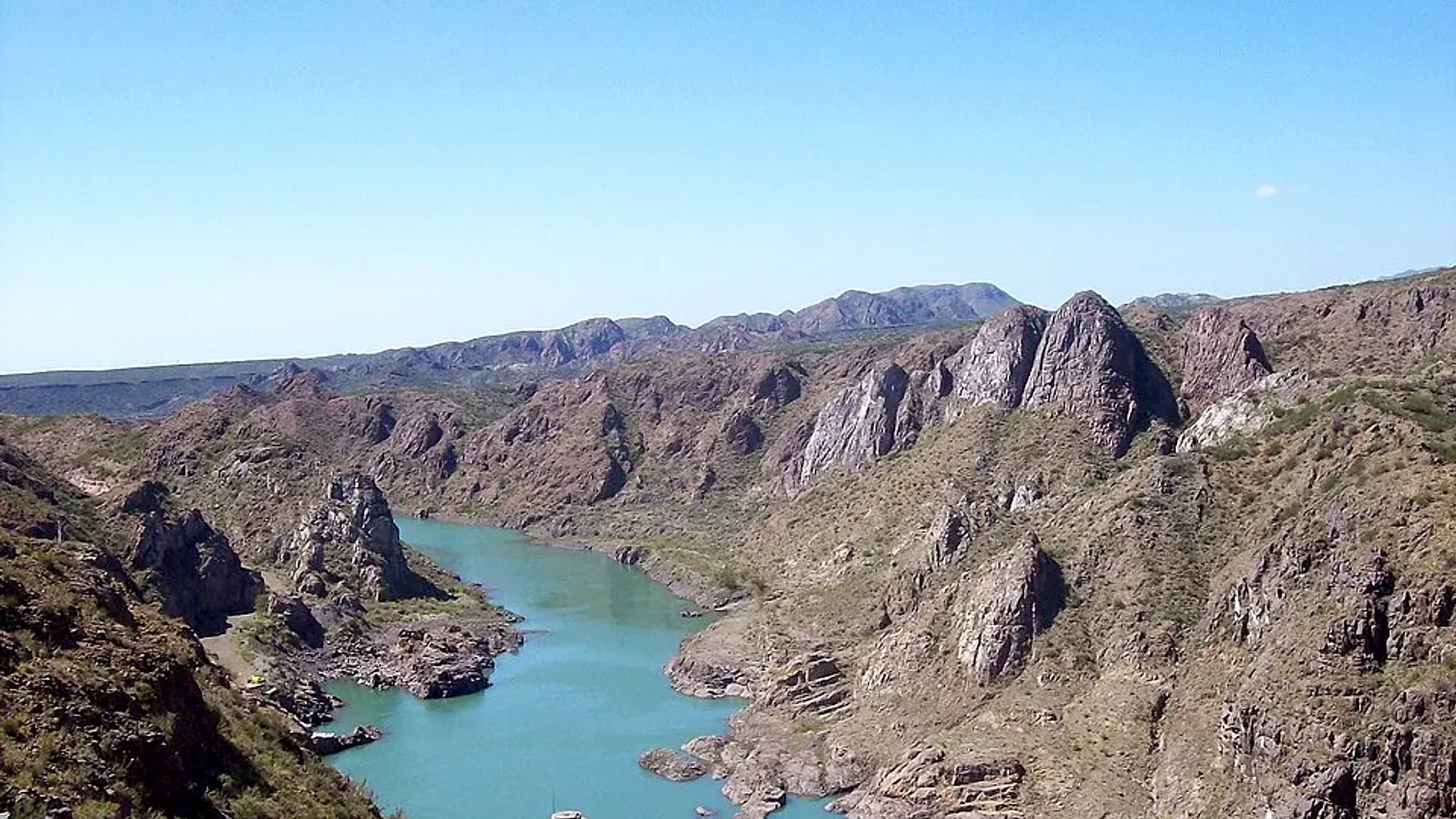
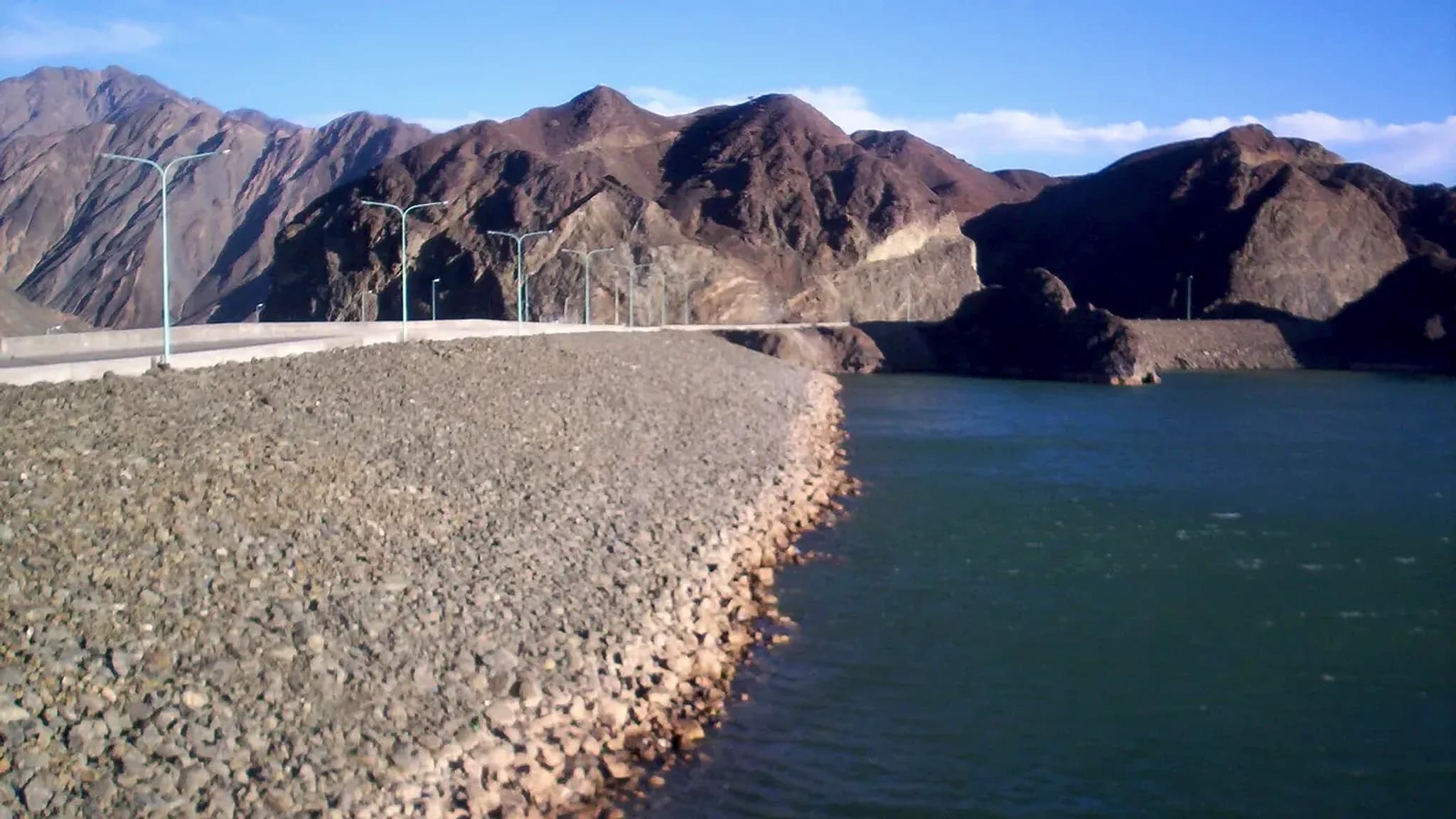
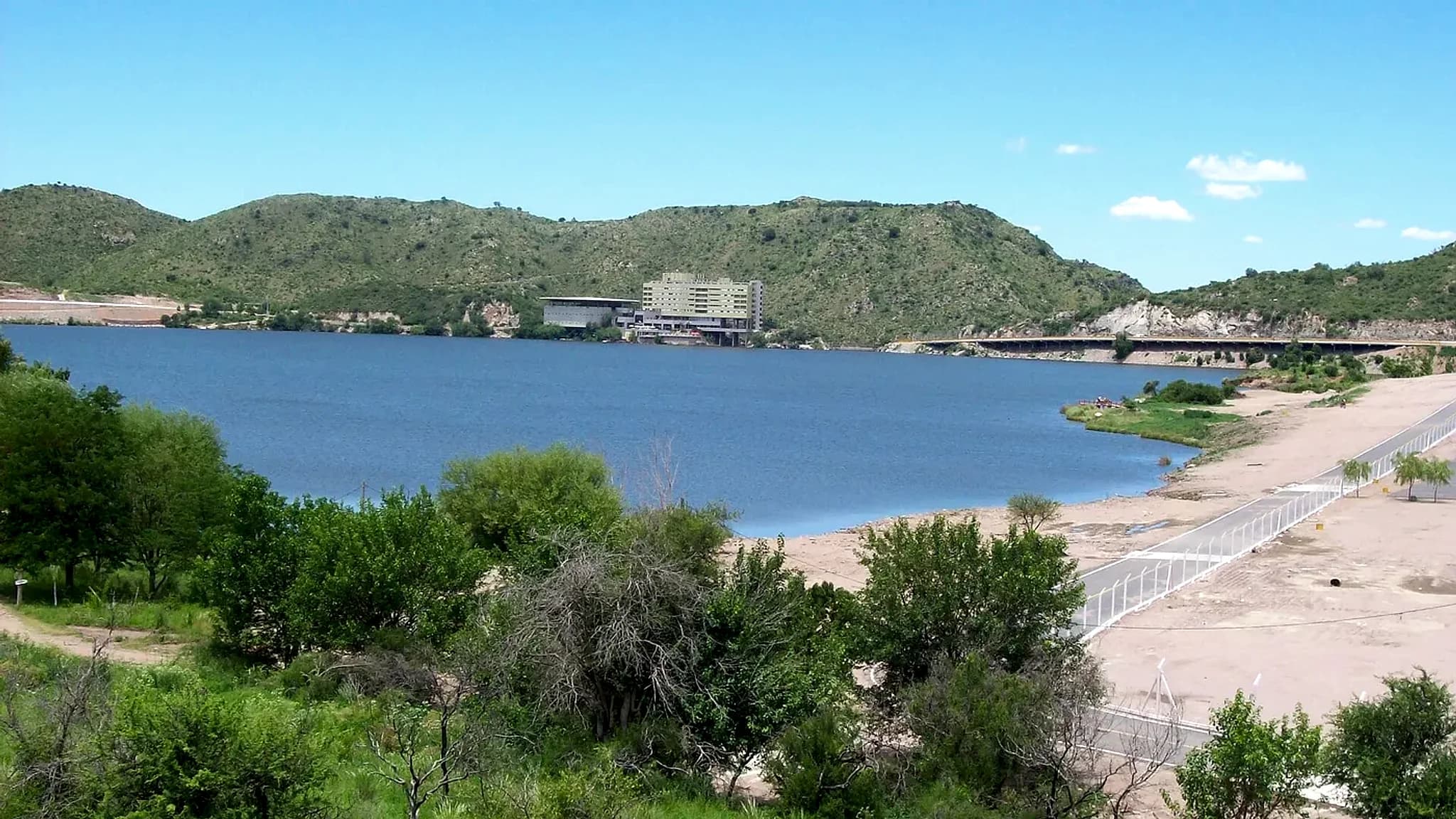
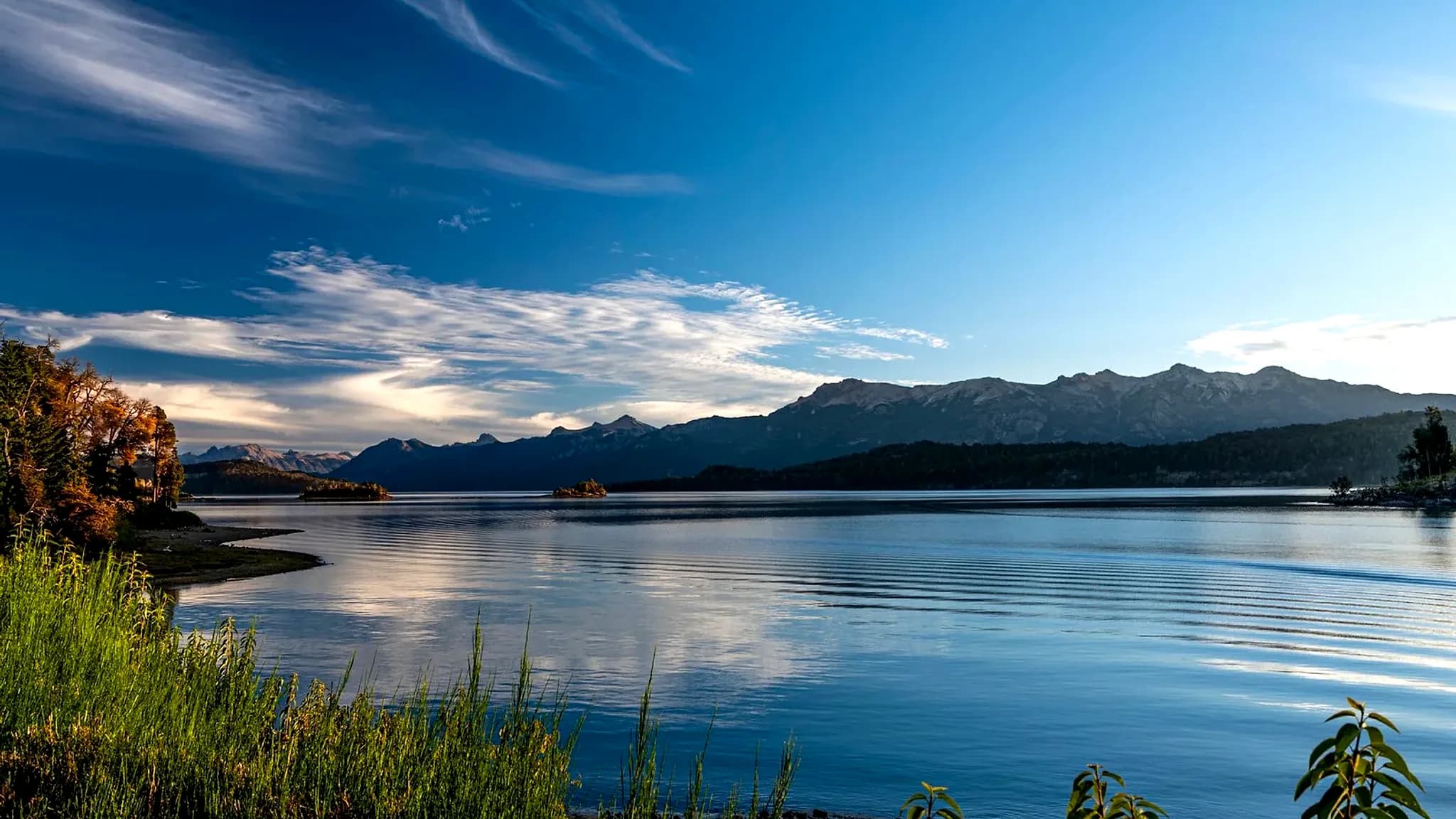
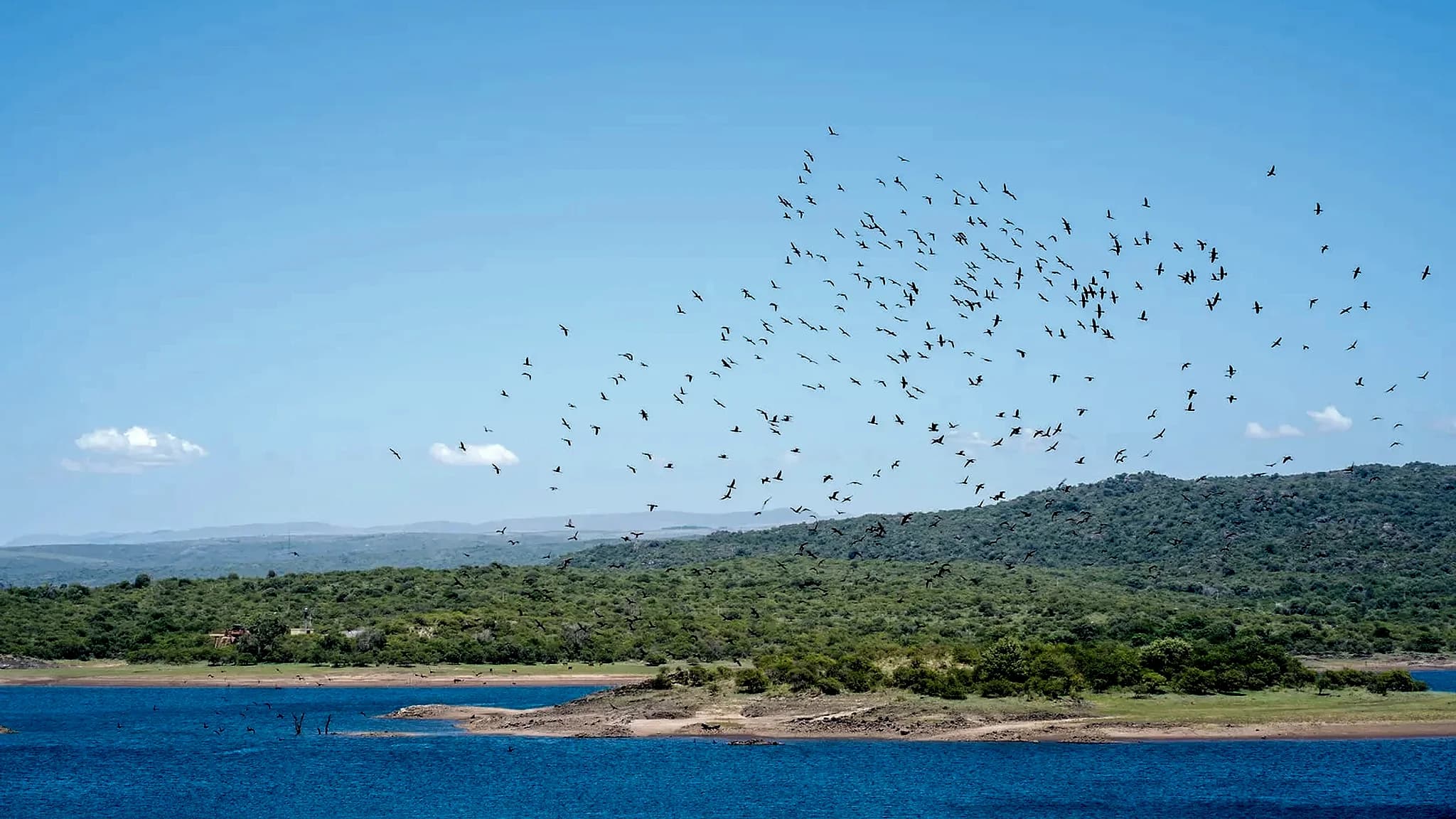
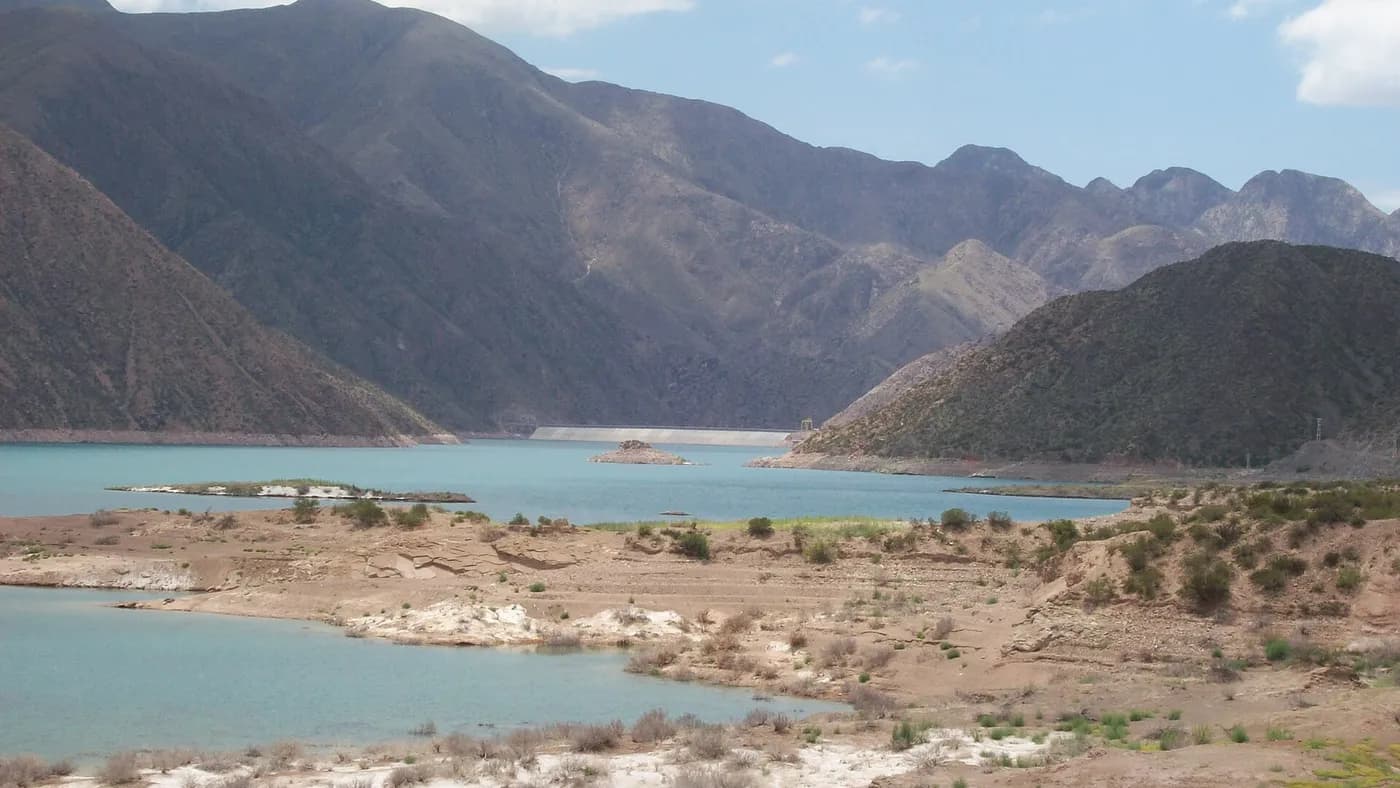
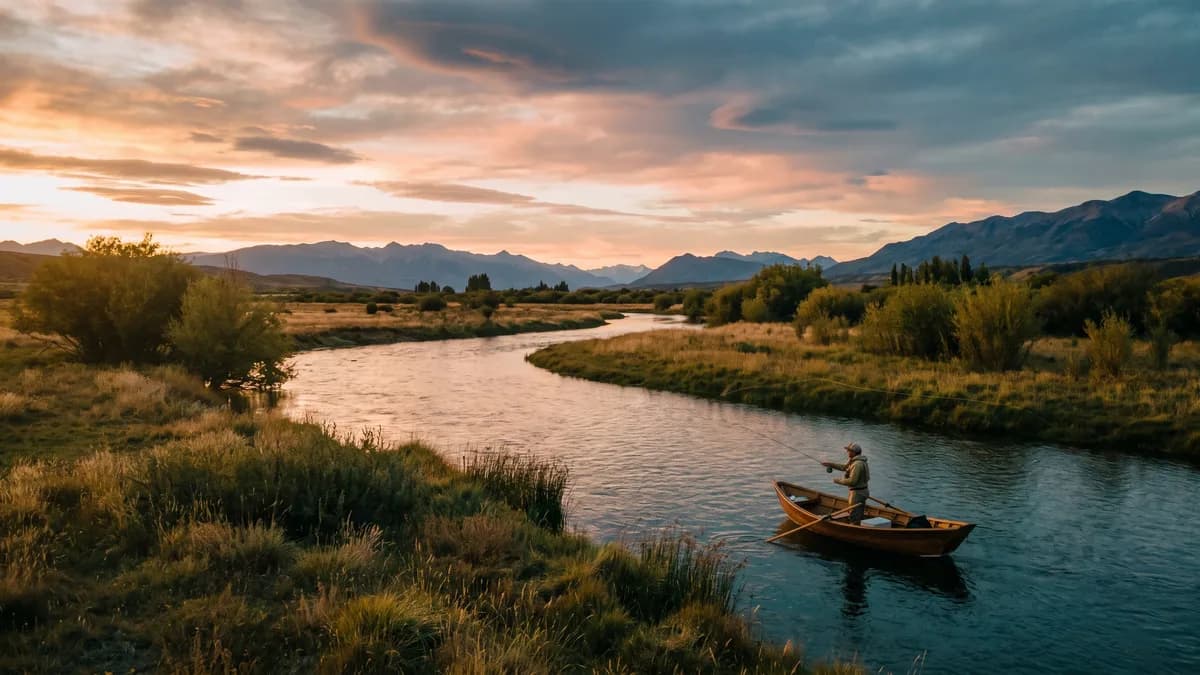
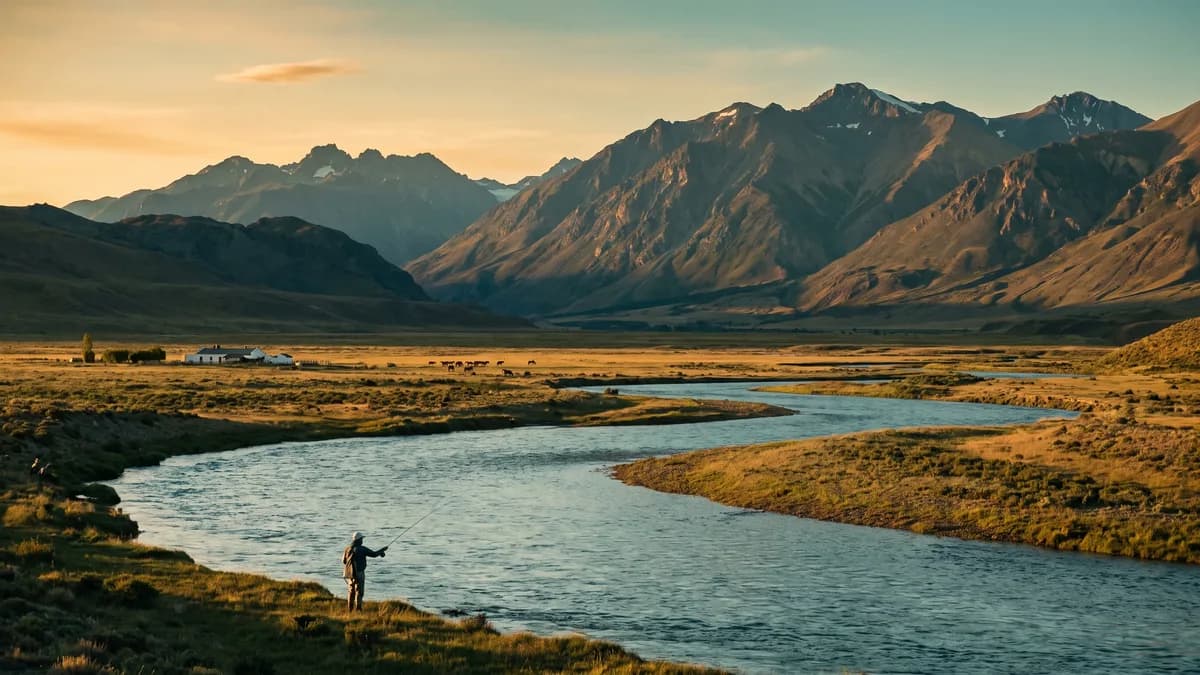
The rainbow trout prefers cold, clean, well-oxygenated water. You will find it in rivers with current and deep pools, mountain streams, lakes, lagoons, and reservoirs across Patagonia—provinces like Neuquén, Río Negro, Chubut, and Santa Cruz hold the most classic waters—and also in cordilleran settings in Mendoza, San Juan, and some high-altitude zones of the northwest. It tolerates a wider temperature range than other salmonids, but it performs and fights best when the water is cool.
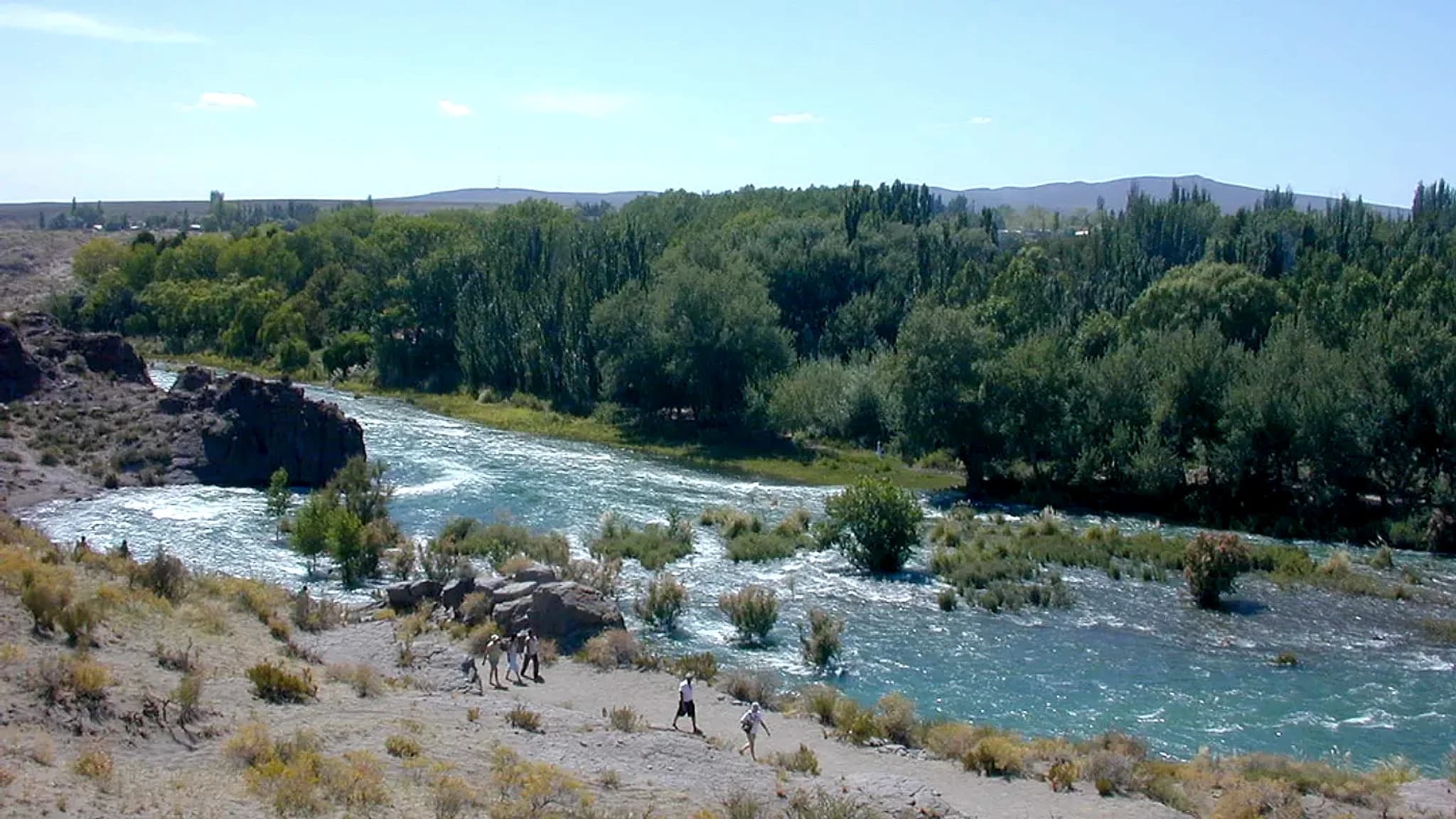
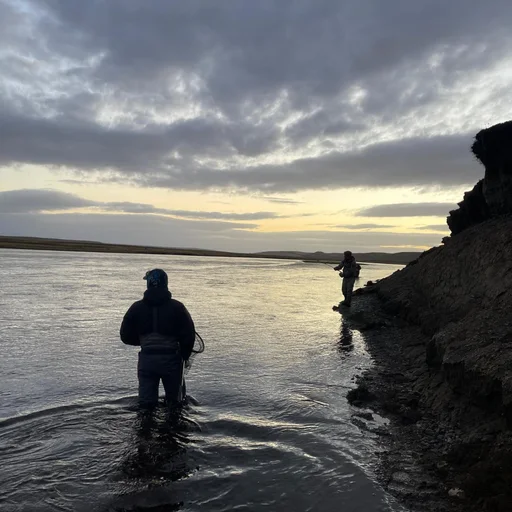
In rivers, look for it where there is structure and oxygen: the heads of pools, the tail-out of rapids, back-eddies behind rocks, submerged logs, undercut banks, and the confluences where a tributary comes in. These are spots where the fish holds and waits for the current to bring it food while spending little energy. In lakes and reservoirs it moves around more: work stream mouths, shallows with vegetation, drop-off edges, and areas where baitfish schools concentrate, especially in the early hours and at dusk.
The best season runs from November to April, coinciding with the open fishing season in most Patagonian waters. In spring and fall it tends to be more active for much of the day; at the peak of summer it pays to get up early or wait for the sun to drop, when the temperature falls and surface activity rises.
Baits and lures
The rainbow trout responds to a wide range of lures and baits, which makes it ideal for both the beginner and the expert fly angler.
Lures (spinning):
- Inline spinners and spoons (blade/rotating types and silver or gold spoons): they imitate a wounded baitfish and provoke reaction strikes. Among the most effective and versatile options in rivers and lakes.
- Small minnows and jerkbaits (silverside or puyen imitations): excellent in lakes and stream mouths where the trout feeds on baitfish.
- Small softbaits / soft plastics rigged light: they work well in calmer or heavily pressured water.
Flies (fly fishing):
- Dry flies (Adams, caddis, imitations of terrestrials such as ants, beetles, and horseflies in summer) for surface fishing when there is visible activity.
- Nymphs (Pheasant Tail, Hare's Ear, Prince) to work the drift beneath the surface, which is where the trout feeds most of the time.
Recommended gear
The gear is matched to the setting and the size of trout you are after, but these setups cover most situations in Argentina:
Spinning (general use, trout of 1 to 3 kg):
- Rod: 1.80 to 2.10 m, medium to medium-fast action, light to medium-light power (casting lures of roughly 3 to 12 g).
- Reel: front-drag, size 1000 to 2500, with a progressive, smooth drag—key to withstanding the runs and jumps without breaking off.
- Line: fine braid of 8 to 15 lb for its sensitivity and lack of stretch, or nylon/mono of 6 to 10 lb if you prefer something more forgiving for the hookset.
- Leader: a section of fluorocarbon of 0.20 to 0.28 mm; fluoro is less visible underwater, which matters in Patagonia's crystal-clear water.
Fly:
- 5-6 weight outfit: the most versatile for river rainbows in Patagonia (dries, nymphs, and small streamers). A 9-foot rod.
- 7-8 weight outfit: recommended for big-trout waters like Strobel/Barrancoso, heavy streamers, and strong wind.
- Leader and tippet: a 9-foot tapered leader finished in 3X to 5X tippet depending on the fly size and how selective the fish is.
For trophy specimens (5-10+ kg at the Strobel): step up the power—medium/medium-heavy spinning with 15-20 lb braid and a robust fluoro leader, or a 7/8 fly outfit—because these are fish with strength and runs far superior to the average trout.
In every case: a well-adjusted drag, sharp hooks (barbless if you are going to release), and a rubber net to handle the fish with the least possible harm.
Fishing techniques
The rainbow trout is caught with several methods, and all of them produce depending on the setting:
Spinning (the most widespread and accessible). Cast your spoon or minnow upstream or across the current and retrieve, keeping the lure working near the bottom or at mid-depth. In rivers, cast to the head of the pool and let the lure drop with the current before retrieving; strikes usually come in the transition between the rapids and the calm water. In lakes, fan the area with casts in different directions until you find the fish.
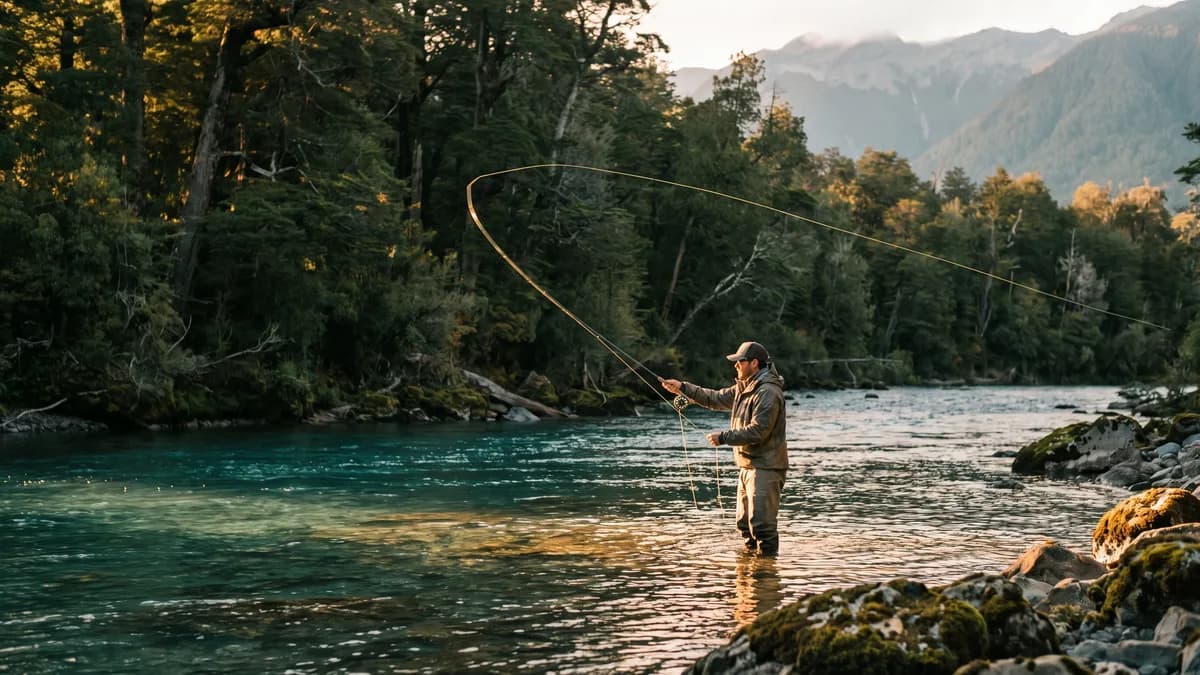
Fly fishing. The star method of Patagonia. With a dry fly, look for surface activity and present the fly upstream, letting it drift without drag. With a nymph, work a dead drift along the pool, following the line with the rod tip. With a streamer, cast across, let it sink, and retrieve with short strips to imitate a baitfish—a key technique for the big trout of the Strobel and the Barrancoso.
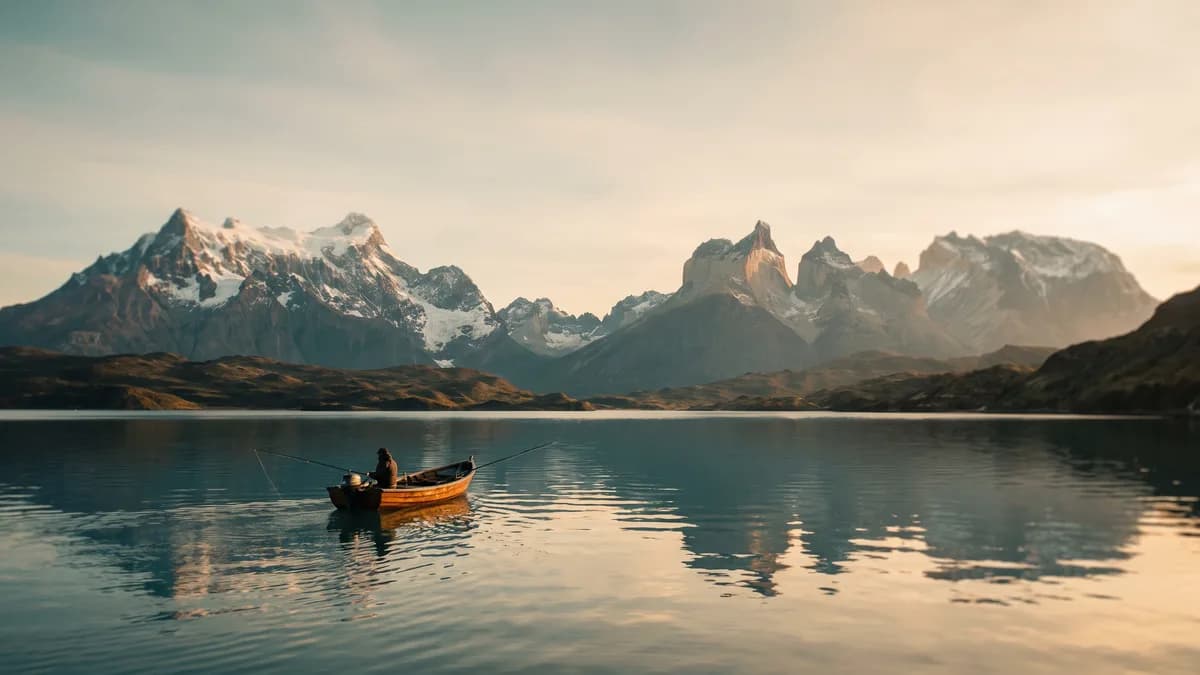
Trolling and drifting in lakes. In large lakes and reservoirs it pays to troll spoons or minnows at low speed behind the boat, varying the depth until you hit the layer where the fish is holding. Drift fishing from a boat, casting toward the shorelines and stream mouths, is very effective in the early hours.
Guide tips:
- Timing: get up early or fish the dusk, especially in summer; these are the windows of greatest activity.
- Fine presentation in clear water: long leader, gentle movements, and avoid casting your shadow over the water.
- "Read" the river: food and oxygen rule; focus on confluences, back-eddies, and pool tail-outs.
- Set the hook firmly but fight with patience: the rainbow jumps a lot, so keep constant tension and drop the rod tip when it clears the water so it doesn't throw the hook.
- If you plan to release it, wet your hands, minimize time out of the water, and use barbless hooks to release it healthy.
Closed season & regulations
Closed seasons, minimum size and bag limits for rainbow trout are set by each province and change every year. The current rule is on each spot's page: confirm it before heading out.
Read the full note
Rainbow trout fishing in Argentina is regulated, and respecting those rules is what guarantees there will be fishing in the future. The most important concept to understand is the idea of the closed season (veda): these are periods (and sometimes zones) where fishing is closed or restricted, mainly to protect the fish's spawning season. In salmonids like the rainbow, closing the season during the reproductive months avoids disturbing the spawners and the redds, protecting the population for the seasons that follow.
Across much of Patagonia there is also a strong culture of catch & release, especially in waters with large or high-value gamefish, where the mandatory method is often fly or lure with a barbless hook and total release. Returning the fish alive and in good condition is a central part of the Patagonian fishing ethic.
Now the essential and honest part: closed-season dates, minimum sizes, catch limits, and permitted methods VARY BY PROVINCE AND CHANGE EVERY YEAR. Each jurisdiction (Neuquén, Río Negro, Chubut, Santa Cruz, Mendoza, etc.) publishes its own inland fishing regulations each season, and there are even setting-specific rules. That is why we do not publish specific dates, sizes, or limits here: it would be irresponsible to give you a number that may be out of date or may not apply to your province.
Before heading out, always consult the official regulations in force from the relevant enforcement authority—the Directorate of Wildlife, of Natural Resources, or the fishing agency of the province where you will fish—and get your fishing permit/license. It is the only reliable source for knowing the open season, closed season, minimum size, limit, and permitted method for that water and that year.
Shops & clubs in the area
Ready to chase rainbow trout? Find guides who target this species and message them.
Plan your trip hereDo you guide rainbow trout trips? Join for free and show up here →
Read before you go
Frequently asked questions about rainbow trout
Can you fish for Rainbow trout right now, in October?
In October rainbow trout is out of season. Its best time is mar–apr. Being out of season does not mean there is a closed season: that is set by each province and shown on every spot page.
What's the best time to fish Rainbow trout?
The best time for rainbow trout is mar–apr. Check each place's page for the bite calendar and to respect current closed seasons.
Where can you fish Rainbow trout in Argentina?
Some of the best places to fish rainbow trout are Lago Nahuel Huapi, Río Limay, Lago Strobel (Jurassic Lake), Río Futaleufú. On PESQA you get the map, access info, seasons and verified guides for each one.