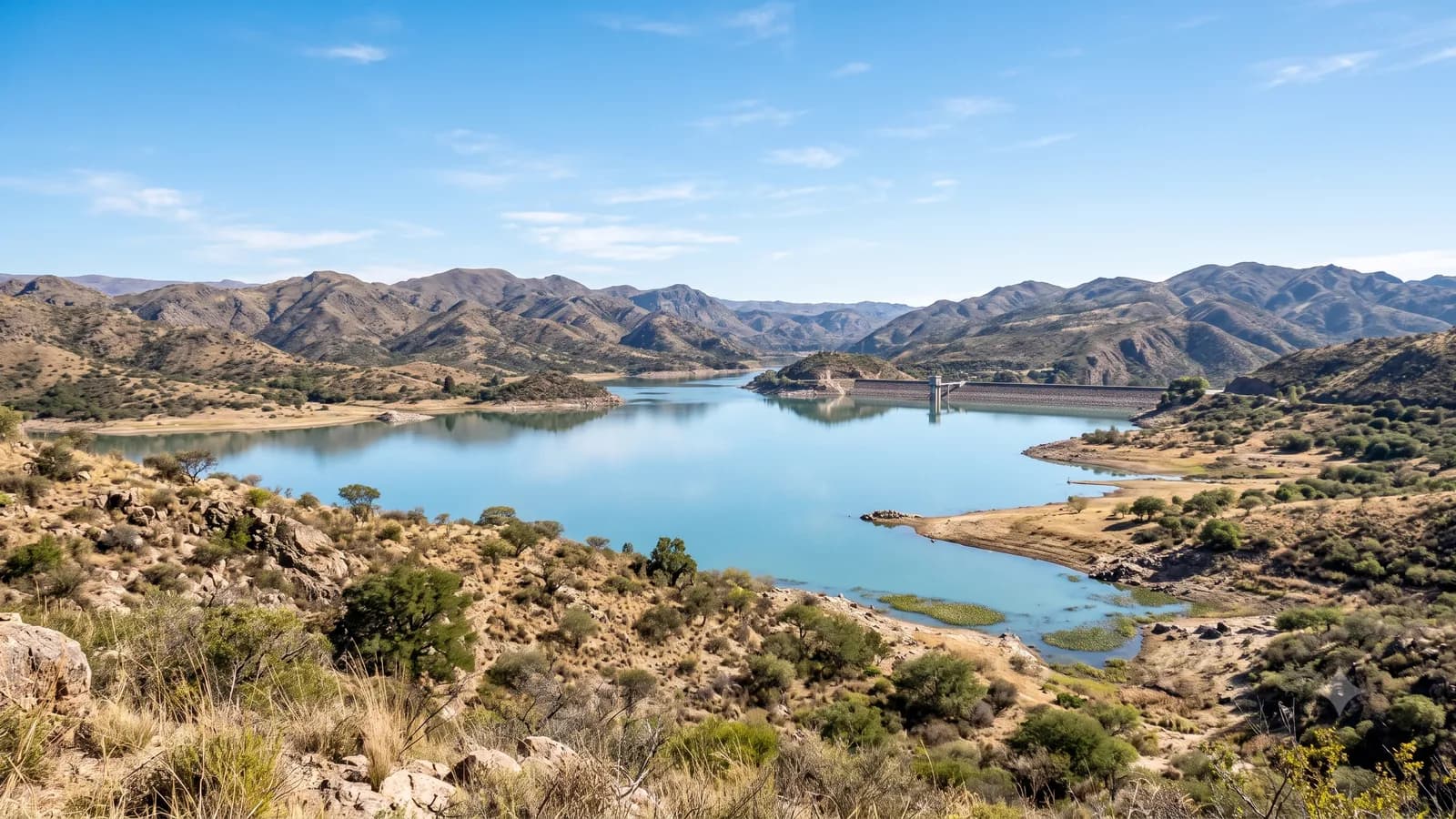
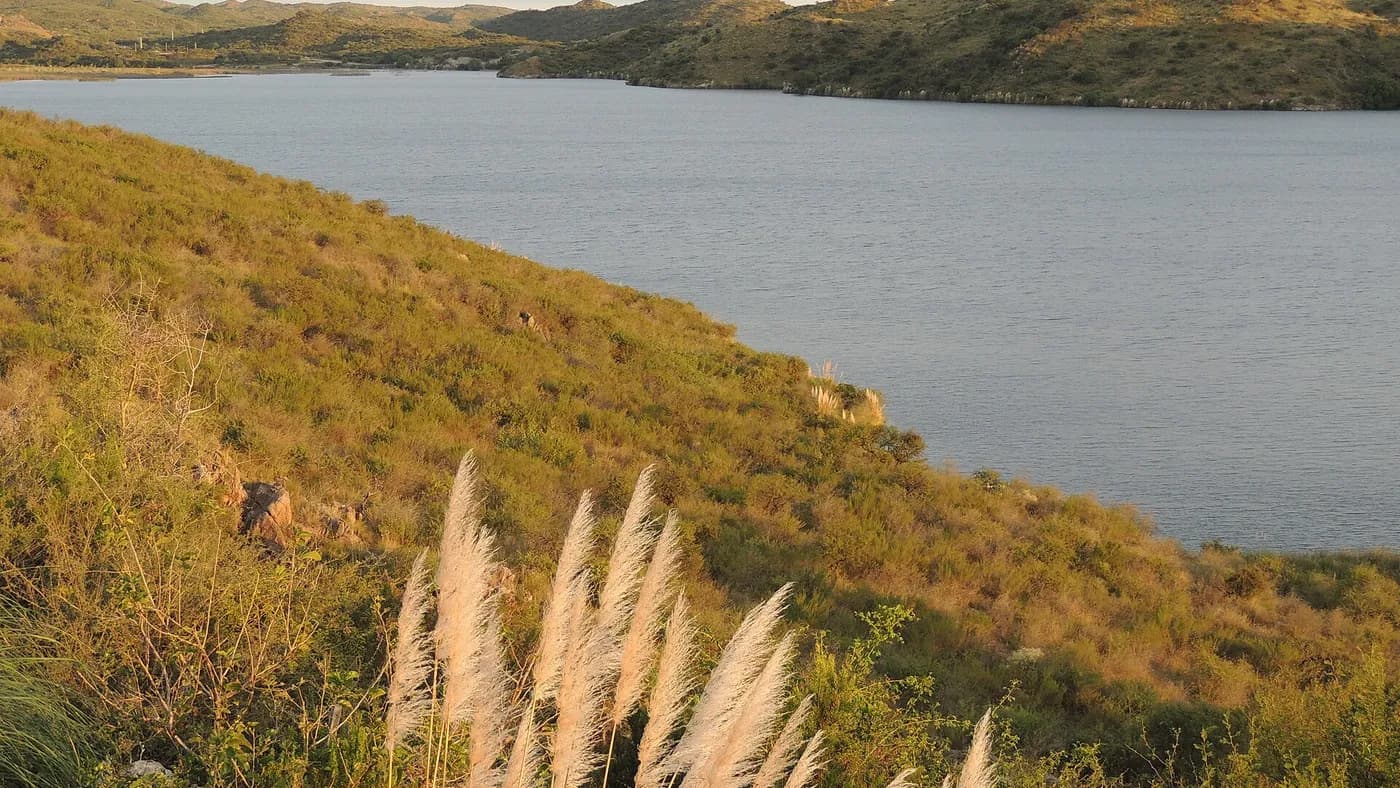
La pesca deportiva en San Luis se rige por la Resolución 395-DB-SAyDS-2025, firmada el 30 de diciembre de 2025 por la Dirección de Biodiversidad de la Secretaría de Estado de Ambiente y Desarrollo Sustentable (expediente EXD-0-12101138/25, 'Calendario Íctico 2026'), dictada en el marco de la Ley provincial IX-0317-2004 de Conservación de Fauna, Caza y Pesca y su decreto reglamentario 3764-MLyRI-2005. Habilita la temporada del 1 de enero al 31 de diciembre de 2026 en todo el territorio provincial.
El permiso oficial es obligatorio, personal e intransferible: hay que portarlo y exhibirlo cada vez que lo pida la autoridad de control, acompañado del DNI o la cédula CIPE. Se tramita en permisosdepesca.sanluis.gov.ar. Hay dos categorías, anual y diario, y los valores los fija la Ley Impositiva Provincial 2026. Pescan gratis los menores de 16 años exhibiendo el DNI, las personas con discapacidad con DNI y Certificado Único de Discapacidad, y los jubilados y retirados de las fuerzas armadas con su credencial.
Se autorizan dos cañas por pescador con aparejo y un máximo de dos anzuelos, salvo lo que la propia norma especifique para cada especie; no se permite ningún otro arte de pesca sin autorización expresa de la Secretaría.
PEJERREY. Para el Dique Paso de las Carretas la Resolución 395/2025 fija un cupo de hasta 35 piezas por salida de pesca y habilita las modalidades de costa, murallón y embarcado. El tamaño mínimo de los ejemplares capturados debe ser igual o superior a 25 centímetros de talla, medida en línea recta desde el extremo anterior del cuerpo con la boca cerrada hasta el extremo posterior de la aleta caudal. Si se usan señuelos artificiales no pueden llevar más de dos anzuelos y deben ser sin rebaba; en FlyCast, mosca sin rebaba.
LA VEDA DEL PEJERREY. El calendario no le fija fechas: el artículo 4 de la Resolución 395/2025 delega el período de veda en la Autoridad de Aplicación, que lo determina cada año según los estudios de época de reproducción y estado de maduración de los peces, y puede además habilitar modalidades o zonas que no perjudiquen el desove. Para 2026 el Ministerio de Desarrollo Productivo Sustentable, a través del Área de Flora y Fauna, la comunicó el 25 de agosto: rige del 7 de septiembre al 4 de diciembre inclusive en diques y en lagunas particulares de la provincia. En el Dique Paso de las Carretas la veda es PARCIAL: se prohíbe la pesca desde la costa y desde el murallón, y se permite solamente la modalidad embarcada los sábados, domingos y feriados. En las lagunas particulares la veda corre del 5 de septiembre al 1 de noviembre. El Ministerio informó que los plazos se pueden extender en función del período de desove. El anuncio oficial no cita el número del instrumento que la dispone.
EL RESTO DEL AÑO. Fuera de la veda el pejerrey se pesca en las tres modalidades y se puede llevar hasta el cupo de 35 piezas.
LAS OTRAS ESPECIES QUE EL CALENDARIO HABILITA EN TODA LA PROVINCIA. Carpas: todo el año, en todos los ambientes, sin límite de talla y sin límite por pescador y por salida, con dos cañas y aparejo de hasta dos anzuelos, en las modalidades FlyCast y Carpfishing. Mojarras, dientudos y bagres: en todos los ambientes, pero solamente con devolución obligatoria, con dos cañas y hasta dos anzuelos, y sin redes ni copos. Tararira: del 1 de enero al 1 de septiembre de 2026 y del 15 al 31 de diciembre de 2026, sólo con FlyCast, mosca o señuelos artificiales, prohibida la carnada viva o muerta; acá la Resolución 395/2025 se superpone consigo misma, porque un inciso la declara con devolución obligatoria y el siguiente le da un cupo de un ejemplar por pescador y por salida, menor a 30 centímetros. Trucha arco iris: del 1 de enero al 31 de mayo y del 1 de octubre al 31 de diciembre de 2026, sólo con Spinning (cucharita o señuelo de una sola punta, sin rebaba) o FlyCast (mosca sin rebaba), prohibida con carnada; en los diques se puede sacrificar un ejemplar de hasta 35 centímetros, que es un tope máximo y no un piso, y las desembocaduras de entrada de agua a los diques quedan vedadas de forma permanente para esta especie como áreas protegidas de desove —la norma define desembocadura como un radio de 200 metros desde el punto intermedio de unión del río y el dique.
VEDADOS TODO EL AÑO Y PARA TODAS LAS ESPECIES, en toda la provincia: Dique Piscu Yaco, Dique San Pedro y Dique Vulpiani. El Vulpiani está sobre el mismo curso, aguas abajo de Paso de las Carretas, en Villa Mercedes.
NÁUTICA. El artículo 6 de la Resolución 395/2025 remite todas las embarcaciones y actividades náuticas ligadas a la pesca a las normas del Ente San Luis Agua, que por Resolución 489-SLA.S.E.-2011 autoriza la actividad náutica en aguas de jurisdicción provincial solamente en el período de sol a sol. Las embarcaciones deben estar empadronadas en el registro náutico provincial y el conductor debe tener Carnet de Conductor Náutico Deportivo; la matriculación se hace en las delegaciones de San Luis Agua de la capital (Terrazas del Portezuelo) y de Villa Mercedes (Dr. Mestres y Manuel Laínez 354).
CONCURSOS. Requieren autorización previa de la Dirección de Biodiversidad, se otorgan sólo a instituciones oficiales o clubes de pesca de la provincia con personería jurídica y hay que pedirlas con no menos de quince días hábiles de anticipación. Se autorizan hasta cuatro concursos por mes en la provincia y no más de dos en el mismo espejo de agua; si el evento es embarcado no puede exceder las tres horas efectivas de pesca. El reglamento del torneo debe prever que el participante que completa el cupo del espejo deja de pescar en el acto.