Golden dorado
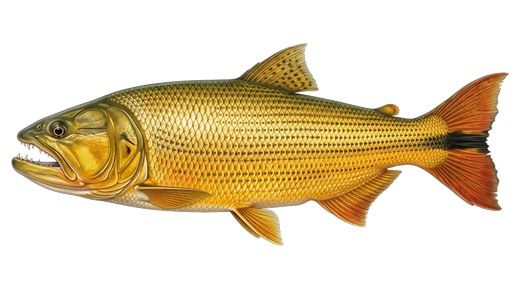
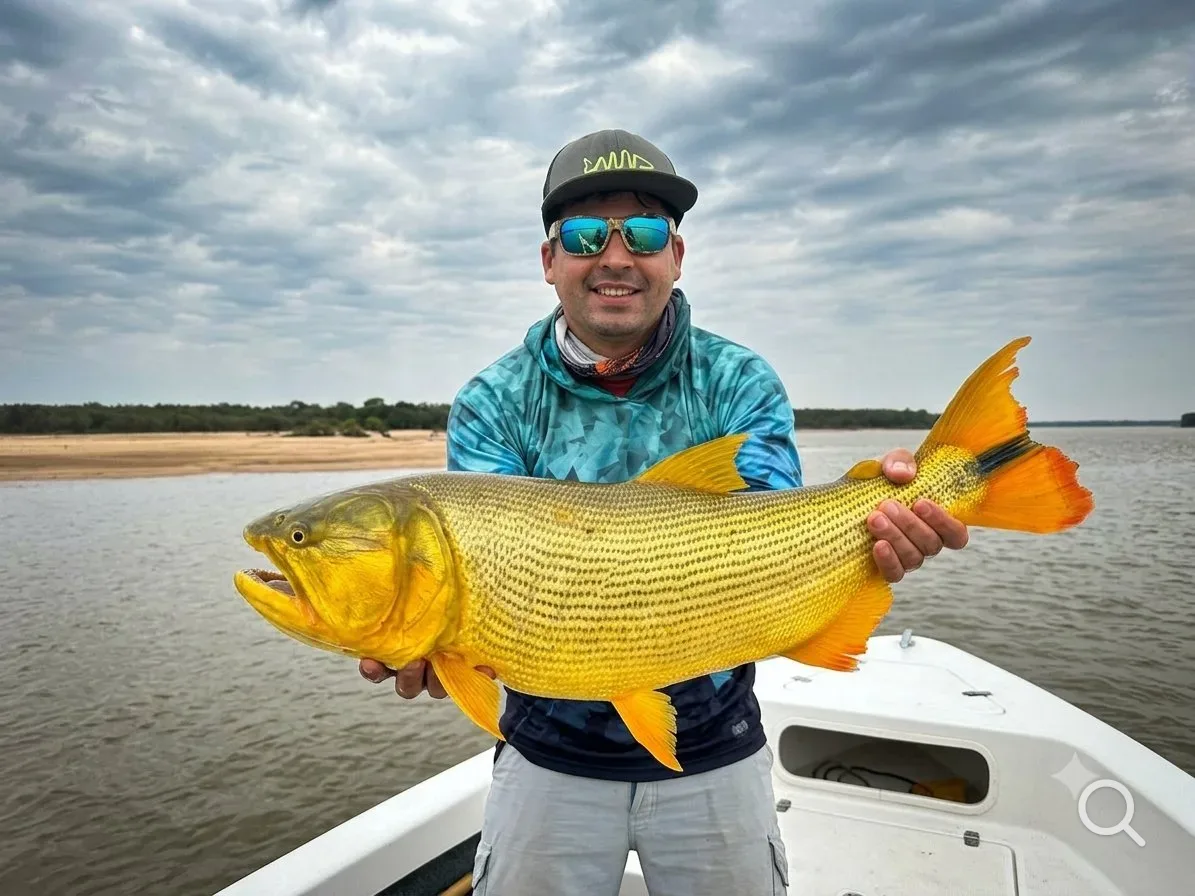
The Dorado is a freshwater fish of the Characidae family, native to the Plata Basin, regarded as the greatest golden predator of South American rivers.
In seasonWhere to fish


Season
- Off
- In season
- Peak
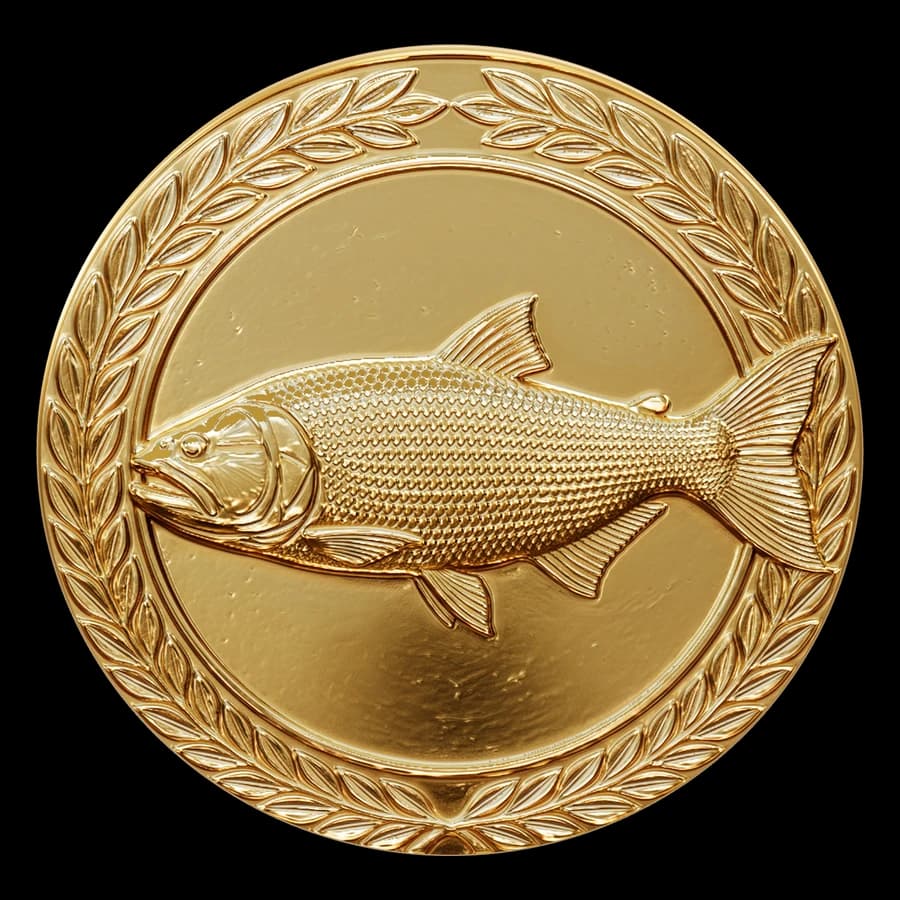
Tap it to see it in 3DClick it to see it in 3D
The river tiger
Every golden dorado you post with a photo counts toward your Pesquedex. Bronze comes with the first catch; silver and gold ask for a variety of spots and provinces.
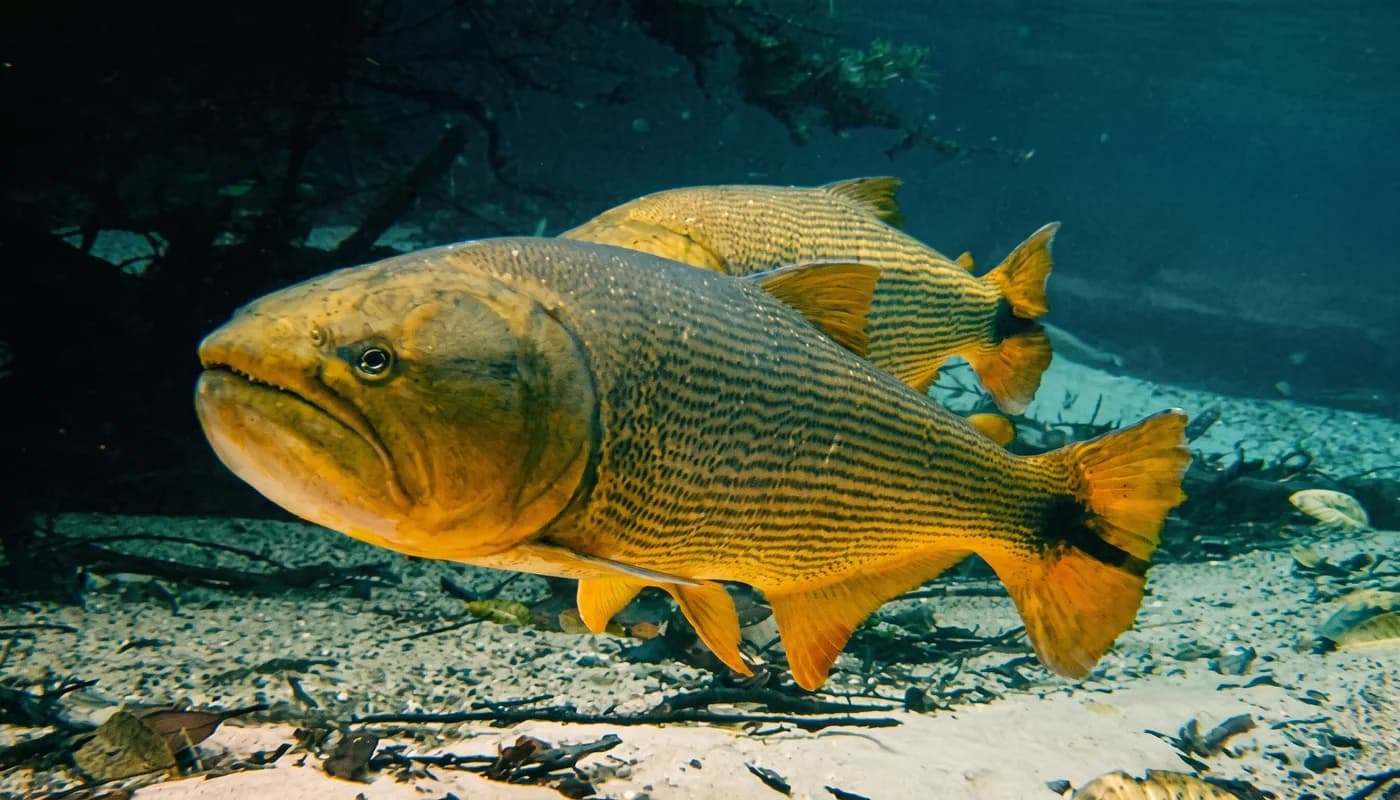
Recent Golden dorado catches
Nobody has posted a golden dorado report yet. Post yours with a photo: you get the catch card and the bronze medal.
Be the first →Habitat
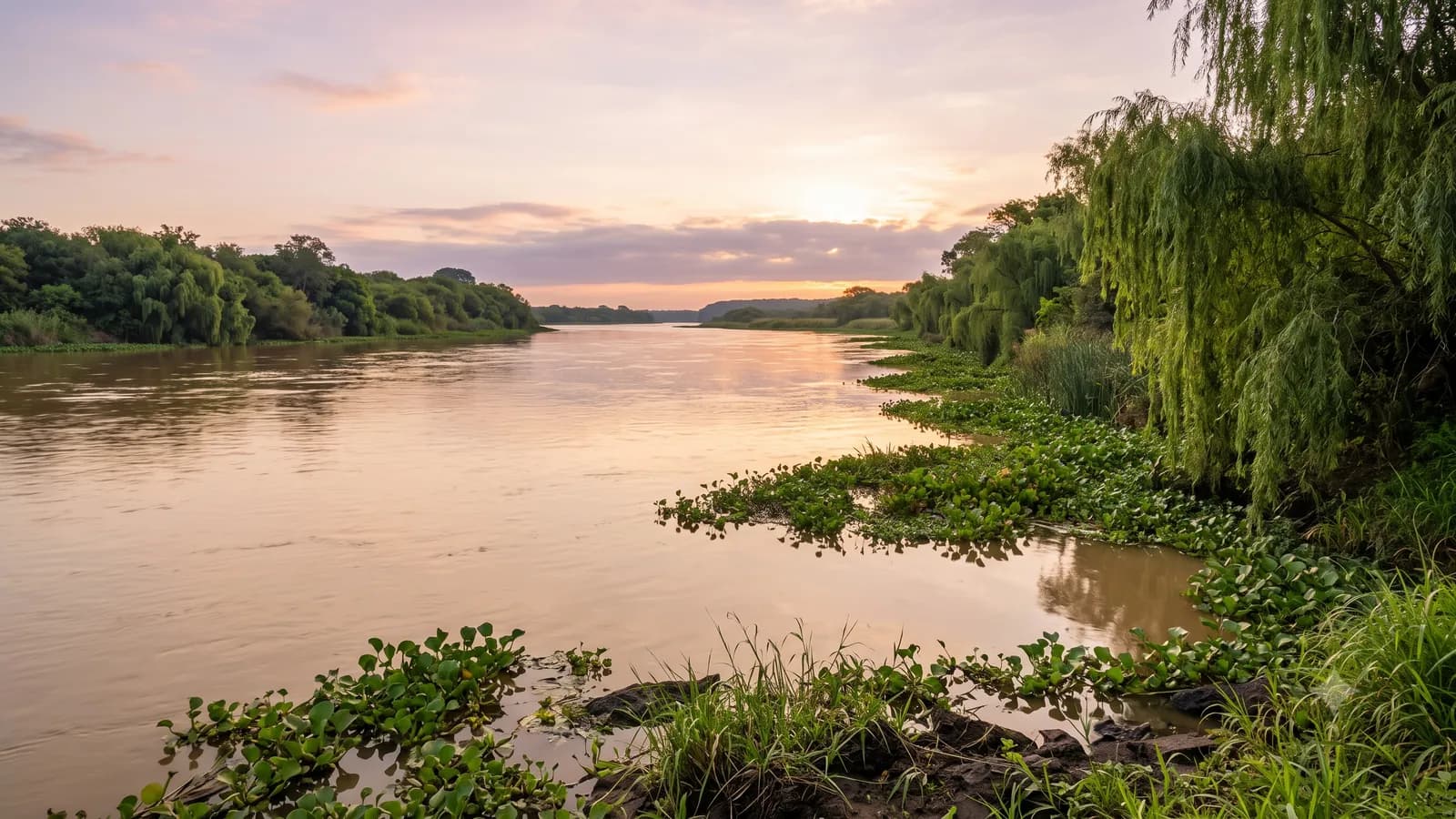
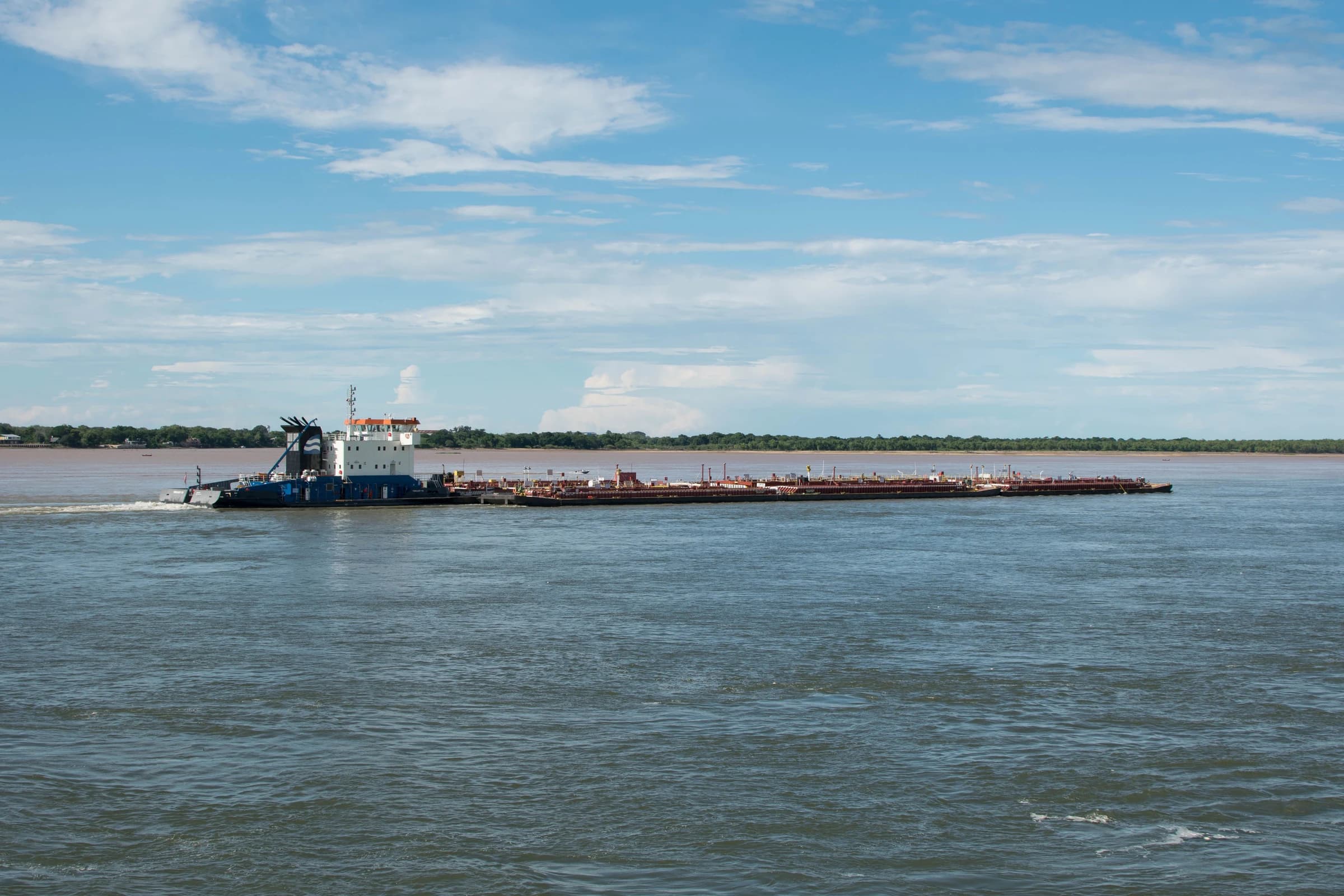
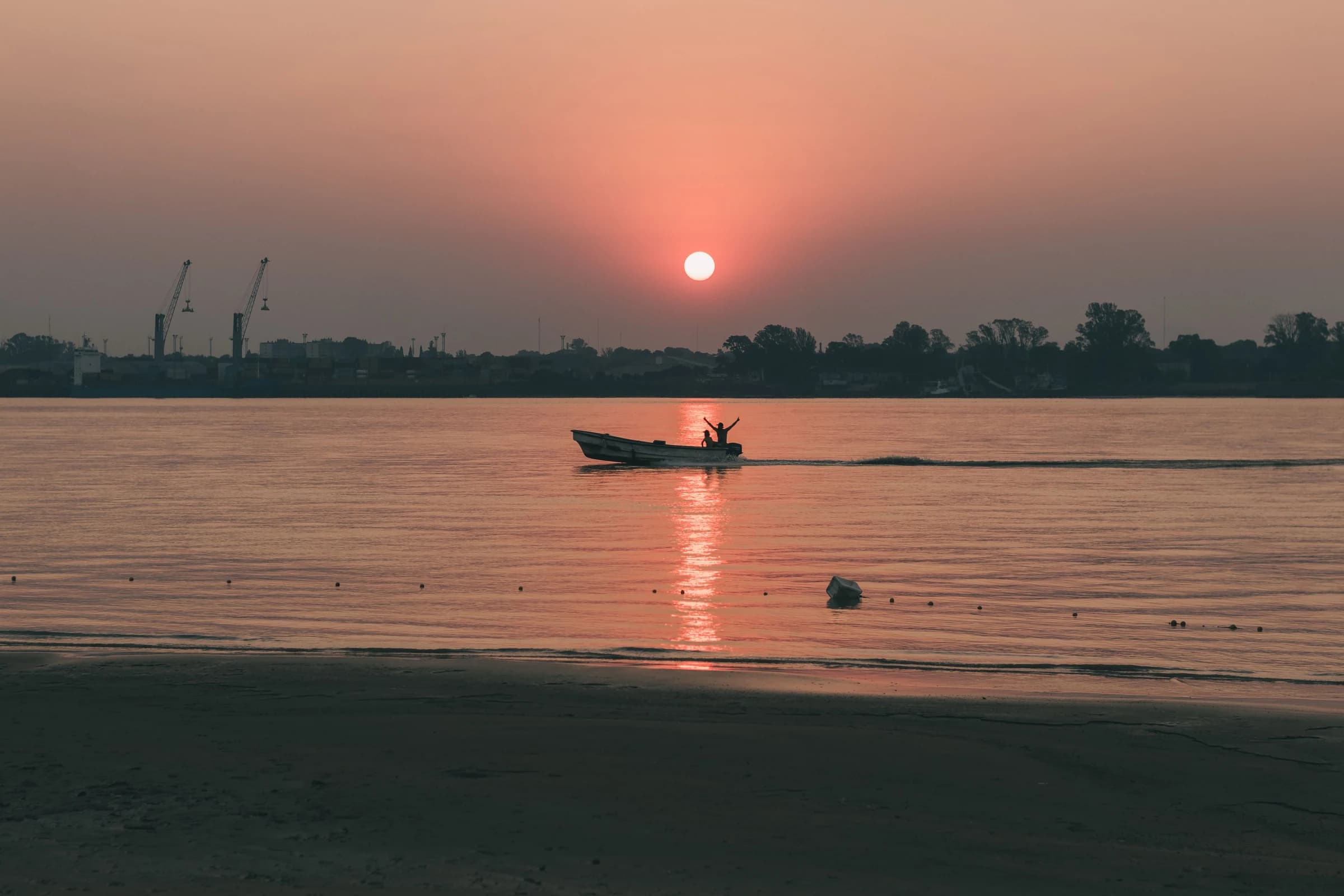
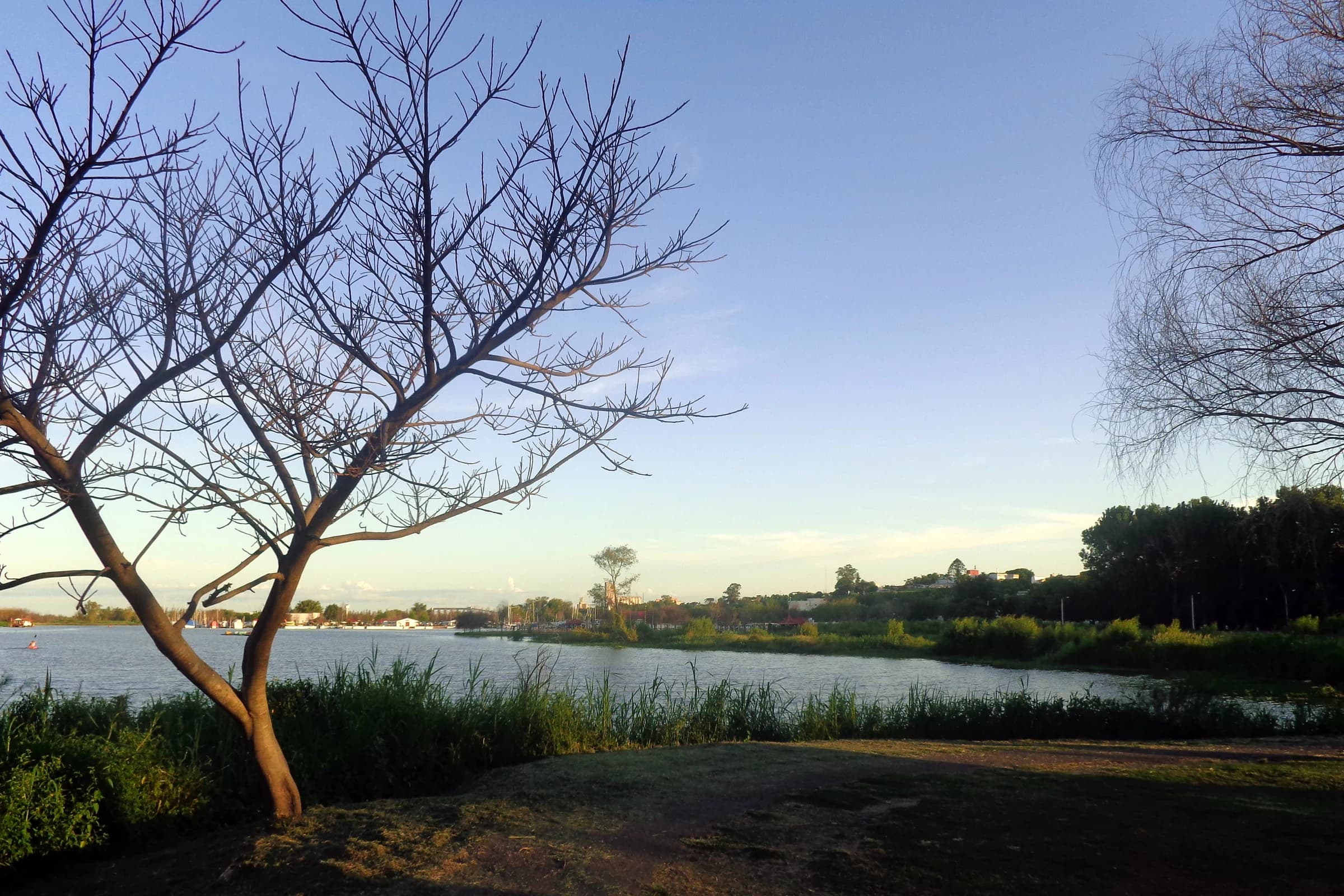
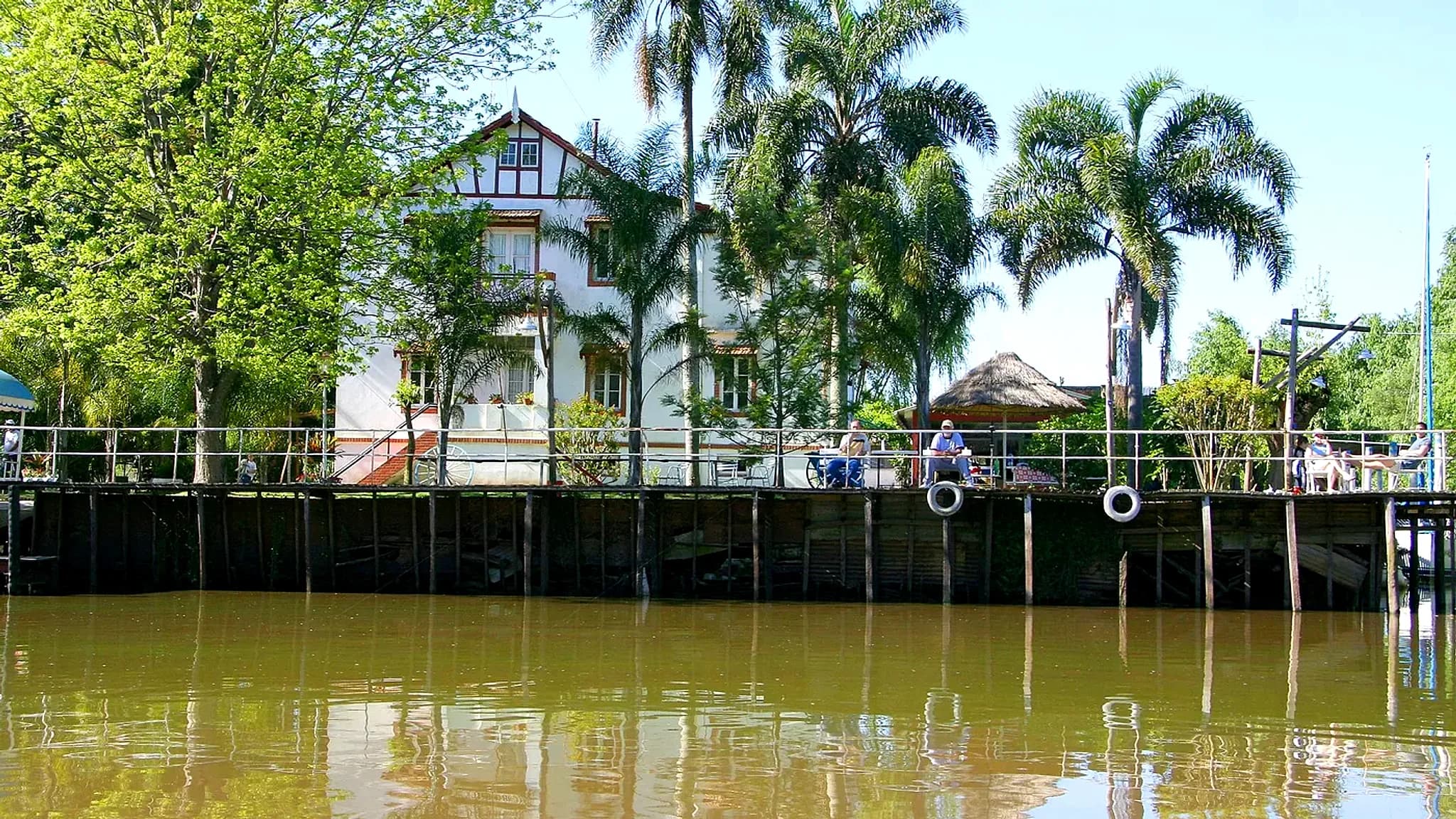
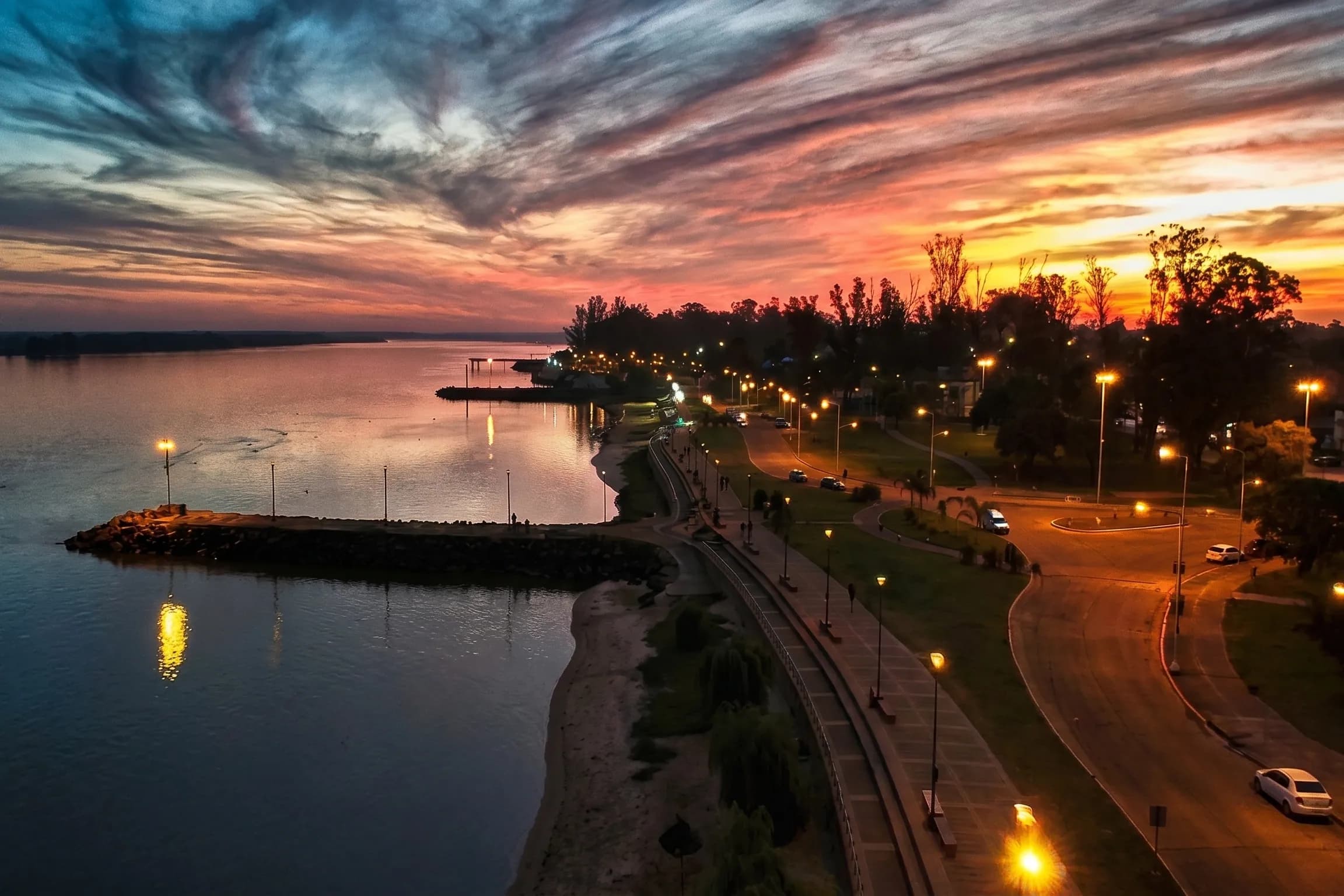
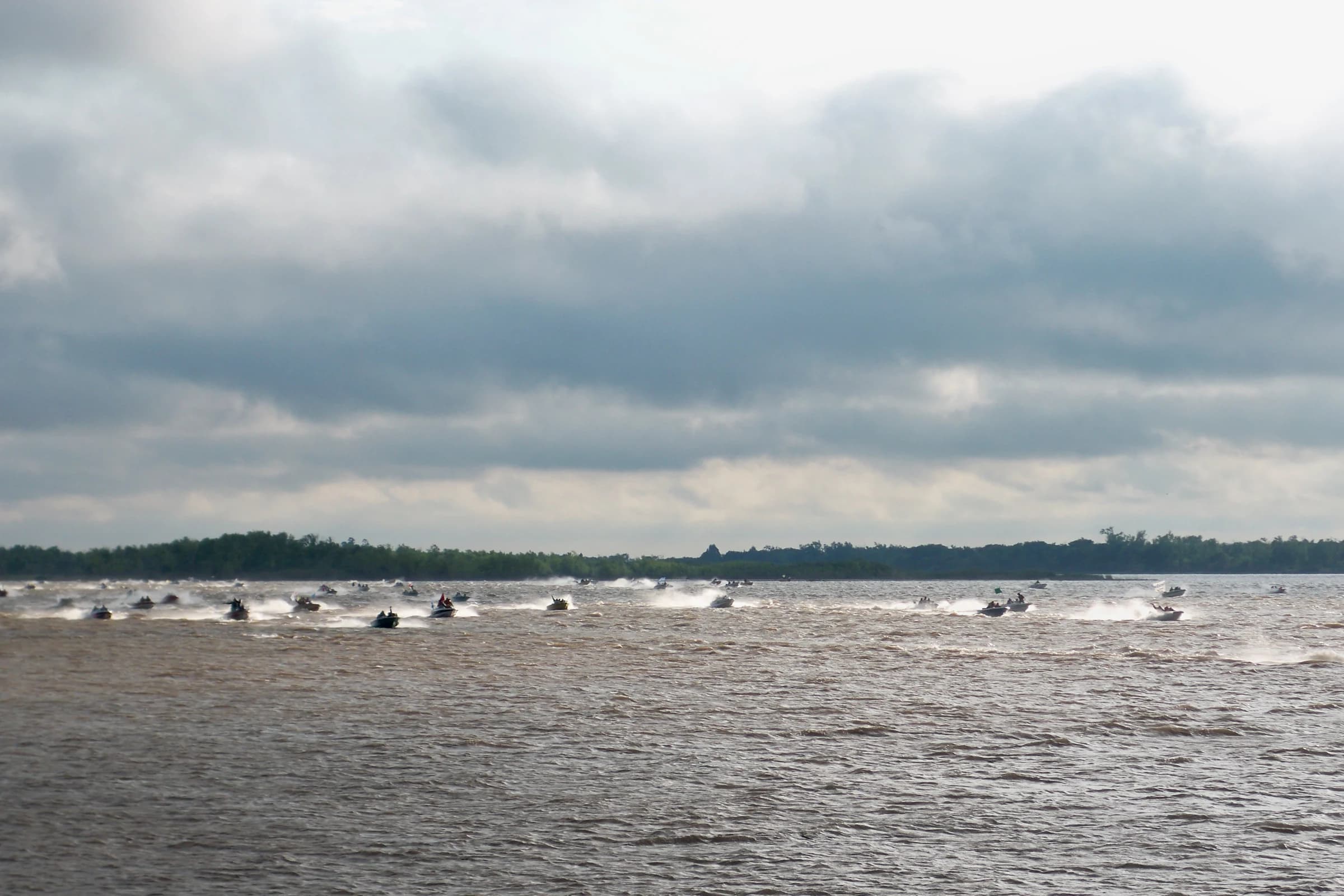
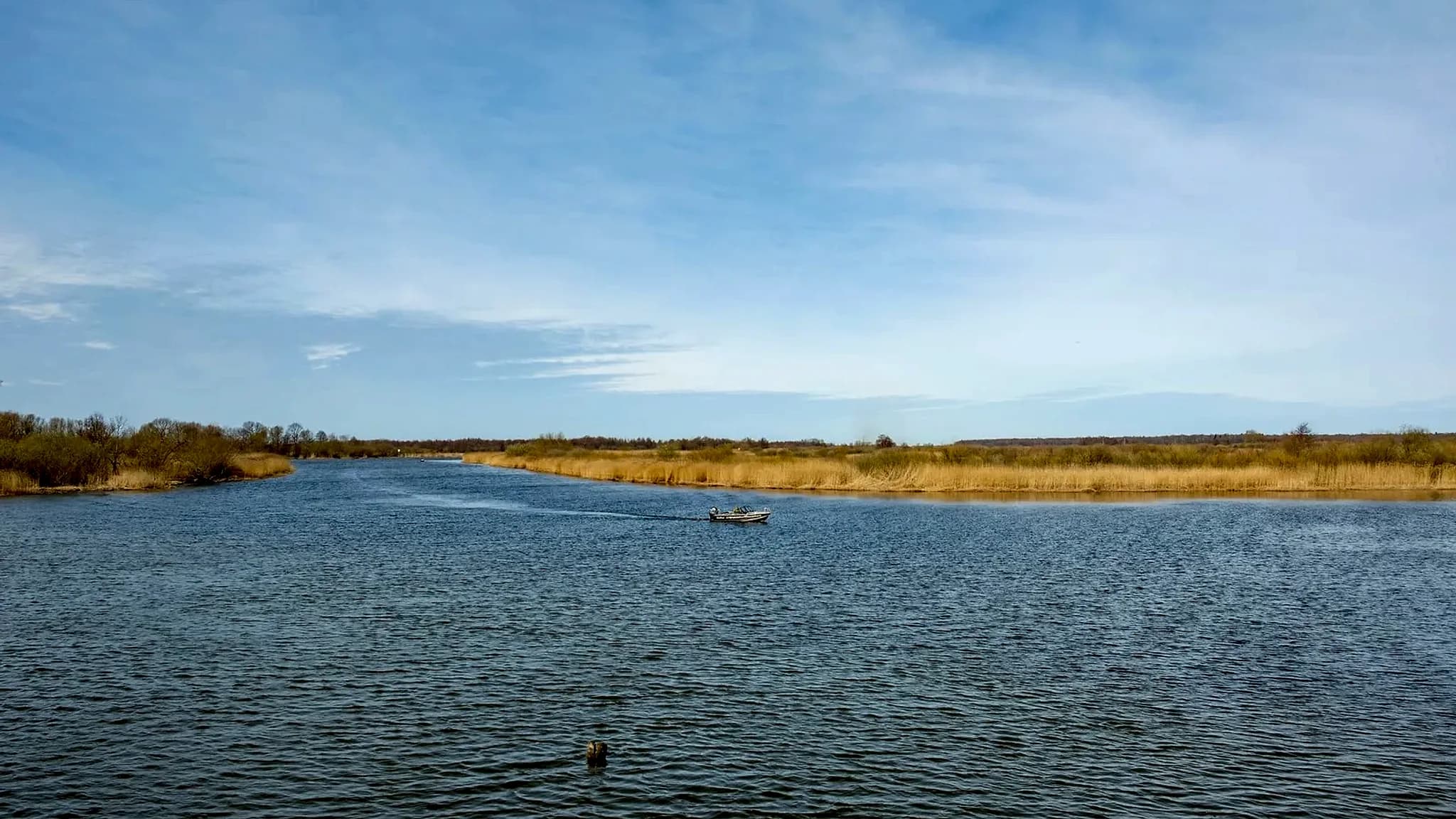
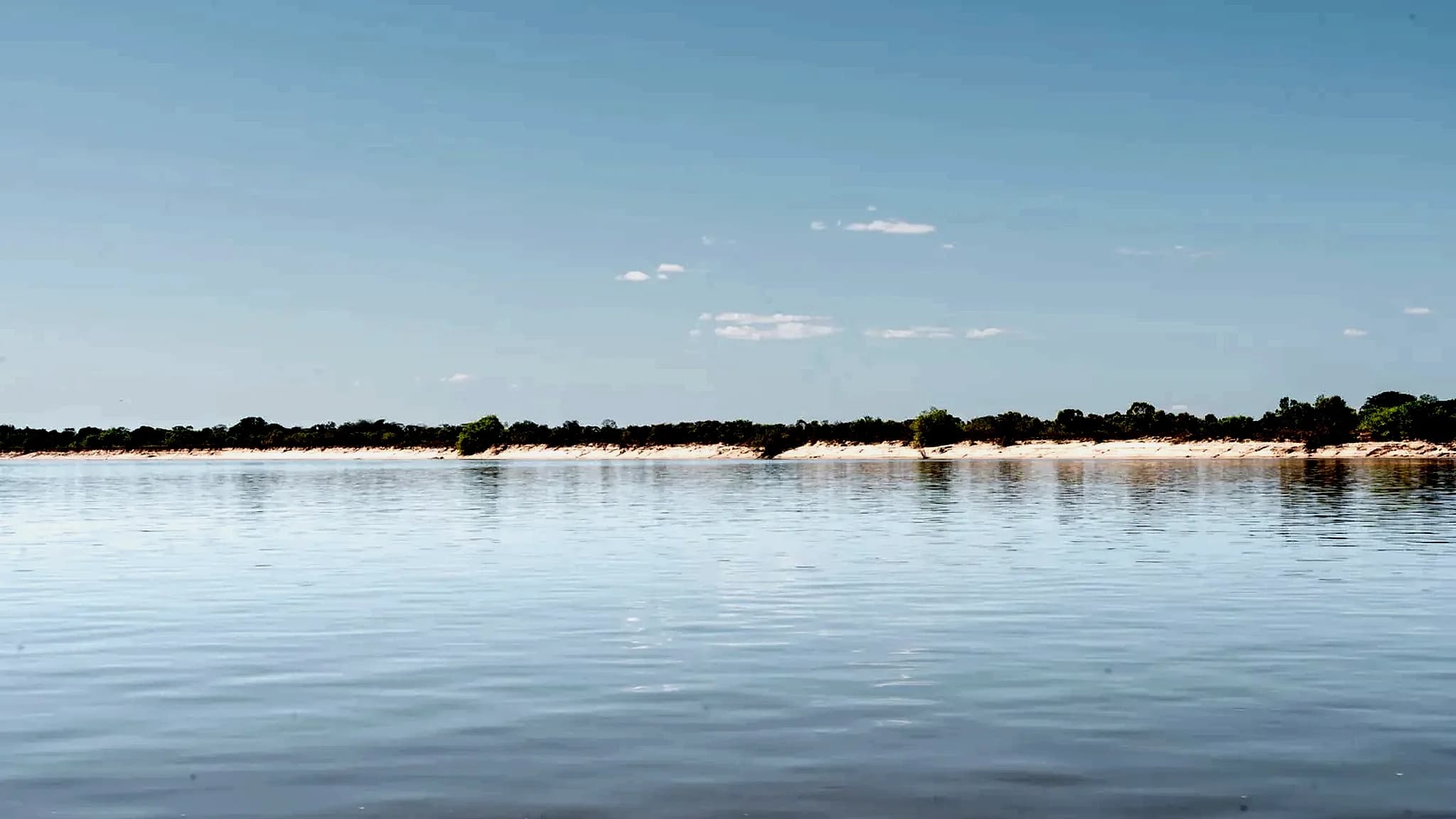
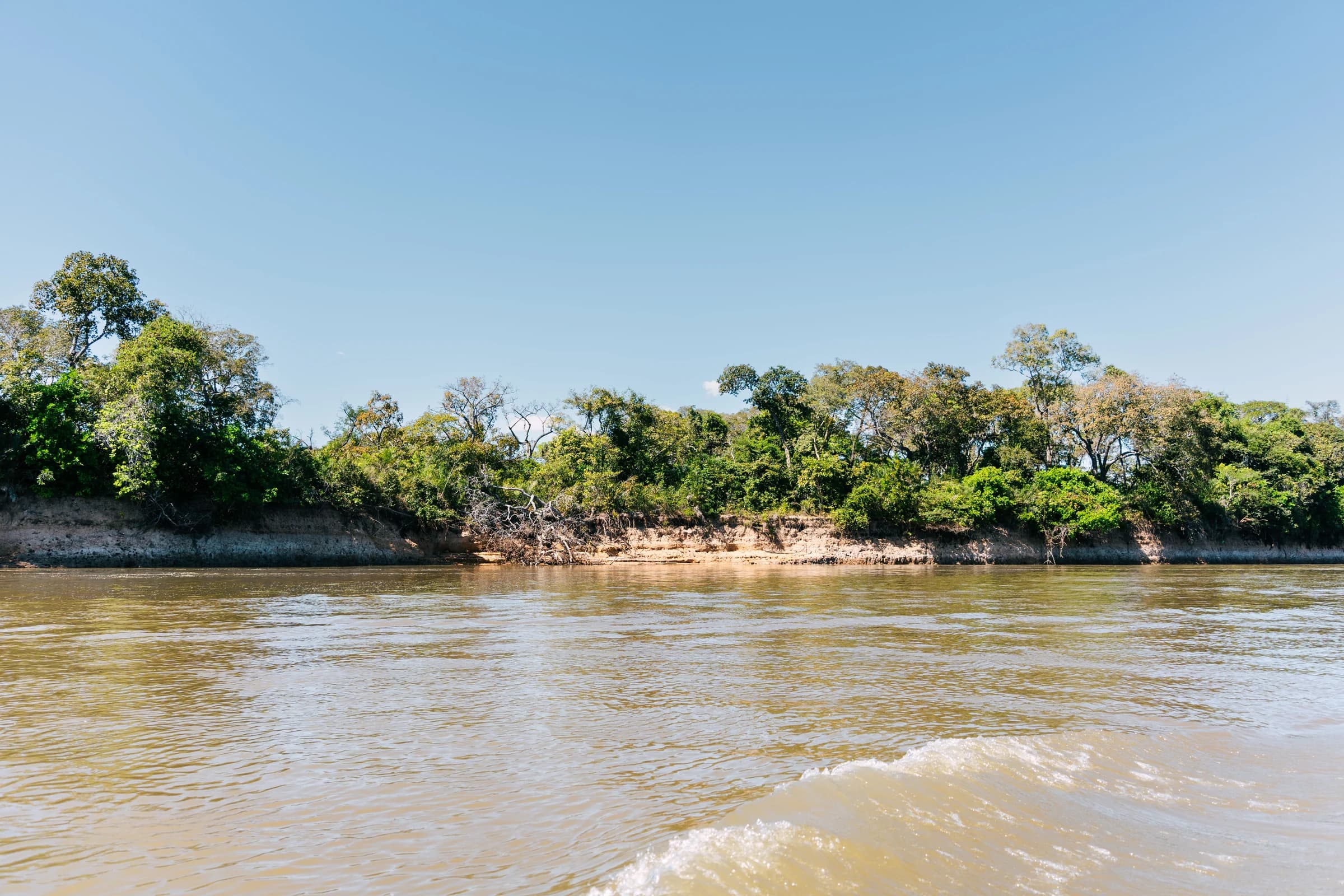
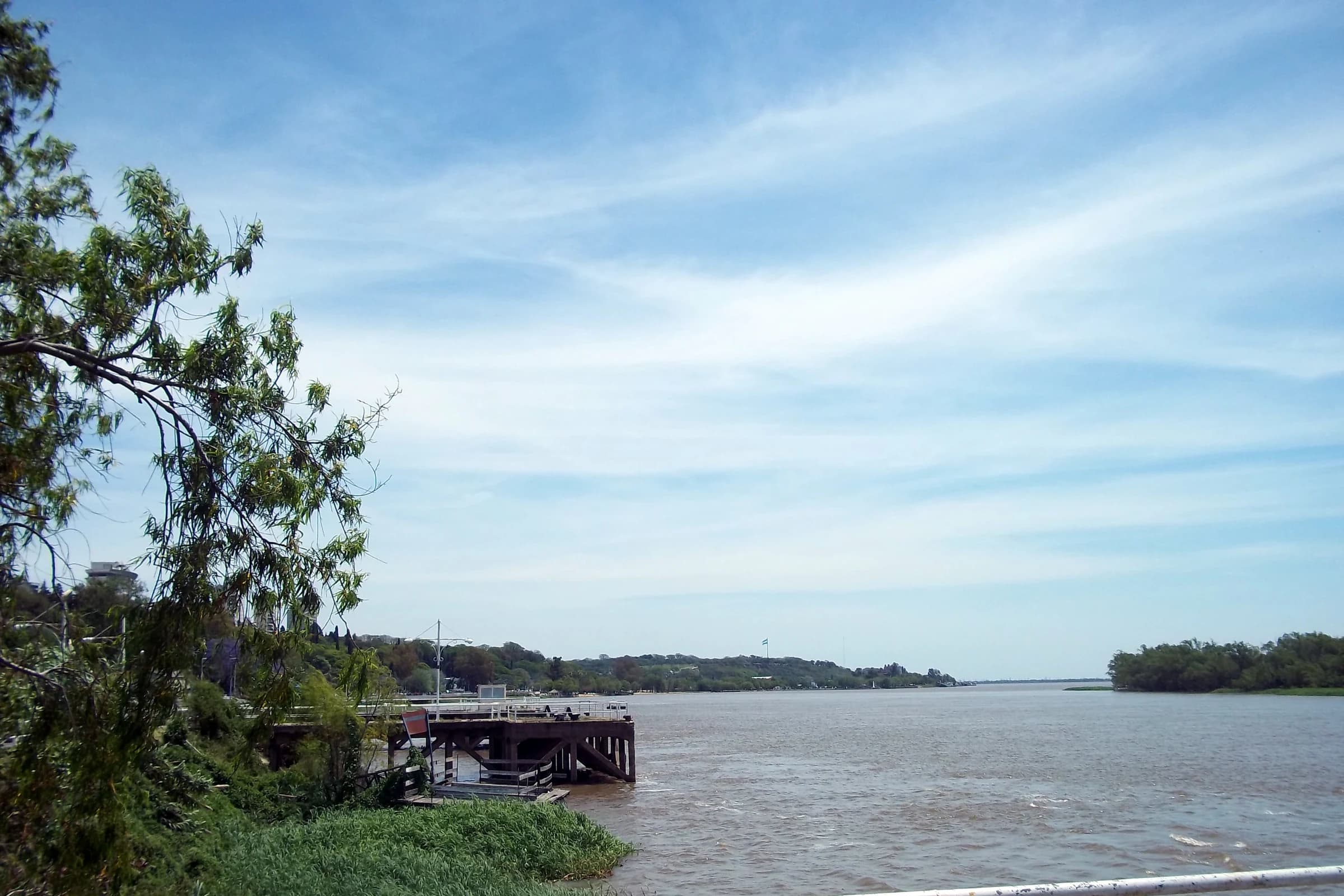
The Dorado inhabits the large, warm, fast-flowing rivers of the Plata Basin. It prefers environments with strong current, oxygenated water, and structure where it can ambush its prey: it is a fish of the current, not of dead water. The great stages are the Paraná and the Paraguay with their whole network of tributaries, streams, and islands, along with the Uruguay river and sectors of the Plata system; it also turns up in some reservoirs and rivers of northern Argentina.
Where you need to look for it is in the structure that breaks or speeds up the current: riffles and runs, river confluences where waters mix, the heads of islands and bars, deep holes at the foot of rock ledges and cutbanks, submerged logs and timber, stream mouths, and eddies alongside the main current. These spots concentrate the forage fish —above all the sábalo— and that is where the dorado sets its ambush. Zones of fast, churning, boiling water, the "hervideros," are classic places to find it active.
As for timing, the best season runs from spring through autumn (roughly September to May), when the water is warm and the fish is more active and voracious. The warm summer waters and the migratory movements of forage fish set off its activity. In the dead of winter, with cold water, it becomes more sluggish and difficult. The river level matters a great deal: falling water tends to concentrate the fish and make them easier to locate, while big floods scatter them through the flooded forest.
Baits and lures
The Dorado is fished both with artificial lures —the premier method for the sport angler— and with live or natural bait. Specific choices depend on the situation:
Artificial lures
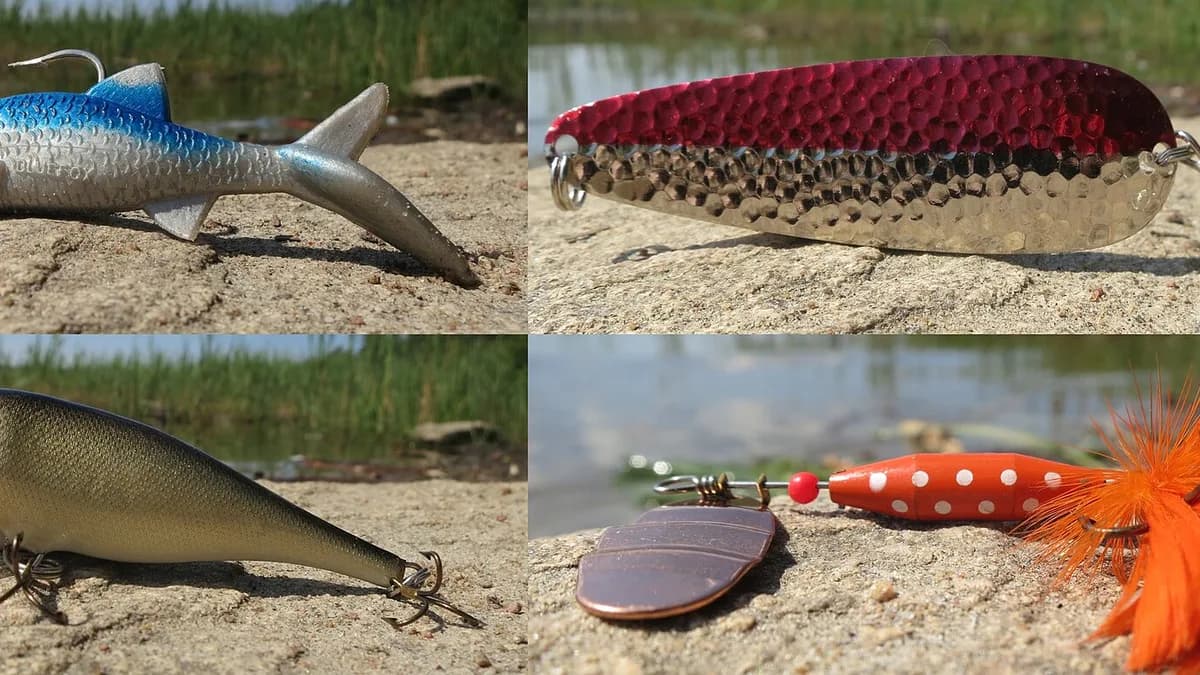
- Wobbling and spinning spoons (Toledo type, heavy chrome or gold spoons): classics that flash and vibrate in the current and let you cover a lot of water. Essential in the box.
- Poppers and topwater lures: when the dorado is active and striking on top, the surface attack is spectacular. Ideal over runs and during peak activity hours.
- Minnows and jerkbaits (swimming plugs): they imitate a wounded forage fish; very effective at mid-depth in deep holes and confluences.
- Jigs and lead-head lures with soft plastic (shad): for working the bottom and the deep current, especially when the river is high.
- Fly streamers: large, flashy patterns (imitations of mojarras and juvenile sábalos) for fly fishing.
Recommended gear
The gear must measure up to a strong fish that runs, jumps, and lives in current with structure. Specific recommendation:
Spinning (standard setup)
- Rod: spinning rod of 1.80 to 2.10 m, medium to medium-fast action and medium / medium-heavy power, with a good response for setting the hook in a hard mouth.
- Reel: a sturdy spinning reel size 3000 to 4000, with a progressive, reliable drag to hold up to the runs.
- Line: braided line of 20 to 30 lb; it gives sensitivity, low stretch for a solid hookset, and the load capacity for big fish.
- Leader: an anti-cut leader is essential because of the teeth: thin flexible steel (coated steel cable) or heavy fluorocarbon of 40-60 lb. Without it, the dorado cuts the line with a single bite.
For trophy specimens or big rivers: step up to a medium-heavy/heavy rod, a 4000-5000 reel, and 30-40 lb braid, with a steel leader.
Fly fishing
- Rod: #8 to #10, fast, to move large streamers and fight in current.
- Reel: with a good disc drag and backing capacity.
- Line: WF (weight forward) matched to the rod number; in fast water a sinking tip may be advisable.
- Tippet / leader: finish with an anti-cut section of steel or heavy fluorocarbon, just as in spinning.
Key accessories: strong, well-sharpened hooks (ideally barbless if you're going to release), long pliers to unhook without hurting yourself on the teeth, and if you practice catch and release, a knotless/rubber net and gloves to handle the fish carefully.
Fishing techniques
The Dorado can be targeted several ways; the most used and effective in Argentina are:
Spinning (the most popular)
- Locate structure with current: a run, the head of an island, a river confluence, or a deep hole at the foot of a cutbank.
- Cast the lure upstream or across, and retrieve it letting the current bring it to life.
- Vary the speed and add twitches (jerking) to imitate a wounded fish; many strikes come when you pause or speed up.
- When it hits, set the hook hard: the dorado's mouth is hard and bony, and a soft hookset won't penetrate.
- During the fight, keep constant pressure but let it run; it will jump shaking its head —drop the rod on the jump ("bow to the fish") so it doesn't throw the hook.
Trolling: dragging minnows or spoons behind the boat is very effective for combing long stretches of river and locating active fish, especially in broad waters.
Drift fishing: letting the boat drift down with the current while presenting live bait or a lure near the bottom, covering deep holes and runs in a natural way.
Fly fishing: growing fast; it uses powerful gear (#8-#10 lines) and large streamers. You cast to the structure and retrieve in strips. It demands a good cast and adrenaline-charged fights.
Bottom / still fishing: with natural bait laid on the bottom or suspended in deep holes, more passive but valid when the fish isn't aggressive.
Guide's tips: the best hours are usually dawn and dusk, and overcast days or shifting pressure fire up the bite. Pay attention to the "hervideros" where juvenile sábalos scatter at the surface: there's almost always a dorado hunting below. Always use an anti-cut leader. And if you're going to release the fish —highly recommended—, handle it with wet hands, minimize time out of the water, and revive it facing into the current before letting it go.
Closed season & regulations
Closed seasons, minimum size and bag limits for golden dorado are set by each province and change every year. The current rule is on each spot's page: confirm it before heading out.
Read the full note
The Dorado is a species that requires responsible management. There are closed seasons (vedas) —periods when fishing is prohibited or restricted— whose purpose is to protect reproduction: during the spawning season the fish concentrate and are more vulnerable, and respecting the closed season ensures there will be dorados next year. In addition, in many waters catch and release is in force or strongly encouraged, an increasingly widespread culture aimed at conserving the fish, especially the large breeders, by returning them alive to the water.
Important: the closed-season dates, the minimum legal size, the catch limit (how many fish you may keep), and the release rules vary by province and change from year to year. Each jurisdiction in the basin (Corrientes, Entre Ríos, Santa Fe, Misiones, Chaco, Formosa, Buenos Aires, etc.) sets its own regulations, and some stretches have special rules.
For that reason, before heading out to fish, always check the official and current information from the relevant provincial authority —the Dirección de Fauna, Recursos Naturales, or the fishing agency of each province— to confirm the closed season, minimum size, catch limit, and the need for a fishing permit or license. The official regulation is the only valid source and may have changed since previous seasons. Fish informed, respect the closed season, and whenever you can, release the fish: it's the best way to protect the species that makes our rivers great.
Shops & clubs in the area
Ready to chase golden dorado? Find guides who target this species and message them.
Plan your trip hereDo you guide golden dorado trips? Join for free and show up here →
Read before you go
Frequently asked questions about golden dorado
Can you fish for Golden dorado right now, in October?
Yes: October falls within the golden dorado season. Its best time of year is nov–feb. Before heading out, check the fishing rule for the spot: closed seasons are set by each province.
What's the best time to fish Golden dorado?
The best time for golden dorado is nov–feb. Check each place's page for the bite calendar and to respect current closed seasons.
Where can you fish Golden dorado in Argentina?
Some of the best places to fish golden dorado are Paraná Medio, Río Uruguay (Concordia), Esteros del Iberá, Río Corriente. On PESQA you get the map, access info, seasons and verified guides for each one.