Photos: rodoluca (CC BY-SA 3.0) — via Wikimedia Commons
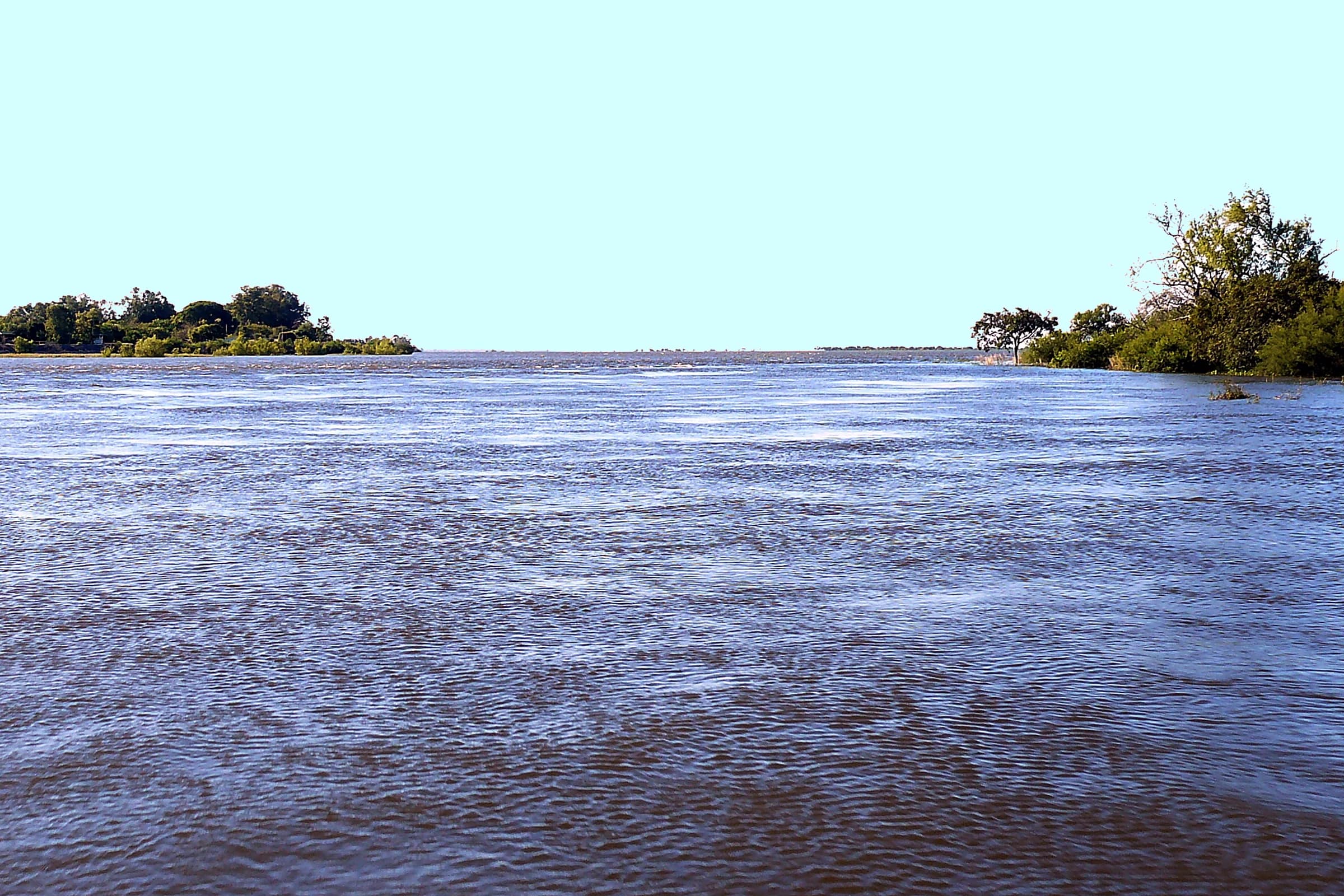
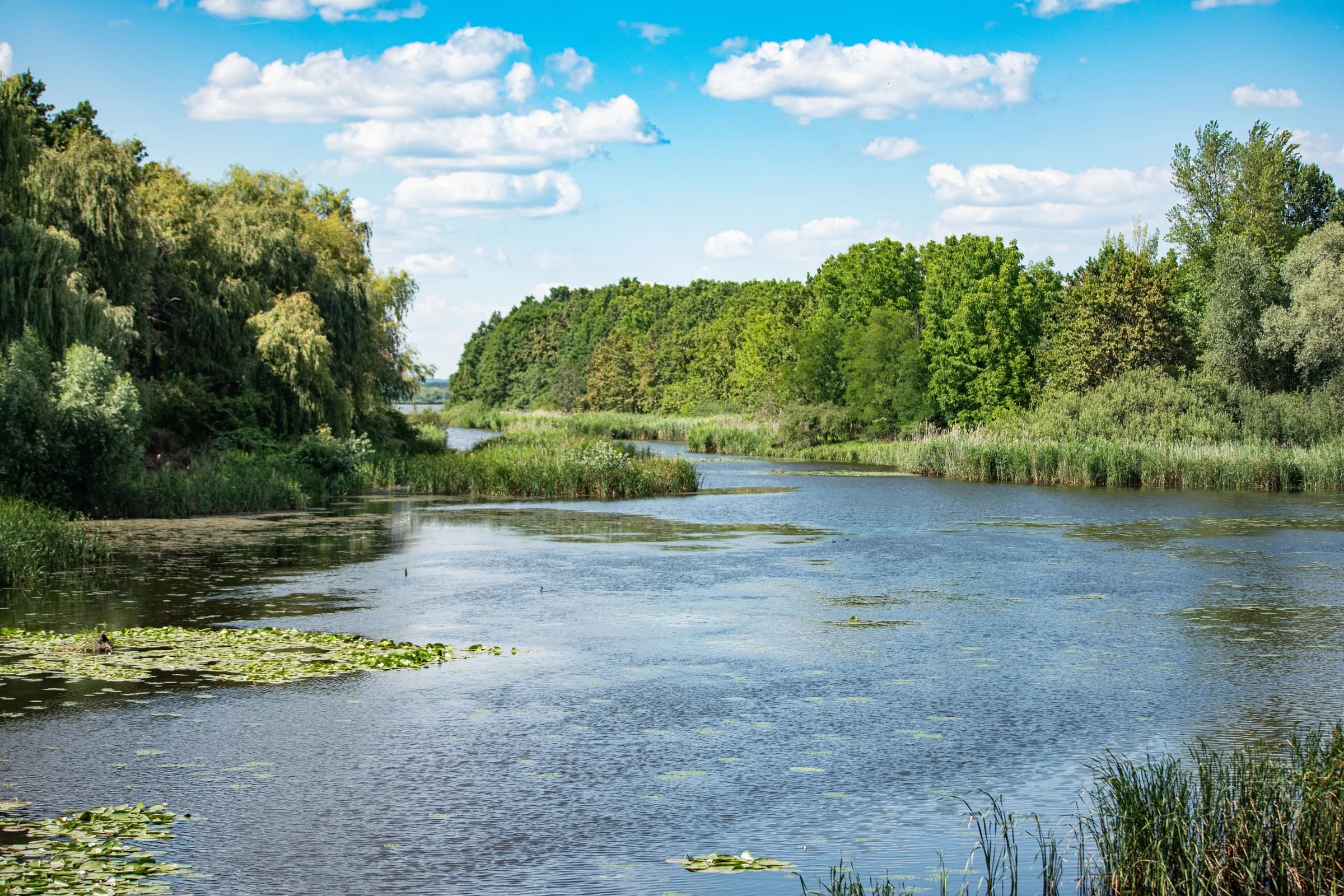
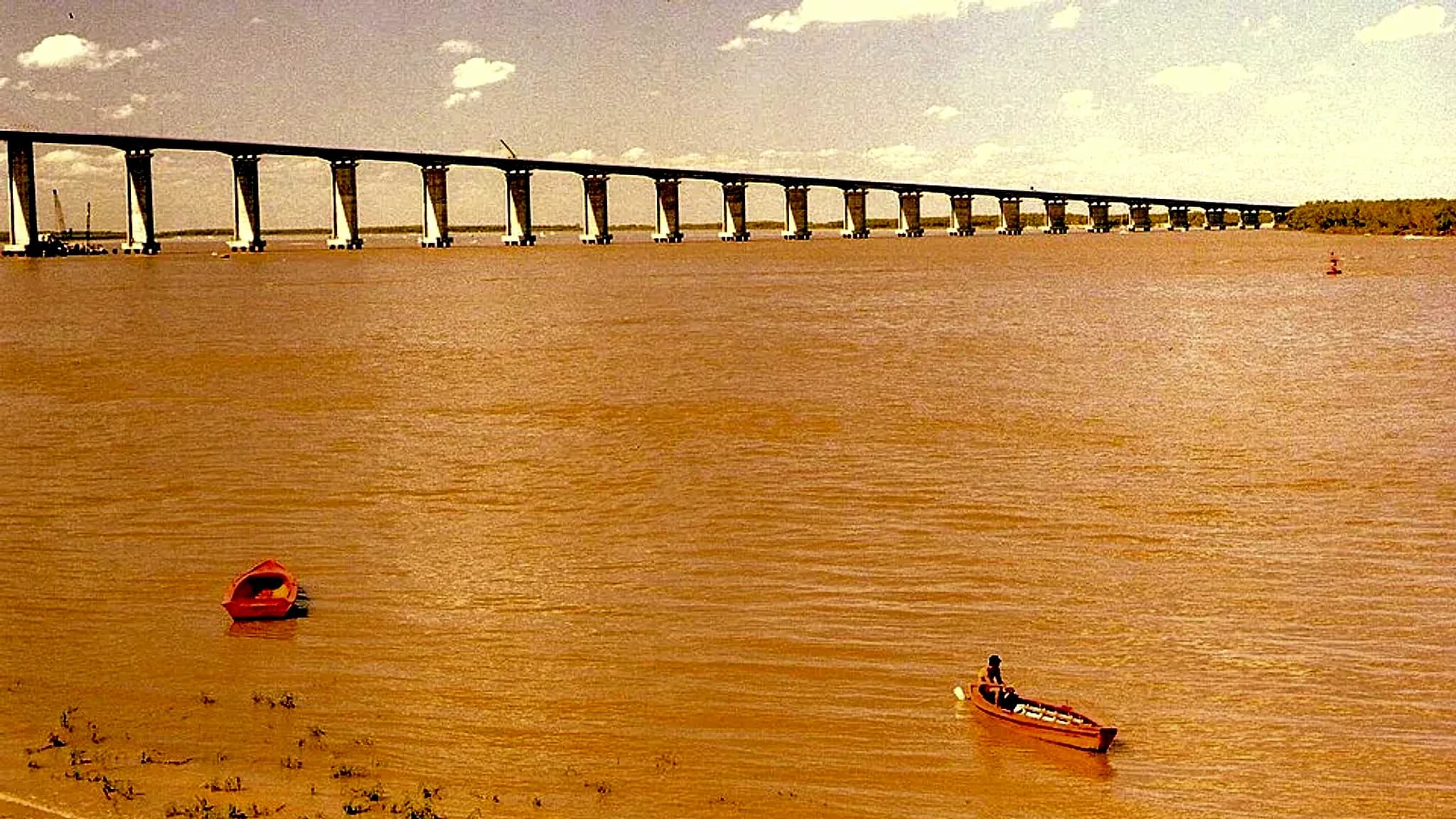
El Paraná santafesino corre inmenso hacia el norte, en la zona de La Paz y Reconquista, un laberinto de islas, riachos y barrancas con una diversidad que asombra. Manda el surubí y su primo el surubí atigrado, y los acompañan la boga, el patí, el manduví, el armado, el chafalote y una constelación de bagres, sumado a la tararira y el pejerrey.
A los grandes surubíes se los busca de fondo en los pozones profundos, con carnada y preferentemente de noche, para lidiar con esos peces de cuero que pelean a puro tirón; la boga y el patí dan buena acción de fondo con masa, maíz o lombriz. La tararira sale a cazar entre la vegetación en verano, con señuelos de superficie y acero en el bajo, mientras el pejerrey pide agua fresca y línea fina. En términos generales, las aguas cálidas de la primavera al otoño son el mejor momento, siempre con medidas y devolución. Río ancho, camalotes y horizonte de agua.
Dorado: devolución obligatoria (cupo 0).
At Río Paraná (Santa Fe) you can catch Tiger surubí, Argentinian silverside (pejerrey), Trahira (tararira), Yellow catfish, Boga, Surubí (spotted catfish), Pirá pitá (river salmon), Palometa, Golden dorado, Patí (catfish), assorted river fish. Allowed styles: River.
Se accede desde las localidades ribereñas del norte santafesino, como La Paz o Reconquista, con bajadas de lancha y guías baqueanos de la zona de islas. Conviene salir embarcado y consultar en el club de pesca local por el estado del río.
Necesitás el permiso de pesca deportiva de la provincia de Santa Fe. En surubí y otras especies rigen medidas, cupos y vedas: revisá el reglamento vigente y priorizá la devolución.
Base data: OpenStreetMap (ODbL)
Dropping and settling: a good window to head out.
| Season | JAN | FEB | MAR | APR | MAY | JUN | JUL | AUG | SEP | OCT | NOV | DEC | IDX | NOW |
|---|---|---|---|---|---|---|---|---|---|---|---|---|---|---|
| Argentinian silverside (pejerrey). PEAK JUN–AUG | 80 | Excellent | ||||||||||||
| Yellow catfish. PEAK OCT–FEB |
The number (0 to 100) sums up how likely the species is to be active here this month: it weighs the season, recent catch reports and, where there is a river gauge, the water level.
The tiger sorubim is a big, strong fish that fights in current and against structure, so you need robust, reliable gear. The rule is not to underestimate it: a medium fish in current already demands a lot from your tackle.
For bottom fishing / drifting with bait:
For spinning with lures:
Always add long pliers for unhooking, gloves to handle the fish safely, and a net or lip grip to hold it without hurting it if you're going to release it.
No one has reported from this spot yet. Fished here? Tell us how it went — you'll help the next angler.
Dorado: devolución obligatoria cupo 0 .
| 55 |
| Good |
| Tiger surubí. PEAK NOV–FEB | 25 | Off |
|---|
| Trahira (tararira). PEAK DEC–FEB | 25 | Off |
|---|
| Boga. PEAK OCT–DEC | 25 | Off |
|---|
| Surubí (spotted catfish). PEAK NOV–FEB | 25 | Off |
|---|
| Pirá pitá (river salmon). PEAK NOV–FEB | 25 | Off |
|---|
| Palometa. PEAK JAN–FEB | 25 | Off |
|---|
| Golden dorado. PEAK NOV–FEB | 25 | Off |
|---|
| Patí (catfish). PEAK NOV–JAN | 25 | Off |
|---|
The pejerrey is a medium-sized fish with a delicate mouth, so the tackle leans to the fine and sensitive side. A recommended setup:
The philosophy of the tackle is simple: the finer and more sensitive it is, the more bites you will detect and the more you will enjoy the fight of this silver fish.
For the tararira a light-to-medium outfit is best, sturdy but comfortable to cast for hours. The setup depends on the method, but these are the specific recommendations:
Rod:
Reel:
Line:
Leader (essential):
Accessories:
Light bottom fishing with live or cut bait (worm, baitfish) and medium hooks. From shore or boat; good night fishing.
Light-to-medium gear, small hooks and plant-based bait (dough, corn) or worm. On the bottom or floating in the rapids; a favorite in shore competitions.
The surubí is a large, powerful fish caught in fast-flowing rivers with structure, so the tackle has to be up to it. Concrete recommendations:
For bottom fishing / drifting with bait:
For spinning / trolling with lures:
In every case, the rule is oversize rather than come up short: a surubí of over 20 kg in full current, trying to bury itself in the logs, forgives neither weak tackle nor loose knots. Always check the condition of your line, your knots, and the sharpness of your hooks before each outing.
Medium spinning or baitcasting gear, 0.30–0.40 mm line and a fluorocarbon leader (no steel needed, unlike the dorado). Small surface and mid-water lures, or a #6–8 fly with fruit and insect imitations.
Medium tackle with a steel leader. Careful unhooking: the teeth cut.
The gear must measure up to a strong fish that runs, jumps, and lives in current with structure. Specific recommendation:
Spinning (standard setup)
For trophy specimens or big rivers: step up to a medium-heavy/heavy rod, a 4000-5000 reel, and 30-40 lb braid, with a steel leader.
Fly fishing
Key accessories: strong, well-sharpened hooks (ideally barbless if you're going to release), long pliers to unhook without hurting yourself on the teeth, and if you practice catch and release, a knotless/rubber net and gloves to handle the fish carefully.
Heavy bottom fishing, cut or live bait and large hooks. At night in Paraná pools; a good-sized, powerful fish.