San Juan
Reference image by PESQA — not a photo of the place
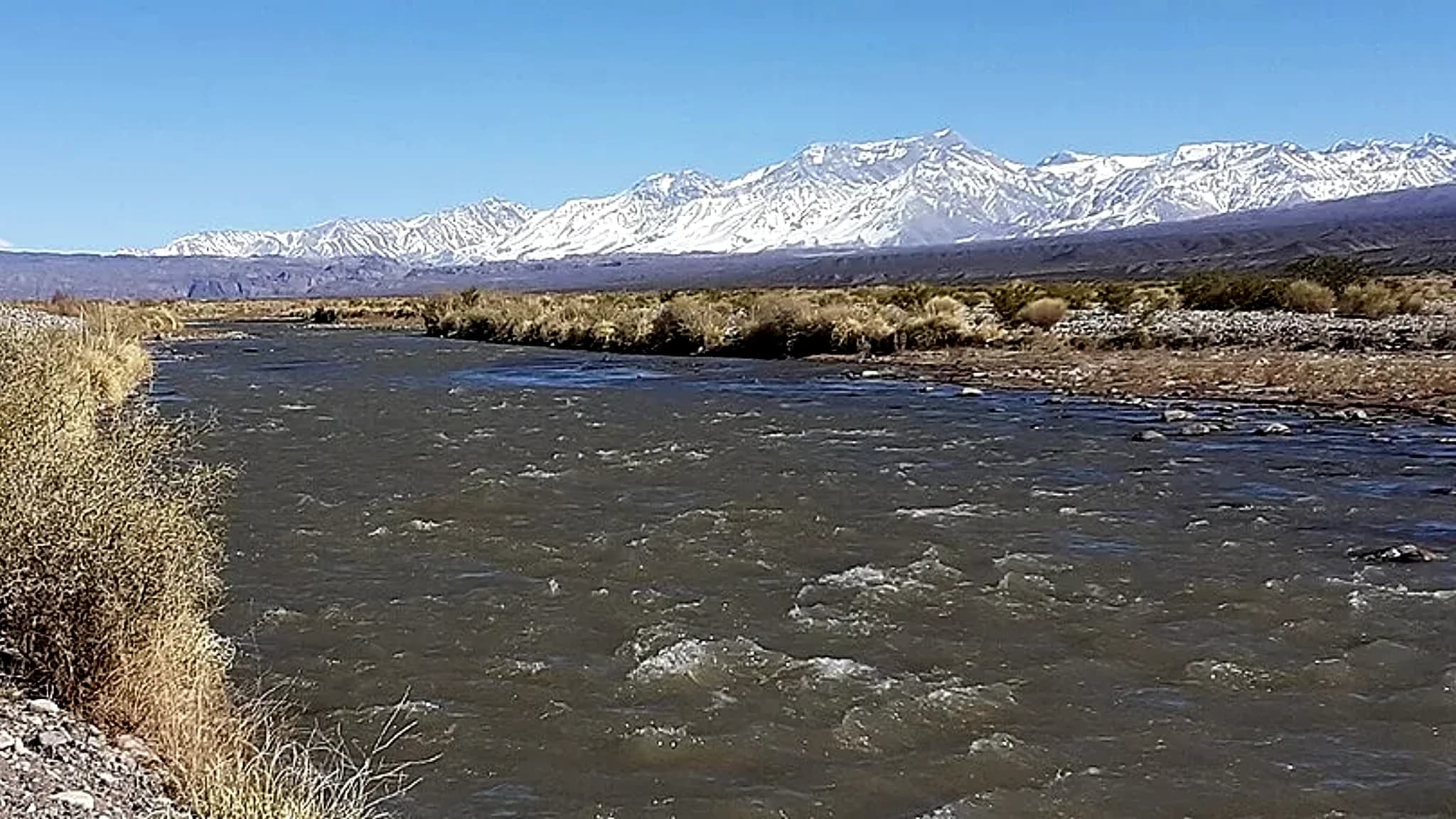
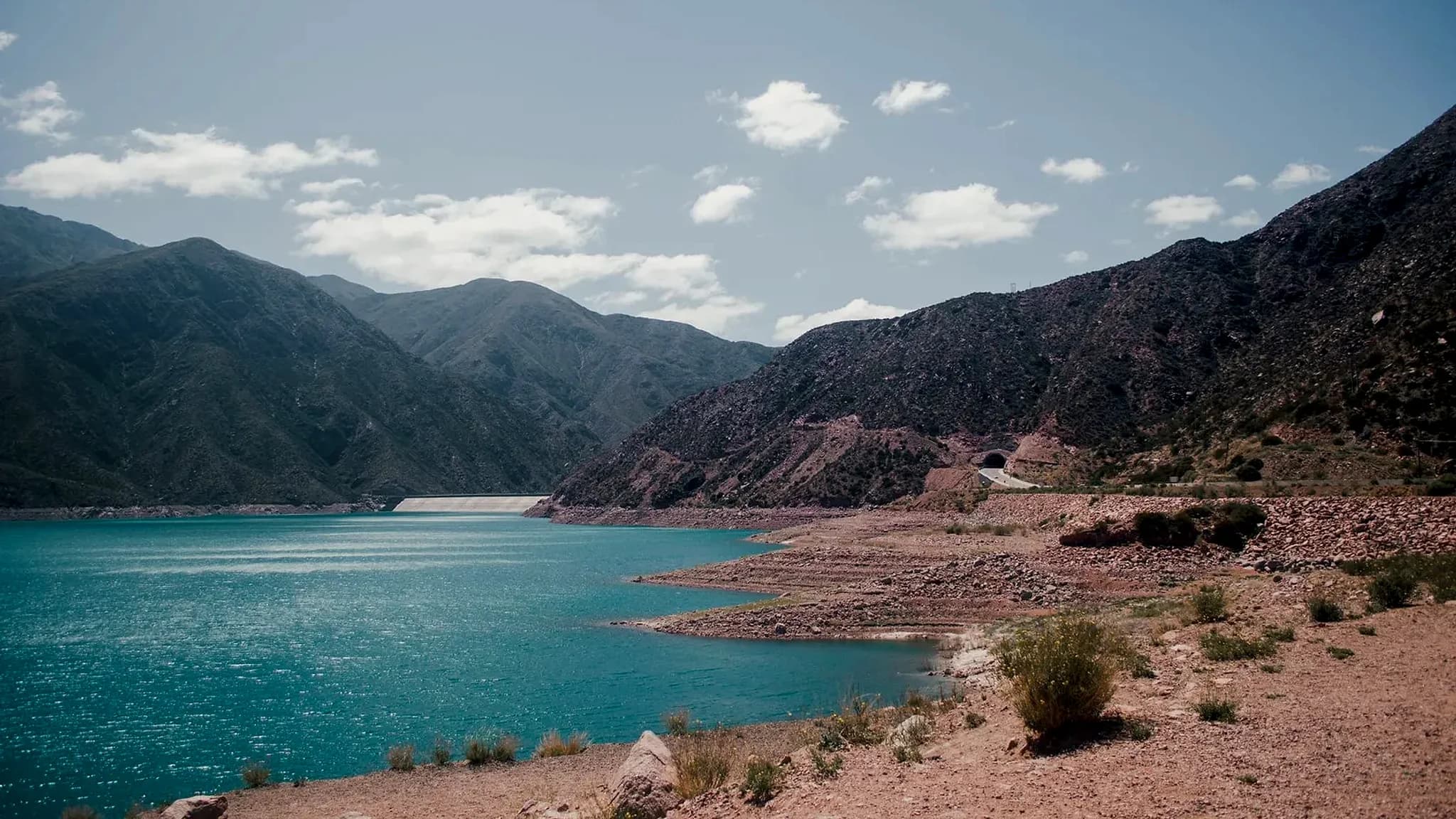
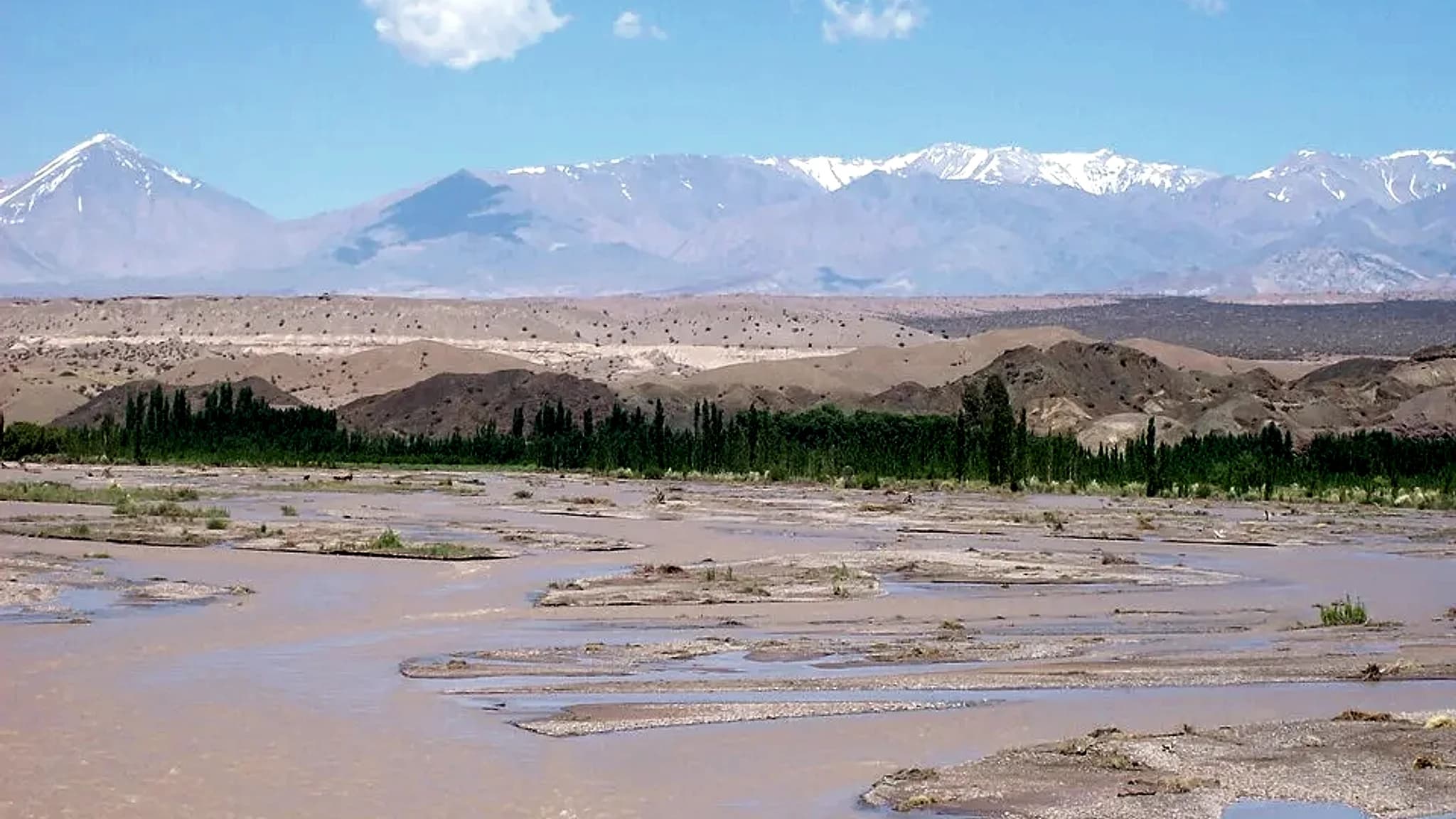
Afluente cordillerano del río Castaño, en el ámbito de Calingasta, el río Castaño Viejo es un curso de deshielo que corre encajonado entre laderas áridas y cielos altísimos. Frío, transparente cuando el caudal cede, guarda trucha arcoíris, marrón y de arroyo en sus pozones y correderas.
Es pesca de vadear con cuidado y leer el agua: ninfas al fondo de los pocitos, streamers en los remansos más hondos, y alguna seca en la superficie cuando aparece actividad. El spinning con cucharitas chicas rinde en las corridas, y la marrón premia al que insiste en los reparos junto a la orilla. En términos generales, los momentos de aguas más bajas y claras, del otoño al arranque primaveral, son los que dan mejor pesca. Río de montaña honda, de esos que se ganan caminando, con el rumor del deshielo como única compañía.
ATENCIÓN: no está confirmado qué tramo cubre esta ficha. La Res. 956-SEAyDS-2025 de San Juan no nombra ningún Río Castaño Viejo, y en San Juan el default es la VEDA: el Anexo I art. 36 cierra todo el año todo curso que la norma no nombre expresamente. Si este arroyo no es el Río Castaño sino un afluente lateral, está vedado los 365 días. No salgas sin confirmarlo con la Secretaría de Ambiente y Desarrollo Sustentable.
At Río Castaño Viejo (San Juan) you can catch Brook trout, Brown trout, Rainbow trout.
Original text in Spanish: “En la zona de Calingasta, se accede por caminos que remontan hacia la cordillera siguiendo el sistema del Castaño; algunos tramos son de acceso agreste. Verificá localmente rutas y estado del río.”
Original text in Spanish: “Se requiere el permiso de pesca de la provincia de San Juan: revisá el reglamento, las fechas de temporada y los sectores autorizados según la época.”
Now 11° · wind 6 km/h N
Base data: Wikidata (CC0)
| Season | JAN | FEB | MAR | APR | MAY | JUN | JUL | AUG | SEP | OCT | NOV | DEC | NOW |
|---|---|---|---|---|---|---|---|---|---|---|---|---|---|
| Brook trout. In season: NOV–APR. Peak: MAR–APR | Off | ||||||||||||
| Brown trout. In season: NOV–APR. Peak: MAR–APR | Off | ||||||||||||
| Rainbow trout. In season: NOV–APR. Peak: MAR–APR | Off |
Dark: each species' peak months. Medium: its season at this place.
For a species of 0.5 to 2 kg that lives in cold streams and lagoons, the ideal gear is light and sensitive, allowing you to enjoy the fight and present small lures and flies with precision.
Spinning:
Fly:
Round it out with barbless hooks if you are going to practice catch-and-release, a hook-removal tool (forceps), a soft-mesh (rubber) net so as not to harm the fish, and waders if you are going to wade into the cold water.
Gear is chosen according to the environment and the expected size. A versatile, concrete setup:
No one has reported from this spot yet. Fished here? Tell us how it went — you'll help the next angler.
There is not a single guide or place to stay loaded in the area yet, and people are already looking for where to fish here. Your PESQA listing is free and puts you in front of whoever is planning the trip.
It's free · no card
Original text in Spanish: “ATENCIÓN: no está confirmado qué tramo cubre esta ficha. La Res. 956-SEAyDS-2025 de San Juan no nombra ningún Río Castaño Viejo, y en San Juan el default es la VEDA: el Anexo I art. 36 cierra todo el año todo curso que la norma no nombre expresamente. Si este arroyo no es el Río Castaño sino un afluente lateral, está vedado los 365 días. No salgas sin confirmarlo con la Secretaría de Ambiente y Desarrollo Sustentable.”
In October the species of Río Castaño Viejo are past their best moment. Off season does not mean there is a closed season.
In Río Castaño Viejo it is worth going when its main species bite: Brook trout (NOV–APR); Brown trout (NOV–APR); Rainbow trout (NOV–APR).
Río Castaño Viejo is in the province of San Juan.
Spinning (general use, rivers and lakes):
Fly fishing:
Recommended accessories: rubber net (less harm to the fish for release), forceps for removing hooks, barbless hooks, and waders for safe wading in cold water.
The gear is matched to the setting and the size of trout you are after, but these setups cover most situations in Argentina:
Spinning (general use, trout of 1 to 3 kg):
Fly:
For trophy specimens (5-10+ kg at the Strobel): step up the power—medium/medium-heavy spinning with 15-20 lb braid and a robust fluoro leader, or a 7/8 fly outfit—because these are fish with strength and runs far superior to the average trout.
In every case: a well-adjusted drag, sharp hooks (barbless if you are going to release), and a rubber net to handle the fish with the least possible harm.