Brook trout
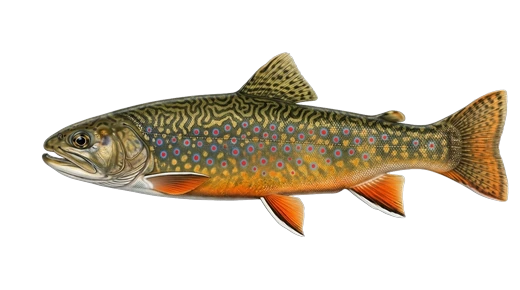
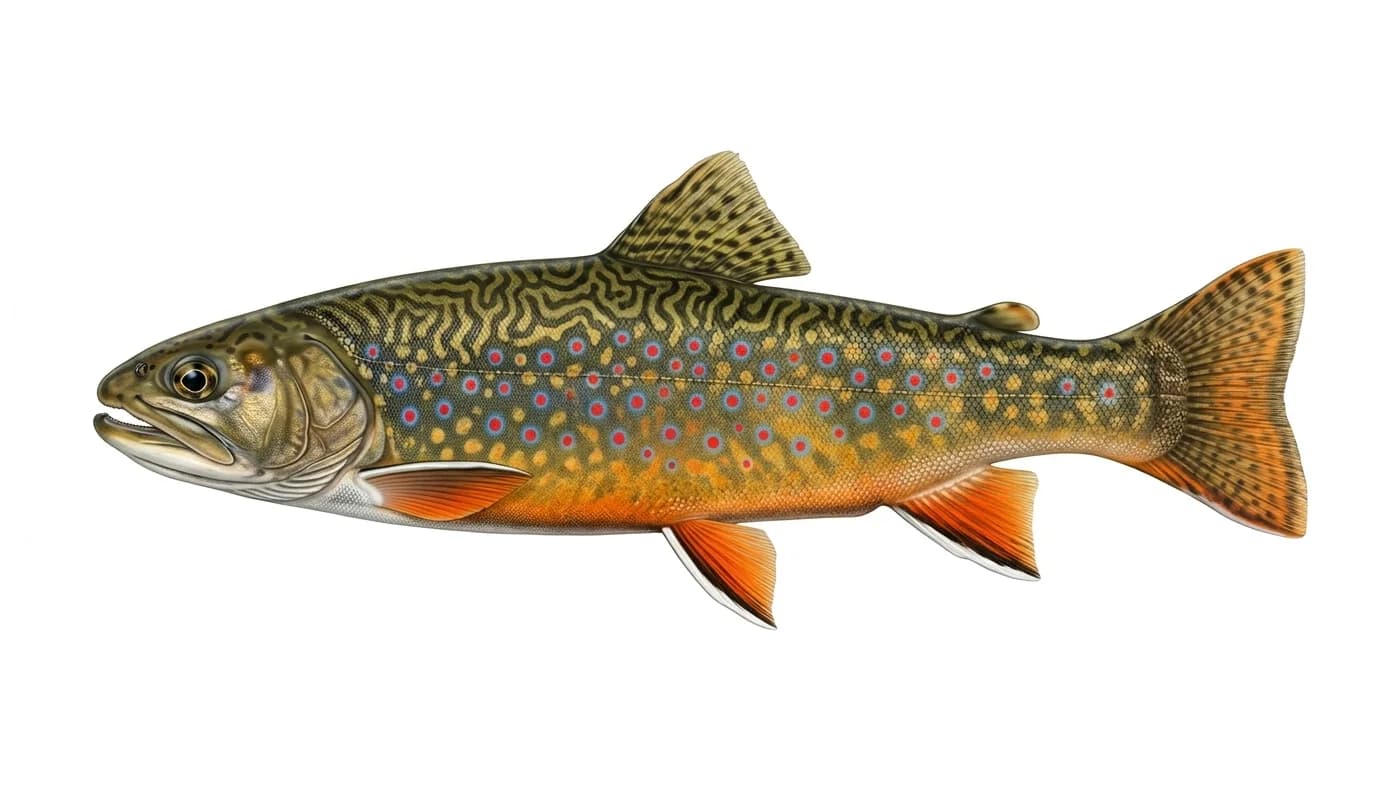
The brook trout is a freshwater fish of the salmonid family, native to eastern North America and introduced into Argentine Patagonia at the beginning of the 20th century.
Out of season · starts in NovemberWhere to fish

Season
- Off
- In season
Tap it to see it in 3DClick it to see it in 3D
The creek jewel
Every brook trout you post with a photo counts toward your Pesquedex. Bronze comes with the first catch; silver and gold ask for a variety of spots and provinces.
Recent Brook trout catches
Nobody has posted a brook trout report yet. Post yours with a photo: you get the catch card and the bronze medal.
Be the first →Habitat
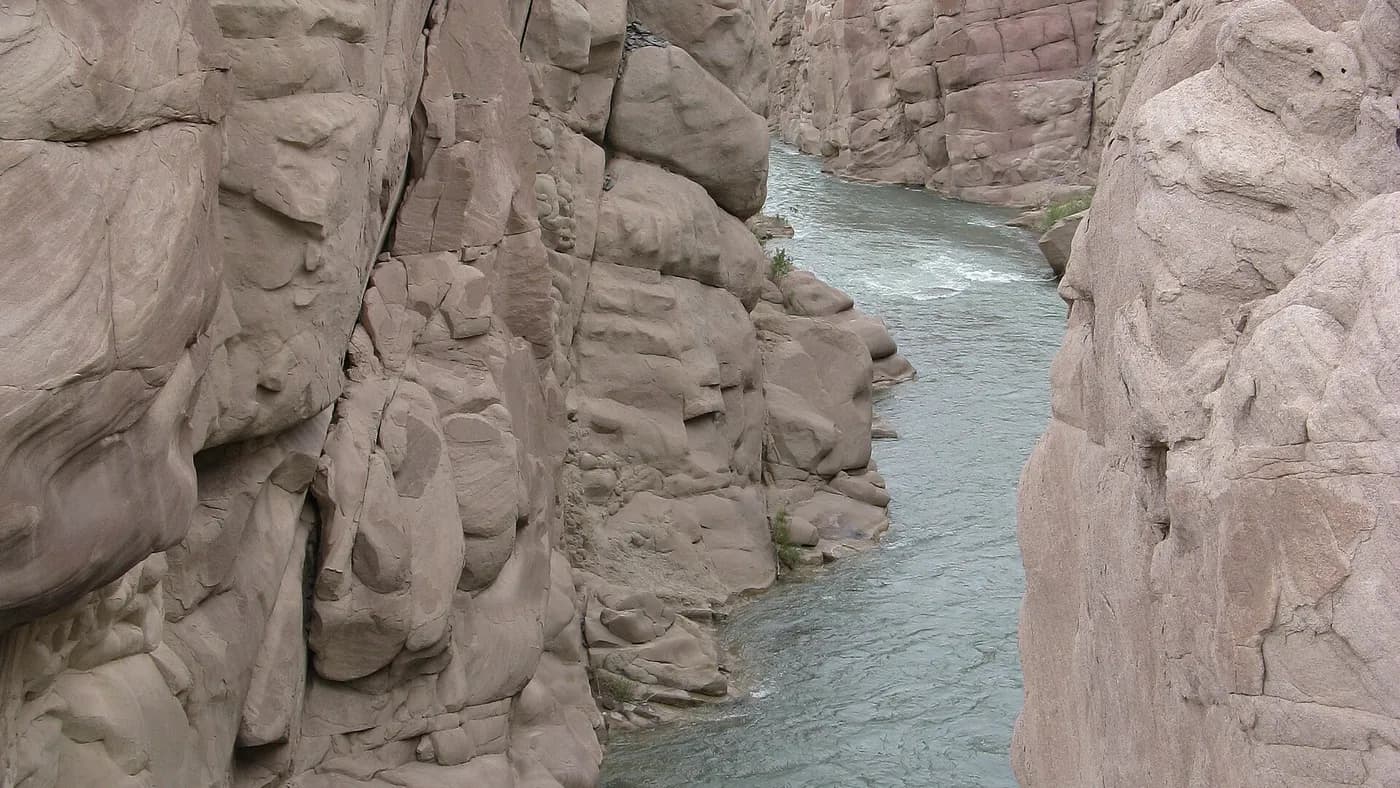
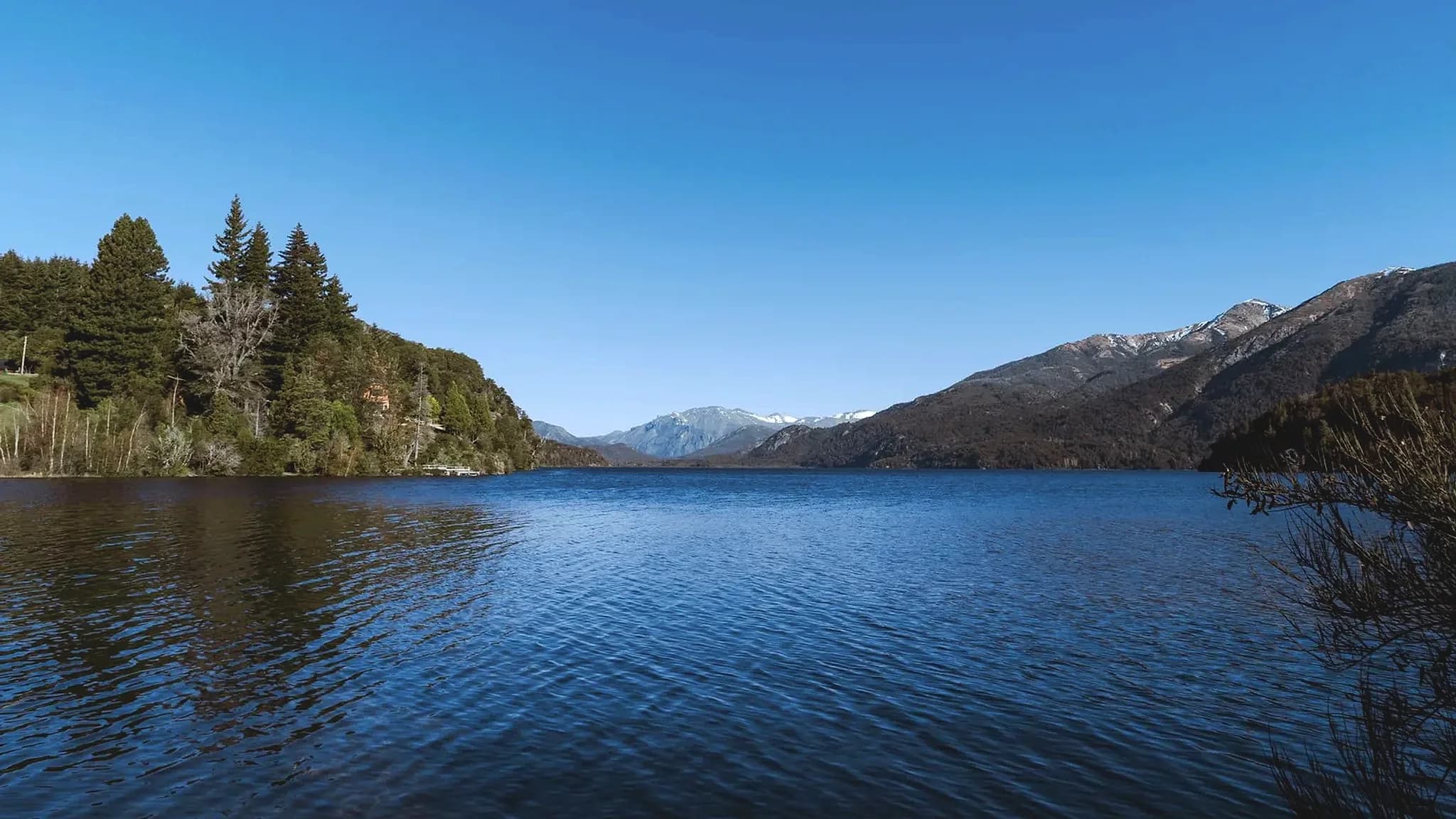
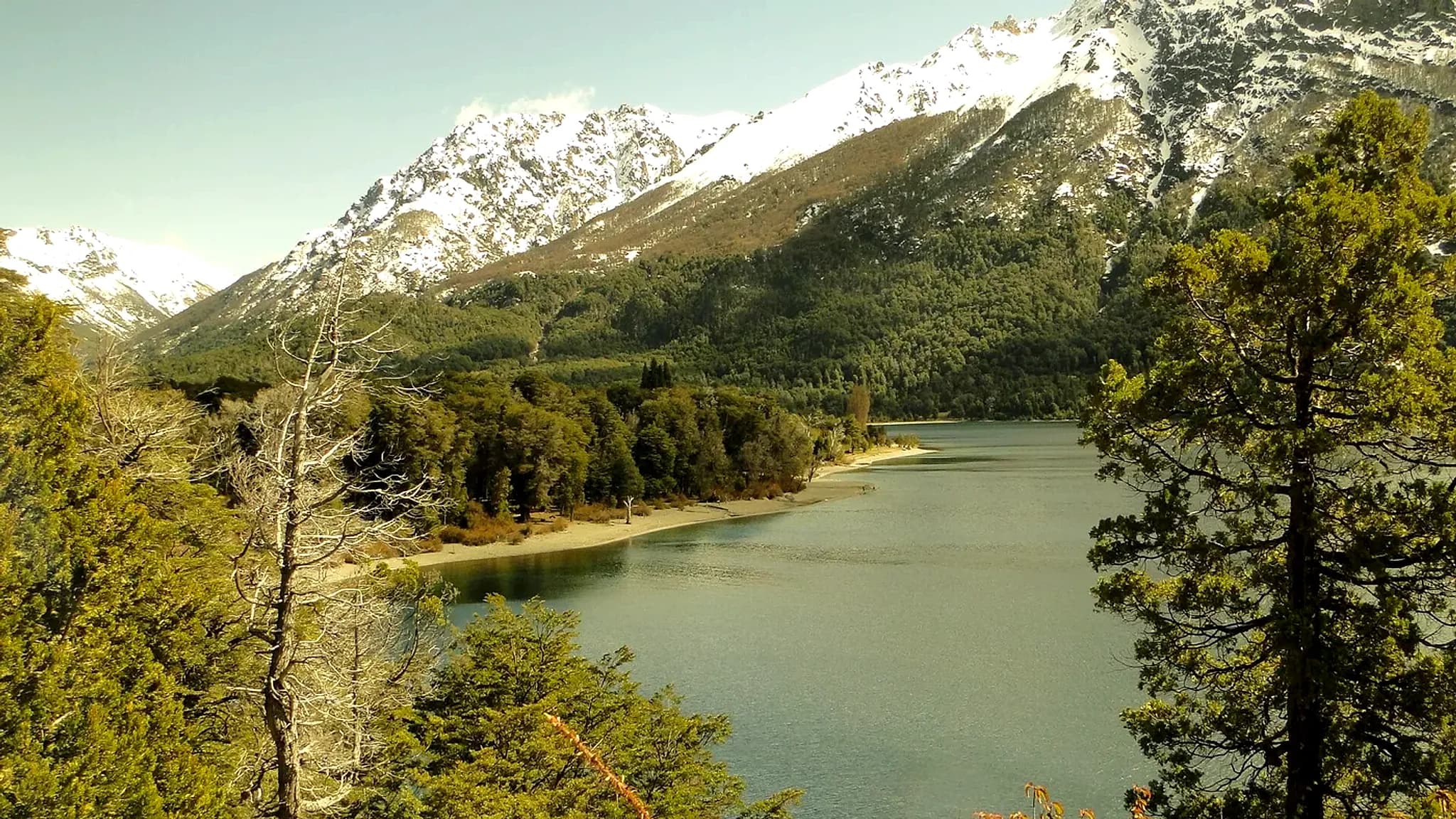
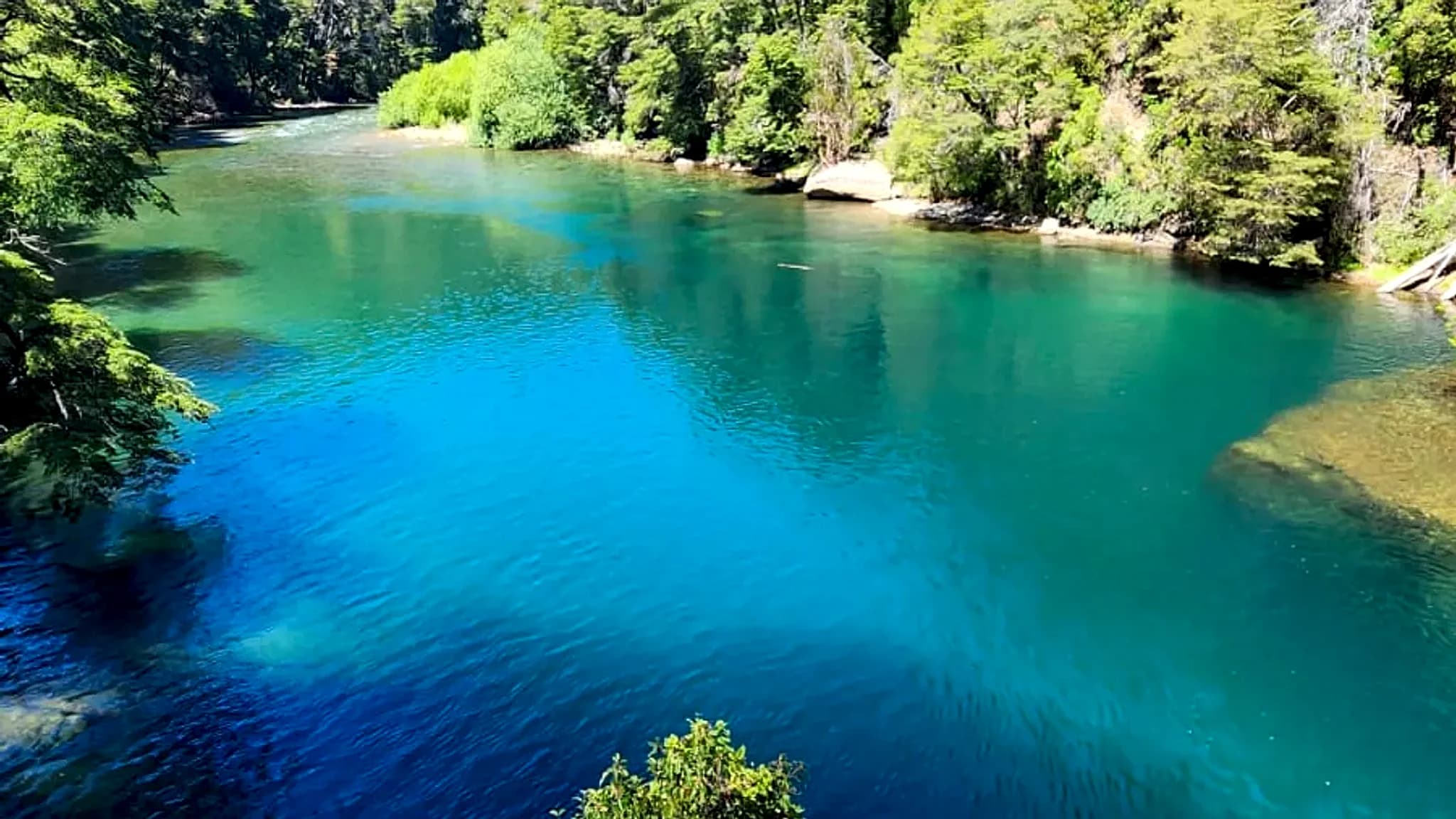
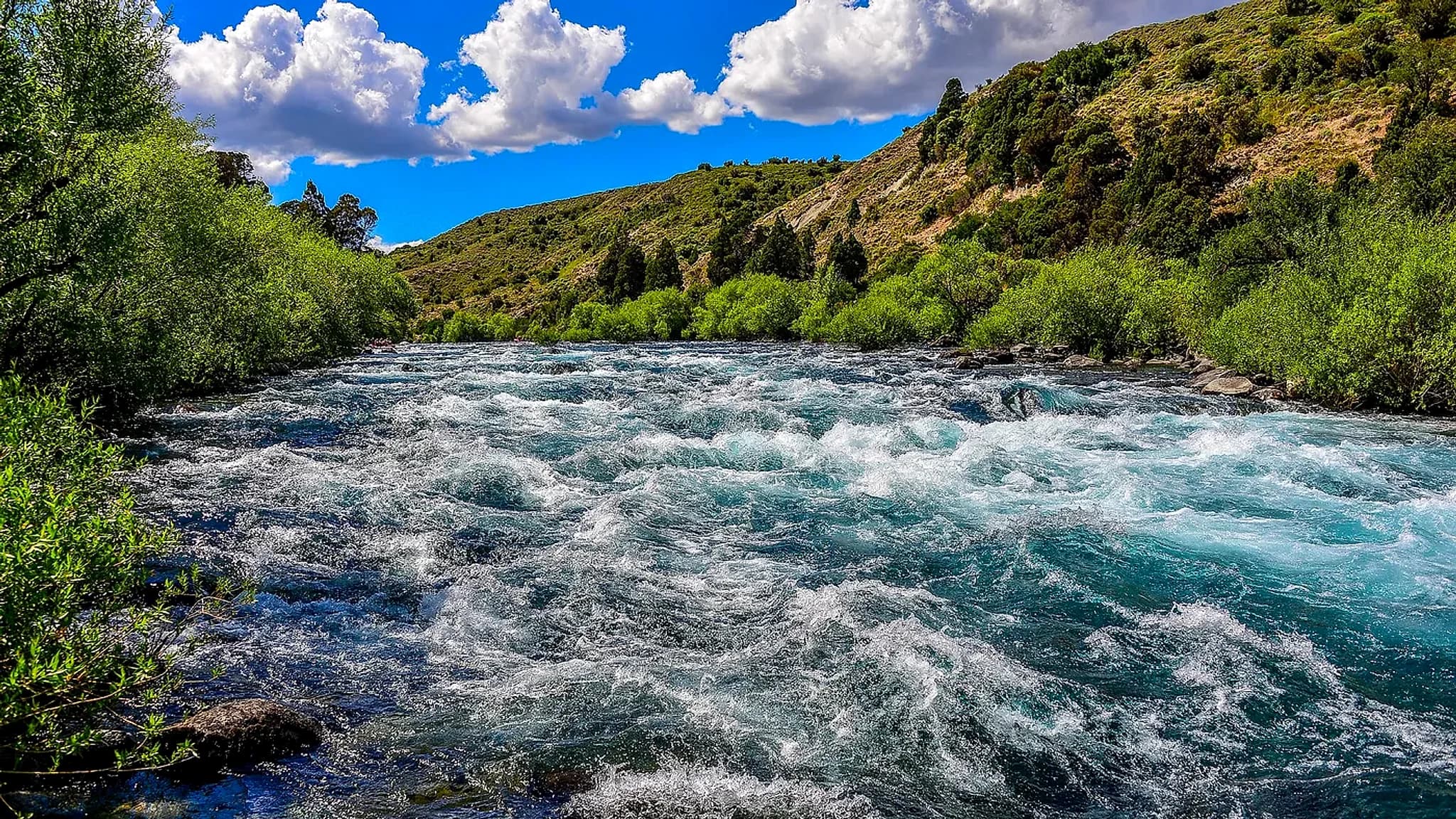
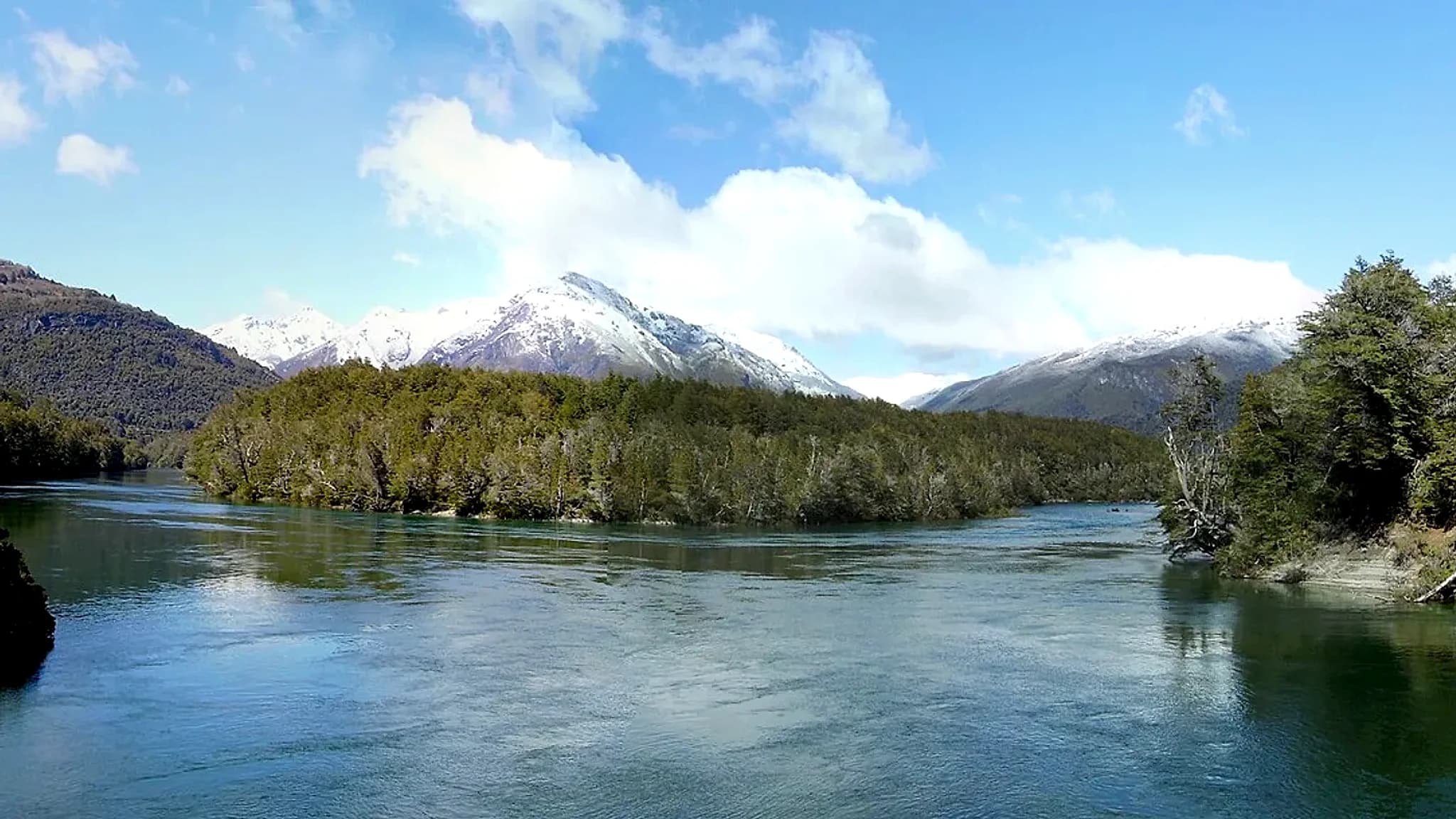
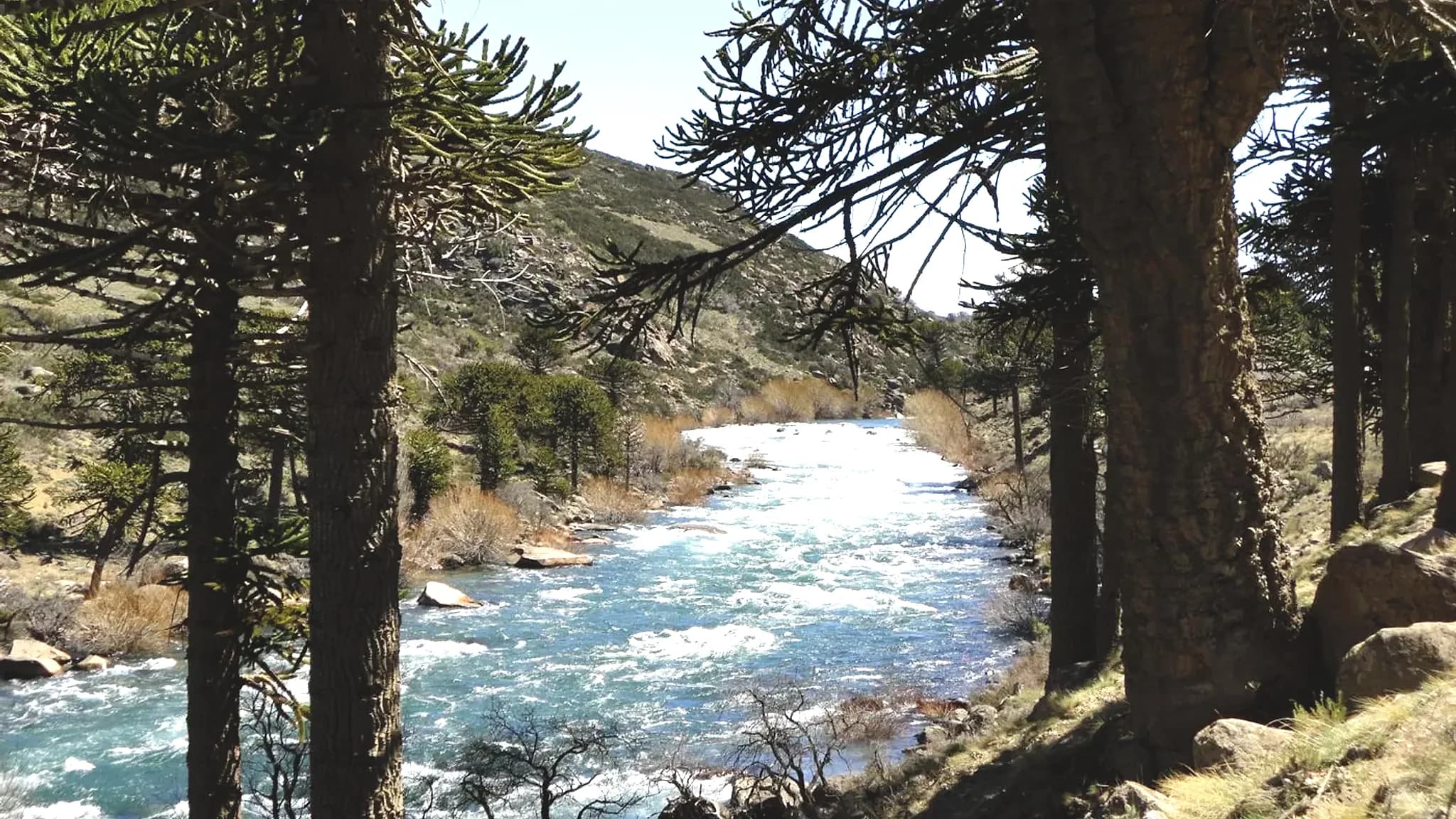
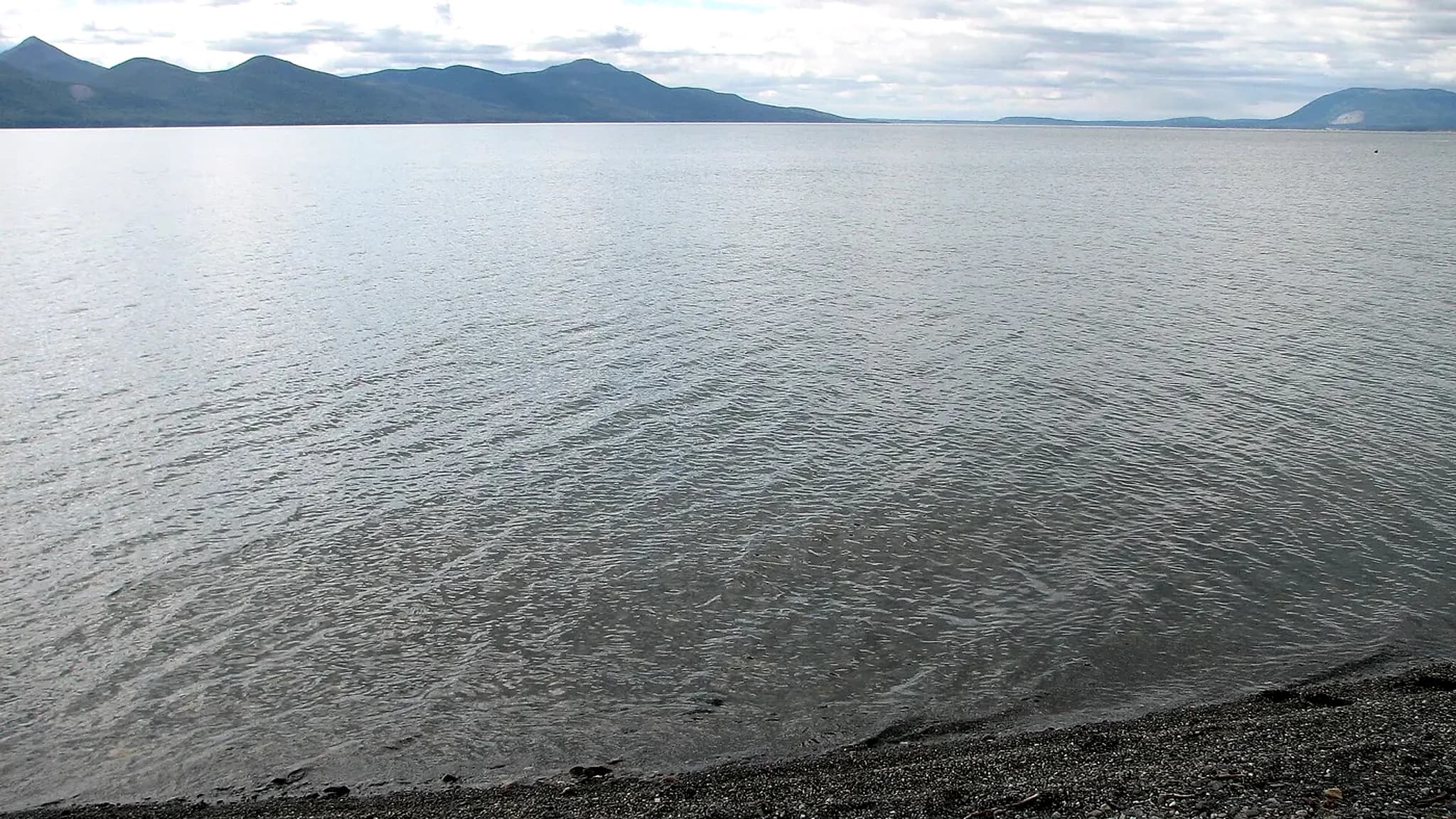
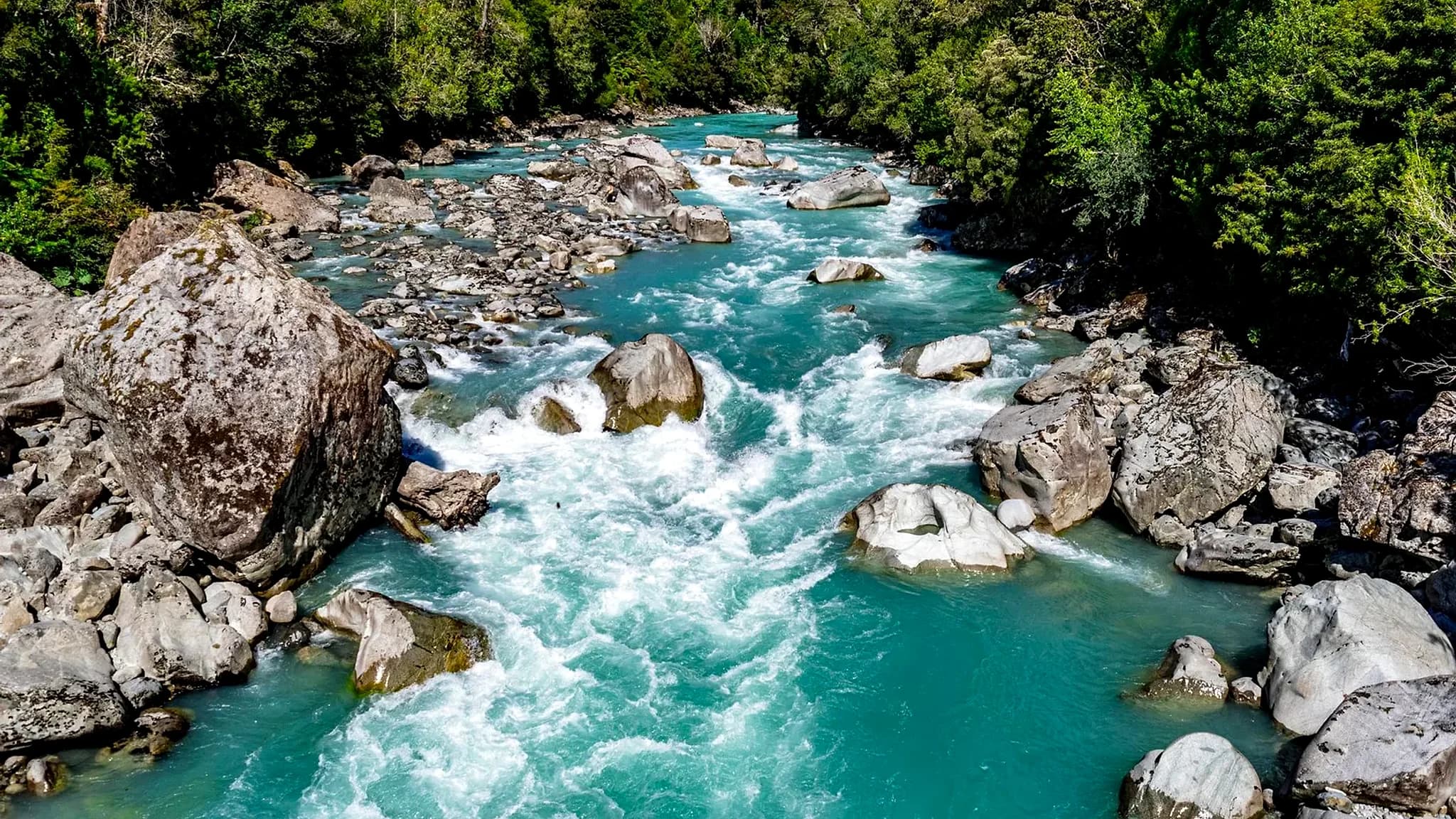
The brook trout lives in the coldest, cleanest, and most oxygenated waters of Patagonia and the Argentine cordillera. It is the most demanding salmonid species when it comes to water quality: it prefers clear-flowing mountain streams, high-altitude lagoons and lakes, snowmelt springs, and the upper reaches of rivers where the temperature stays low for much of the year. You will rarely find it in warm or lowland waters; its presence is a good indicator of a healthy environment.
Geographically it is sought in the Andean-Patagonian belt of Neuquén, Río Negro, Chubut, and Santa Cruz, as well as in high-altitude streams of Mendoza and some cordilleran environments of the northwest. Typical habitats are headwater streams, mallines threaded with cold water, small mountain lagoons, and the cooler, shadier stretches of snowmelt-fed rivers.
To locate it, always look for structure and cover: deep, shaded pools, the current seam running against fallen logs and roots, undercuts beneath the banks, calm water behind large rocks, and the confluences where a cold stream flows into another watercourse. It likes to hold near the bottom or tight to structure, moving out into the current to feed. In summer it tends to concentrate in the cooler, shadier stretches; in spring and autumn it is more spread out and active throughout the water column.
Baits and lures
The brook trout is aggressive and opportunistic, so it responds very well to both lures and flies. These are the options that work best in Patagonia:
Lures (spinning):
- Spinners such as Mepps or similar, in small sizes (00 to 2). These are perhaps the most effective lure for brook trout: the vibration and flash trigger the strike. Silver, gold, and red-dot colors work very well.
- Light spoons, ideal for high-altitude lagoons and pools, with a slow retrieve.
- Micro jerkbaits and small minnows (3 to 5 cm) that imitate small fish, very good in pools and confluences.
- Soft plastics and micro-jigs for working near the bottom in deeper waters.
Flies (fly fishing):
- Nymphs (Pheasant Tail, Hare's Ear, Prince) worked near the bottom: they cover most of the species' diet.
- Small streamers (Woolly Bugger in black, olive, or brown) to provoke aggressive strikes in pools.
Recommended gear
For a species of 0.5 to 2 kg that lives in cold streams and lagoons, the ideal gear is light and sensitive, allowing you to enjoy the fight and present small lures and flies with precision.
Spinning:
- Rod: ultralight to light, 1.60 to 2.10 m, fast action and light or ultralight power (for casting lures of 1 to 7 g).
- Reel: small front-drag (size 1000 to 2500), with a smooth, progressive drag, well adjusted so as not to break fine lines on the strike.
- Line: fine braid of 8 to 12 lb (or monofilament of 4 to 8 lb), which gives sensitivity and distance with light lures.
- Leader: fluorocarbon of 4 to 8 lb, barely visible in the crystal-clear waters where the brook trout is wary.
Fly:
- Rod: #3 to #5 line, 8 to 9 feet, is the most versatile for mountain streams and lagoons. For small, tight streams, a short #3/#4 rod is comfortable.
- Reel: a fly reel to match the line, with a click or smooth drag.
- Line: WF (weight forward) floating for dries and nymphs near the surface; sink-tip line or polyleader if you need to get streamers down.
- Tippet/leader: 4X to 6X (approximately 3 to 6 lb) depending on fly size and water clarity.
Round it out with barbless hooks if you are going to practice catch-and-release, a hook-removal tool (forceps), a soft-mesh (rubber) net so as not to harm the fish, and waders if you are going to wade into the cold water.
Fishing techniques
The brook trout is caught mainly by two methods: light spinning and fly fishing. Both adapt perfectly to the cold streams and lagoons where it lives.
Spinning (light/ultralight gear):
- Locate the structure: pools, undercuts beneath the banks, fallen logs, and stream confluences.
- Present the lure upstream or across the current and let it work naturally with the water.
- Retrieve at medium-slow speed; with spinners, just enough for the blade to turn. In lagoons, try slow retrieves with pauses.
- Work the current seam and the shade lines, not just the center of the pool.
Fly fishing:
- For dries, present with a drag-free drift (a free drift where the line doesn't pull the fly) over the spots where you see activity.
- For nymphs, work them near the bottom with or without an indicator, covering pools and riffles.
- Streamers are worked with short strips to imitate a fleeing fish and provoke the strike.
Guide's tips:
- It is a cold-water species: the best times are usually the early hours of the morning and dusk, and on cool, overcast days it may feed all day long.
- Approach stealthily: in crystal-clear, shallow waters the brook trout is wary. Come in crouched, avoid casting your shadow on the water, and fish the edges first before wading into the river.
- Always start at the lower end of the pool and work your way upstream, so you don't spook the fish you haven't yet caught.
- The months from November to April concentrate the best activity, with insect hatches and favorable temperatures.
Closed season & regulations
Closed seasons, minimum size and bag limits for brook trout are set by each province and change every year. The current rule is on each spot's page: confirm it before heading out.
Read the full note
Brook trout fishing in Argentina is regulated by each province, and the rules change from year to year and from one water to another. Before heading out to fish it is mandatory to consult the current official regulations of the relevant provincial authority (each province's directorate of wildlife, natural resources, or fisheries) and to hold a valid fishing license.
Why the closed season exists: the closed season (veda) is a period of prohibition or restriction of fishing that protects the species during its breeding time. The brook trout, like the other salmonids, spawns in autumn-winter, and the closed season is intended to let the fish reproduce free of fishing pressure, ensuring the continuity of the populations. Respecting it is not just a legal obligation: it is what guarantees there will be trout for the seasons to come.
Catch-and-release culture: across much of Patagonia's waters, catch-and-release fishing is promoted—and in many cases required—especially in environments of high sporting value. If you are going to release the fish, handle it with wet hands, minimize its time out of the water, use barbless hooks, and revive it in the current before letting it go. It is the best way to protect the resource.
Important: the closed season (dates), the minimum size, and the catch limit vary by province and by year, and also according to the specific water (there are waters with special rules, fly-only stretches, mandatory catch-and-release stretches, etc.). We do not publish specific dates or figures here because outdated data could lead you to commit an infraction unintentionally. Always consult the up-to-date official provincial source before every outing.
Shops & clubs in the area
Ready to chase brook trout? Find guides who target this species and message them.
Plan your trip hereDo you guide brook trout trips? Join for free and show up here →
Read before you go

Frequently asked questions about brook trout
Can you fish for Brook trout right now, in October?
In October brook trout is out of season. Its best time is mar–apr. Being out of season does not mean there is a closed season: that is set by each province and shown on every spot page.
What's the best time to fish Brook trout?
The best time for brook trout is mar–apr. Check each place's page for the bite calendar and to respect current closed seasons.
Where can you fish Brook trout in Argentina?
Some of the best places to fish brook trout are Río Futaleufú, Lago Futalaufquen, Lago Fagnano (Kami), Arroyo La Nasa. On PESQA you get the map, access info, seasons and verified guides for each one.