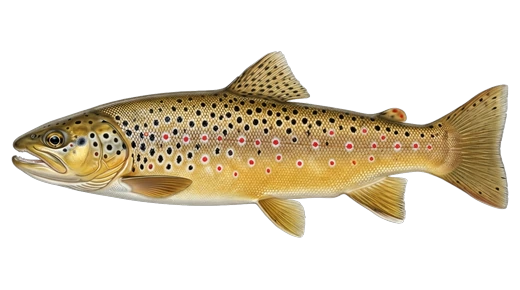
Brown trout
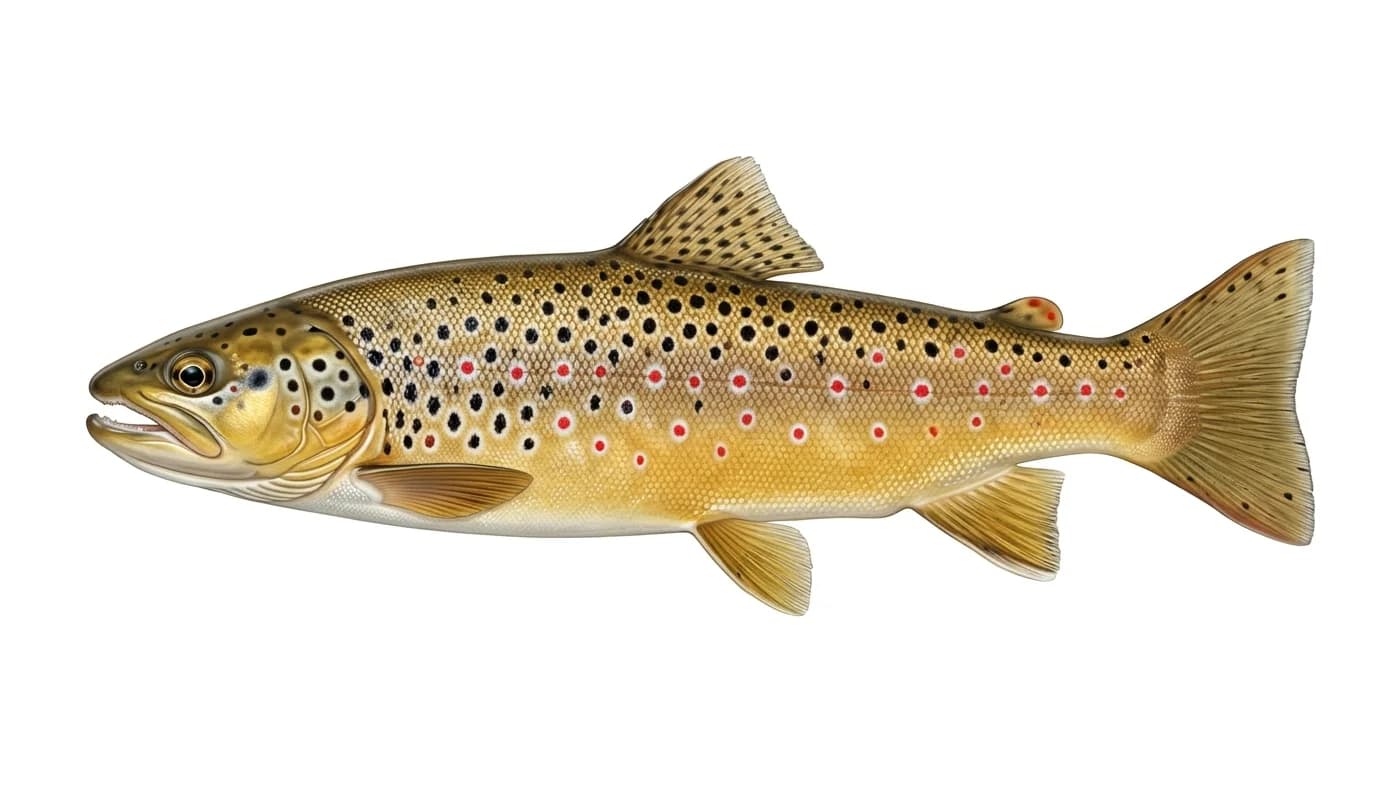
The brown trout is a freshwater fish of the salmonid family, native to Europe and introduced to Argentine Patagonia in the early 20th century.
Out of season · starts in NovemberWhere to fish
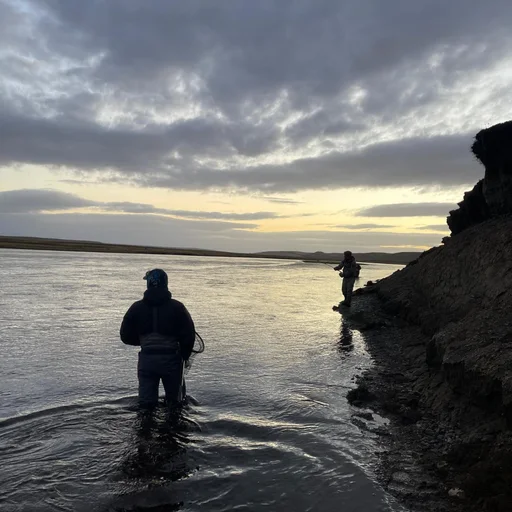
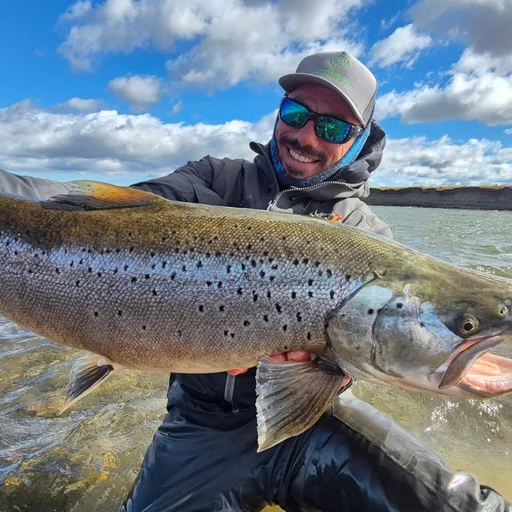
Season
- Off
- In season
Tap it to see it in 3DClick it to see it in 3D
The elusive one
Every brown trout you post with a photo counts toward your Pesquedex. Bronze comes with the first catch; silver and gold ask for a variety of spots and provinces.
Recent Brown trout catches
Nobody has posted a brown trout report yet. Post yours with a photo: you get the catch card and the bronze medal.
Be the first →Habitat
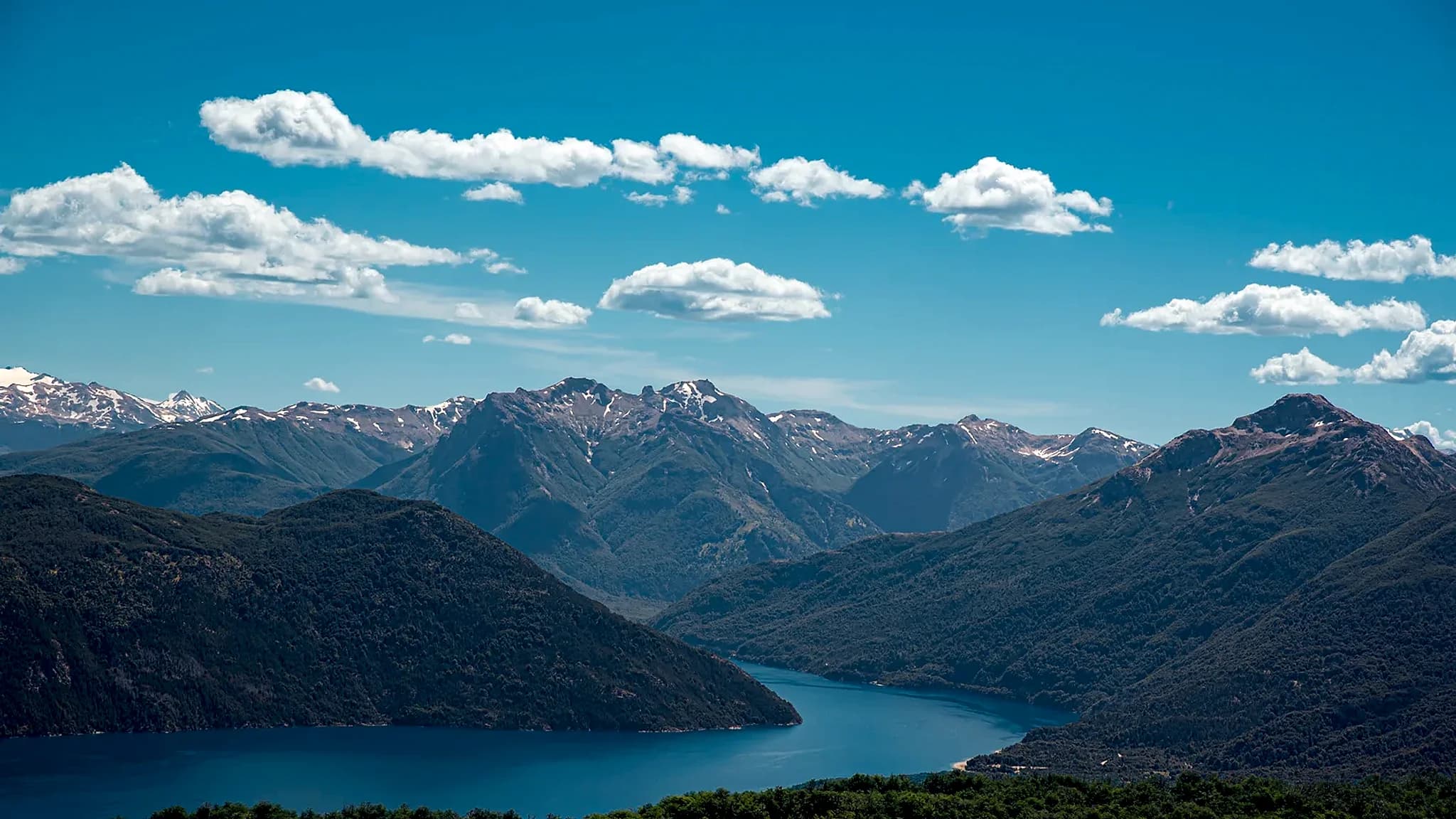
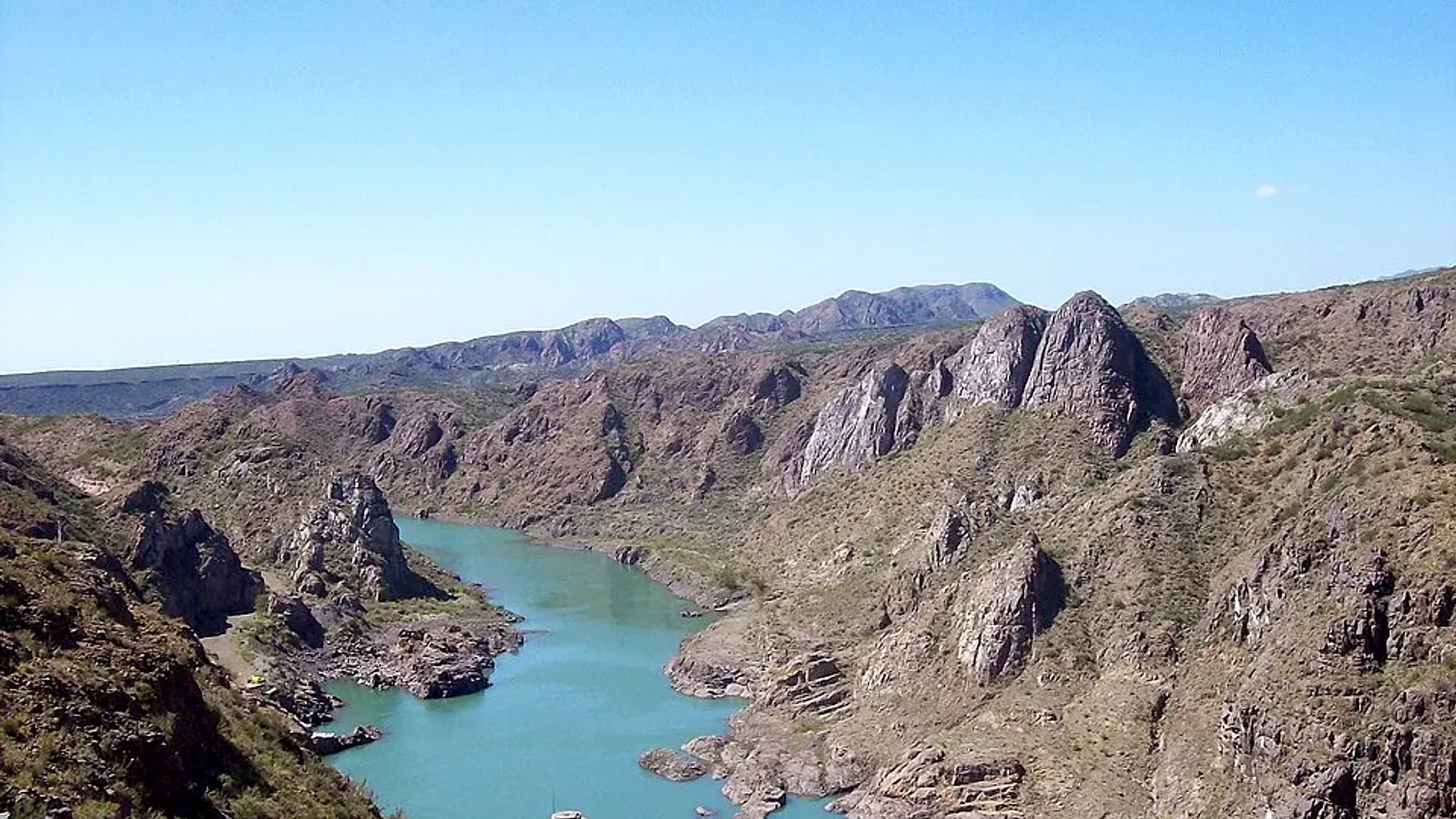
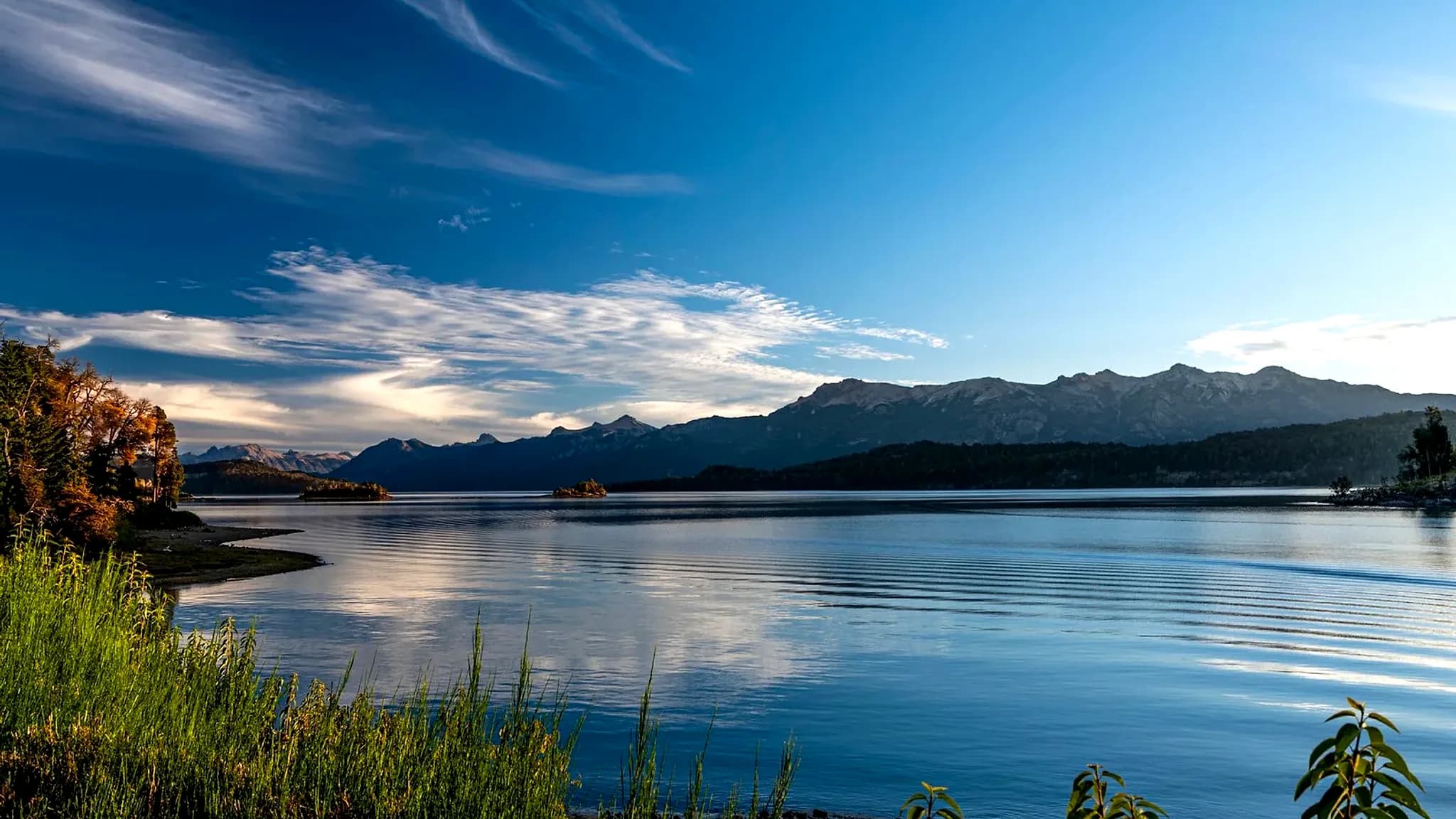
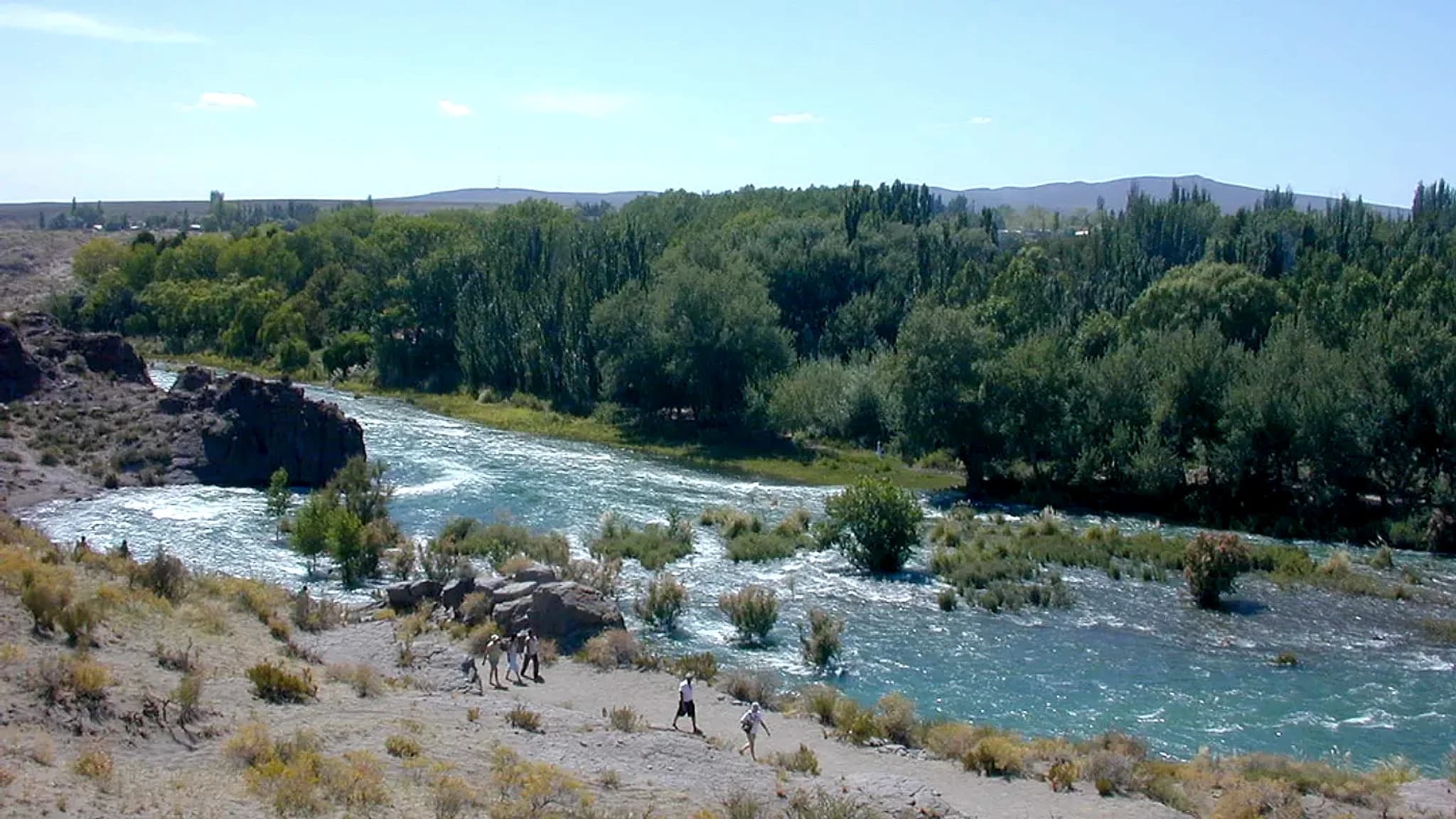
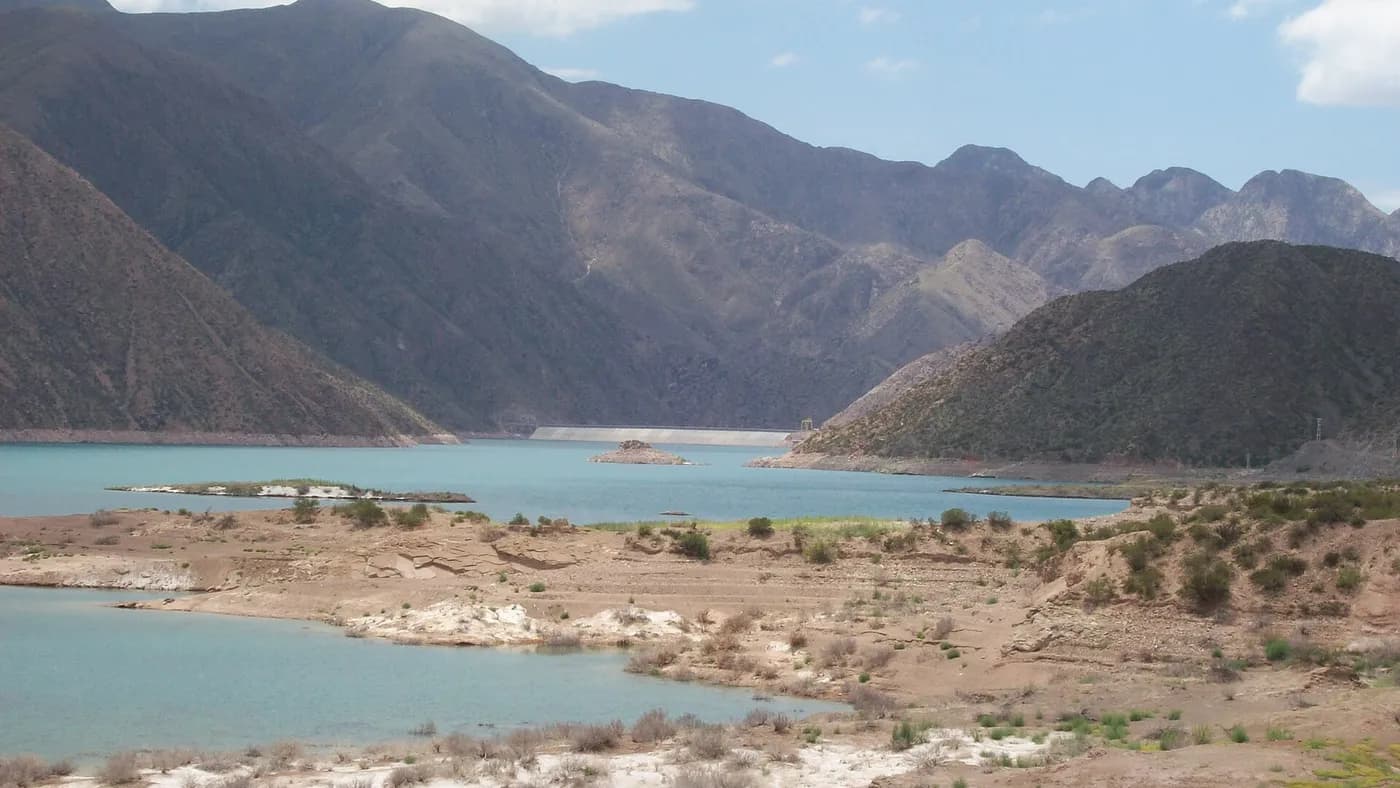
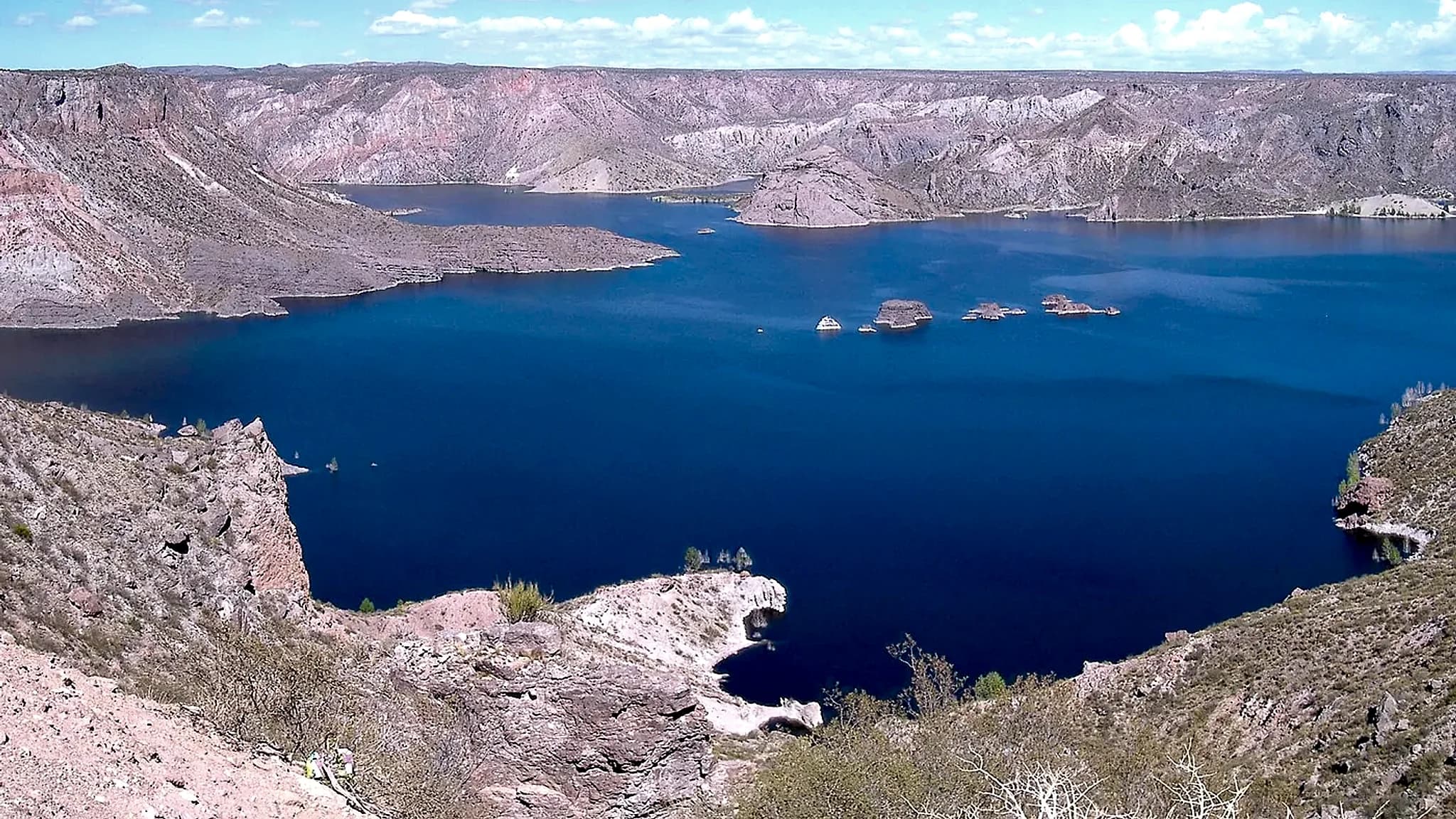
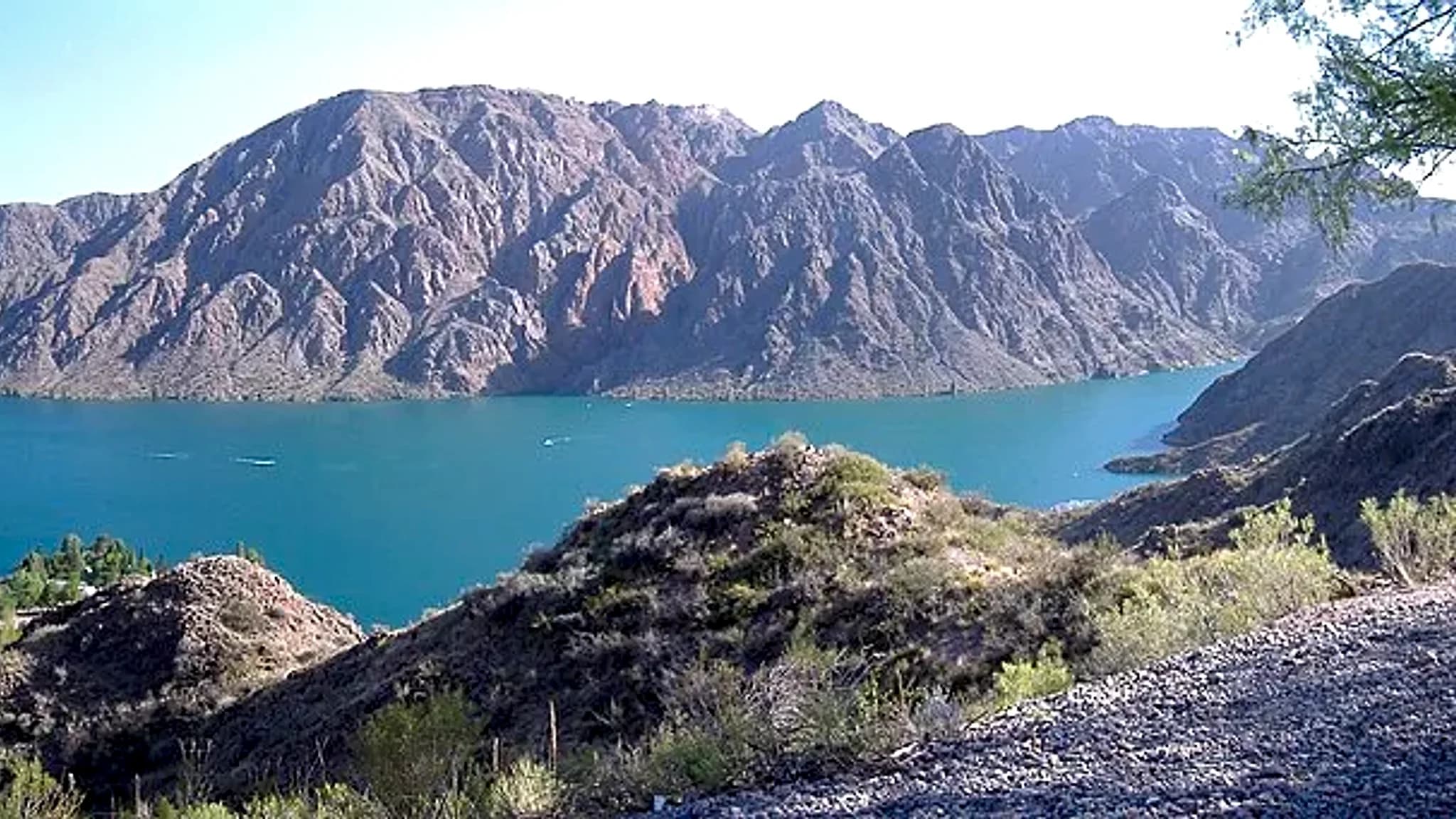
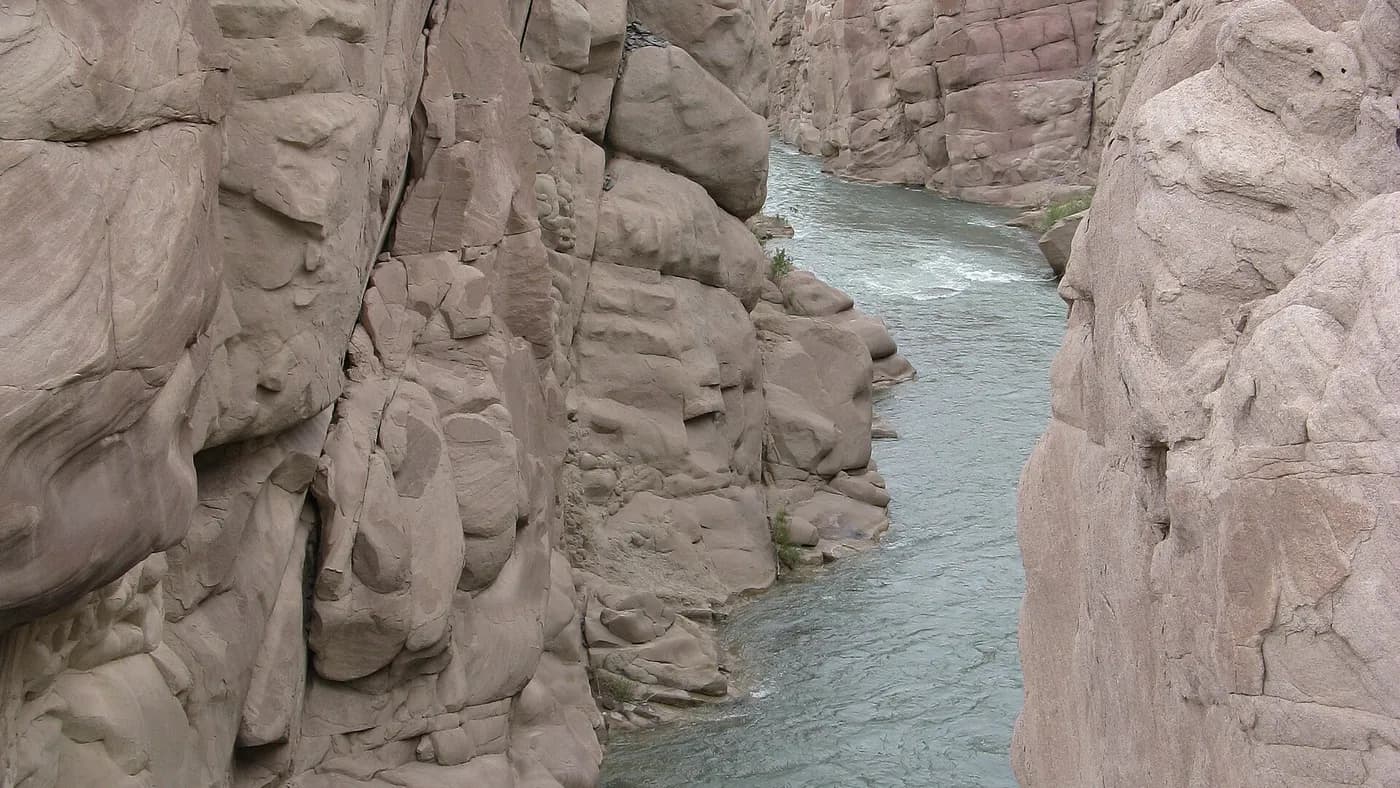
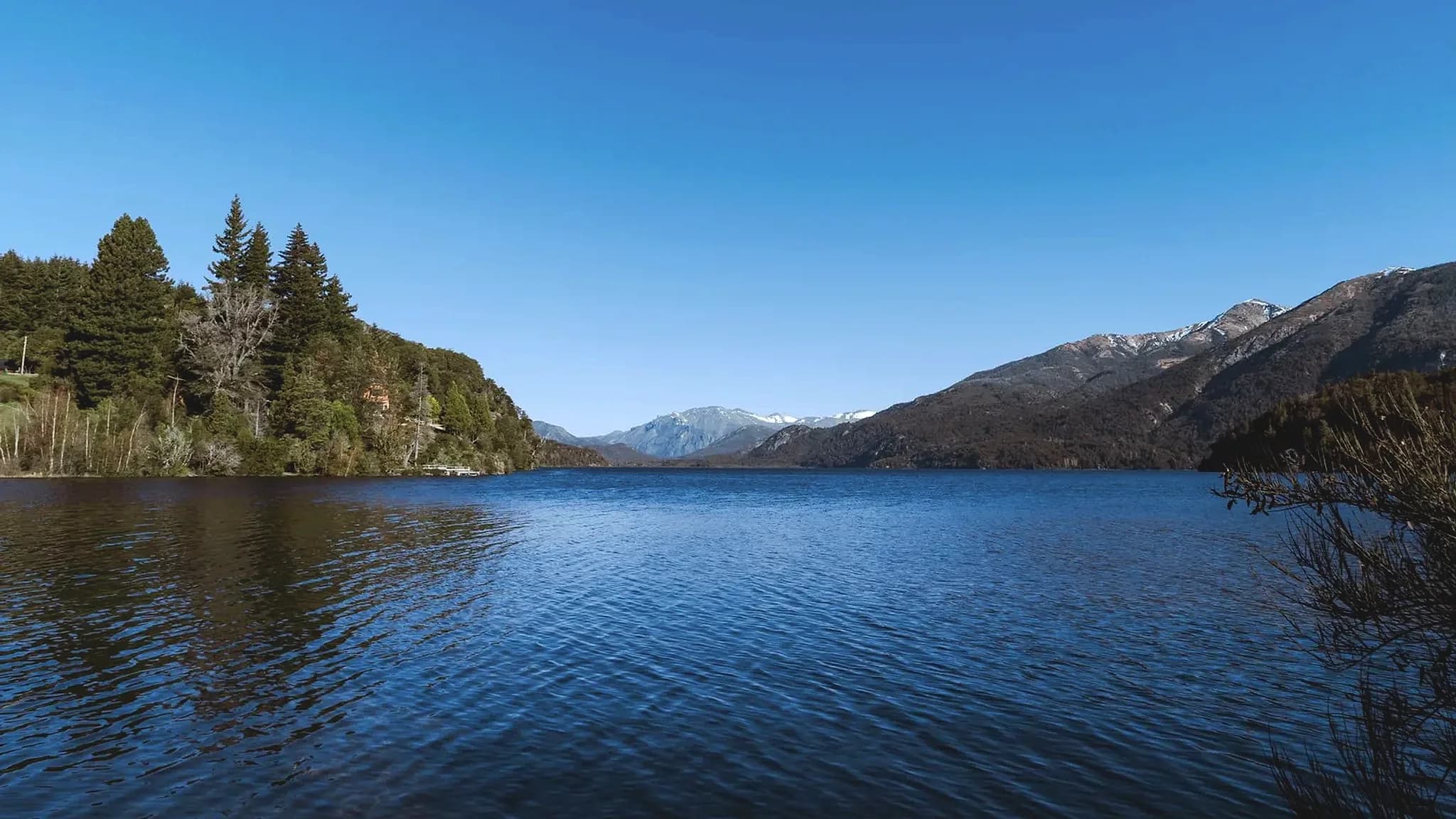
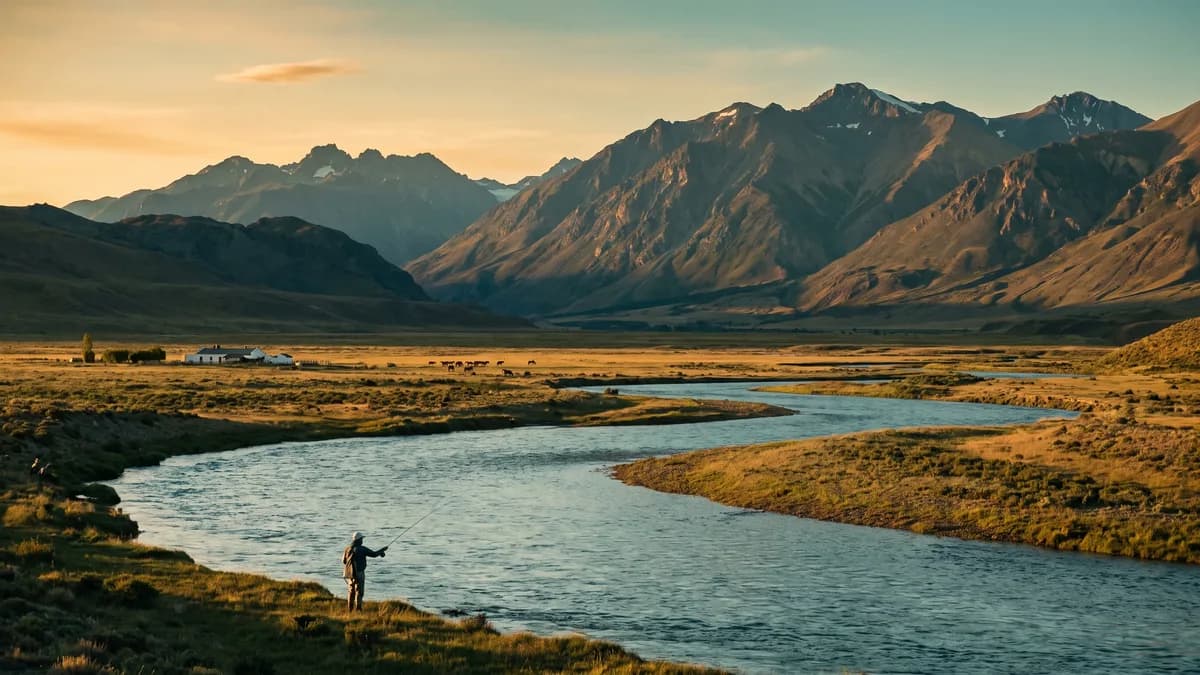
The brown trout inhabits cold, clean, well-oxygenated waters: mountain and steppe rivers, streams, and lakes and lagoons of Patagonia and high-altitude areas. It prefers moderate to cool temperatures and is stressed by very warm water, which is why in summer it seeks out the deeper zones, the oxygenated riffles and the inlets where cold water enters. It tolerates a wider range of environments than other trout, including lower-gradient stretches and slightly murkier or stained waters.
It is a species strongly associated with structure. It pays to look for it where it has both shelter and access to food: sunken logs, large rocks, undercut banks, pools at the foot of riffles, reed beds, stream mouths and the river mouths on lakes. Large specimens are territorial and occupy the best "lies"—a deep pool beside structure, the tail of a riffle—from which they ambush their prey. In lakes it tends to move along drop-off shorelines, the weedy shallows and the mouths, especially during low-light hours.
Activity is concentrated in the open spring and summer season (November to April), with peaks during the cool hours of the day. In autumn, toward the close of the season, browns turn aggressive and territorial ahead of spawning, and the large males develop the characteristic hooked jaw (kype); it is a time of excellent catches of good-sized specimens, always respecting the spawning closure in force in each jurisdiction.
Baits and lures
The brown trout responds very well to lures that imitate its prey (small fish and insects). Those that work best in Argentina:
- Wobbling spoons (Toby, Krocodile, Little Cleo types): they imitate a wounded fish, ideal for covering water in wide rivers and lakes and for reaching the big, piscivorous brown.
- Inline spinners (Mepps, Panther Martin types): excellent in streams and medium rivers; the vibration triggers reactive strikes.
- Minnows and jerkbaits (floating and suspending, Rapala type): they imitate silverside, galaxias or minnow; very effective at dawn and dusk when worked with pauses.
- Flies: for fly fishing, large streamers (Woolly Bugger, Zonker, silverside/galaxias imitations) to target big browns; nymphs (Pheasant Tail, Prince) and dries (Adams, caddis and mayfly imitations) during insect hatches.
- Natural bait where permitted: worm, and in some environments live or dead baitfish. Important: many Patagonian waters are artificial-lure-only or fly-only, so you must check the local regulations before using natural bait.
Recommended gear
Gear is chosen according to the environment and the expected size. A versatile, concrete setup:
Spinning (general use, rivers and lakes):
- Rod: 1.80 to 2.10 m, medium / medium-fast action, light to medium power (4–12 lb line). For large lakes or very big browns, step up to medium-heavy.
- Reel: front-drag size 2500–3500, with a good drag and smooth retrieve.
- Line: braided line 0.12–0.20 mm (approx. 10–20 lb) for sensitivity and hookset power, or 8–12 lb monofilament in smaller environments.
- Leader: fluorocarbon 0.25–0.35 mm (approx. 8–15 lb), low-visibility and abrasion-resistant against rocks and structure. Go finer with the leader if the water is clear and the brown is wary… but beef it up if there is a lot of cutting structure.
Fly fishing:
- Rod: #5–#6 line for a medium river and dry/nymph fishing; #7–#8 for streamers, the Patagonian wind and large specimens.
- Reel: with a good drag and backing, matched to the line weight.
- Lines: floating (WF) for dry and nymph; sink-tip or full sinking line for streamers in pools and lakes.
- Tippet/leader: tapered ending in 3X–5X for dry/nymph; a stouter 0X–2X for streamers and big fish.
Recommended accessories: rubber net (less harm to the fish for release), forceps for removing hooks, barbless hooks, and waders for safe wading in cold water.
Fishing techniques
The brown is fished using several methods depending on the environment. The main ones:
Spinning (rivers and lakes). This is the most versatile technique. You cast a spoon or minnow and retrieve it, varying speed and pauses. In a river, it pays to cast upstream or at an angle and let the lure work with the current, "combing" pools, riffles and structure. In a lake, you fan the water from shore, aiming at mouths, banks and shallows.
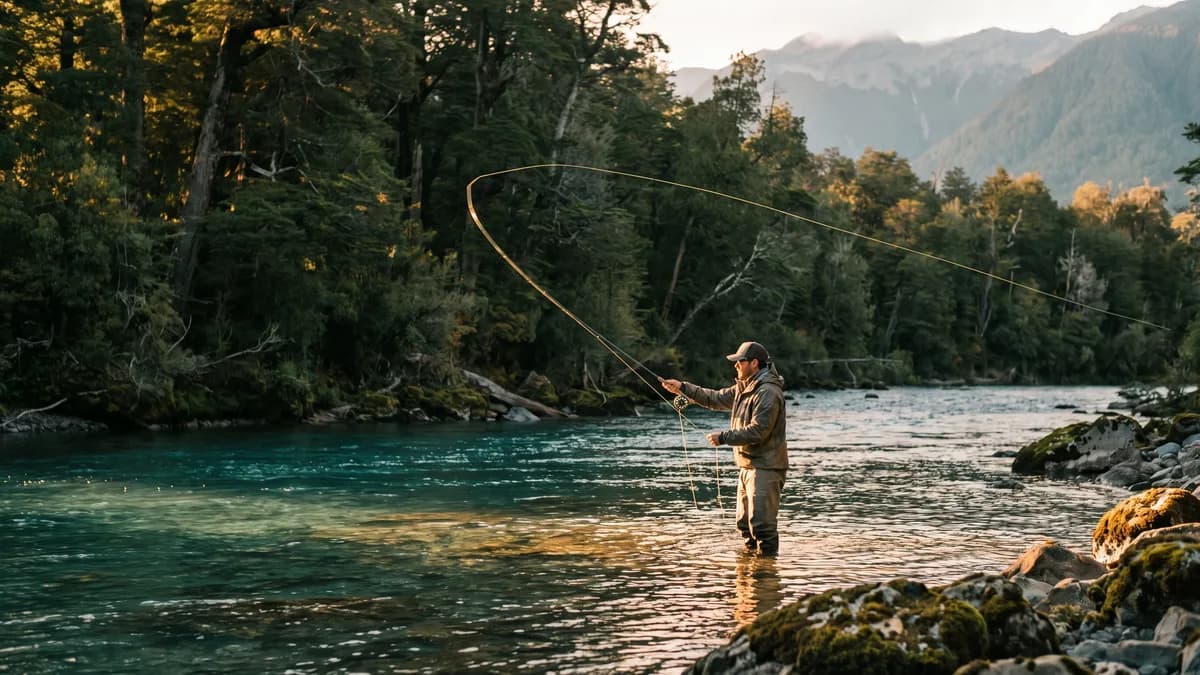
Fly fishing. The classic method in Patagonia. With a dry or nymph during hatches, presenting the rig with natural, drag-free drifts. To target large specimens, a streamer with a sink-tip line, worked with strips (pulls) near structure and banks.
Trolling. On large lakes, dragging spoons or minnows at different depths behind the boat; useful for locating scattered fish and covering a lot of water.
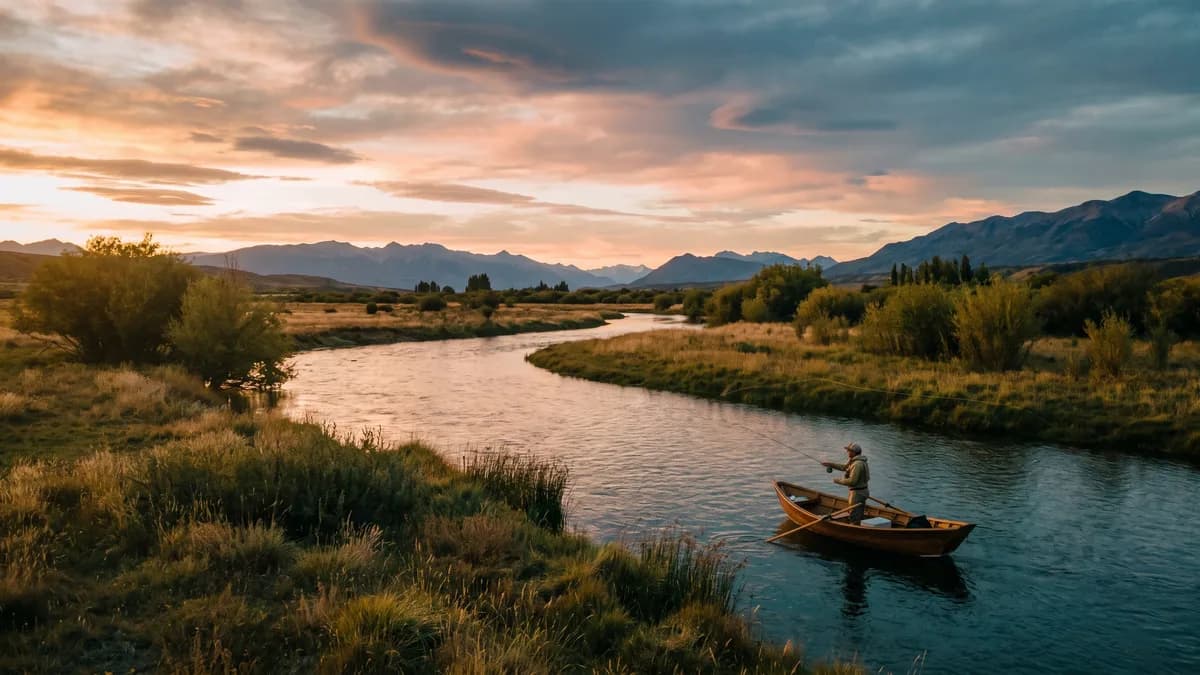
Drifting / wading. In rivers, drifting down in a boat or wading, presenting the lure or fly at each likely lie.
Guide tips:
- Timing: the big brown is crepuscular and nocturnal. Dawn and dusk (and cloudy afternoons) are the best windows. In full sun it hides under structure.
- Presentation: don't spook the lie. First cast long and accurate; careful approach, little shadow on the water.
- Retrieve: vary the rhythm. The strike often comes on the pause, when the lure "drops" imitating a wounded fish.
- Structure: aim at the edge of the shelter (log, rock, bank), not the middle of open water.
- Hookset and fight: set firmly (the mouth is hard) and work the fish patiently; the big brown makes short, powerful runs, heading for structure to cut you off.
Closed season & regulations
Closed seasons, minimum size and bag limits for brown trout are set by each province and change every year. The current rule is on each spot's page: confirm it before heading out.
Read the full note
Brown trout fishing in Argentina is regulated to protect the species and, above all, its reproduction. The closed season (veda) is the period when fishing is closed or restricted—typically around spawning, in autumn-winter—so the fish can reproduce without pressure and the populations stay healthy. This is why the best fishing season coincides with the open spring and summer window.
Patagonia also has a strong catch-and-release culture: many rivers and stretches are mandatory catch-and-release, and in general it is recommended to release large specimens (the best breeders) to preserve the quality of the fishery. Good release practices: use barbless hooks, handle the fish with wet hands or a rubber net, keep it out of the water for the shortest time possible, and revive it before letting it go.
Important and honest: the closed season, minimum size, daily bag limit, permitted zones and gear restrictions (for example, fly-only or artificial-lure-only) vary by province and change from year to year. We do not give specific dates, sizes or limits here because publishing an outdated number could lead you into a violation or harm the resource. Before heading out, always check the current official regulations of the authority in the province where you are going to fish (the wildlife, natural resources or inland fisheries department of Neuquén, Río Negro, Chubut, Santa Cruz, Tierra del Fuego, Mendoza, etc.) and get your corresponding fishing permit. It is the only way to have correct, up-to-date information.
Shops & clubs in the area
Ready to chase brown trout? Find guides who target this species and message them.
Plan your trip hereDo you guide brown trout trips? Join for free and show up here →
Read before you go
Frequently asked questions about brown trout
Can you fish for Brown trout right now, in October?
In October brown trout is out of season. Its best time is mar–apr. Being out of season does not mean there is a closed season: that is set by each province and shown on every spot page.
What's the best time to fish Brown trout?
The best time for brown trout is mar–apr. Check each place's page for the bite calendar and to respect current closed seasons.
Where can you fish Brown trout in Argentina?
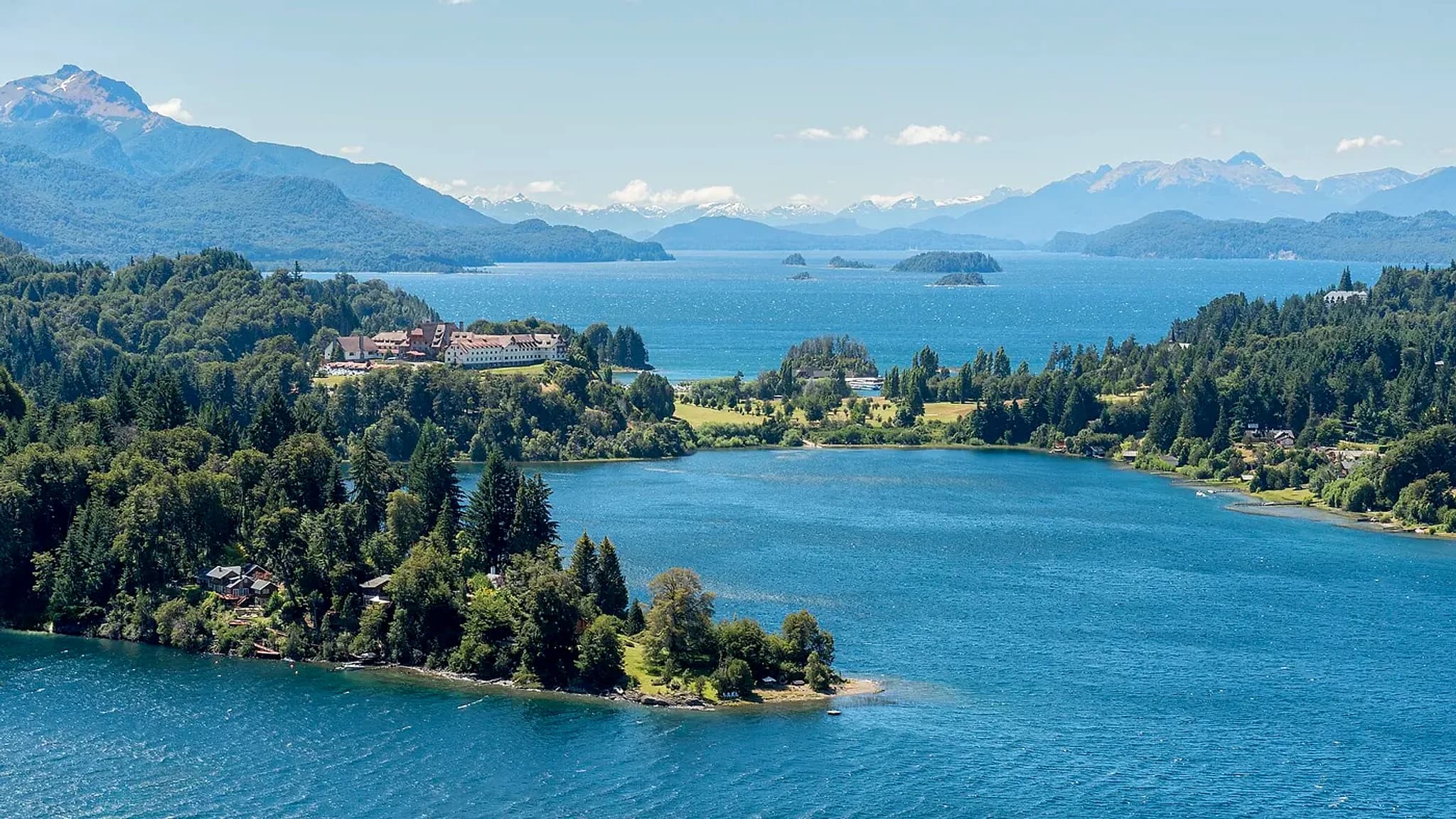
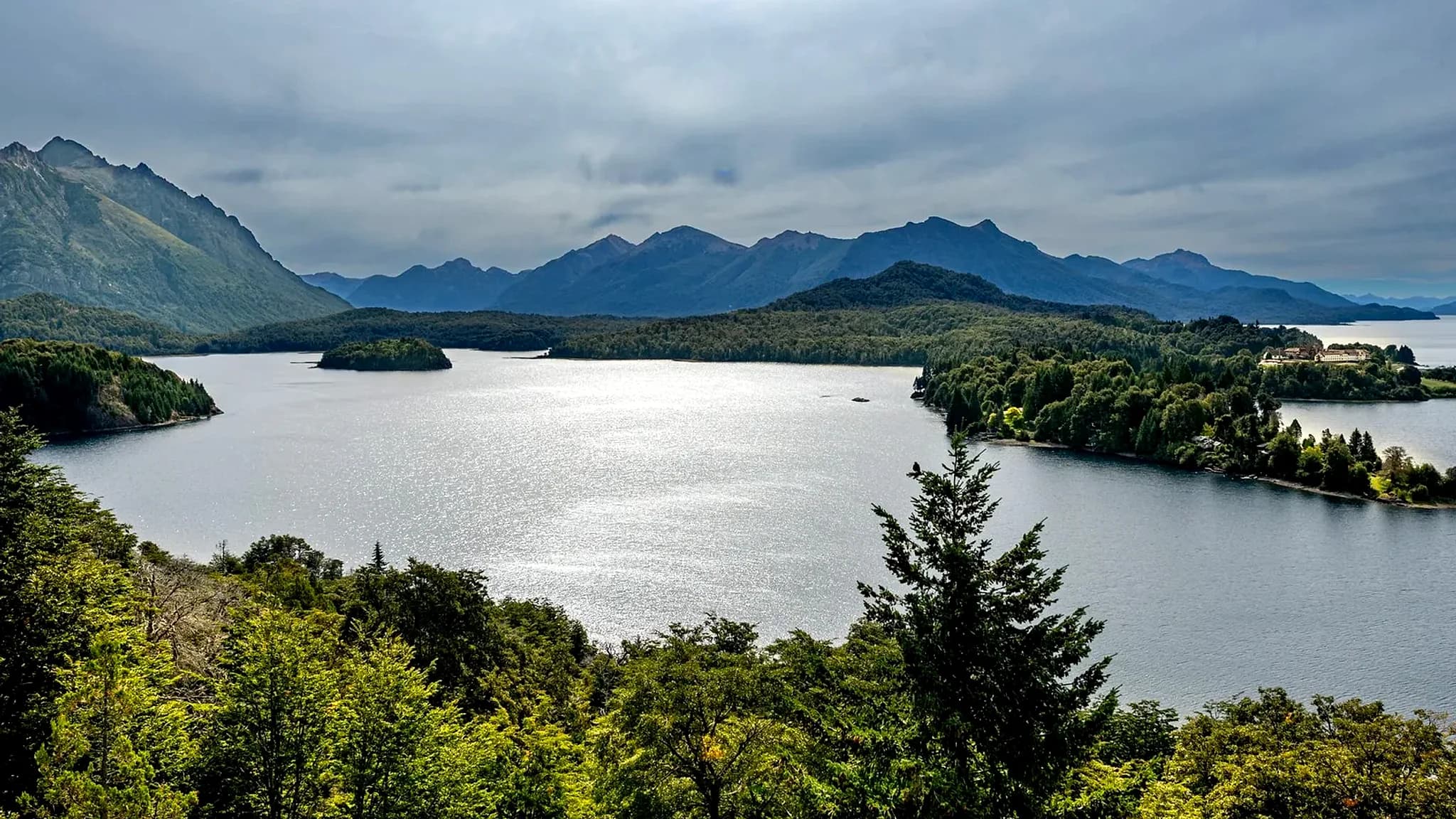
Some of the best places to fish brown trout are Río Grande, Lago Nahuel Huapi, Río Limay, Río Chimehuín. On PESQA you get the map, access info, seasons and verified guides for each one.