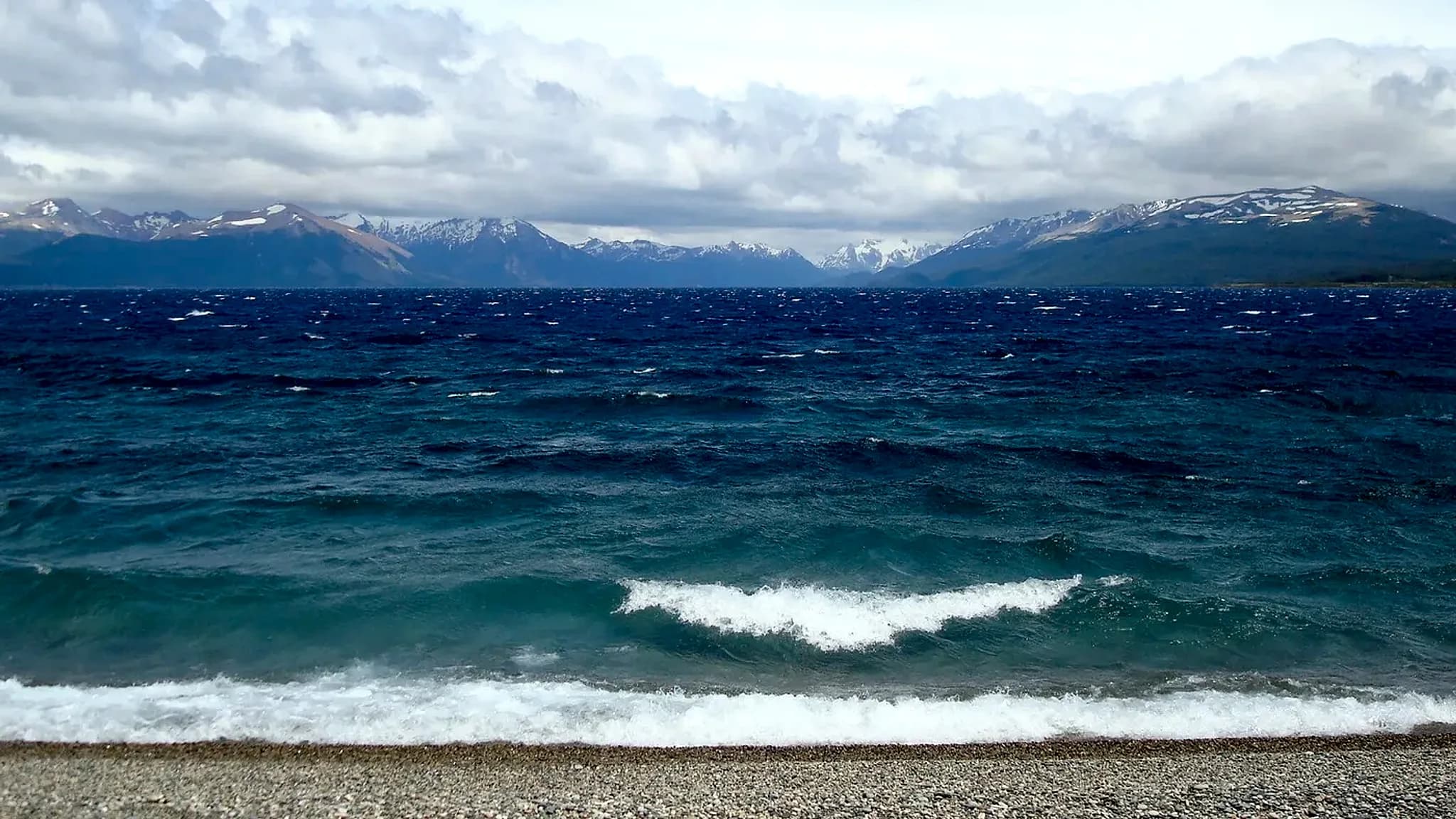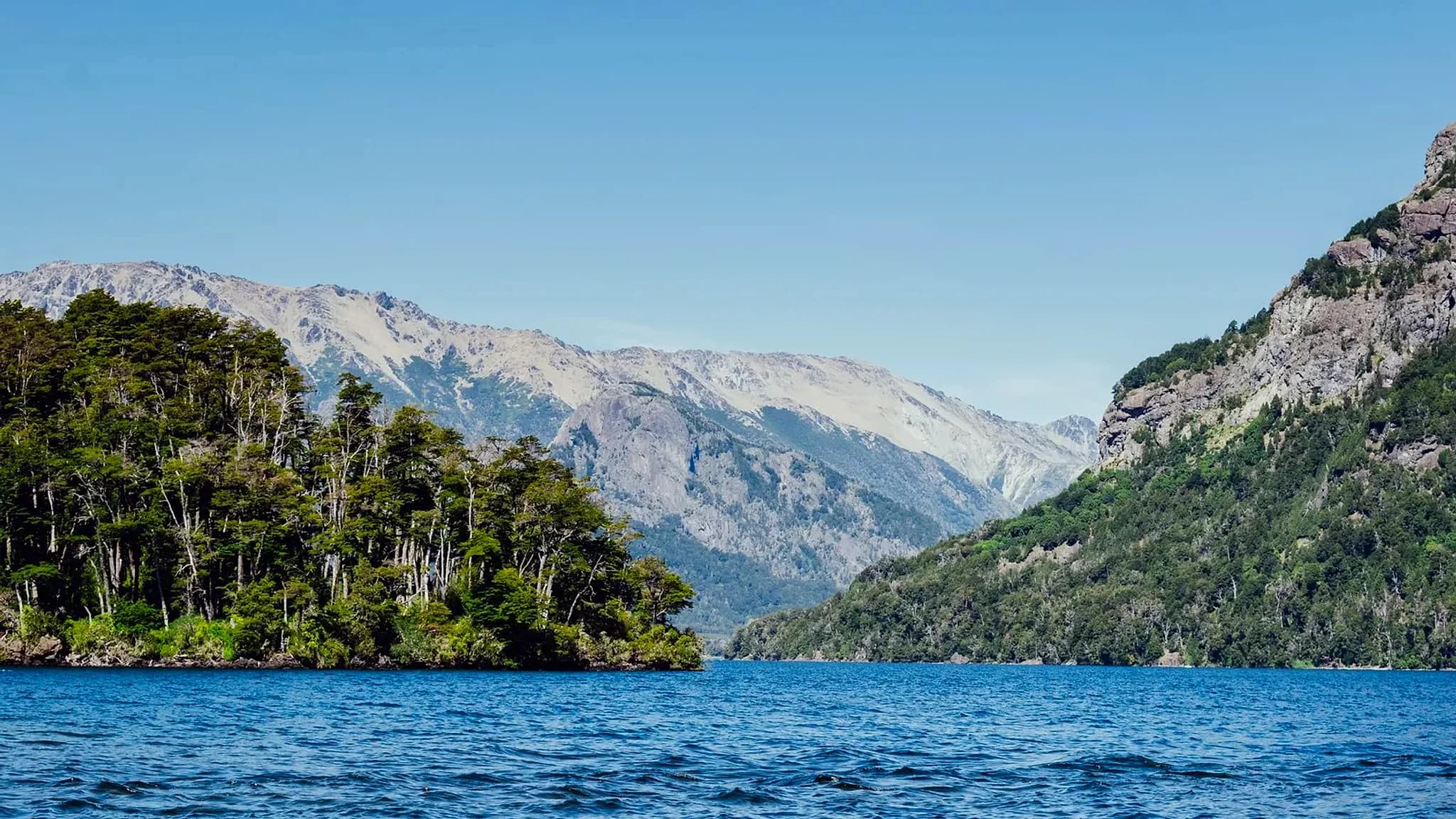
Ambient photo: Patagonia Savage — via Pexels
En la localidad de Río Pico, en el sudoeste chubutense y su famosa zona de lagos numerados del 1 al 5, corre un río de valle cordillerano con una particularidad que lo distingue: además de sus truchas, tiene salmón chinook establecido. Hay trucha arcoíris, trucha marrón, trucha de arroyo y ese chinook que aparece en su temporada.
Se pesca sobre todo con mosca y spinning para los salmónidos: secas en las correderas, ninfas en los canales y streamers en los pozones y las juntas, con cucharas y minnows donde la modalidad lo permite. El salmón chinook es la presencia especial y estacional, una pieza grande y ocasional que sube en verano y otoño y no es el objetivo de todos los días. En términos generales, el arranque de la temporada y el otoño son los momentos fuertes de la zona. Un rincón de pesca variada y paisaje serrano que premia al que explora sus tramos con calma.
Solo mosca y devolución obligatoria desde El Cajón de Maier aguas abajo hasta el límite internacional. Desde naciente hasta confluencia con Lago 1: mosca y spinning. LD: 1 salmónido menor de 35 cm; 1 Salmón del Pacífico mayor de 50 cm.
At Río Pico (Chubut) you can catch Chinook salmon, Brook trout, Brown trout, Rainbow trout. Allowed styles: River.
En la zona de Río Pico, sudoeste de Chubut; se accede desde el pueblo por caminos rurales y de ripio que conectan los lagos y los tramos del río. Consultá localmente los accesos y el estado de las huellas.
Rige el Permiso de Pesca Continental Patagónico, disponible online y en casas de pesca u oficinas de turismo. Revisá el reglamento vigente, sobre todo las reglas particulares por especie y tramo.
Solo mosca y devolución obligatoria desde El Cajón de Maier aguas abajo hasta el límite internacional. Desde naciente hasta confluencia con Lago 1: mosca y spinning. LD: 1 salmónido menor de 35 cm; 1 Salmón del Pacífico mayor de 50 cm.
Base data: Wikidata (CC0)
| Season | JAN | FEB | MAR | APR | MAY | JUN | JUL | AUG | SEP | OCT | NOV | DEC | IDX | NOW |
|---|---|---|---|---|---|---|---|---|---|---|---|---|---|---|
| Chinook salmon. PEAK MAR | 15 | Off | ||||||||||||
| Brook trout. PEAK MAR–APR | 15 | Off | ||||||||||||
| Brown trout. PEAK MAR–APR | 15 | Off | ||||||||||||
| Rainbow trout. PEAK MAR–APR | 15 | Off |
The number (0 to 100) sums up how likely the species is to be active here this month: it weighs the season, recent catch reports and, where there is a river gauge, the water level.
The gear has to be up to a fish that can exceed 15-20 kg and that fights with powerful runs in current. Concrete recommendations:
Spinning:
Fly:
Accessories: strong, well-sharpened hooks, pliers for unhooking, a wide rubber net to protect the fish on release, and good waders with grippy-soled footwear to move safely in rivers of firm current and rocky bottom.
For a species of 0.5 to 2 kg that lives in cold streams and lagoons, the ideal gear is light and sensitive, allowing you to enjoy the fight and present small lures and flies with precision.
Spinning:
No one has reported from this spot yet. Fished here? Tell us how it went — you'll help the next angler.
In August the species of Río Pico are past their best moment. Off season does not mean there is a closed season.
In Río Pico it is worth going when its main species bite: Chinook salmon (FEB–APR); Brook trout (NOV–APR); Brown trout (NOV–APR); Rainbow trout (NOV–APR).
In Río Pico you can fish River.
Near Río Pico PESQA lists one place to stay: Cabañas Nikita.
Río Pico is in the province of Chubut.
Fly:
Round it out with barbless hooks if you are going to practice catch-and-release, a hook-removal tool (forceps), a soft-mesh (rubber) net so as not to harm the fish, and waders if you are going to wade into the cold water.
Gear is chosen according to the environment and the expected size. A versatile, concrete setup:
Spinning (general use, rivers and lakes):
Fly fishing:
Recommended accessories: rubber net (less harm to the fish for release), forceps for removing hooks, barbless hooks, and waders for safe wading in cold water.
The gear is matched to the setting and the size of trout you are after, but these setups cover most situations in Argentina:
Spinning (general use, trout of 1 to 3 kg):
Fly:
For trophy specimens (5-10+ kg at the Strobel): step up the power—medium/medium-heavy spinning with 15-20 lb braid and a robust fluoro leader, or a 7/8 fly outfit—because these are fish with strength and runs far superior to the average trout.
In every case: a well-adjusted drag, sharp hooks (barbless if you are going to release), and a rubber net to handle the fish with the least possible harm.