Chinook salmon
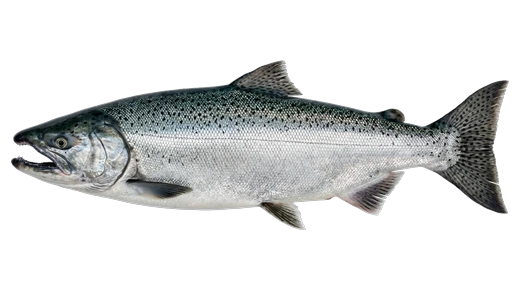
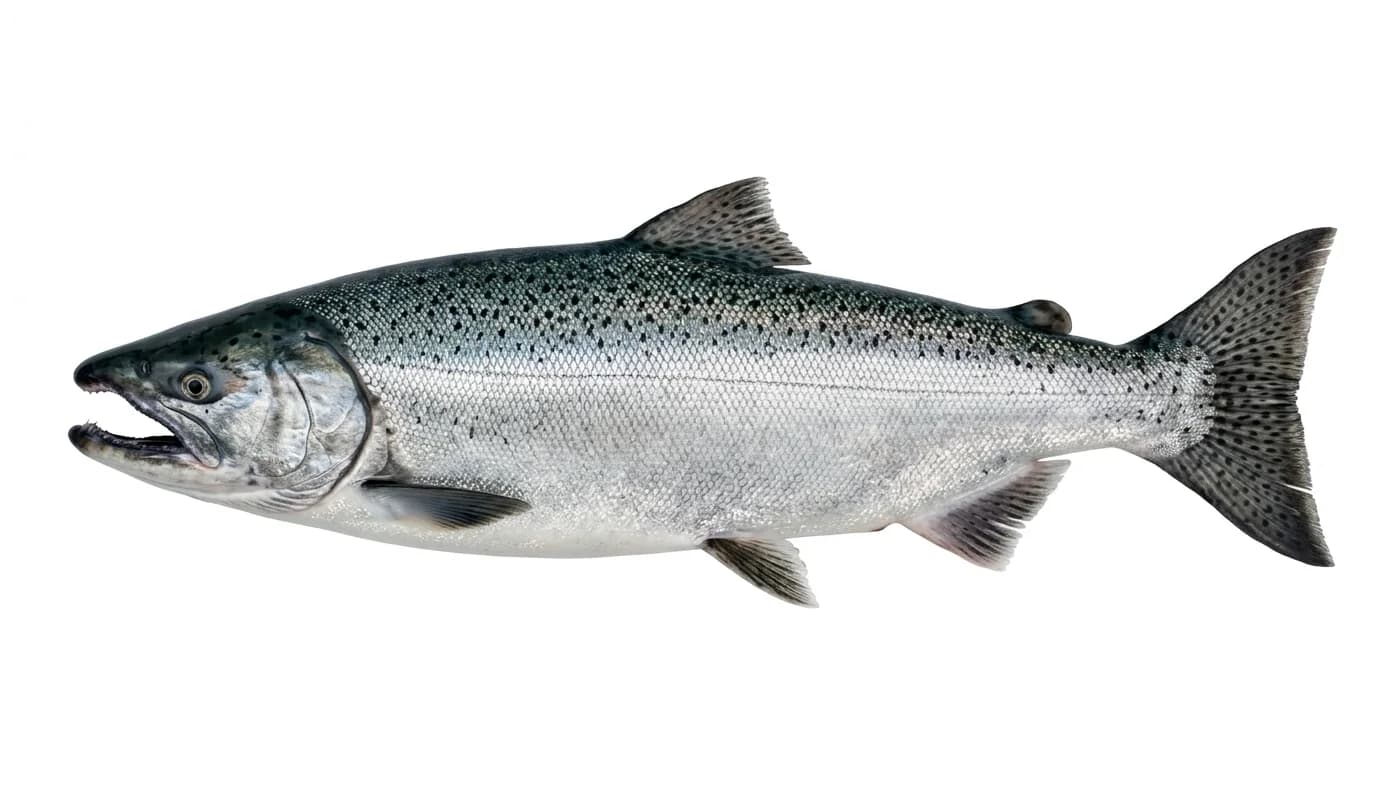
The Chinook salmon is a freshwater fish of the salmonid family, considered the largest of the Pacific salmon.
Out of season · starts in FebruaryWhere to fish
Season
- Off
Tap it to see it in 3DClick it to see it in 3D
King of the south
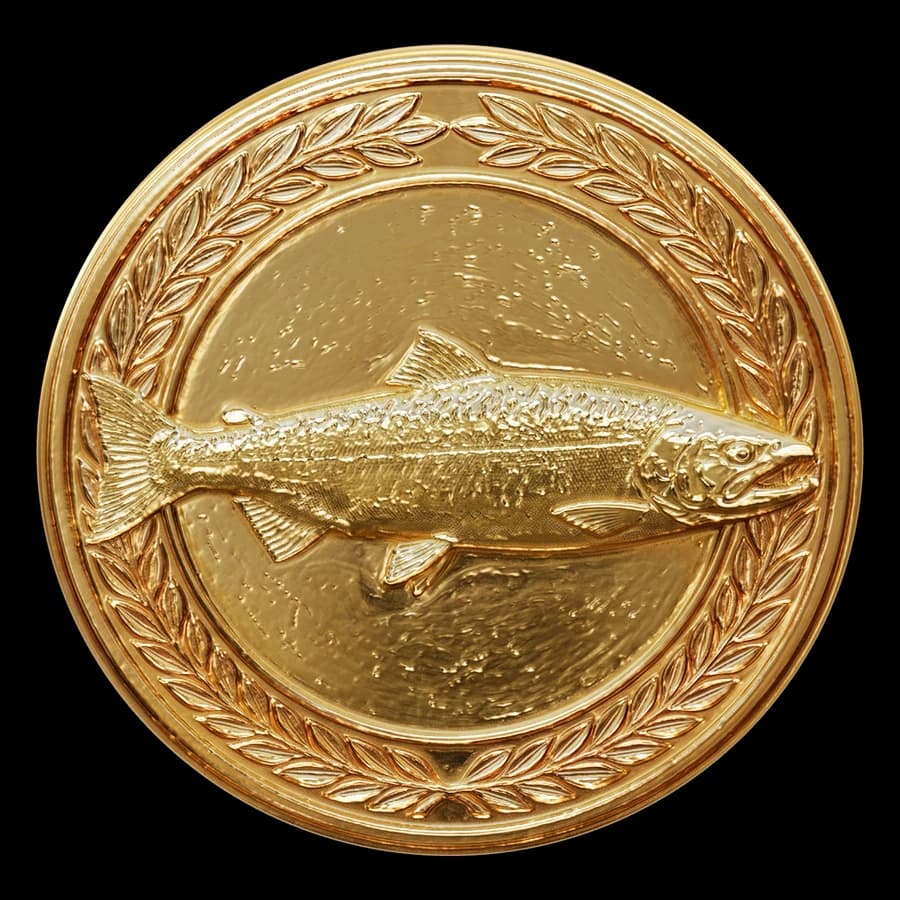
Every chinook salmon you post with a photo counts toward your Pesquedex. Bronze comes with the first catch; silver and gold ask for a variety of spots and provinces.
Recent Chinook salmon catches
Nobody has posted a chinook salmon report yet. Post yours with a photo: you get the catch card and the bronze medal.
Be the first →Habitat
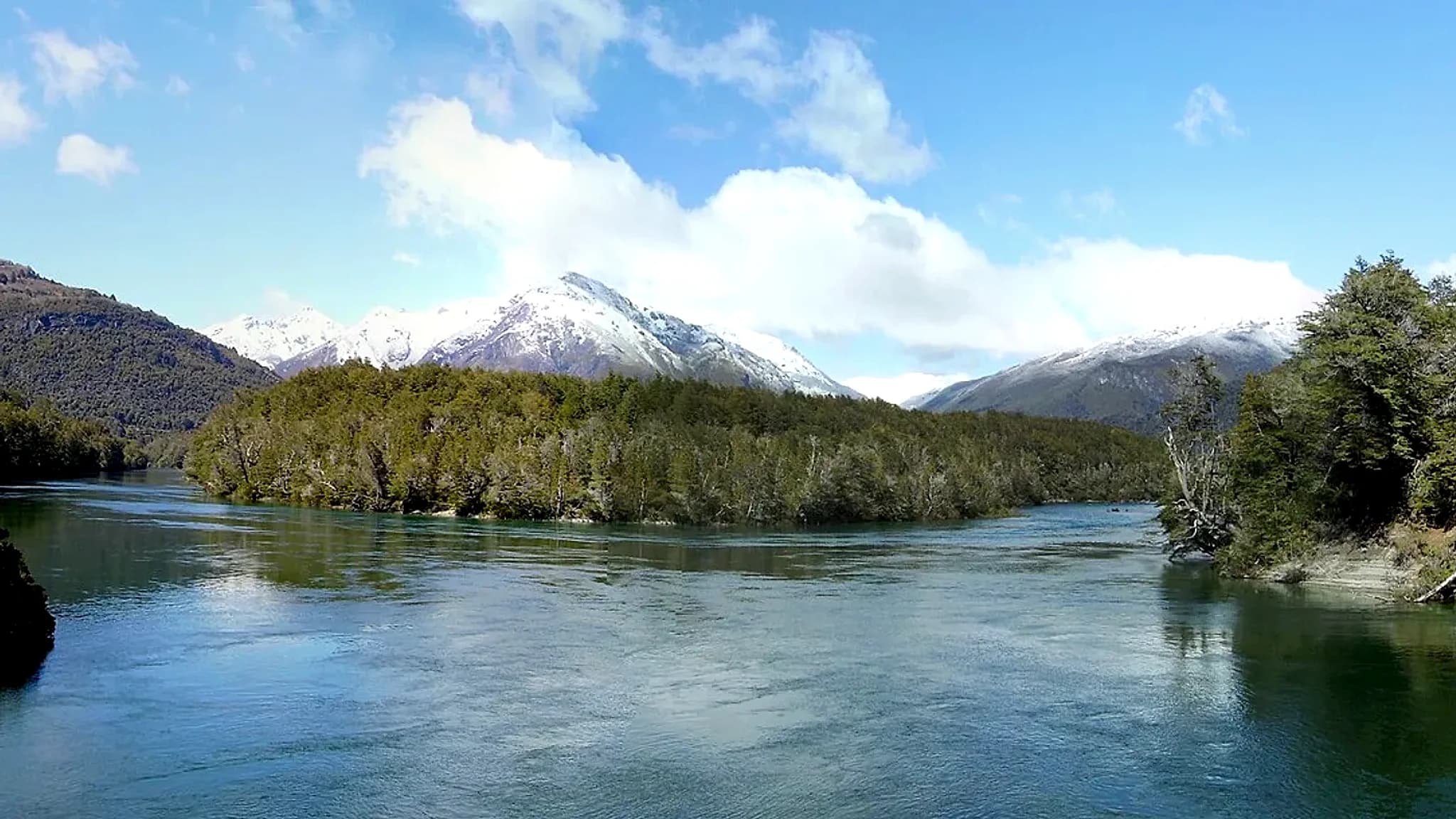
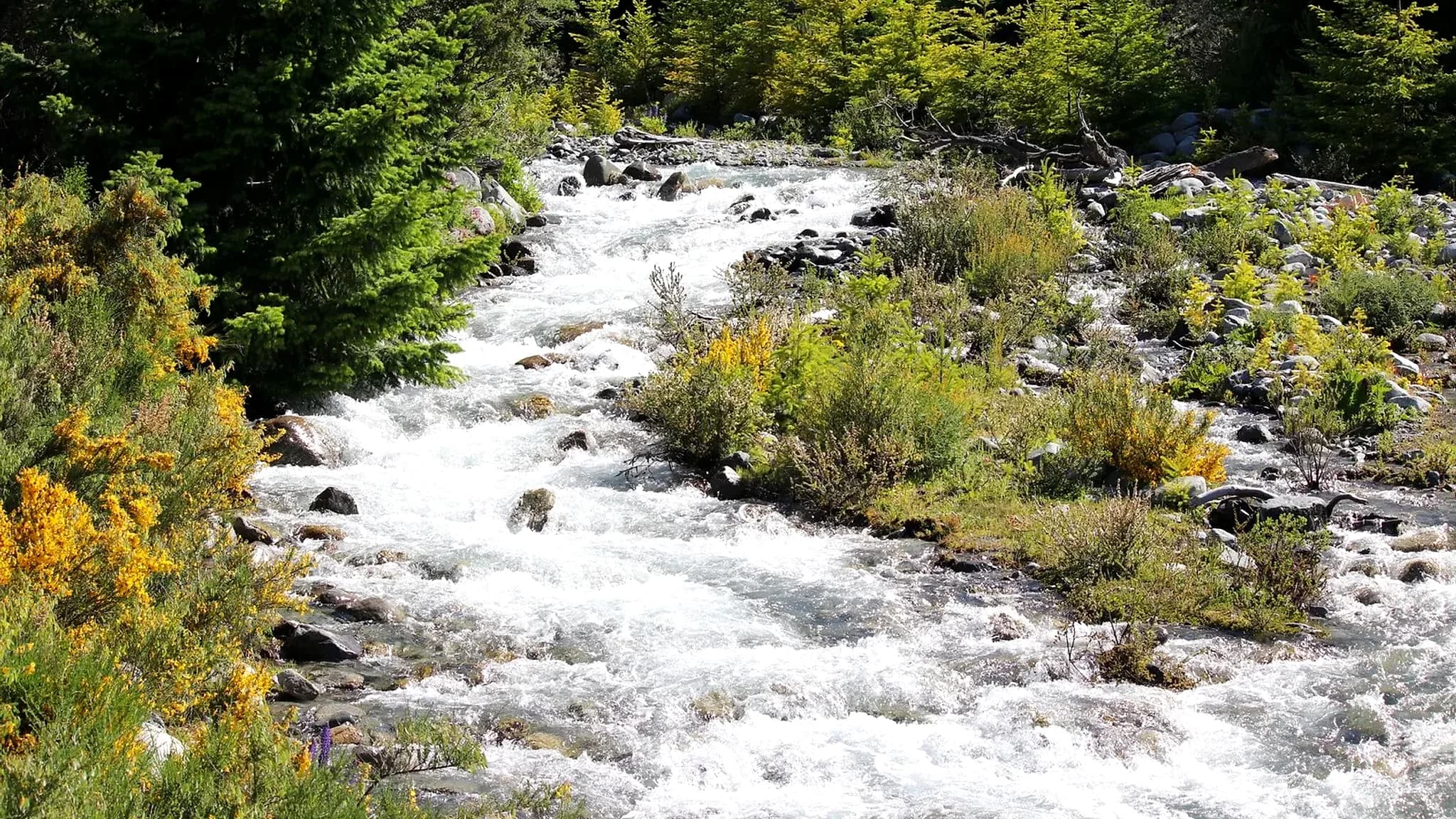
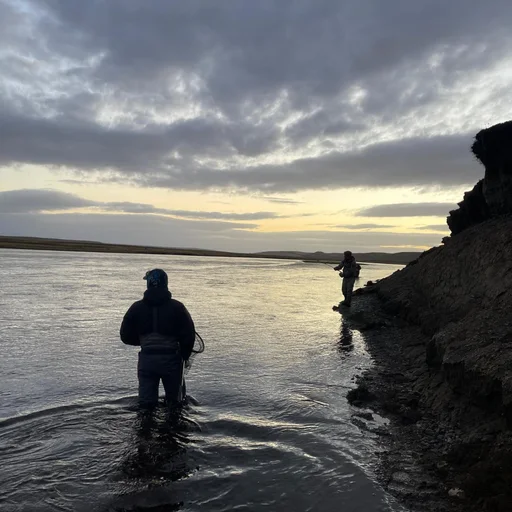
The Chinook is a fish of cold, well-oxygenated waters. In its river phase it seeks stretches of firm current, deep pools at the foot of riffles, confluences, eddies behind large boulders, and the tailouts of pools where the water speeds up. During the reproductive migration, adults hold in these structures to rest between stretches of the ascent, and that is where the angler finds them.
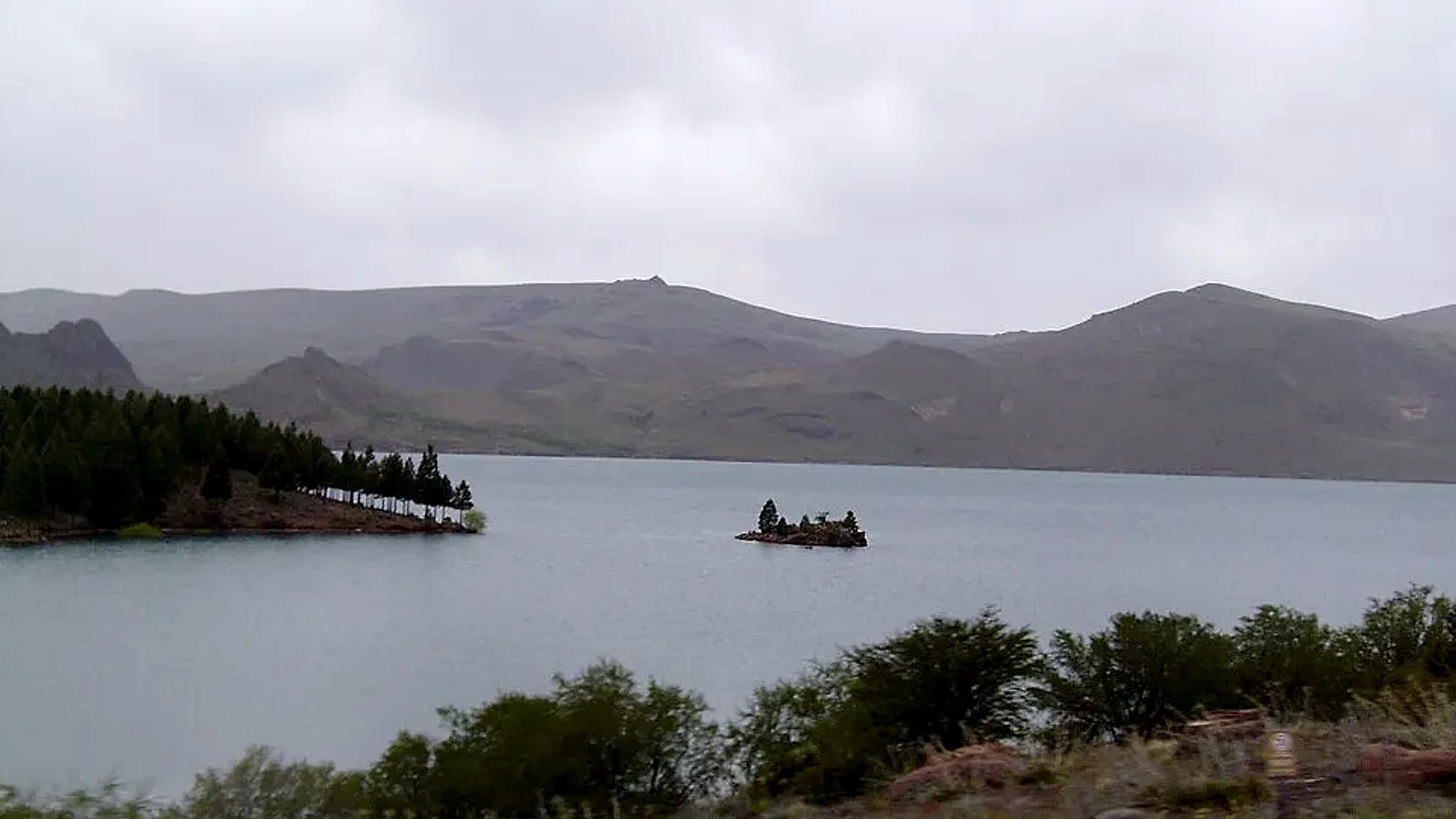
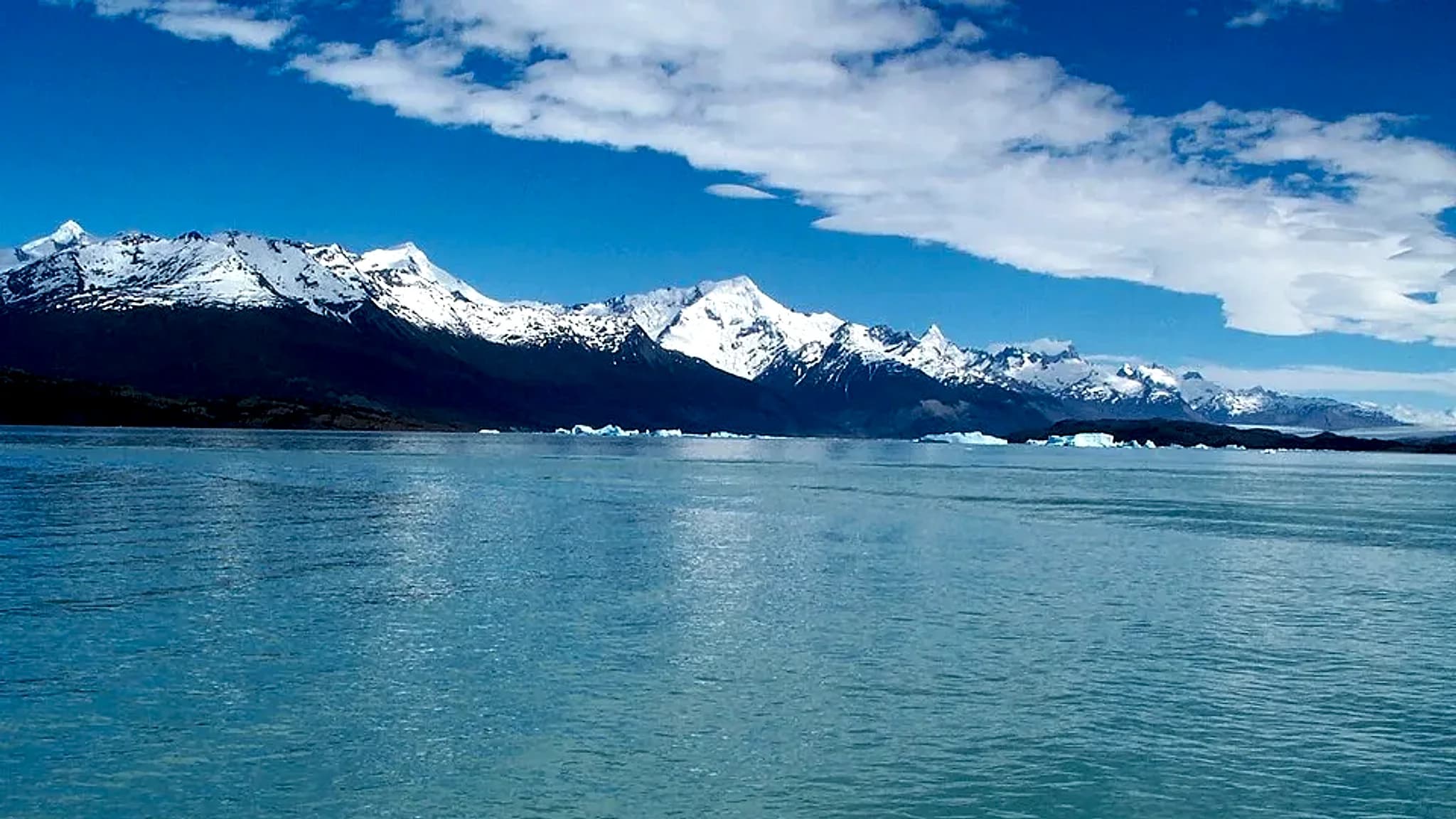
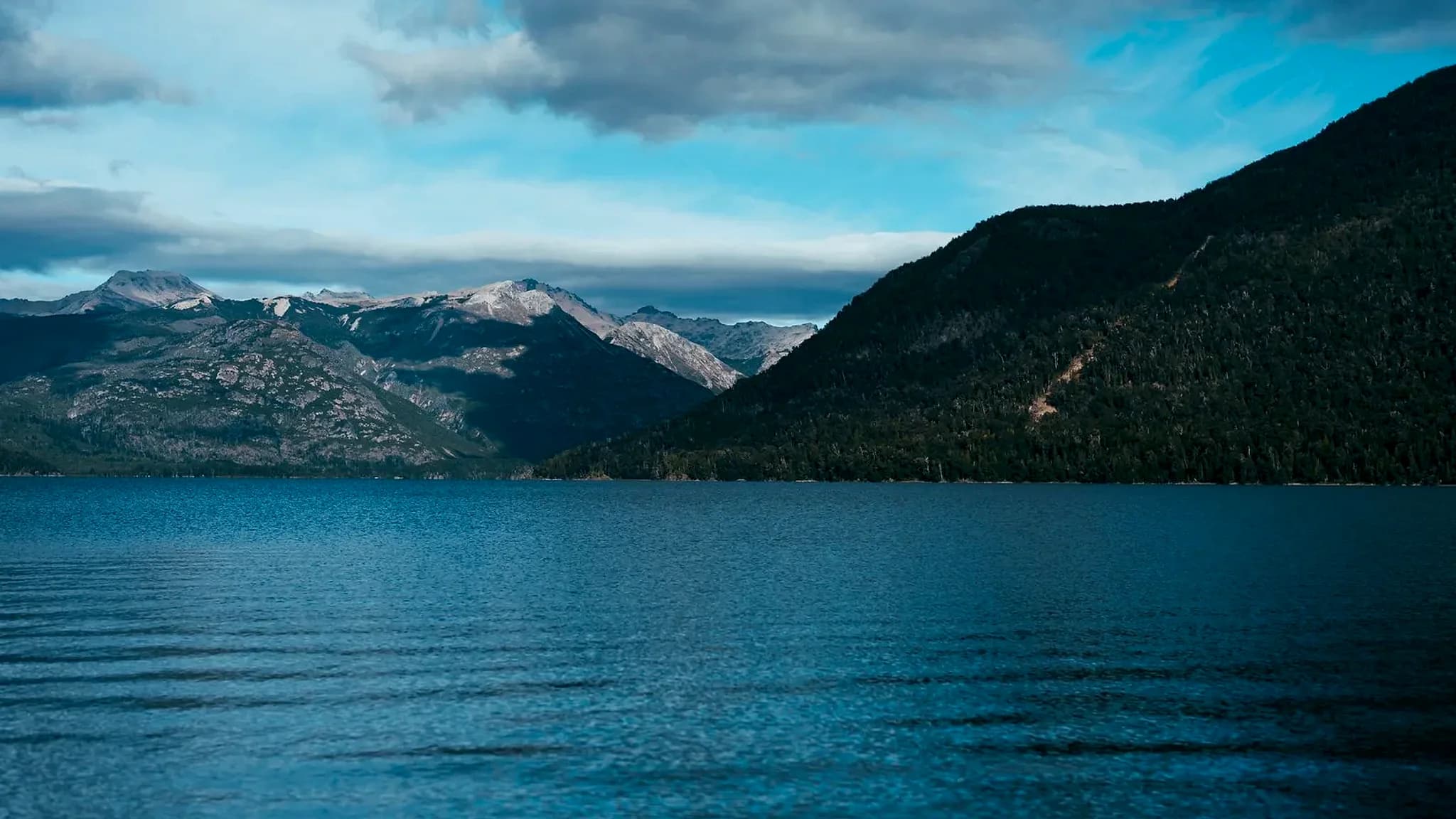
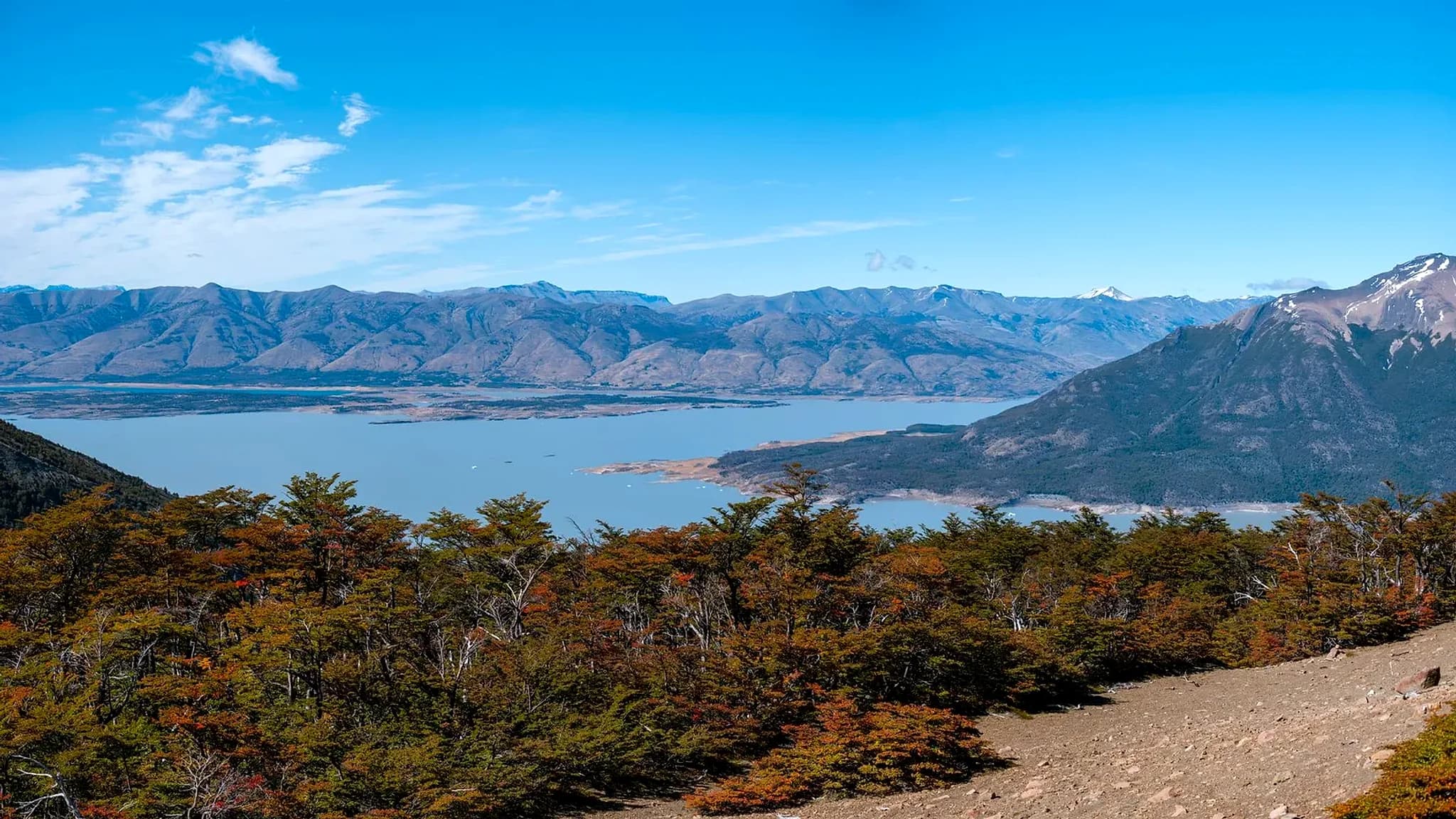
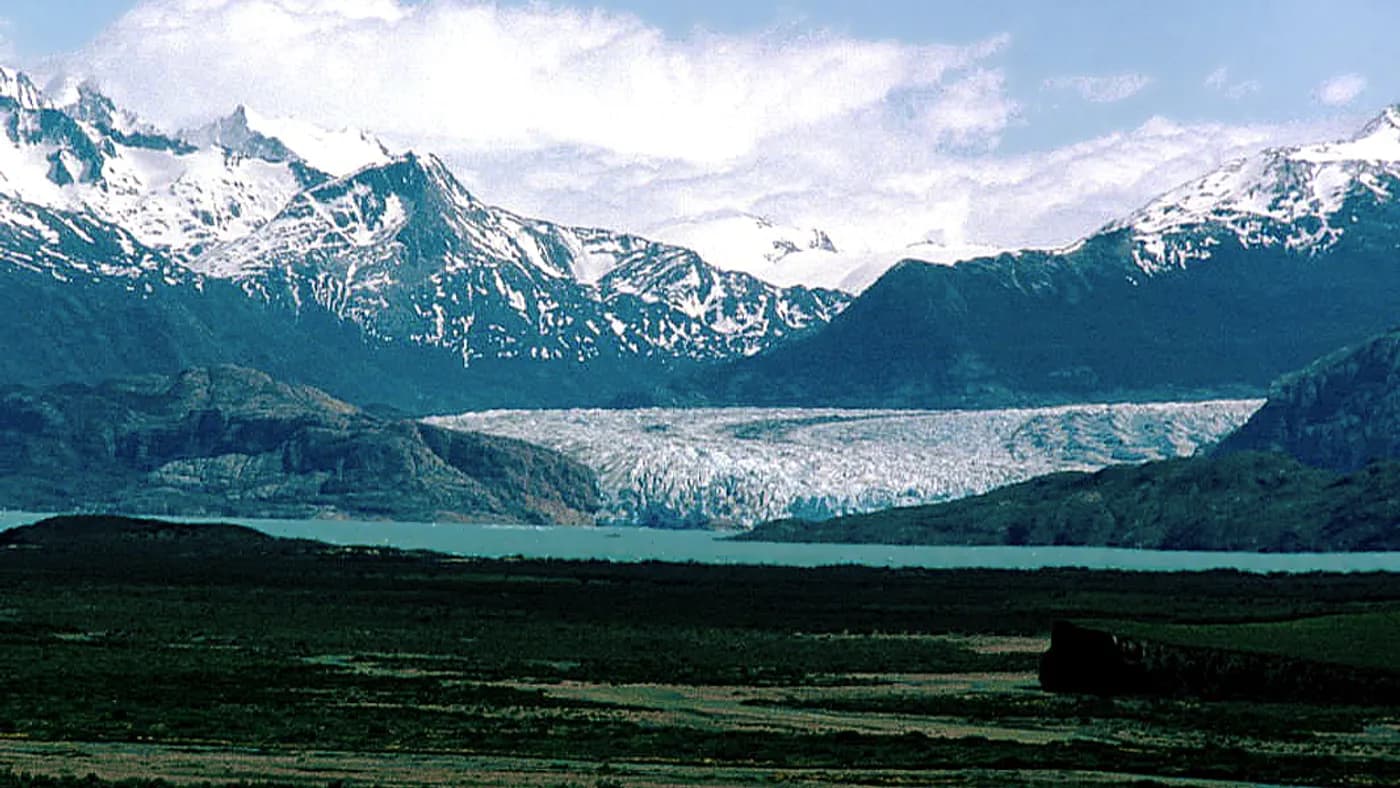
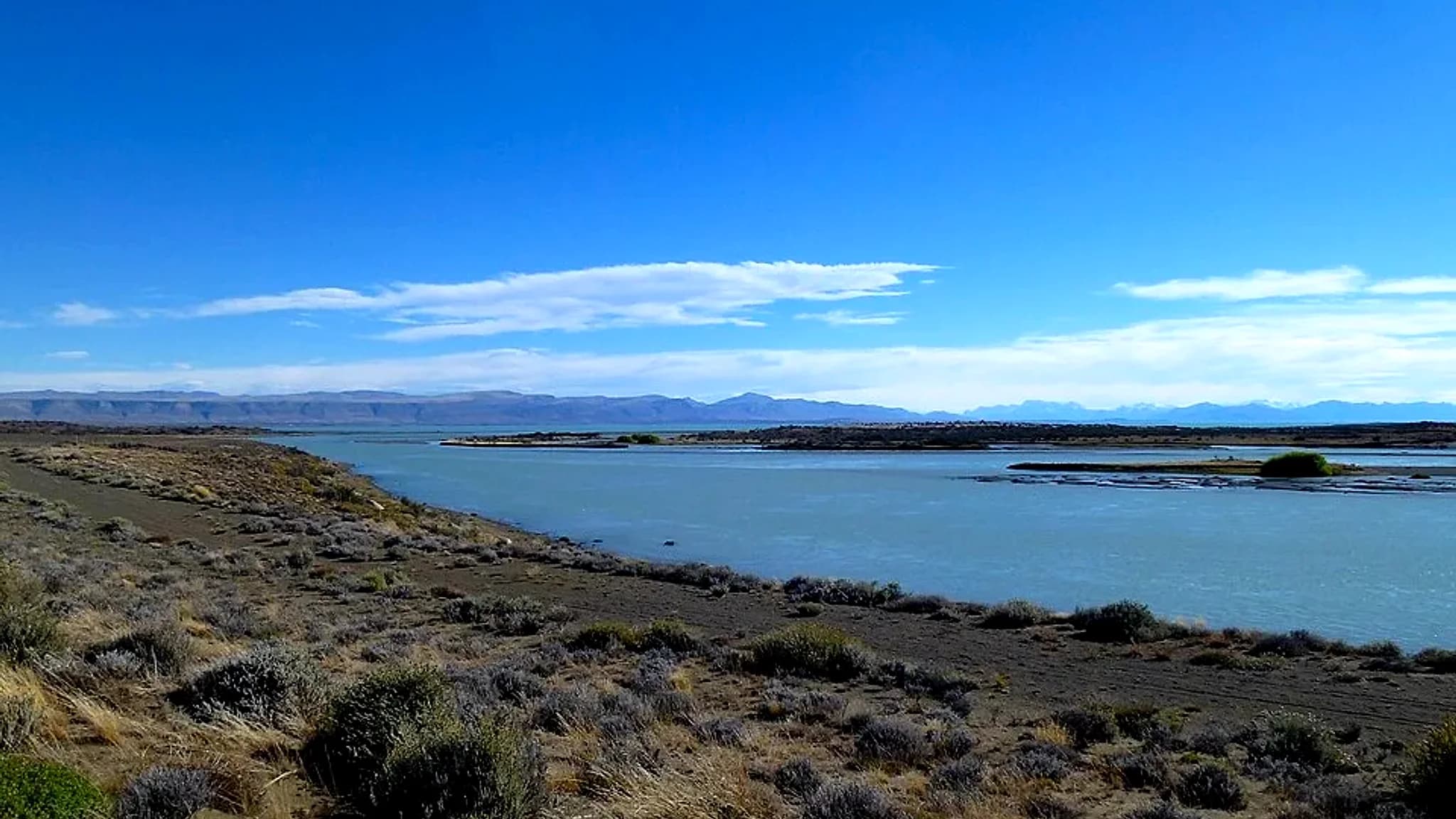
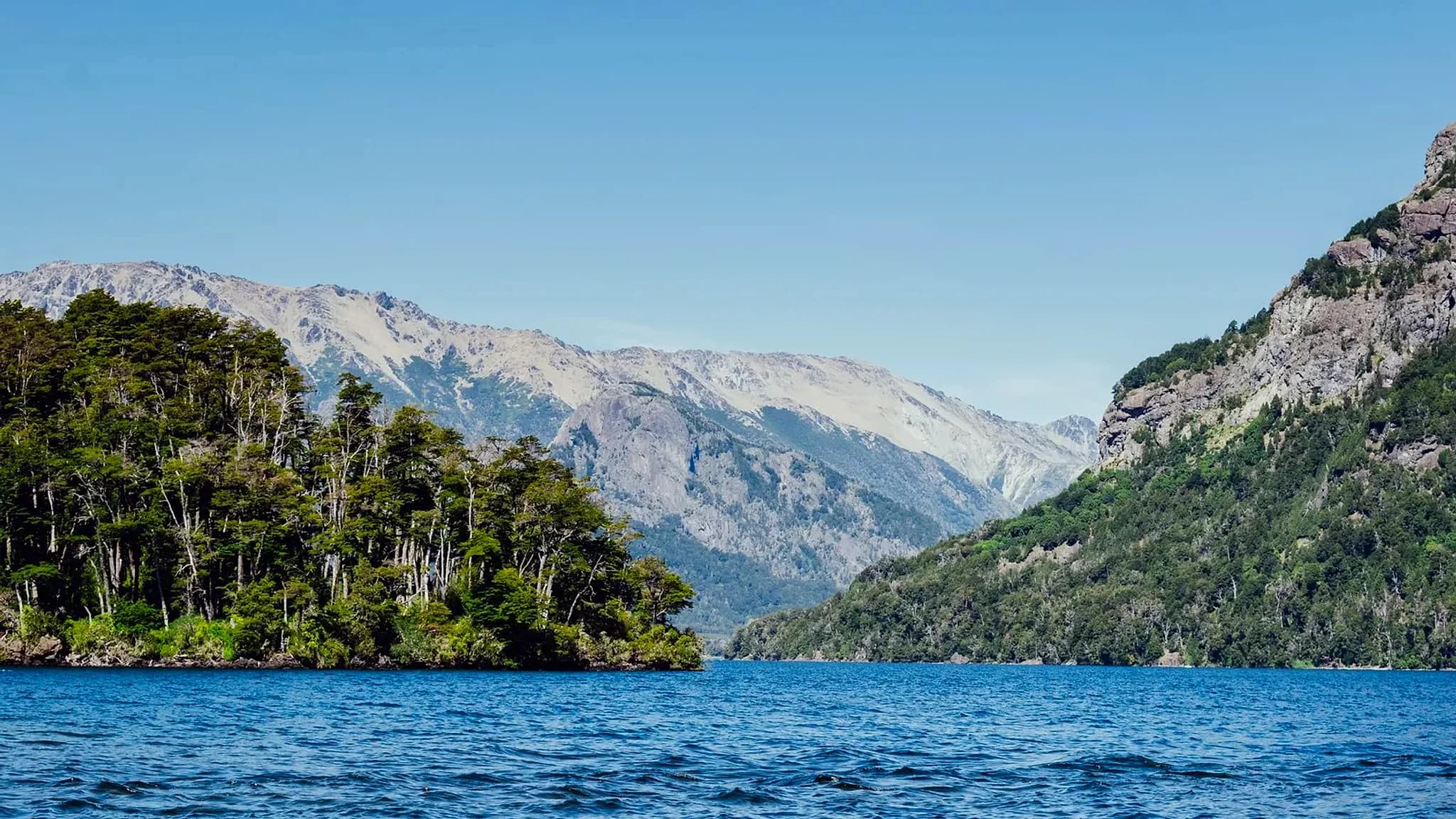
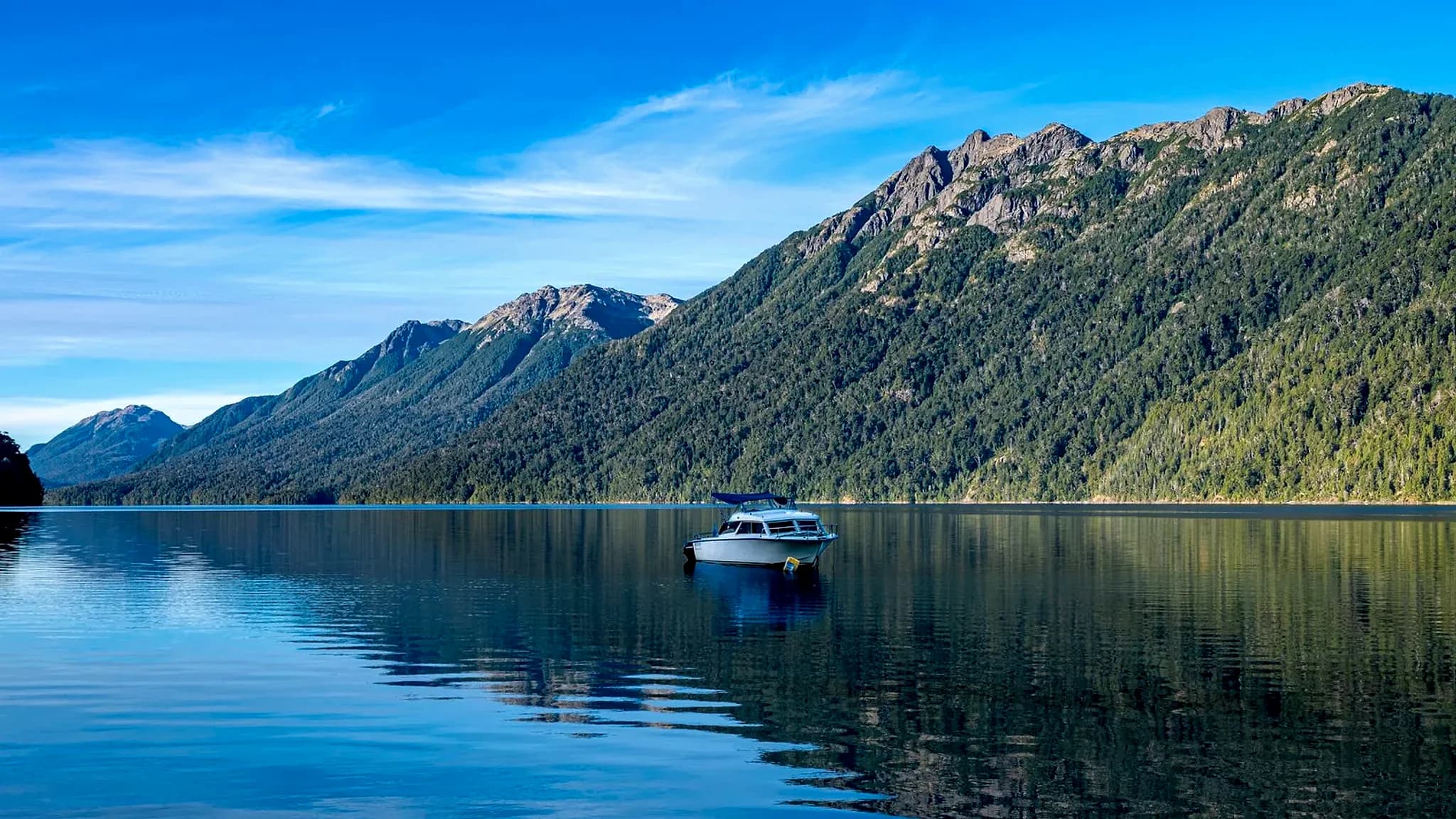
In Argentina it is associated mainly with Patagonia: rivers of the Atlantic watershed of southern Santa Cruz and mountain and foothill systems of Neuquen, Rio Negro, and Chubut, as well as environments linked to large Patagonian lakes and reservoirs where the species managed to establish itself. It prefers clean, cool water with good flow and gravel on the bed —conditions it needs to spawn— so it performs better in the middle and upper stretches of the rivers than at muddy mouths.
Timing rules this fish completely. The key window is late summer and autumn —February, March, and April—, when the reproductive runs occur and the concentrated adults ascend the rivers. Outside that window the Chinook is much harder to find in fresh water, which makes seasonal planning as important a factor as the gear or the technique.
Baits and lures
Since during the run the Chinook barely feeds and strikes out of aggression, the key is to provoke a reaction with visible, noisy, or vibrating presentations. What works best in Patagonia:
- Heavy wobbling spoons: with good weight to work the bottom in current. Strong colors (silver, copper, orange, chartreuse, red) that flash and trigger the territorial strike.
- Large spinners: the vibration of the blade provokes responses even from fish that are not feeding.
- Deep-diving plugs / minnows: with a pronounced, noisy action, effective in pools and riffles.
- Saltwater flies and large, showy streamers: bulky, colorful patterns (orange, pink, chartreuse, black) and intruder-style patterns for the fly angler; they work through visual provocation.
- Roe and egg presentations where the method and provincial regulations allow it: it is one of the classic natural baits for salmonids on the run, closely tied to their reproductive instinct.
Practical guide rule: in clear, low water, more natural and metallic tones; in colored water or under overcast skies, fluorescent colors and large silhouettes. And always prioritize enough weight to reach the zone where the fish is resting, near the bottom.
Recommended gear
The gear has to be up to a fish that can exceed 15-20 kg and that fights with powerful runs in current. Concrete recommendations:
Spinning:
- Rod: medium-fast action and medium to medium-heavy power (line rating approximately 15-30 lb / 8-15 g or more depending on the lure), 2.10 to 2.70 m to have backup in the fight and good casting.
- Reel: robust spinning reel in size 4000-6000, with a progressive, reliable drag and good line capacity (the Chinook's runs are long).
- Line: braided multifilament of 20-40 lb as the main line for its strength and sensitivity, ideal for working heavy lures in current.
- Leader: fluorocarbon of 0.40-0.60 mm (approx. 20-40 lb) to absorb contact with rocks and gravel and resist the abrasion of the fight.
Fly:
- Rod: #8 to #10 line (for wide rivers, two-handed / spey outfits #7-#9 two-handed).
- Reel: with generous backing (150-200 m) and a strong, smooth disc drag.
- Line: sinking or sink-tip to get large streamers down to the fish's zone, with a suitable strong leader.
Accessories: strong, well-sharpened hooks, pliers for unhooking, a wide rubber net to protect the fish on release, and good waders with grippy-soled footwear to move safely in rivers of firm current and rocky bottom.
Fishing techniques
The Chinook is fished mainly by spinning and with the fly, seeking to provoke the strike of fish that are in full run and not feeding. The logic is always the same: present the lure close to the fish, at the water depth where it rests, and make it pass by insistently.
Spinning (the most widespread method):
- Locate the structure: deep pools, the foot of riffles, confluences, and pool tailouts.
- Use heavy spoons or spinners to touch the bottom or work near it.
- Cast upstream or across and let the lure drop with the current, retrieving just enough to keep it working near the bed.
- Persist: you have to "warm up" the fish. Many strikes come after several passes over the same spot.
With the fly:
- Sinking line or sink tip and large, colorful streamers.
- The swing technique: cast across, let the fly cross the current in an arc, and keep it under tension; the take usually comes at the end of the swing.
- Two-handed (spey) outfits help a lot on wide rivers with firm flow.
Guide tips:
- Timing: the early morning hours and dusk tend to be the most active moments; with flat light or overcast skies the fish is more willing all day long.
- The Chinook fights deep and makes long runs: let the drag do its work, don't force it at the start, and follow the runs.
- Strong, well-sharpened hooks: the Chinook's mouth is hard and the fights demanding.
- Patience and water coverage: it is about finding fresh fish from the run and passing the lure by them many times.
Closed season & regulations
Closed seasons, minimum size and bag limits for chinook salmon are set by each province and change every year. The current rule is on each spot's page: confirm it before heading out.
Read the full note
Chinook salmon fishing is subject to provincial regulations, and it is the angler's responsibility to know and respect them before heading out. In practice this involves three things that change depending on the province, the environment, and the year: the closed seasons (periods and zones where fishing is prohibited or where special restrictions apply), the minimum sizes, and the catch limits.
Why the closed season exists: the closed season protects the reproductive stage. The Chinook ascends the rivers precisely to spawn, and disturbing or removing fish in full run and over the spawning grounds compromises reproduction. That is why many jurisdictions establish seasonal or river-stretch restrictions, and in several Patagonian environments there is a strong culture of catch & release and careful handling of the fish: wetting your hands, keeping it in the water, minimizing time out of the water, and using barbless hooks when appropriate.
Important and honest: the closed-season dates, minimum sizes, and catch limits vary by province and are updated every season, and they are not part of a single figure that can be published generally and reliably here. Before you go, always consult the official provincial authority —the Directorate of Wildlife, Fisheries, or Natural Resources of the corresponding province (for example Neuquen, Rio Negro, Chubut, or Santa Cruz)— and obtain the current fishing permit. The official regulations for each season are the only valid source: don't rely on dates from memory or on what applied last year.
Shops & clubs in the area
Ready to chase chinook salmon? Find guides who target this species and message them.
Plan your trip hereDo you guide chinook salmon trips? Join for free and show up here →
Frequently asked questions about chinook salmon
Can you fish for Chinook salmon right now, in October?
In October chinook salmon is out of season. Its best time is mar. Being out of season does not mean there is a closed season: that is set by each province and shown on every spot page.
What's the best time to fish Chinook salmon?
The best time for chinook salmon is mar. Check each place's page for the bite calendar and to respect current closed seasons.
Where can you fish Chinook salmon in Argentina?
Some of the best places to fish chinook salmon are Río Futaleufú, Río Pico, Embalse de Alicurá, Lago Argentino. On PESQA you get the map, access info, seasons and verified guides for each one.