Photos: LAVIDAESBELLA25 (CC BY-SA 4.0) — via Wikimedia Commons
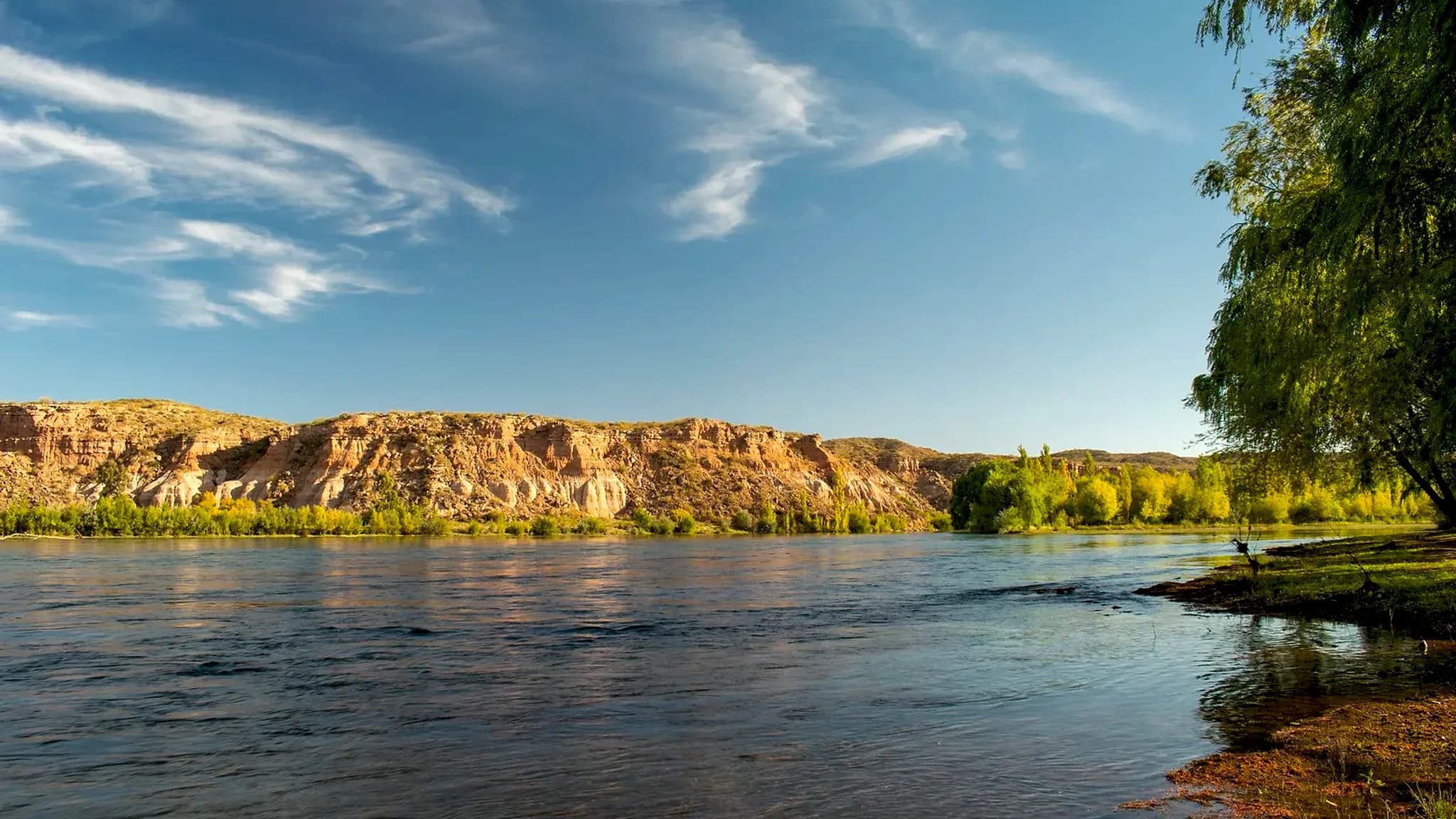
A crystal-clear Patagonian river and a world reference for trout on the fly. It is born from Lake Nahuel Huapi and runs regulated by dams, which keeps a steady flow and large brown and rainbow trout along its upper, middle and lower stretches.
The season runs from November to April, with the Patagonian fishing permit (valid across several provinces). You fish by wading and on float trips, with dry flies, nymphs and streamers depending on the moment; the Confluencia stretch, near the city of Neuquén, adds very productive river mouths and riffles. Afternoon winds and mandatory catch-and-release in many sectors set the rhythm.
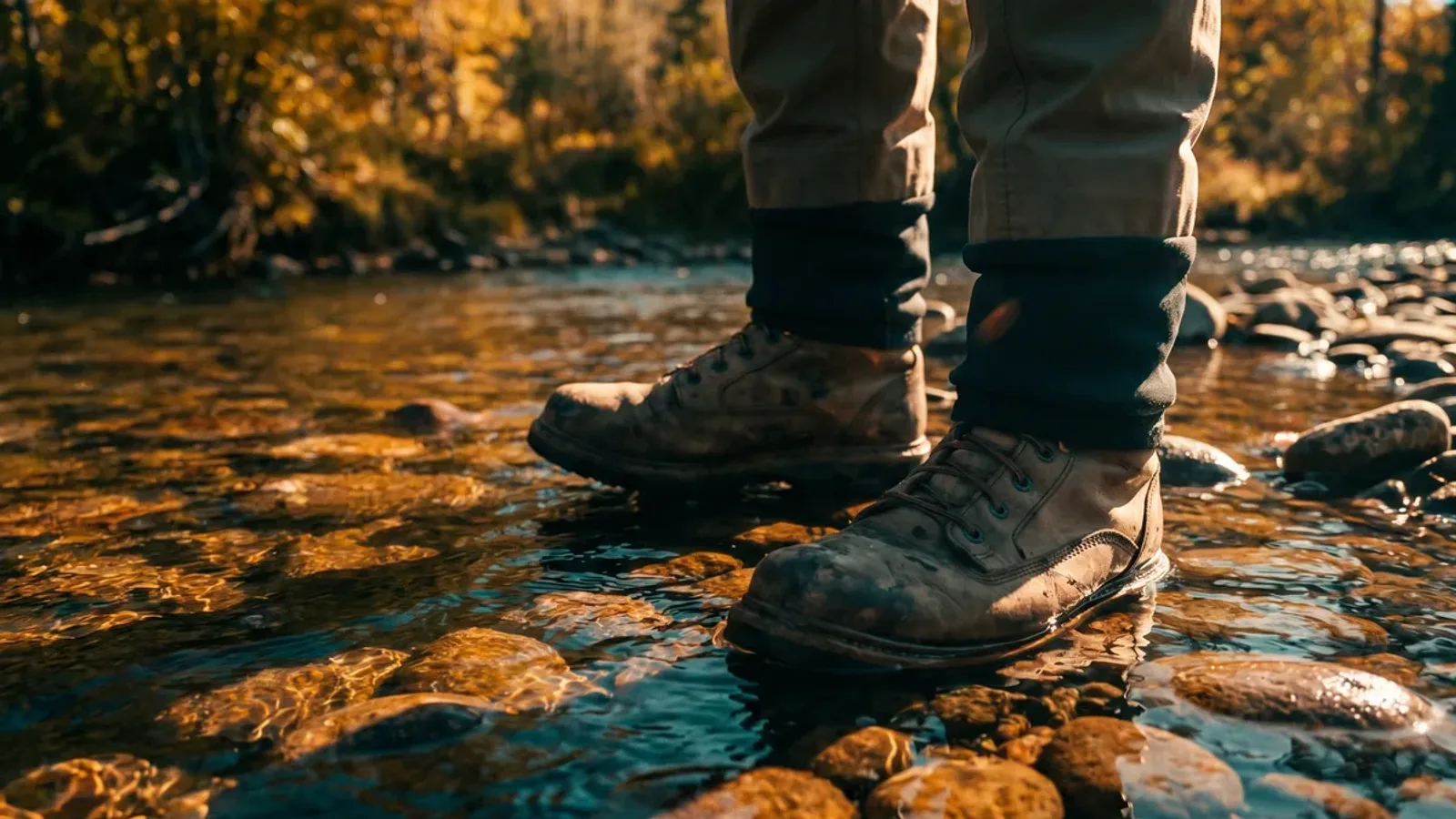
Mosca solamente y devolución obligatoria; prohibidas botas/vadeadores de fieltro. Desde 01/04/2026 devolución obligatoria en tramos de P.N. Nahuel Huapi.
At Limay River (Neuquén) you can catch Argentinian silverside (pejerrey), Brook trout, Creole perch, Brown trout, Rainbow trout, assorted river fish. Allowed styles: Fly, Spinning, Shore, River.
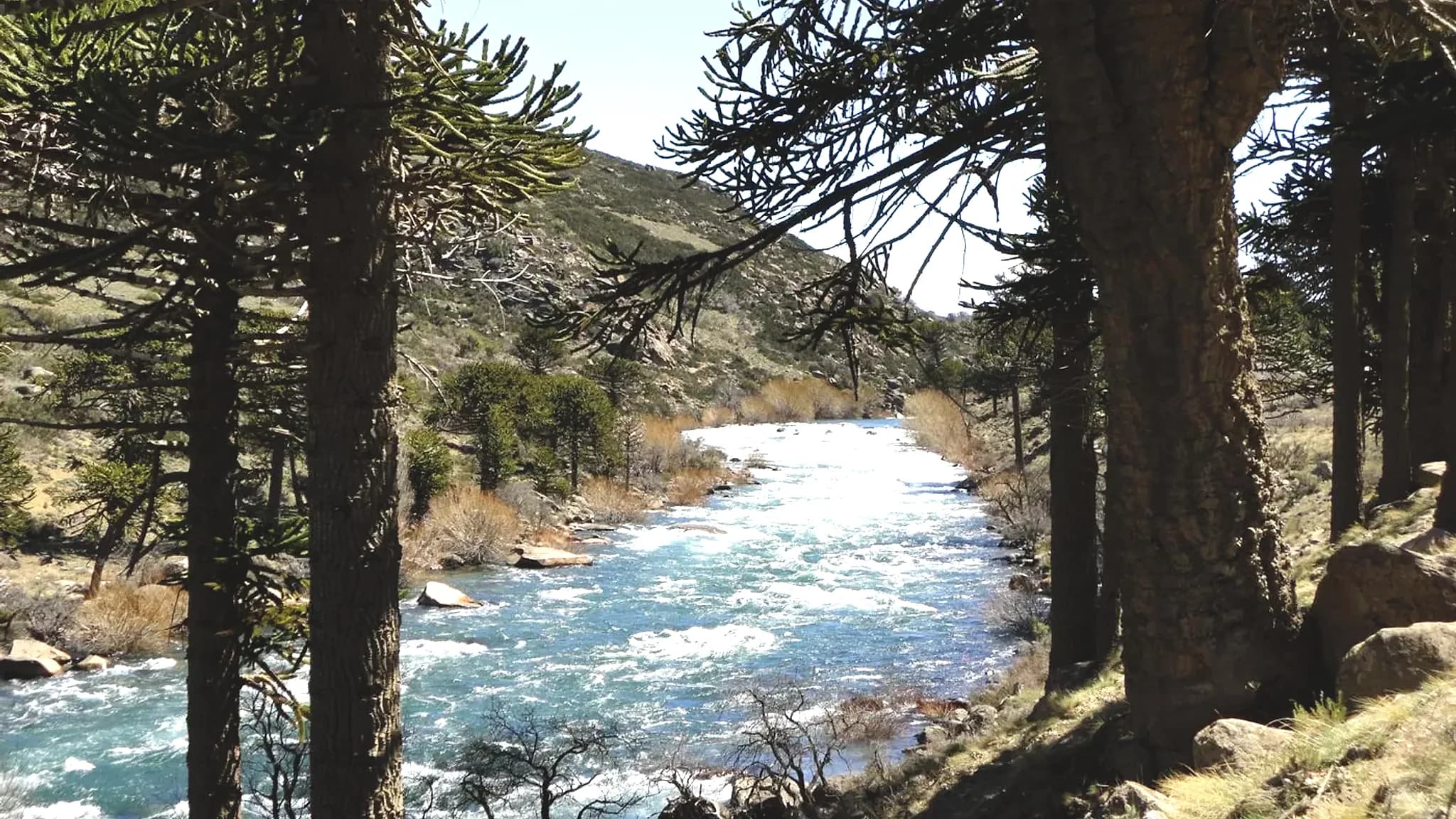
Access from Bariloche, Confluencia and Senillosa. Upper, middle and lower stretches.
Patagonian inland fishing permit valid across several provinces .
Mosca solamente y devolución obligatoria; prohibidas botas/vadeadores de fieltro. Desde 01/04/2026 devolución obligatoria en tramos de P.N. Nahuel Huapi.
Base data: OpenStreetMap (ODbL)
| Season | JAN | FEB | MAR | APR | MAY | JUN | JUL | AUG | SEP | OCT | NOV | DEC | IDX | NOW |
|---|---|---|---|---|---|---|---|---|---|---|---|---|---|---|
| Argentinian silverside (pejerrey). PEAK JUN–AUG | 5 | Closed | ||||||||||||
| Brook trout. PEAK MAR–APR | 5 | Closed | ||||||||||||
| Creole perch. PEAK NOV–JAN | 5 | Closed | ||||||||||||
| Brown trout. PEAK MAR–APR | 5 | Closed | ||||||||||||
| Rainbow trout. PEAK MAR–APR | 5 | Closed |
The number (0 to 100) sums up how likely the species is to be active here this month: it weighs the season, recent catch reports and, where there is a river gauge, the water level.
The pejerrey is a medium-sized fish with a delicate mouth, so the tackle leans to the fine and sensitive side. A recommended setup:
The philosophy of the tackle is simple: the finer and more sensitive it is, the more bites you will detect and the more you will enjoy the fight of this silver fish.
For a species of 0.5 to 2 kg that lives in cold streams and lagoons, the ideal gear is light and sensitive, allowing you to enjoy the fight and present small lures and flies with precision.
Spinning:
No one has reported from this spot yet. Fished here? Tell us how it went — you'll help the next angler.
Fly:
Round it out with barbless hooks if you are going to practice catch-and-release, a hook-removal tool (forceps), a soft-mesh (rubber) net so as not to harm the fish, and waders if you are going to wade into the cold water.
Light spinning with small spoons, micro-jigs and soft plastics, or fly with small streamers. Bait: worm. It keeps company with the trout in Patagonian lakes and rivers.
Gear is chosen according to the environment and the expected size. A versatile, concrete setup:
Spinning (general use, rivers and lakes):
Fly fishing:
Recommended accessories: rubber net (less harm to the fish for release), forceps for removing hooks, barbless hooks, and waders for safe wading in cold water.
The gear is matched to the setting and the size of trout you are after, but these setups cover most situations in Argentina:
Spinning (general use, trout of 1 to 3 kg):
Fly:
For trophy specimens (5-10+ kg at the Strobel): step up the power—medium/medium-heavy spinning with 15-20 lb braid and a robust fluoro leader, or a 7/8 fly outfit—because these are fish with strength and runs far superior to the average trout.
In every case: a well-adjusted drag, sharp hooks (barbless if you are going to release), and a rubber net to handle the fish with the least possible harm.