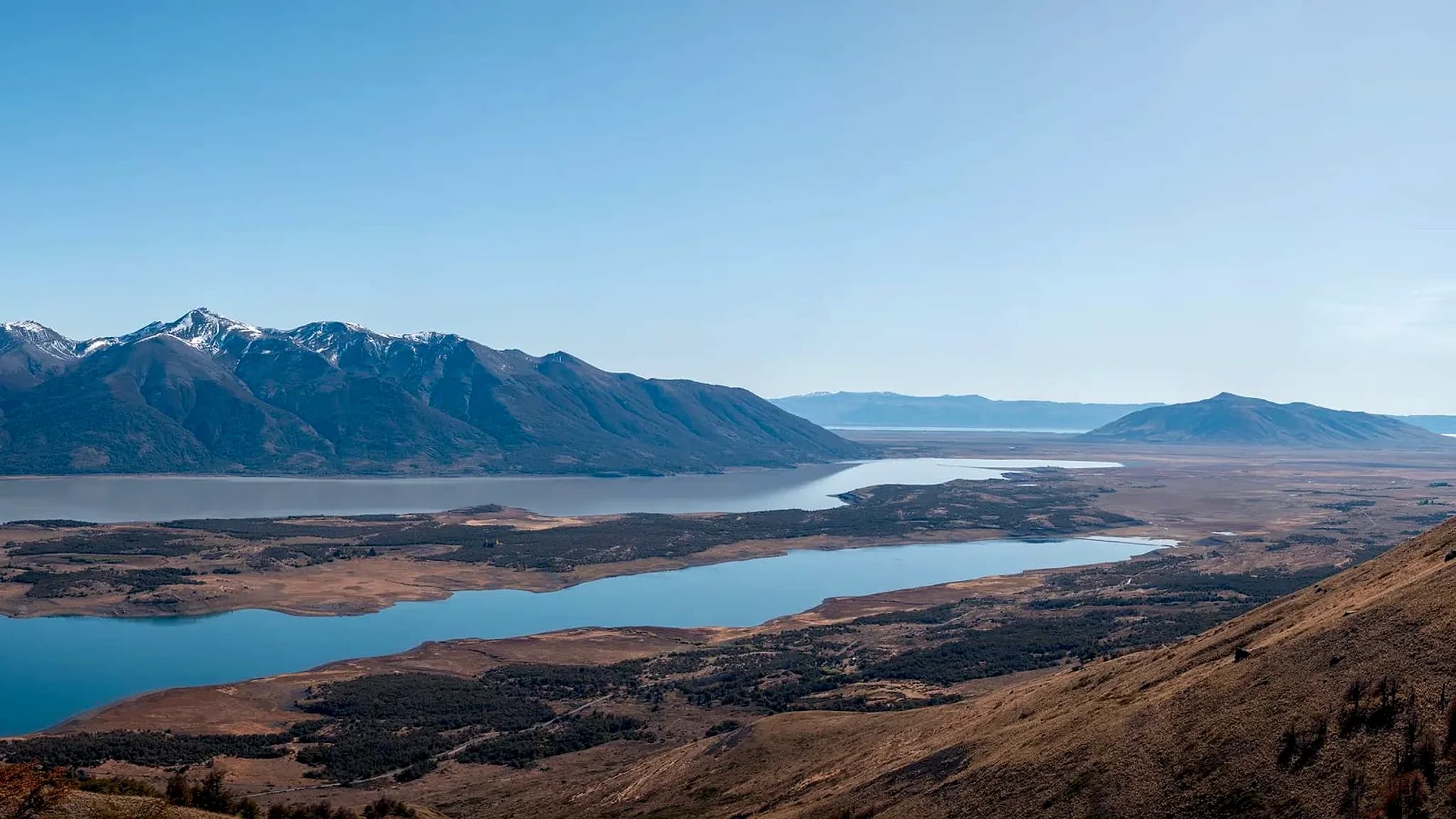
Reference image by PESQA — not a photo of the place
Río de estepa con alma cordillerana: el Catán Lil baja del sur de la cordillera de Catán Lil y acompaña a la RN 40 entre Zapala y el empalme hacia Junín de los Andes, hasta sumarse a la cuenca del Collón Curá. Sauces, bardas y pozones hondos, con trucha arcoíris, marrón, de arroyo y perca.
Es un río que premia al que lo camina: pozo por pozo, con secas y ninfas cuando el agua está clara y streamers o giratorias en los tramos hondos, donde viven las marrones buenas. La perca acompaña en los remansos. En términos generales, de fines de primavera al verano es su mejor momento, con el viento de la estepa como compañero inevitable: lances cortos y precisos rinden más que distancia. Mucho recorrido cruza campos privados, así que el permiso de acceso es parte del plan.
LD: 2 percas. Devolución obligatoria de todos los salmónidos.
Base data: OpenStreetMap (ODbL)
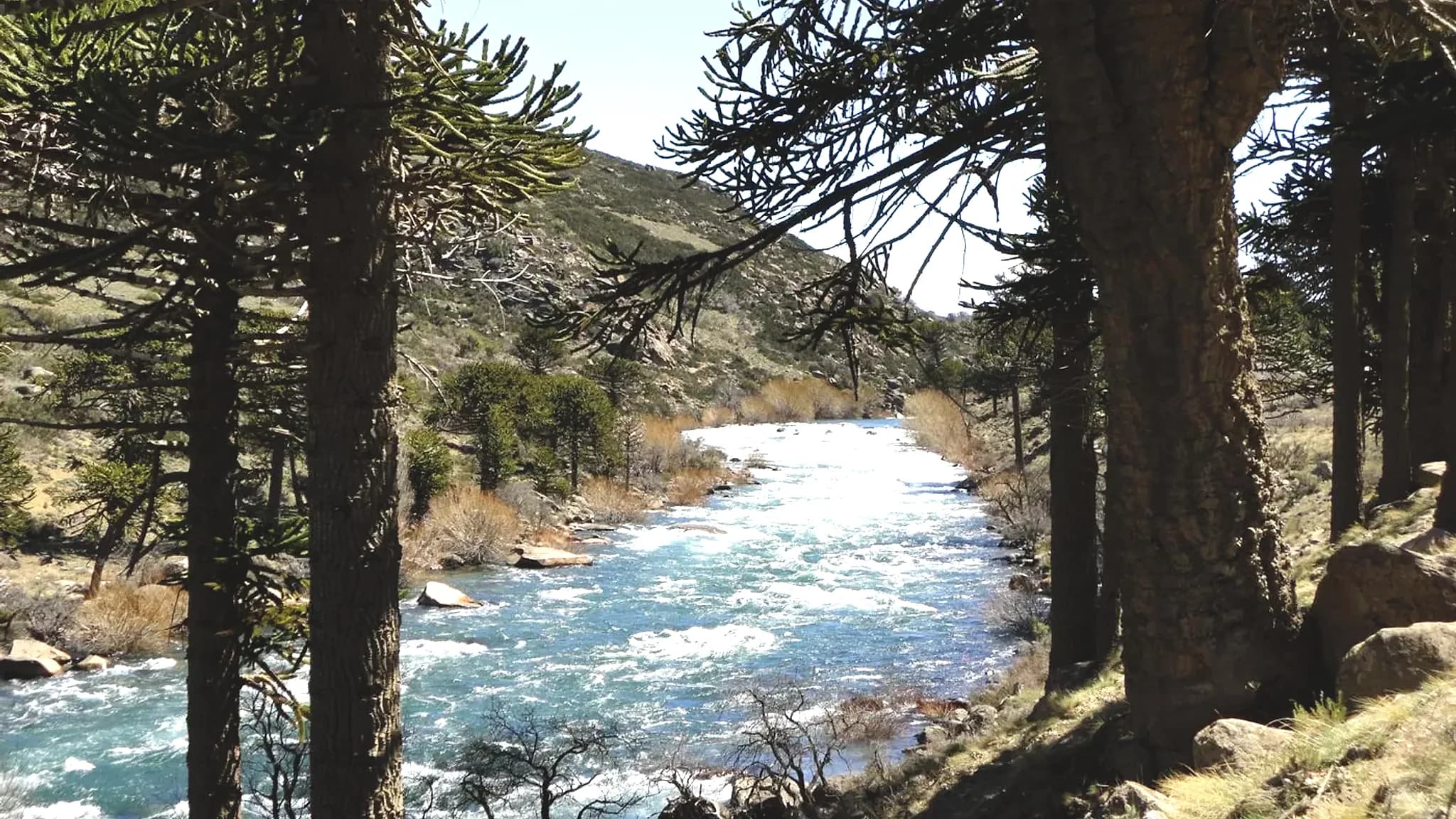
At Río Catán Lil (Neuquén) you can catch Brook trout, Creole perch, Brown trout, Rainbow trout.
Original text in Spanish: “La RN 40 cruza y acompaña el río entre Zapala y el sur; varios accesos son por campos privados. Consultá localmente y pedí permiso antes de entrar.”
Original text in Spanish: “Se pesca con el Permiso de Pesca Continental Patagónico (online o en casas de pesca y oficinas de turismo). Revisá el reglamento vigente antes de la salida.”
Now 11° · wind 16 km/h NE
Biting this month: creole perch. 6 guides nearby.
| Season | JAN | FEB | MAR | APR | MAY | JUN | JUL | AUG | SEP | OCT | NOV | DEC | NOW |
|---|---|---|---|---|---|---|---|---|---|---|---|---|---|
| Creole perch. In season: OCT–APR. Peak: NOV–JAN | In season | ||||||||||||
| Brook trout. In season: NOV–APR. Peak: MAR–APR | Off | ||||||||||||
| Brown trout. In season: NOV–APR. Peak: MAR–APR | Off | ||||||||||||
| Rainbow trout. In season: NOV–APR. Peak: MAR–APR | Off |
Dark: each species' peak months. Medium: its season at this place.
For a species of 0.5 to 2 kg that lives in cold streams and lagoons, the ideal gear is light and sensitive, allowing you to enjoy the fight and present small lures and flies with precision.
Spinning:
Fly:
Round it out with barbless hooks if you are going to practice catch-and-release, a hook-removal tool (forceps), a soft-mesh (rubber) net so as not to harm the fish, and waders if you are going to wade into the cold water.
Light spinning with small spoons, micro-jigs and soft plastics, or fly with small streamers. Bait: worm. It keeps company with the trout in Patagonian lakes and rivers.
Guides, campsites and places to stay that work these waters.
No one has reported from this spot yet. Fished here? Tell us how it went — you'll help the next angler.
There are already 48 businesses loaded in the area. If yours is not there — or it is and you are not running it yet — the listing is free and puts you in front of whoever is planning a trip to Río Catán Lil.
It's free · no card
Original text in Spanish: “LD: 2 percas. Devolución obligatoria de todos los salmónidos.”
Yes: in October there are species in season in Río Catán Lil (Creole perch).
In Río Catán Lil it is worth going when its main species bite: Brook trout (NOV–APR); Creole perch (OCT–APR); Brown trout (NOV–APR); Rainbow trout (NOV–APR).
Yes: PESQA lists 6 guides working Río Catán Lil, among them La Anita, Ruca Maitén, Nahuel Mapi.
Near Río Catán Lil PESQA lists 42 places to stay: Cabañas Los Monti, Rincon del Alumine, Rahue House - Fishing & Hunting Lodge.
Río Catán Lil is in the province of Neuquén.
Gear is chosen according to the environment and the expected size. A versatile, concrete setup:
Spinning (general use, rivers and lakes):
Fly fishing:
Recommended accessories: rubber net (less harm to the fish for release), forceps for removing hooks, barbless hooks, and waders for safe wading in cold water.
The gear is matched to the setting and the size of trout you are after, but these setups cover most situations in Argentina:
Spinning (general use, trout of 1 to 3 kg):
Fly:
For trophy specimens (5-10+ kg at the Strobel): step up the power—medium/medium-heavy spinning with 15-20 lb braid and a robust fluoro leader, or a 7/8 fly outfit—because these are fish with strength and runs far superior to the average trout.
In every case: a well-adjusted drag, sharp hooks (barbless if you are going to release), and a rubber net to handle the fish with the least possible harm.