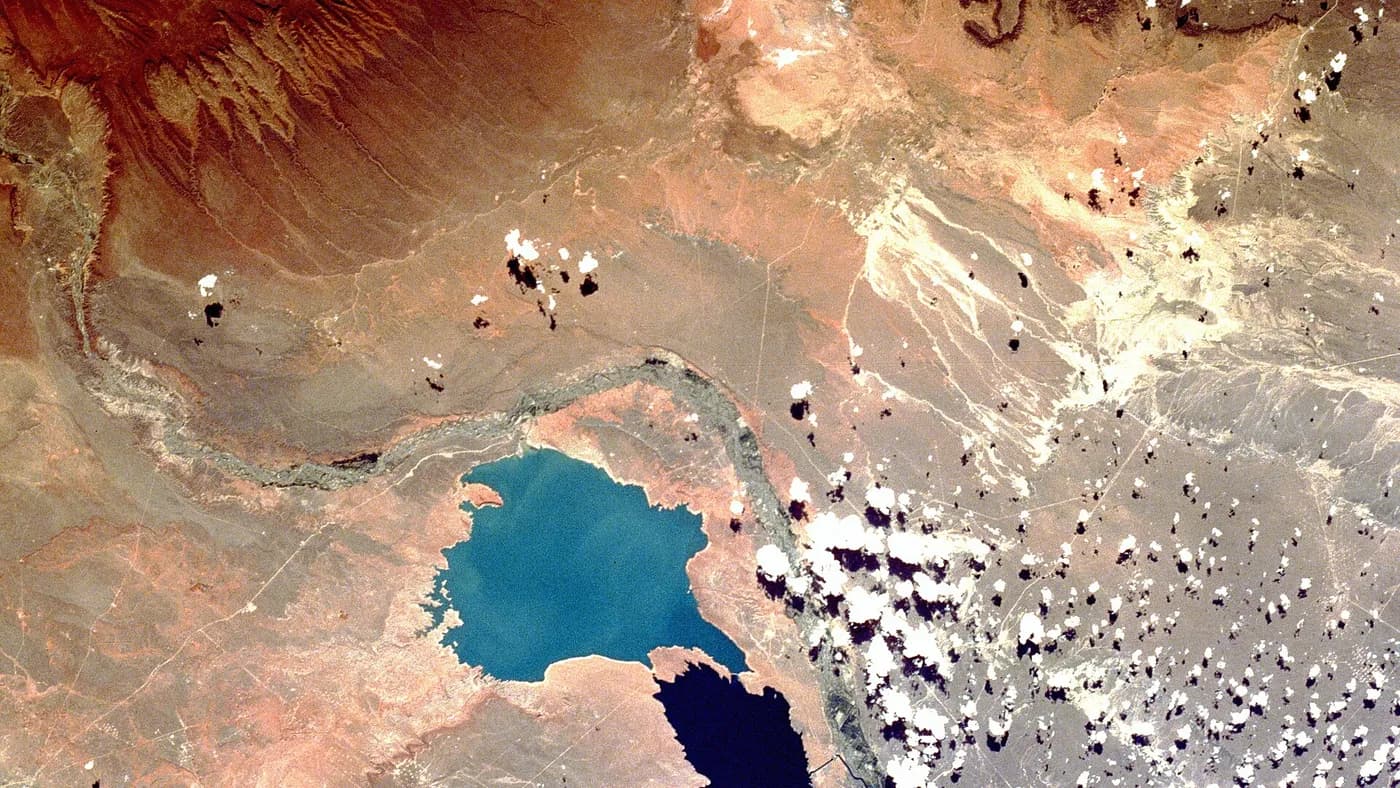
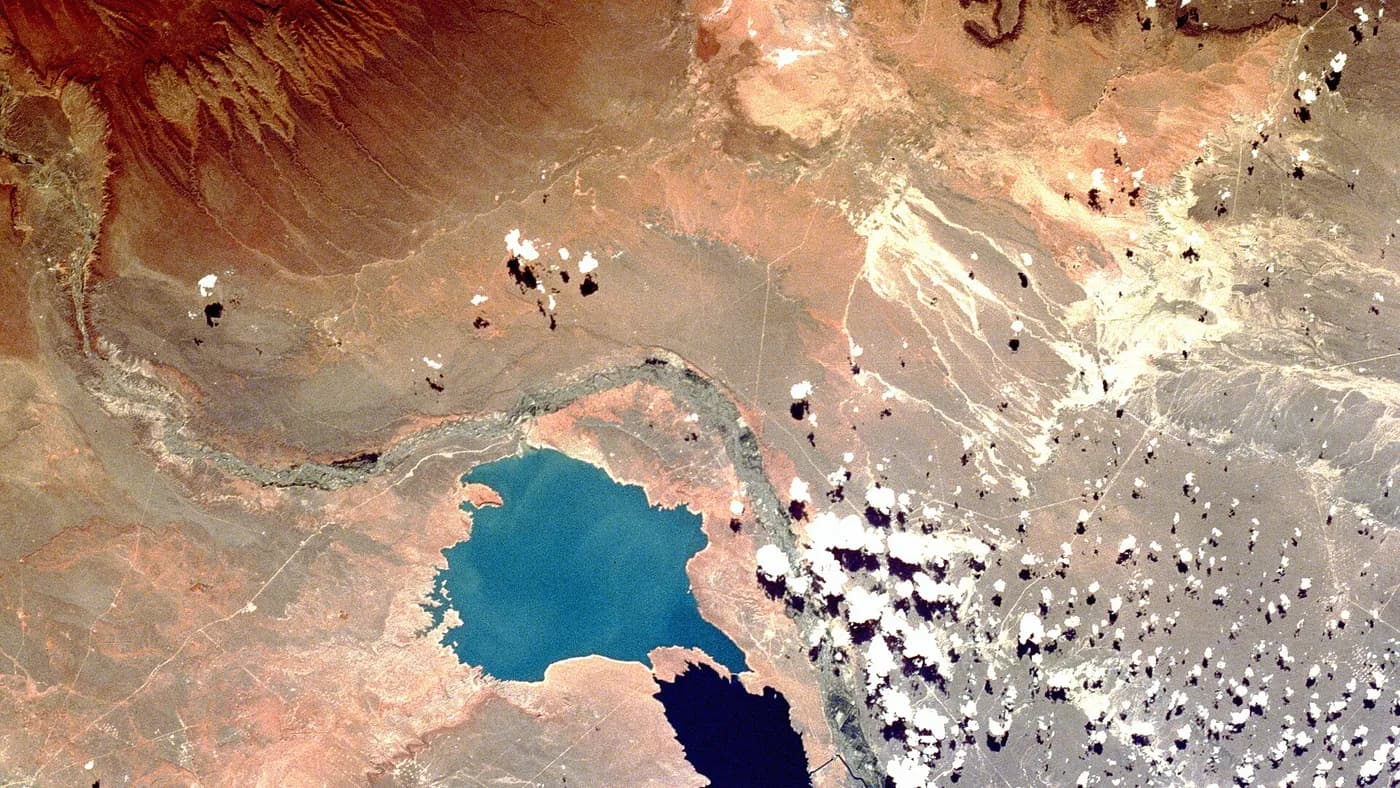
Photos: Image Science & Analysis Laboratory, NASA Johnson Space Center (Public domain) — via Wikimedia Commons
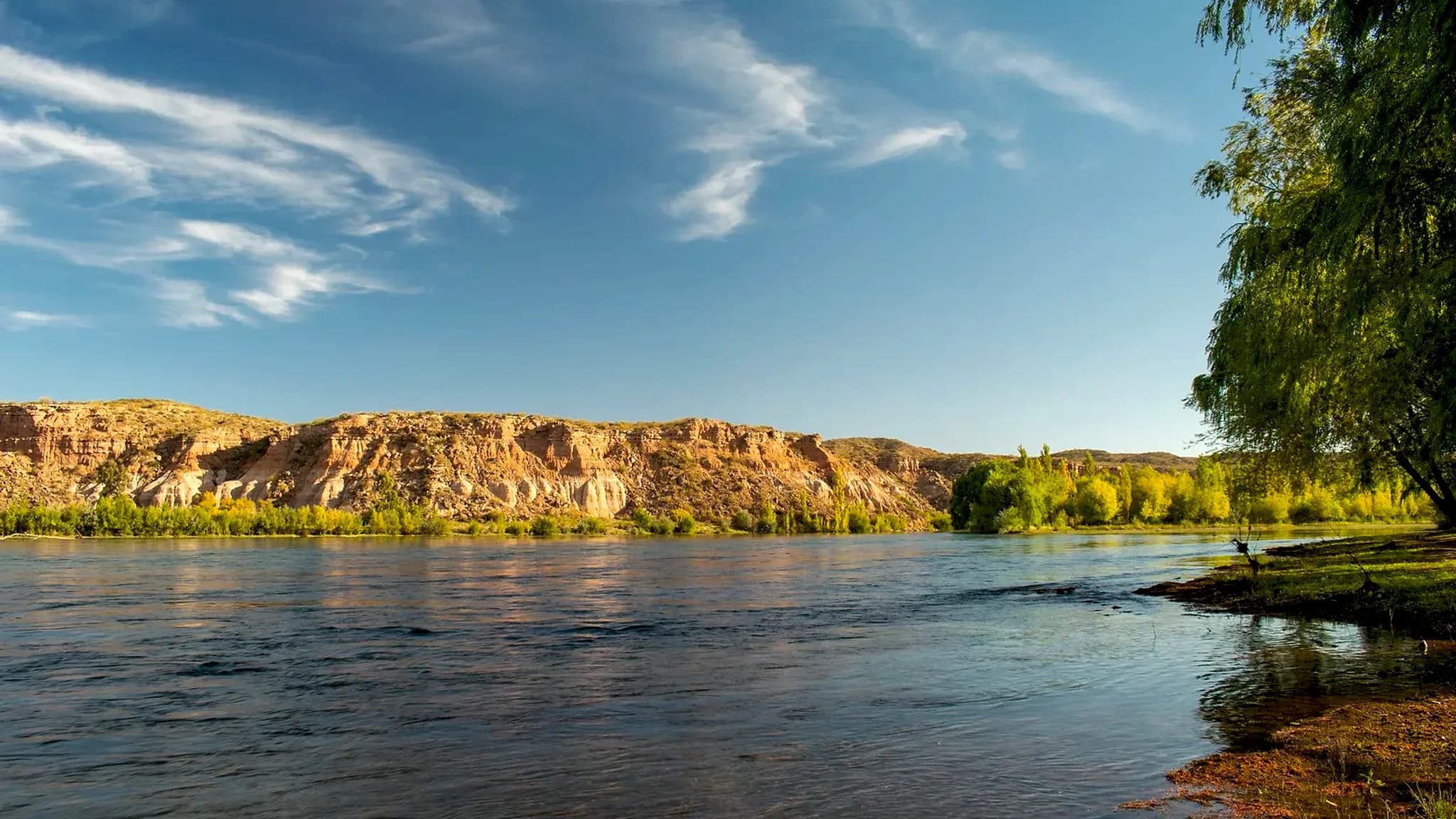
El otro gran espejo del complejo Cerros Colorados, vecino de Los Barreales y conectado a él, en la estepa al norte de Neuquén capital. Mari Menuco es conocido por sus aguas profundas y notablemente claras, con costas de barda y bahías que lo hacen también un clásico náutico de los neuquinos. Hay trucha arcoíris, marrón y de arroyo, perca, pejerrey y carpa.
La pesca combina lo mejor del embalse grande: trolling y spinning profundo para truchas de buen porte, perca a señuelo en las piedras, pejerrey con boya en las zonas abiertas y carpa para quien la busque en las costas más calmas, a fondo o con boya. En términos generales, los salmónidos rinden mejor con aguas frescas de primavera, y el pejerrey banca la acción el resto del año. La claridad del agua premia los equipos finos y las presentaciones prolijas; el viento, como en toda la estepa, define el día.
LD: 2 truchas, 2 percas y 10 pejerreyes; carpa sin límite. Pejerrey hasta 15 ago 2026 (línea de fondo permitida). Desde 2 may 2026: devolución obligatoria de todos los salmónidos.
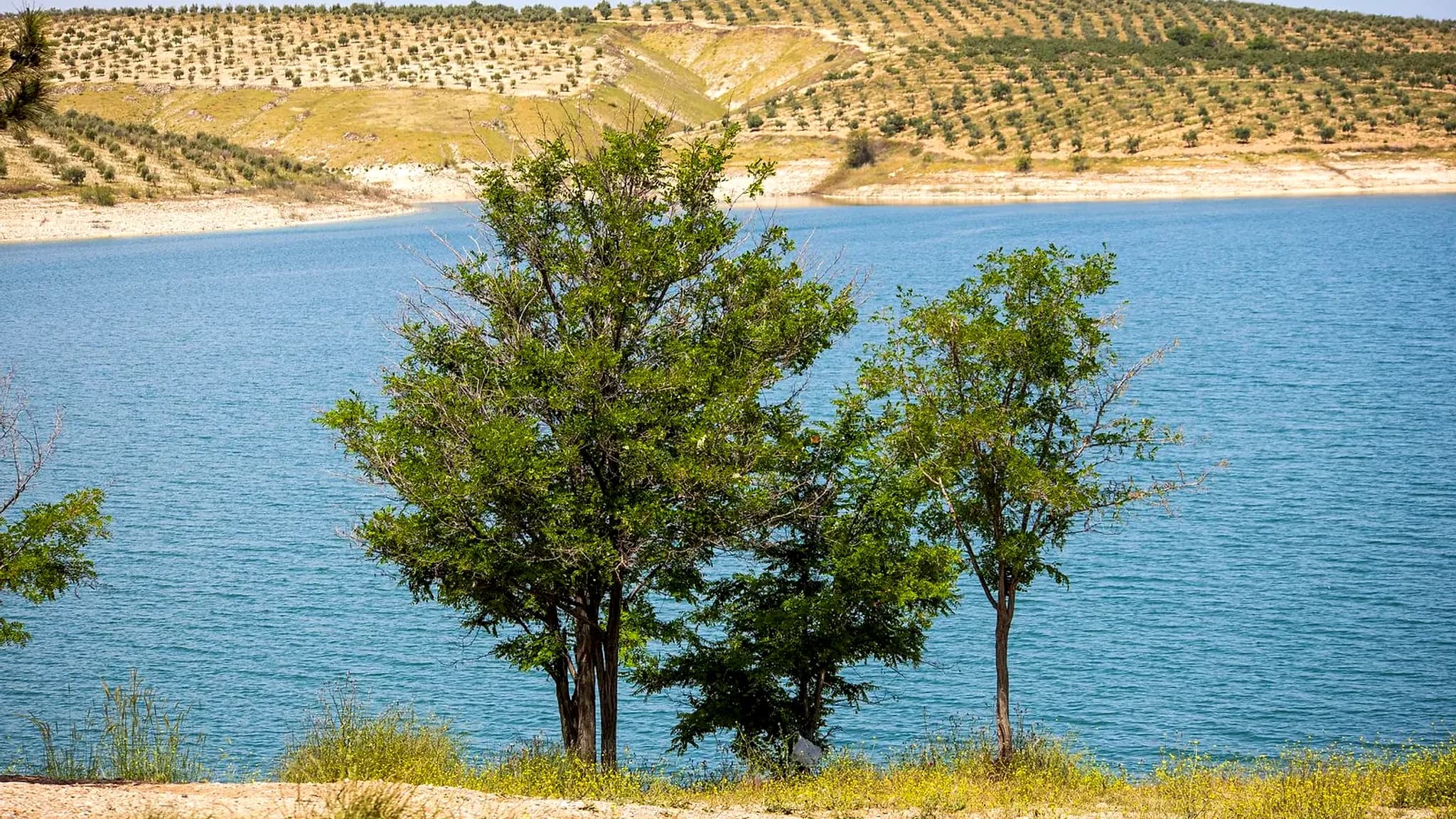
At Embalse Mari Menuco (Neuquén) you can catch Argentinian silverside (pejerrey), Brook trout, Common carp, Creole perch, Brown trout, Rainbow trout, assorted river fish. Allowed styles: Reservoir.
Se accede desde Neuquén capital y la zona de Centenario por caminos hacia el norte; consultá localmente el estado de los accesos y las bajadas náuticas.
Pescás con el Permiso de Pesca Continental Patagónico, que se consigue online o en casas de pesca y oficinas de turismo. Chequeá el reglamento de la temporada antes de salir.
LD: 2 truchas, 2 percas y 10 pejerreyes; carpa sin límite. Pejerrey hasta 15 ago 2026 línea de fondo permitida . Desde 2 may 2026: devolución obligatoria de todos los salmónidos.
Base data: Wikidata (CC0)
| Season | JAN | FEB | MAR | APR | MAY | JUN | JUL | AUG | SEP | OCT | NOV | DEC | IDX | NOW |
|---|---|---|---|---|---|---|---|---|---|---|---|---|---|---|
| Argentinian silverside (pejerrey). PEAK JUN–AUG | 70 | Excellent | ||||||||||||
| Common carp. PEAK OCT–MAR | 45 | Good | ||||||||||||
| Brook trout. PEAK MAR–APR | 15 | Off | ||||||||||||
| Creole perch. PEAK NOV–JAN | 15 | Off | ||||||||||||
| Brown trout. PEAK MAR–APR | 15 | Off | ||||||||||||
| Rainbow trout. PEAK MAR–APR | 15 | Off |
The number (0 to 100) sums up how likely the species is to be active here this month: it weighs the season, recent catch reports and, where there is a river gauge, the water level.
The pejerrey is a medium-sized fish with a delicate mouth, so the tackle leans to the fine and sensitive side. A recommended setup:
The philosophy of the tackle is simple: the finer and more sensitive it is, the more bites you will detect and the more you will enjoy the fight of this silver fish.
For a species of 0.5 to 2 kg that lives in cold streams and lagoons, the ideal gear is light and sensitive, allowing you to enjoy the fight and present small lures and flies with precision.
Spinning:
No one has reported from this spot yet. Fished here? Tell us how it went — you'll help the next angler.
Fly:
Round it out with barbless hooks if you are going to practice catch-and-release, a hook-removal tool (forceps), a soft-mesh (rubber) net so as not to harm the fish, and waders if you are going to wade into the cold water.
Bottom fishing with boilies, corn or dough and a hair rig. Medium gear with rod pods and a bite alarm; it withstands long fights.
Light spinning with small spoons, micro-jigs and soft plastics, or fly with small streamers. Bait: worm. It keeps company with the trout in Patagonian lakes and rivers.
Gear is chosen according to the environment and the expected size. A versatile, concrete setup:
Spinning (general use, rivers and lakes):
Fly fishing:
Recommended accessories: rubber net (less harm to the fish for release), forceps for removing hooks, barbless hooks, and waders for safe wading in cold water.
The gear is matched to the setting and the size of trout you are after, but these setups cover most situations in Argentina:
Spinning (general use, trout of 1 to 3 kg):
Fly:
For trophy specimens (5-10+ kg at the Strobel): step up the power—medium/medium-heavy spinning with 15-20 lb braid and a robust fluoro leader, or a 7/8 fly outfit—because these are fish with strength and runs far superior to the average trout.
In every case: a well-adjusted drag, sharp hooks (barbless if you are going to release), and a rubber net to handle the fish with the least possible harm.