Photos: Bencho (CC BY-SA 4.0) — via Wikimedia Commons
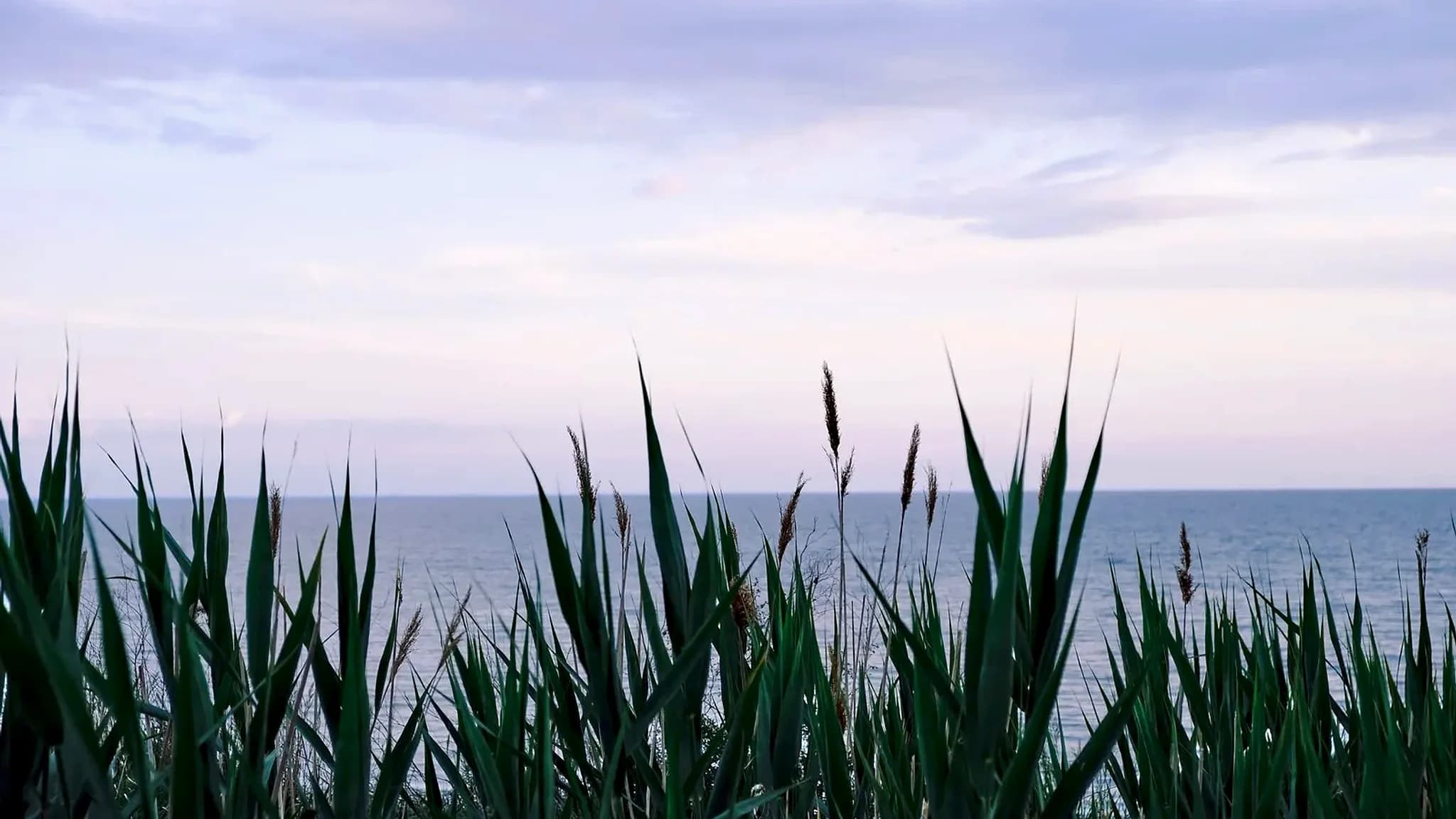
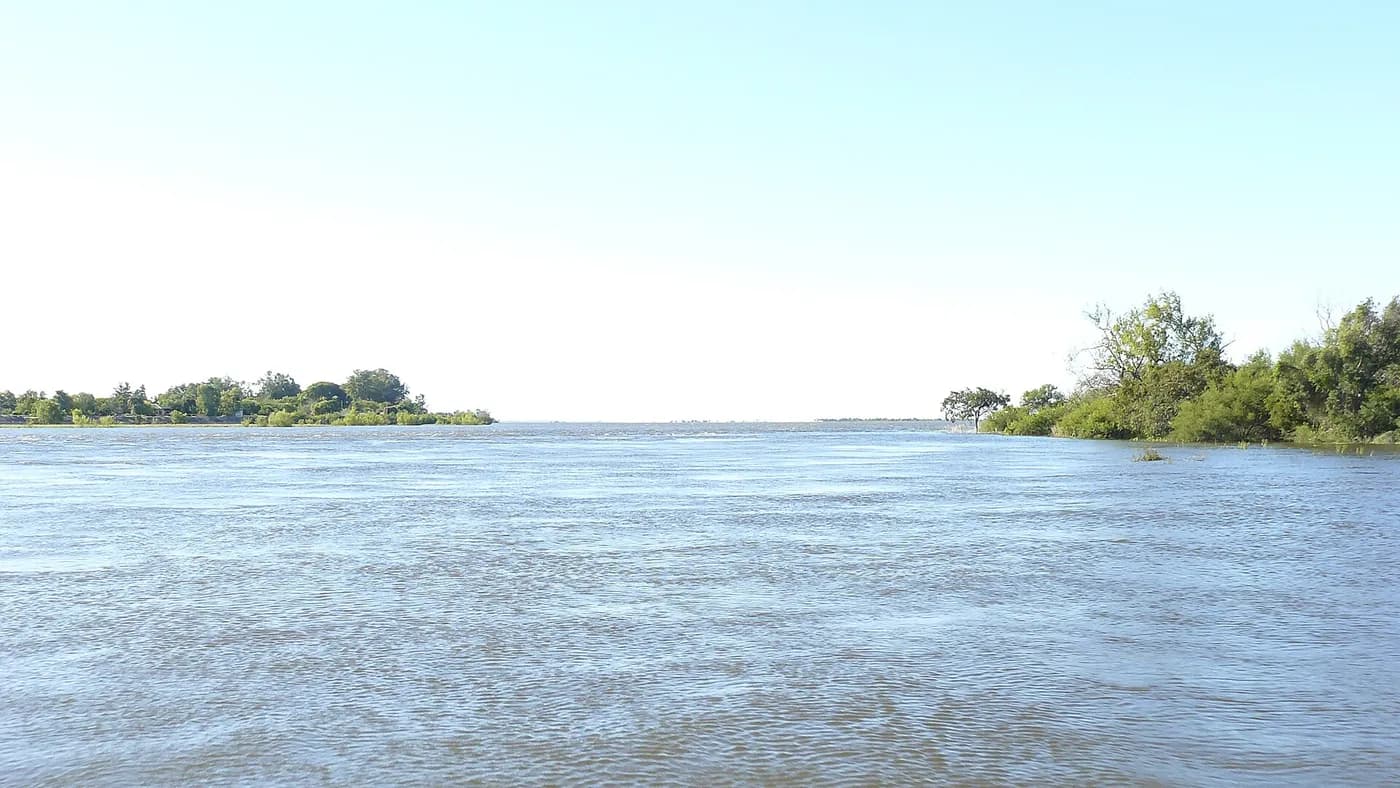
En el norte santafesino, entre San Javier y Cayastá, el río San Javier se abre como un brazo vivo del Paraná, de aguas que corren entre montes ribereños e islas bajas. Es tierra de surubí, con la boga, el patí y el dorado completando el elenco de un río bravo y generoso.
Al dorado, el tigre del río, se lo busca en las correderas y juntas con señuelos, carnada viva y también mosca, para gozar de sus saltos y su pelea brutal, siempre con devolución. En los pozones profundos esperan los surubíes y los patíes, de fondo con carnada y mejor de noche, mientras la boga aporta acción constante con masa o lombriz. En términos generales, de la primavera al otoño el río rinde en su plenitud, respetando medidas y vedas. Agua correntosa, monte y el pulso del litoral.
Rigen las normas provinciales: dorado con devolución obligatoria; surubí vedado del 1 nov al 31 dic; pacú y manguruyú prohibidos.
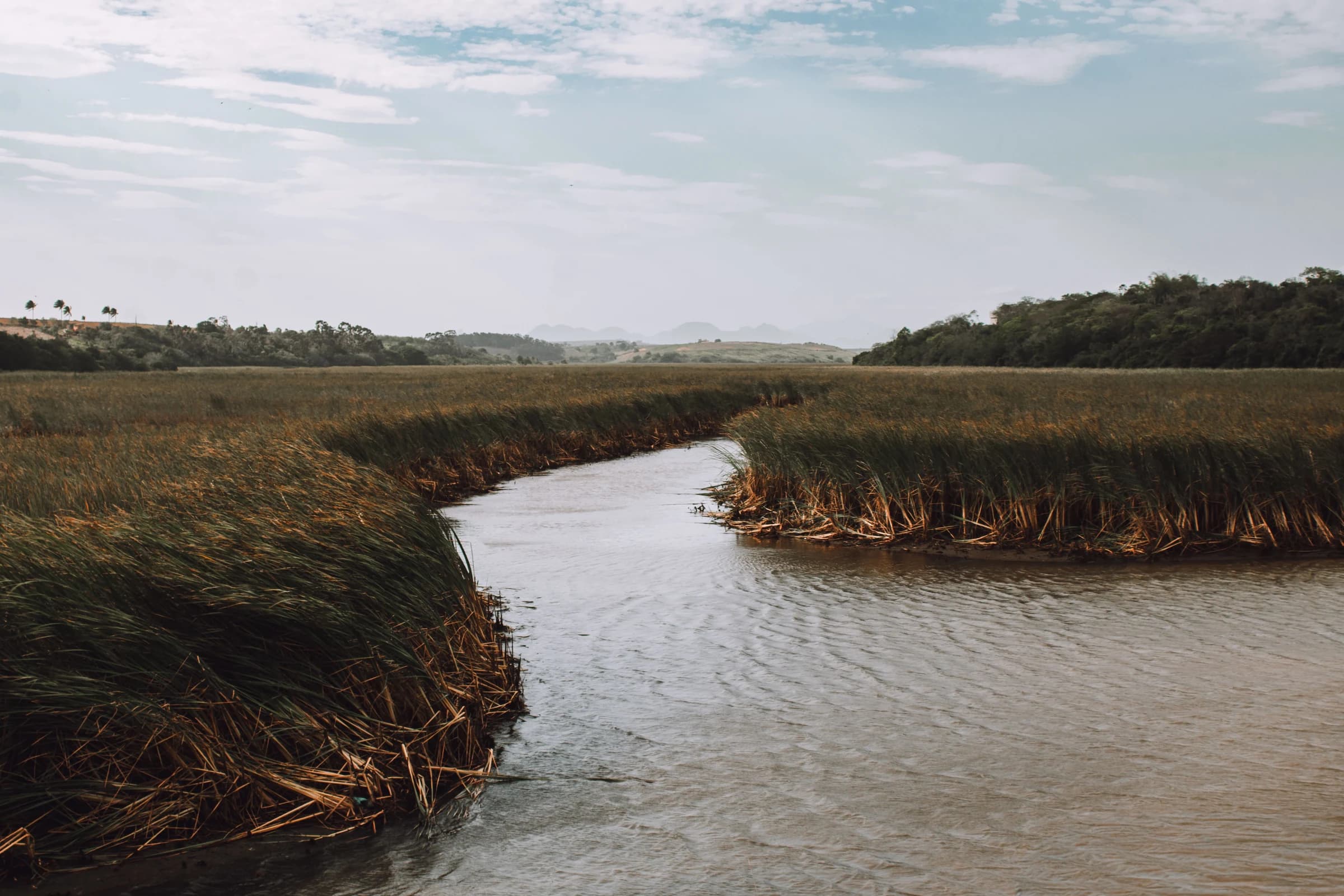
At Río San Javier (Santa Fe) you can catch Boga, Surubí (spotted catfish), Golden dorado, Patí (catfish), assorted river fish. Allowed styles: River.
El acceso es por la zona de San Javier y Cayastá, con bajadas de lancha y baqueanos que manejan los riachos e islas. Se pesca embarcado; preguntá en el pueblo o en el club por el estado del río.
Hace falta el permiso de pesca deportiva de la provincia de Santa Fe. Para el dorado y el surubí hay medidas y vedas reproductivas: consultá el reglamento y priorizá devolver.
Rigen las normas provinciales: dorado con devolución obligatoria; surubí vedado del 1 nov al 31 dic; pacú y manguruyú prohibidos.
Base data: Wikidata (CC0)
Dropping and settling: a good window to head out.
| Season | JAN | FEB | MAR | APR | MAY | JUN | JUL | AUG | SEP | OCT | NOV | DEC | IDX | NOW |
|---|---|---|---|---|---|---|---|---|---|---|---|---|---|---|
| Boga. PEAK OCT–DEC | 5 | Closed | ||||||||||||
| Surubí (spotted catfish). PEAK NOV–FEB |
The number (0 to 100) sums up how likely the species is to be active here this month: it weighs the season, recent catch reports and, where there is a river gauge, the water level.
Light-to-medium gear, small hooks and plant-based bait (dough, corn) or worm. On the bottom or floating in the rapids; a favorite in shore competitions.
The surubí is a large, powerful fish caught in fast-flowing rivers with structure, so the tackle has to be up to it. Concrete recommendations:
For bottom fishing / drifting with bait:
For spinning / trolling with lures:
No one has reported from this spot yet. Fished here? Tell us how it went — you'll help the next angler.
| 5 |
| Closed |
| Golden dorado. PEAK NOV–FEB | 5 | Closed |
|---|
| Patí (catfish). PEAK NOV–JAN | 5 | Closed |
|---|
In every case, the rule is oversize rather than come up short: a surubí of over 20 kg in full current, trying to bury itself in the logs, forgives neither weak tackle nor loose knots. Always check the condition of your line, your knots, and the sharpness of your hooks before each outing.
The gear must measure up to a strong fish that runs, jumps, and lives in current with structure. Specific recommendation:
Spinning (standard setup)
For trophy specimens or big rivers: step up to a medium-heavy/heavy rod, a 4000-5000 reel, and 30-40 lb braid, with a steel leader.
Fly fishing
Key accessories: strong, well-sharpened hooks (ideally barbless if you're going to release), long pliers to unhook without hurting yourself on the teeth, and if you practice catch and release, a knotless/rubber net and gloves to handle the fish carefully.
Heavy bottom fishing, cut or live bait and large hooks. At night in Paraná pools; a good-sized, powerful fish.