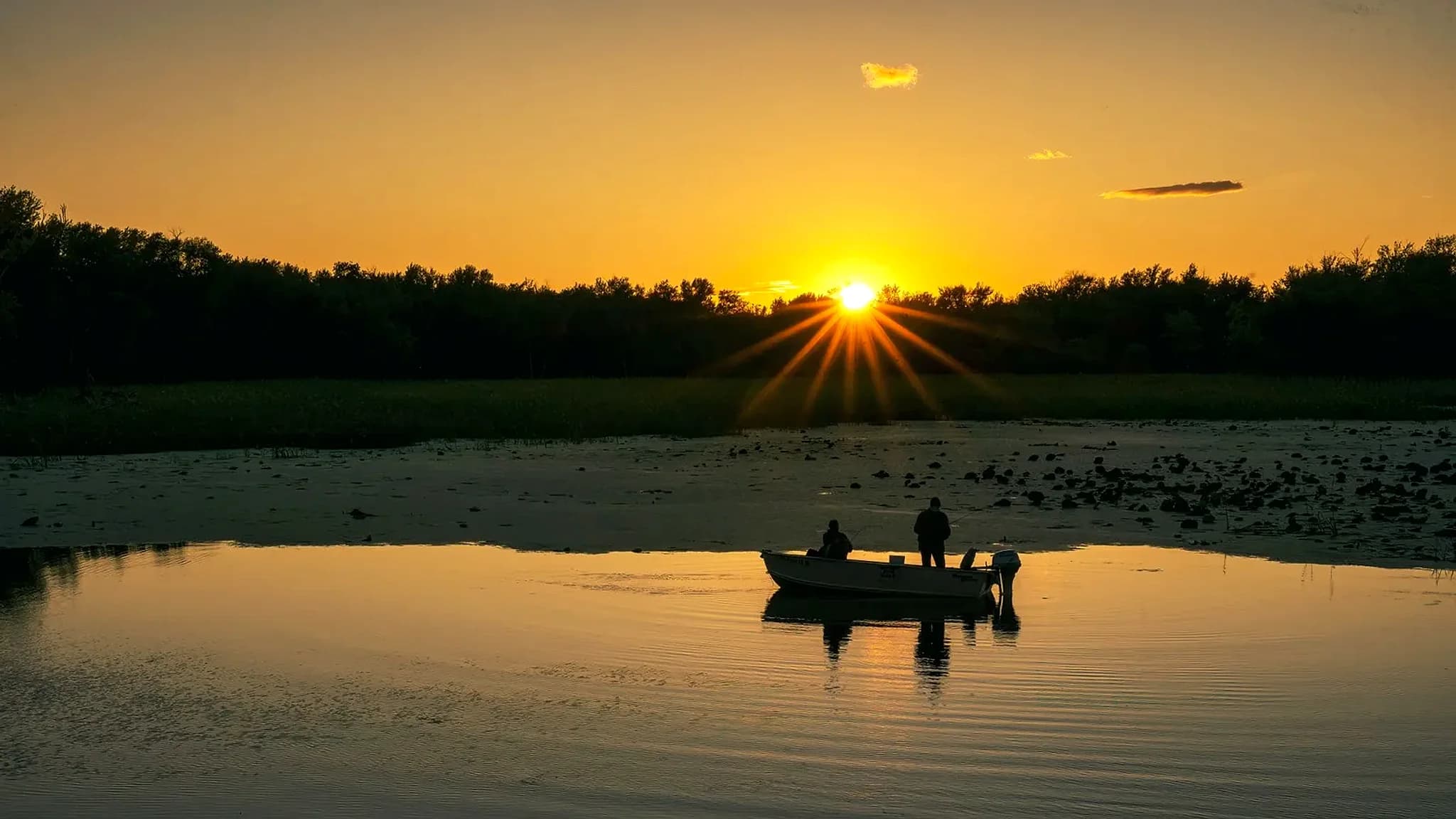
Río Carcarañá
Ambient photo: Tom Fisk — via Pexels
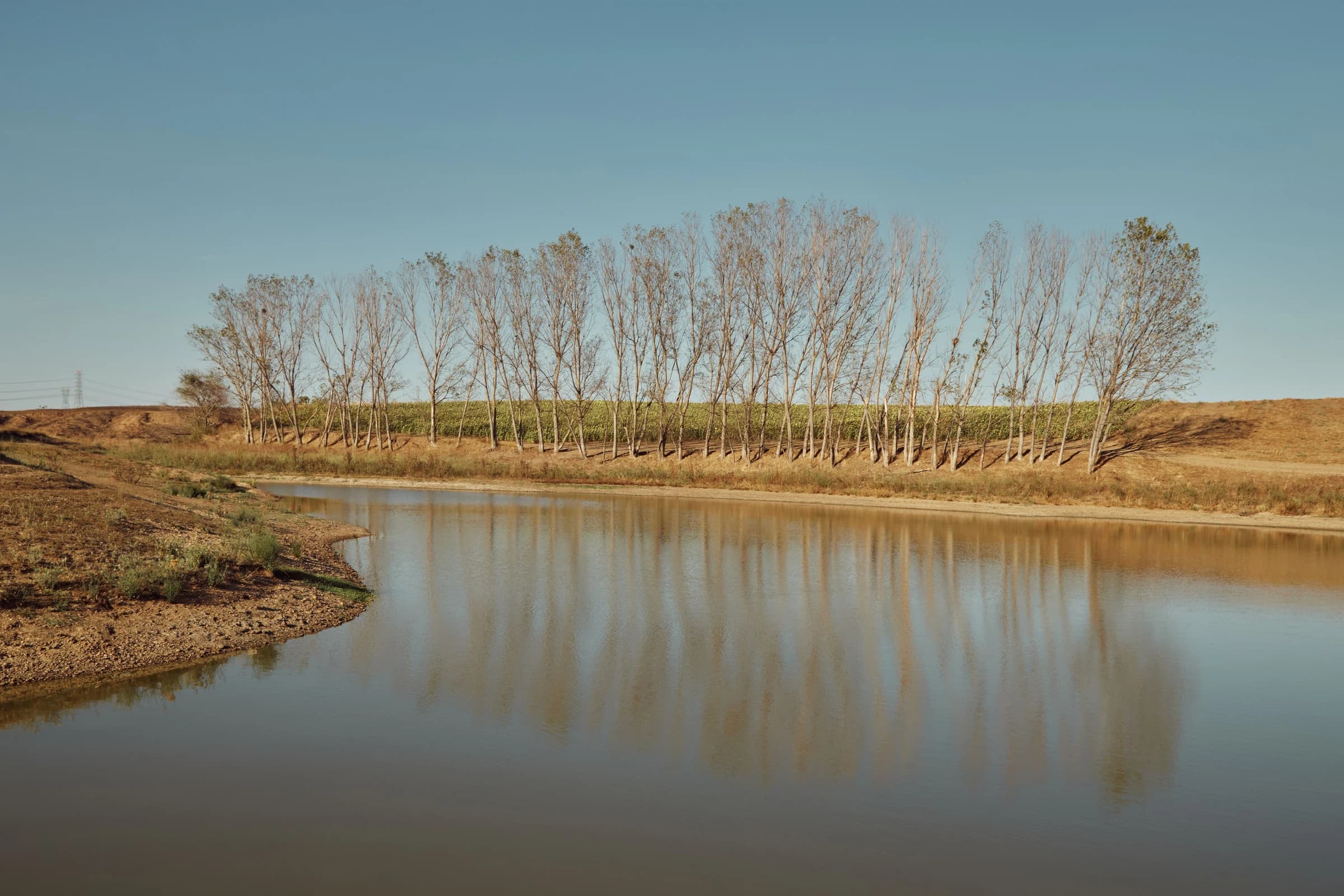
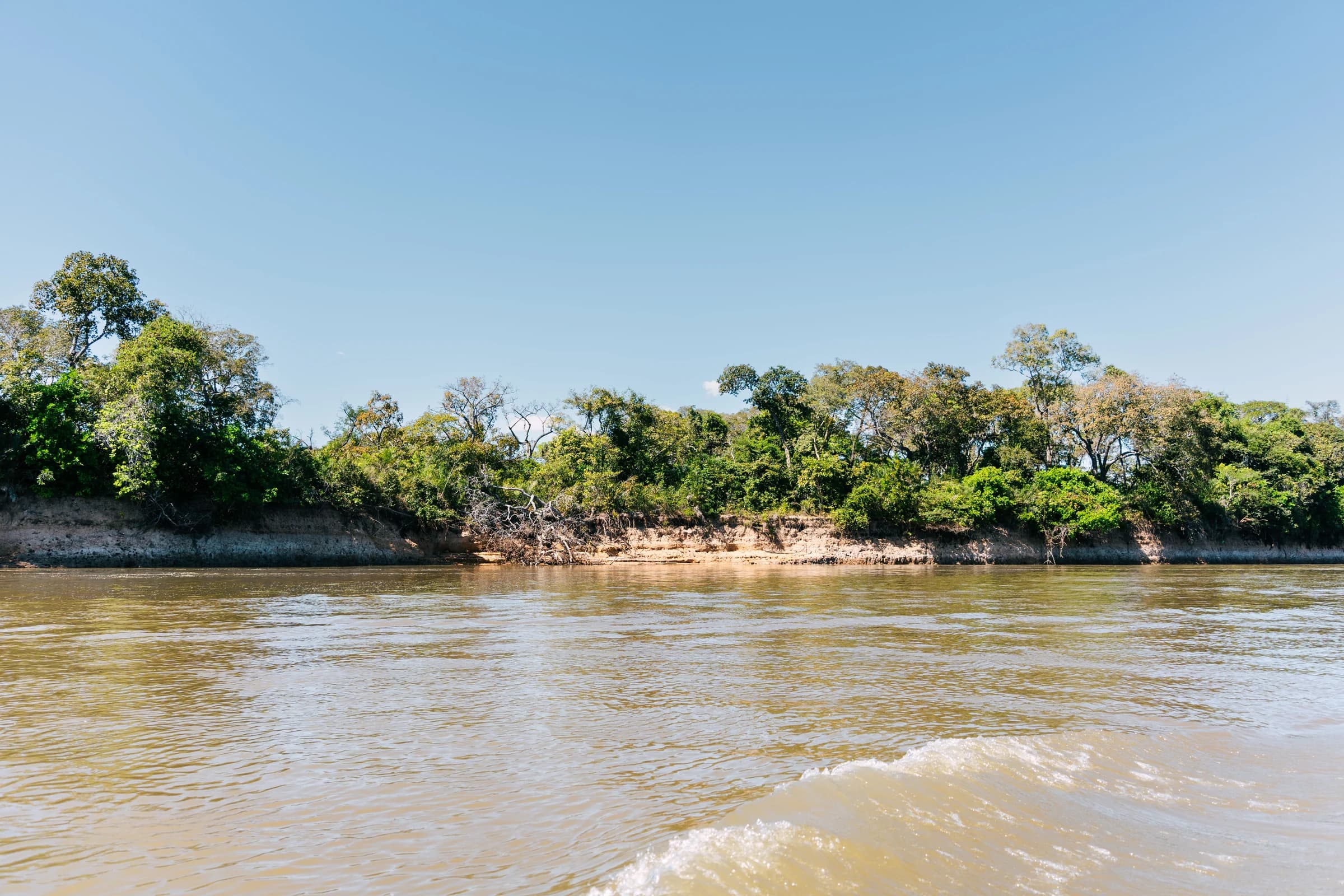
Un río distinto en el sur santafesino: el Carcarañá baja desde Córdoba y serpentea entre barrancas y pozones, con arboledas que se asoman al agua y un carácter más íntimo que el gran Paraná. Sorprende con dorado, tararira, boga y los bagres amarillo y blanco, un menú variado para el pescador de costa y de bote.
Al dorado se lo tienta en las correderas y al pie de las barrancas con señuelos y carnada viva, atento a sus saltos y su pelea de fuego, con devolución siempre presente. La tararira ataca en verano entre la vegetación con señuelos de superficie y acero en el bajo por sus dientes, la boga da buena acción de fondo con masa o maíz, y los bagres responden al fondo con carnada. En términos generales, las aguas templadas de la primavera al otoño son el mejor tiempo. Pozones mansos, barranca y sombra de monte.
Rigen las normas provinciales: dorado con devolución obligatoria; tallas mínimas y cupos por especie según reglamento.
Frequently asked questions about Río Carcarañá
What can you catch at Río Carcarañá?
At Río Carcarañá (Santa Fe) you can catch Trahira (tararira), Yellow catfish, Boga, Golden dorado, assorted river fish.
How do you get to Río Carcarañá?
Original text in Spanish: “Se accede por caminos rurales del sur santafesino, en la zona por donde el río se acerca a los pueblos ribereños. Hay tramos de costa y también pesca embarcada; consultá localmente por los mejores pozones y accesos.”
Do I need a permit or license to fish at Río Carcarañá?
Original text in Spanish: “Corresponde el permiso de pesca deportiva de Santa Fe. El dorado tiene medidas y vedas: revisá la reglamentación vigente y soltá los ejemplares para cuidar el recurso.”