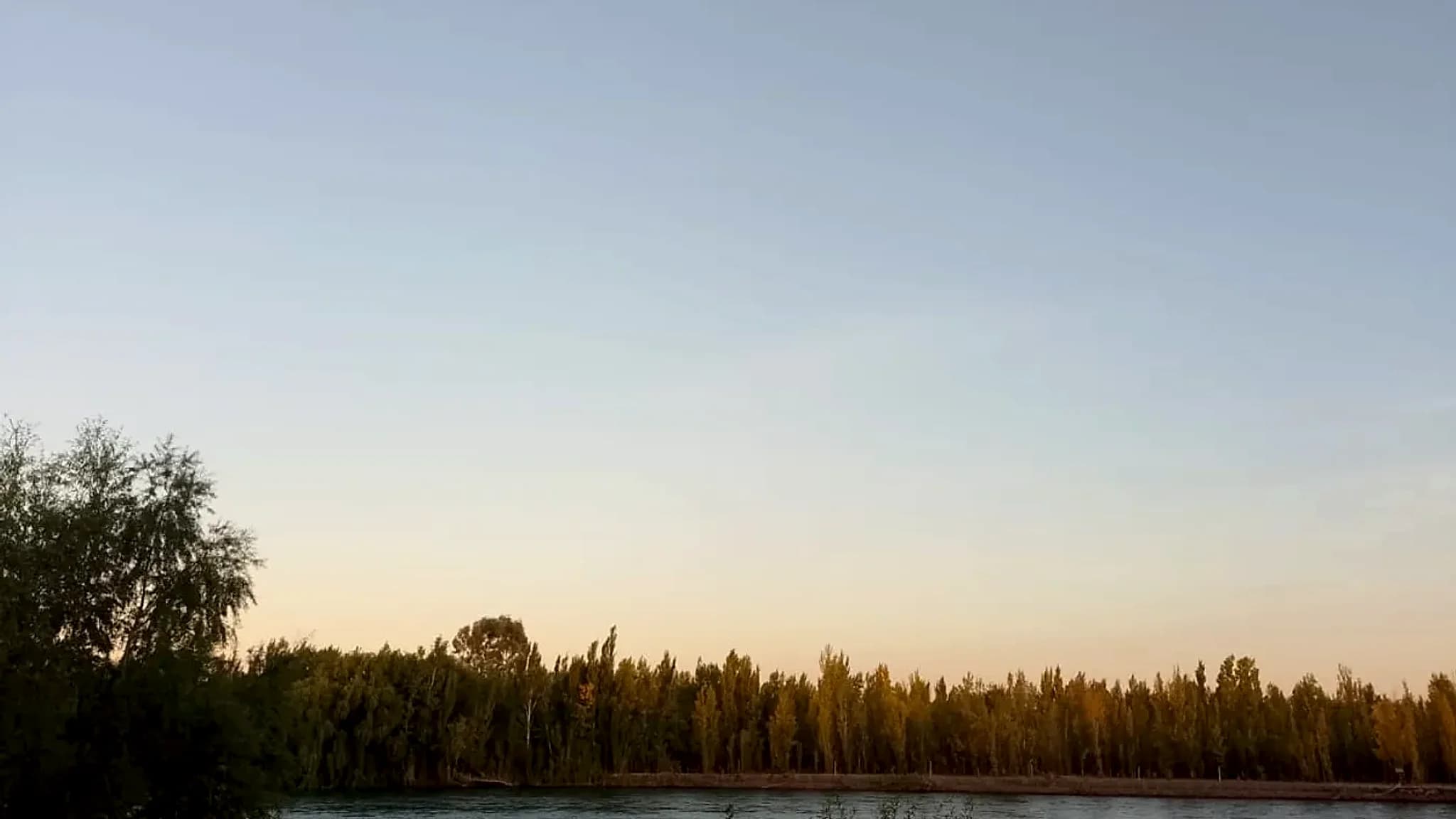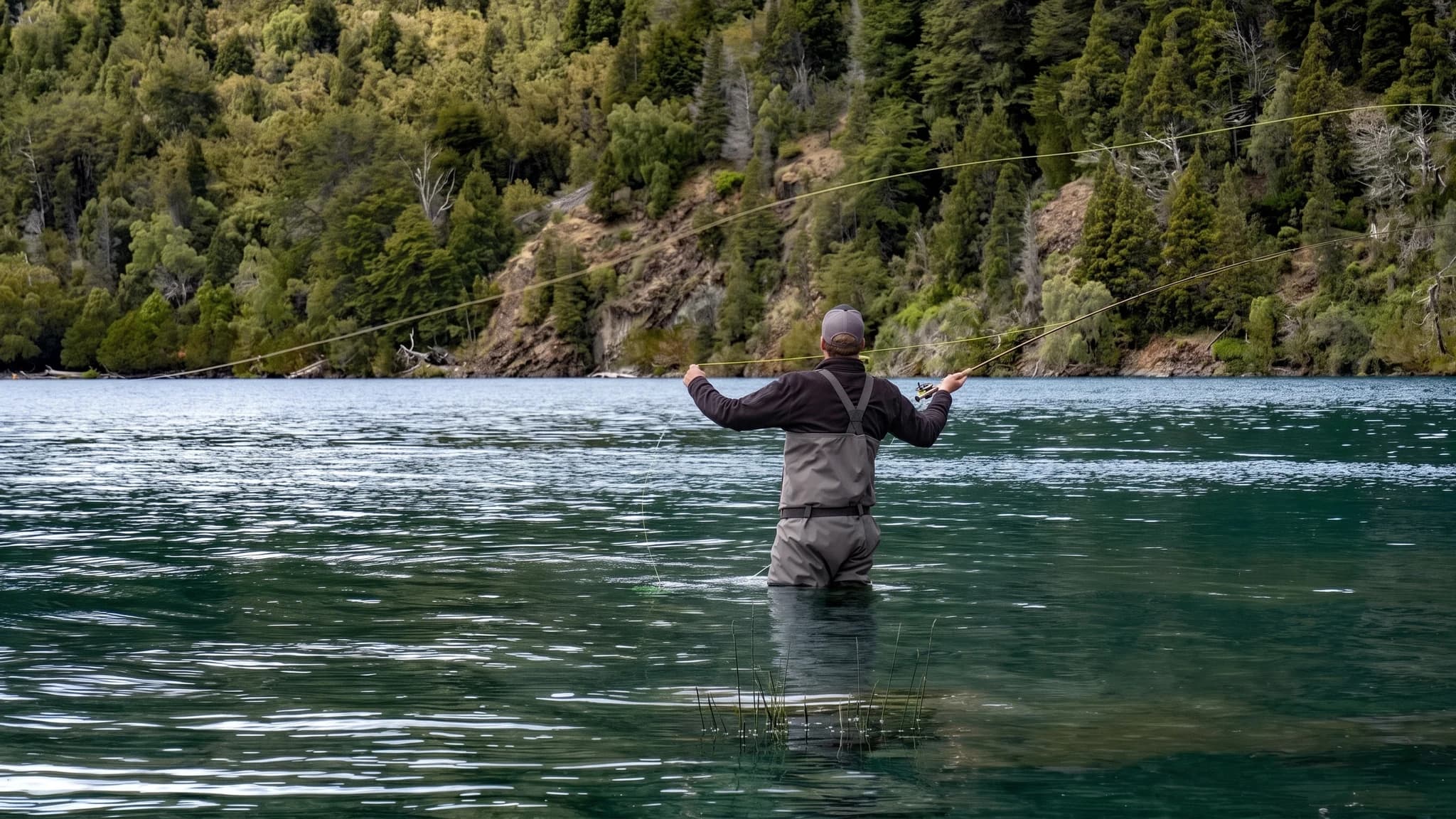
Ambient photo: Martin.que — via Pexels
Arroyo de estepa de la cuenca del Aluminé y el Catan Lil, en el centro de Neuquén: agua chica que serpentea entre coirones y sauces, con truchas y también perca, la nativa de la casa. Un ambiente típico de la meseta neuquina, donde los arroyos parecen poca cosa desde la ruta y guardan pozones sorprendentes.
Se pesca liviano: mosca con secas y ninfas chicas, o spinning ultraliviano con giratorias, buscando pozo por pozo. La perca criolla agarra bien los señuelos lentos y pegados al fondo, y regala peleas nobles; las truchas exigen acercarse con cuidado porque en agua chica ven todo. En términos generales, el arroyo rinde mejor de fines de primavera al verano, con el caudal ya acomodado. Es pesca de caminata y lectura de agua, para el que disfruta encontrar peces donde nadie para. Como en toda la zona, el viento de la tarde es parte del paisaje.
LD: 2 percas. Devolución obligatoria de todos los salmónidos.
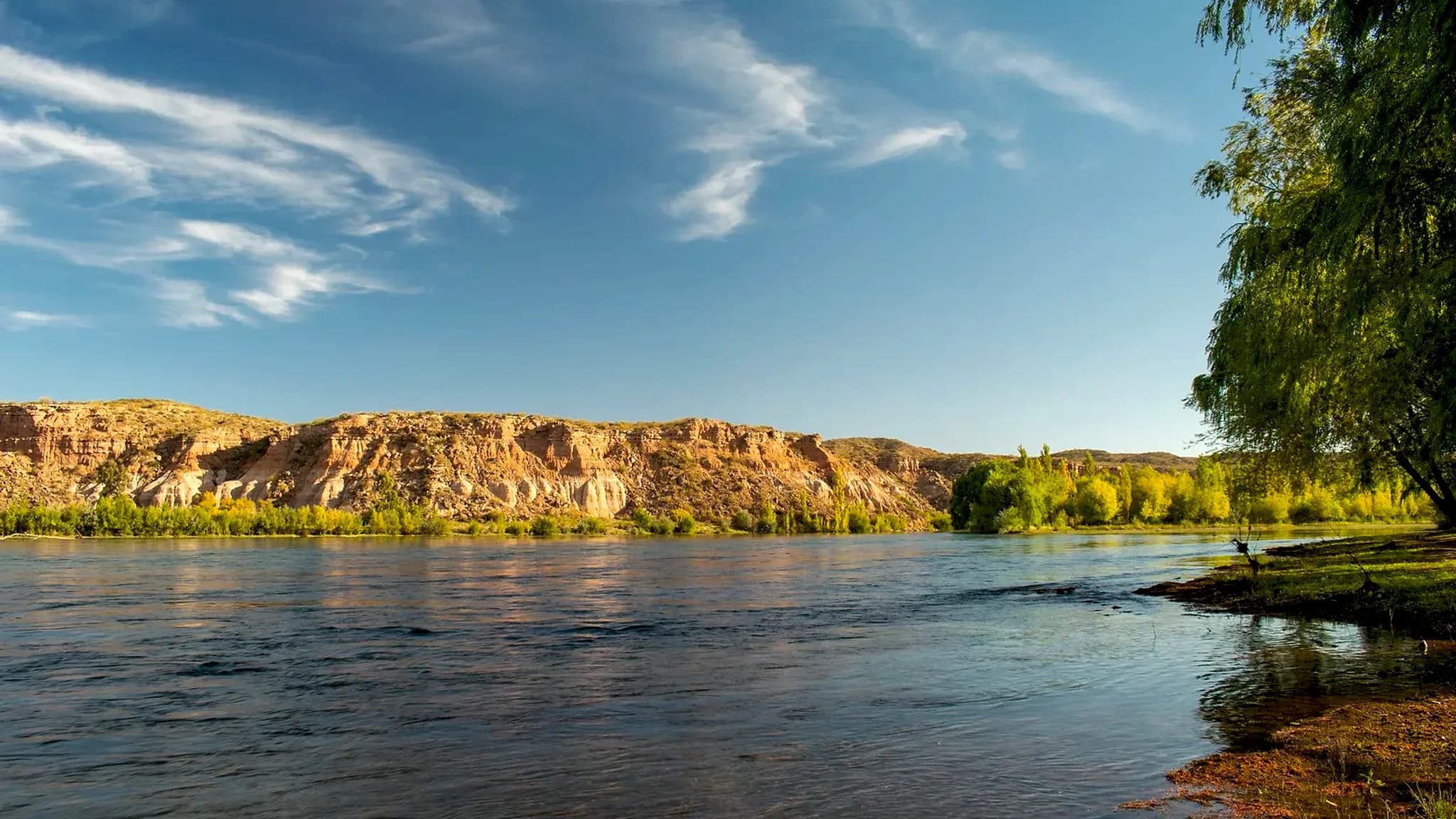
At Arroyo Collun Co (Neuquén) you can catch Brook trout, Creole perch, Brown trout, Rainbow trout, assorted river fish. Allowed styles: River.
Se accede desde la zona del corredor entre Zapala y Aluminé, en el centro neuquino; muchos tramos corren por campos privados, así que consultá localmente y pedí permiso antes de entrar.
Se pesca con el Permiso de Pesca Continental Patagónico; lo sacás online o en casas de pesca y oficinas de turismo. Antes de salir, repasá el reglamento de la temporada.
LD: 2 percas. Devolución obligatoria de todos los salmónidos.
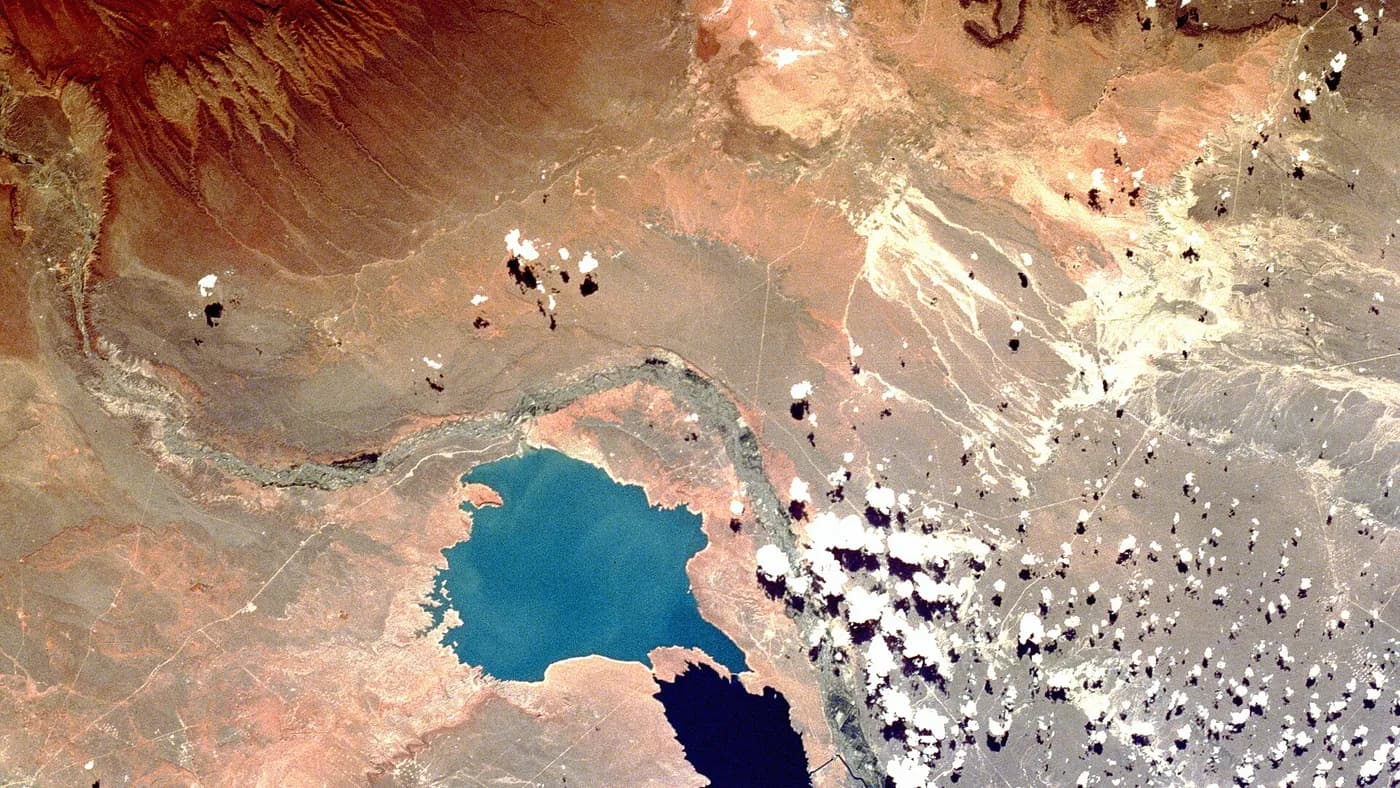
Base data: Wikidata (CC0)
| Season | JAN | FEB | MAR | APR | MAY | JUN | JUL | AUG | SEP | OCT | NOV | DEC | IDX | NOW |
|---|---|---|---|---|---|---|---|---|---|---|---|---|---|---|
| Brook trout. PEAK MAR–APR | 15 | Off | ||||||||||||
| Creole perch. PEAK NOV–JAN | 15 | Off | ||||||||||||
| Brown trout. PEAK MAR–APR | 15 | Off | ||||||||||||
| Rainbow trout. PEAK MAR–APR | 15 | Off |
The number (0 to 100) sums up how likely the species is to be active here this month: it weighs the season, recent catch reports and, where there is a river gauge, the water level.
For a species of 0.5 to 2 kg that lives in cold streams and lagoons, the ideal gear is light and sensitive, allowing you to enjoy the fight and present small lures and flies with precision.
Spinning:
Fly:
Round it out with barbless hooks if you are going to practice catch-and-release, a hook-removal tool (forceps), a soft-mesh (rubber) net so as not to harm the fish, and waders if you are going to wade into the cold water.
Light spinning with small spoons, micro-jigs and soft plastics, or fly with small streamers. Bait: worm. It keeps company with the trout in Patagonian lakes and rivers.
No one has reported from this spot yet. Fished here? Tell us how it went — you'll help the next angler.
Gear is chosen according to the environment and the expected size. A versatile, concrete setup:
Spinning (general use, rivers and lakes):
Fly fishing:
Recommended accessories: rubber net (less harm to the fish for release), forceps for removing hooks, barbless hooks, and waders for safe wading in cold water.
The gear is matched to the setting and the size of trout you are after, but these setups cover most situations in Argentina:
Spinning (general use, trout of 1 to 3 kg):
Fly:
For trophy specimens (5-10+ kg at the Strobel): step up the power—medium/medium-heavy spinning with 15-20 lb braid and a robust fluoro leader, or a 7/8 fly outfit—because these are fish with strength and runs far superior to the average trout.
In every case: a well-adjusted drag, sharp hooks (barbless if you are going to release), and a rubber net to handle the fish with the least possible harm.