Photos: Pertile (CC BY-SA 4.0) — via Wikimedia Commons
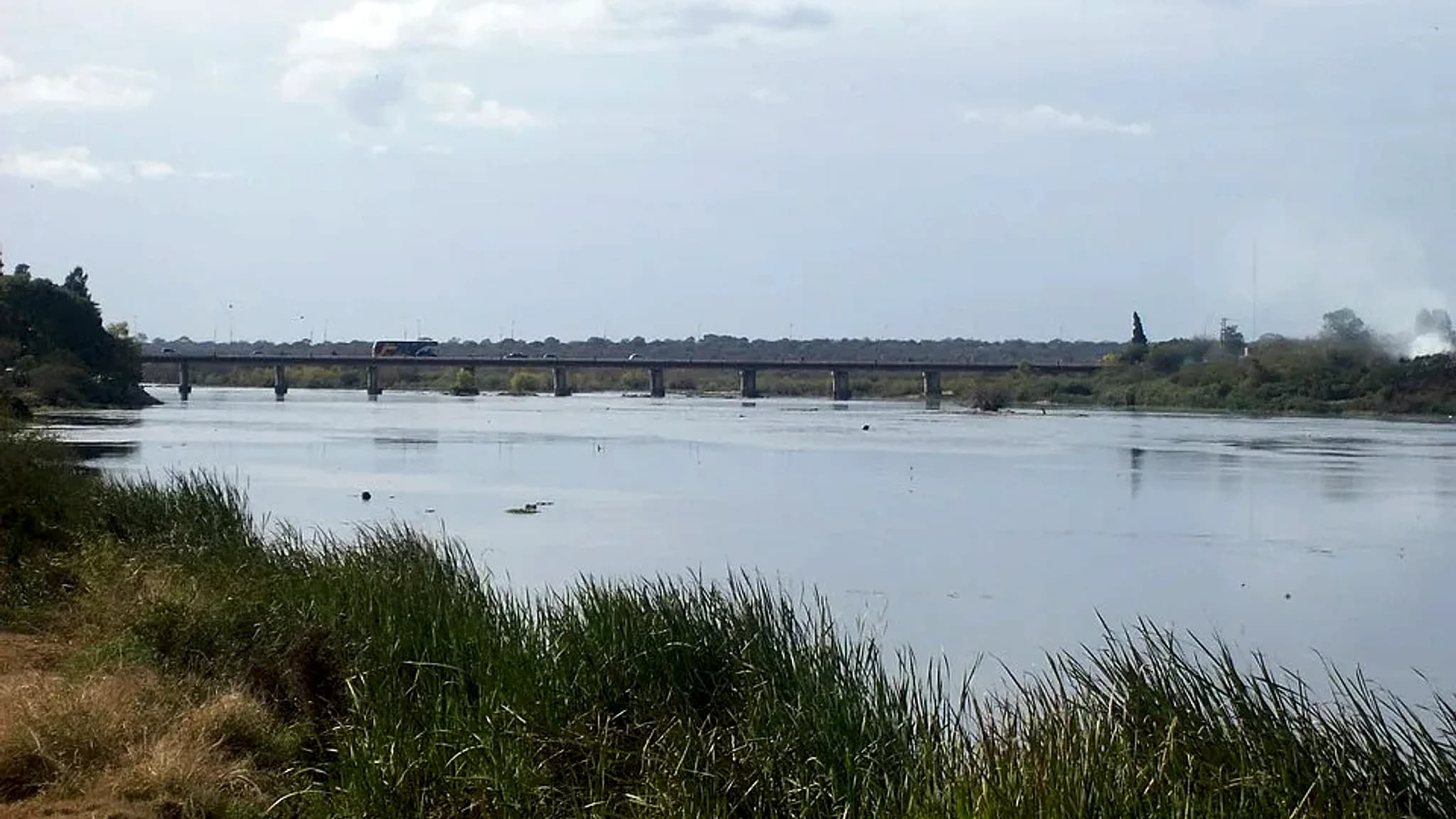
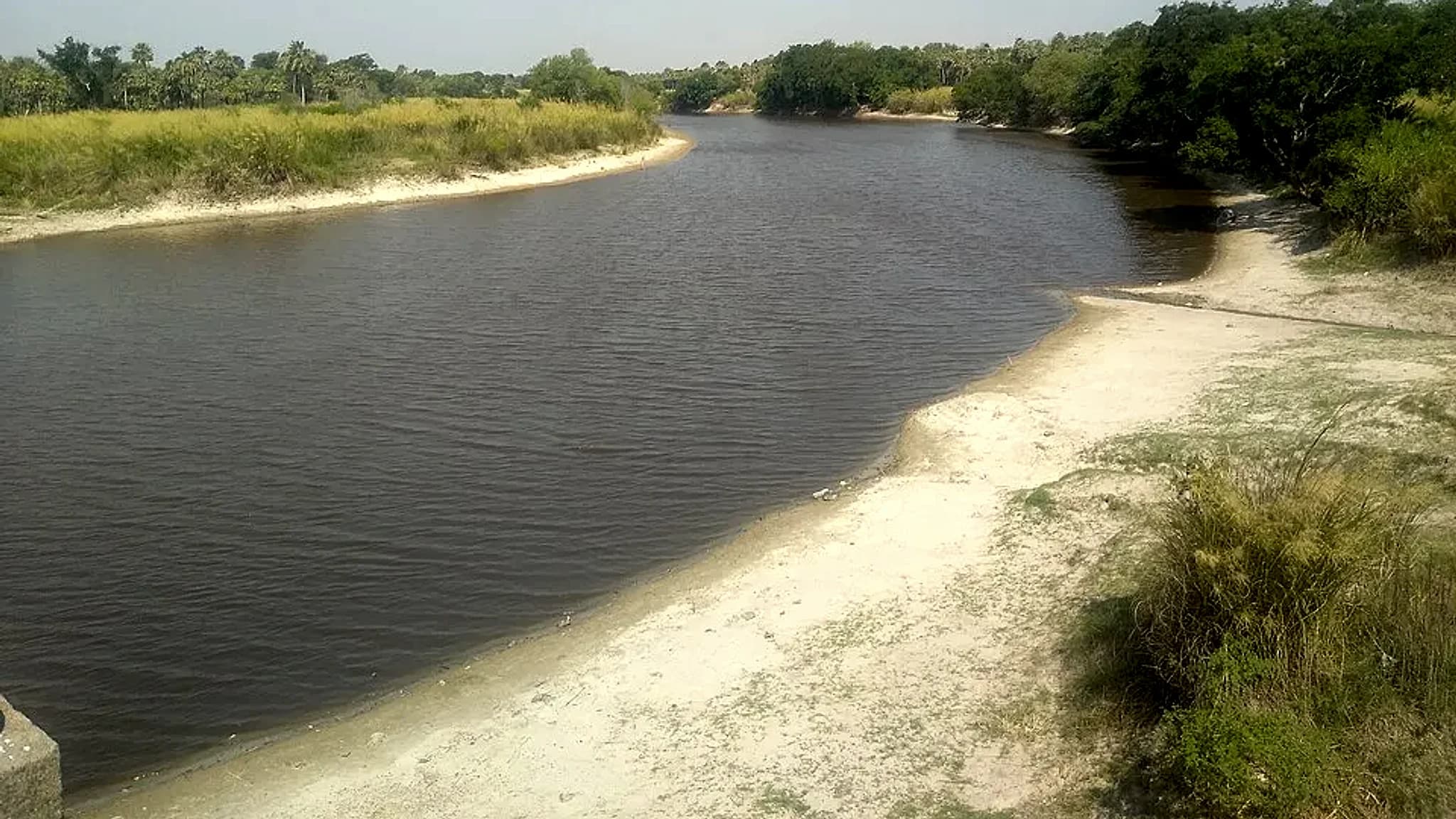
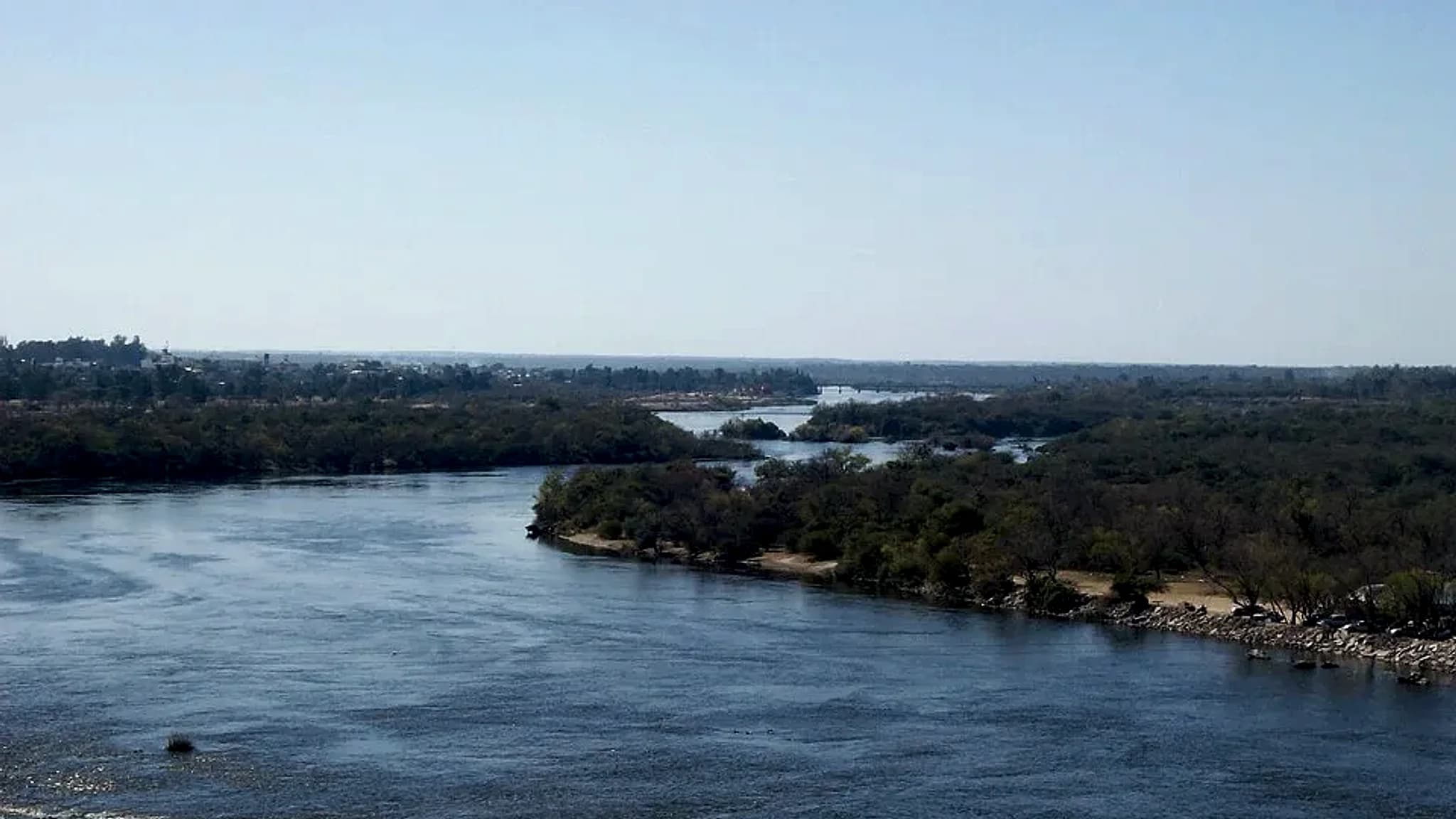
En el norte santiagueño se abre paso el Salado, un río de llanura chaqueña de curso lento y sinuoso, entre montes bajos y campo abierto, con sus barrancas de tierra y sus remansos quietos. Es agua cálida de carácter norteño, donde el dorado es la presa mayor, junto a la tararira, la boga, el sábalo y el bagre blanco.
Al dorado se lo tienta con señuelos y carnada viva en las correderas y los estrechamientos, buscando su pelea y devolviéndolo siempre. La tararira es dueña de los juncales en verano, con señuelos de superficie y acero en el bajo por sus dientes; la boga da acción de fondo con masa o lombriz, y el bagre blanco entra de fondo con carnada, perfecto para una jornada variada. En términos generales, de la primavera al otoño, con el agua templada, se pesca mejor. Río de monte y llanura, horizonte bajo y ritmo pausado del norte.
Dorado: devolucion obligatoria / veda (segun Direccion General de Bosques y Fauna, Ley 4802). Veda total de todas las especies del 2 de diciembre de 2025 al 15 de enero de 2026 (dispuesta por DGByF). Cupos y medidas minimas 2024 (segun Direccion de Bosques y Fauna, reproducidos p.
At Río Salado (Santiago del Estero) you can catch Trahira (tararira), Boga, Golden dorado, assorted river fish.
Original text in Spanish: “Se pesca en el norte de Santiago del Estero, por caminos rurales que llegan a las costas del río; ante la duda del acceso, consultá en las localidades cercanas.”
Original text in Spanish: “Rige el permiso de pesca de Santiago del Estero, con medidas mínimas, cupos y vedas reproductivas. Consultá la normativa vigente y devolvé el dorado.”
Now 15° · wind 10 km/h E
Base data: OpenStreetMap (ODbL)
| Season | JAN | FEB | MAR | APR | MAY | JUN | JUL | AUG | SEP | OCT | NOV | DEC | NOW |
|---|---|---|---|---|---|---|---|---|---|---|---|---|---|
| Trahira (tararira). In season: OCT–APR. Peak: DEC–FEB | Closed | ||||||||||||
| Boga. In season: SEP–APR. Peak: OCT–DEC | Closed | ||||||||||||
| Golden dorado. In season: SEP–MAY. Peak: NOV–FEB | Closed |
Dark: each species' peak months. Medium: its season at this place.
For the tararira a light-to-medium outfit is best, sturdy but comfortable to cast for hours. The setup depends on the method, but these are the specific recommendations:
Rod:
Reel:
Line:
Leader (essential):
Accessories:
Light-to-medium gear, small hooks and plant-based bait (dough, corn) or worm. On the bottom or floating in the rapids; a favorite in shore competitions.
Guides, campsites and places to stay that work these waters.
No guides listed in this area yet.
See more in exploreNo one has reported from this spot yet. Fished here? Tell us how it went — you'll help the next angler.
There are already 2 businesses loaded in the area. If yours is not there — or it is and you are not running it yet — the listing is free and puts you in front of whoever is planning a trip to Río Salado.
It's free · no card
Original text in Spanish: “Dorado: devolucion obligatoria / veda (segun Direccion General de Bosques y Fauna, Ley 4802). Veda total de todas las especies del 2 de diciembre de 2025 al 15 de enero de 2026 (dispuesta por DGByF). Cupos y medidas minimas 2024 (segun Direccion de Bosques y Fauna, reproducidos p.”
In October the species of Río Salado are past their best moment. Off season does not mean there is a closed season.
In Río Salado it is worth going when its main species bite: Trahira (tararira) (OCT–APR); Boga (SEP–APR); Golden dorado (SEP–MAY).
Near Río Salado PESQA lists one place to stay: Hospedaje La Entrada.
Around Río Salado there is one marina or tackle shop: Caza y Pesca "Chamán".
Río Salado is in the province of Santiago del Estero.
The gear must measure up to a strong fish that runs, jumps, and lives in current with structure. Specific recommendation:
Spinning (standard setup)
For trophy specimens or big rivers: step up to a medium-heavy/heavy rod, a 4000-5000 reel, and 30-40 lb braid, with a steel leader.
Fly fishing
Key accessories: strong, well-sharpened hooks (ideally barbless if you're going to release), long pliers to unhook without hurting yourself on the teeth, and if you practice catch and release, a knotless/rubber net and gloves to handle the fish carefully.