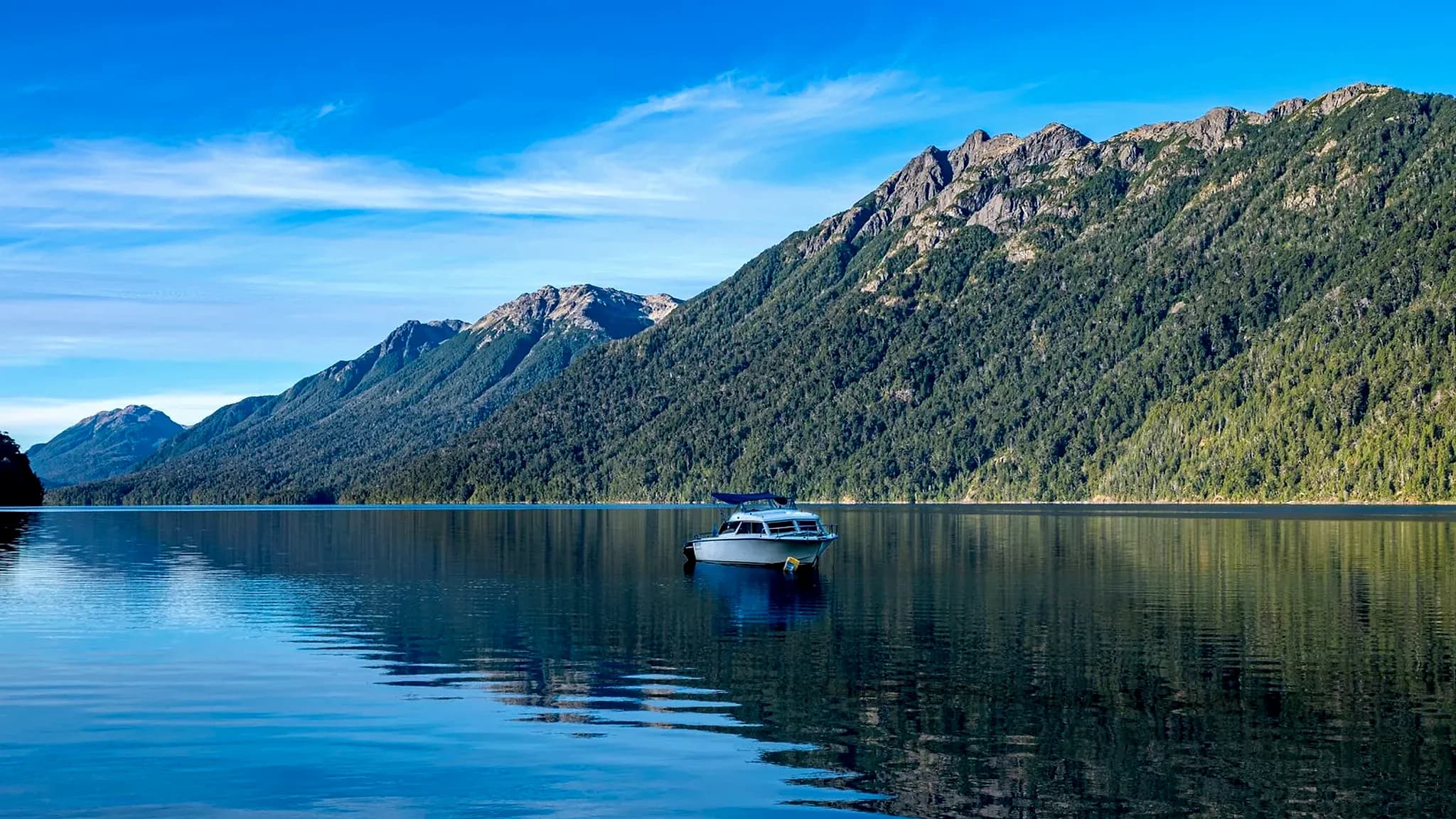
Ambient photo: Jose Luis Vanasco — via Pexels
Un lago de montaña escondido en el sudoeste neuquino, sobre el corredor que une Aluminé con Norquincó, entre bosques de pehuenes y coihues. El Nompehuen es un espejo serrano de aguas frías y claras, con un ambiente muy patagónico y poco masificado, donde conviven trucha arcoíris, trucha marrón y trucha de arroyo.
Se pesca de costa y, donde se puede, embarcado: spinning con cucharas y minnows en puntas y veriles para las arcoíris y las marrones, y mosca con secas y ninfas en las orillas de piedra y en las bocas de arroyo, con streamers al atardecer para buscar los ejemplares más grandes. Las truchas de arroyo aparecen prendidas al monte sumergido y a las juntas de agua fresca. En términos generales, de la primavera al comienzo del verano y otra vez en otoño se dan los mejores momentos, con el amanecer y la caída del sol como ventanas clásicas. Un destino tranquilo, de bosque cerrado, ideal para sumar a un recorrido por la zona de Aluminé.
LD: 2 salmónidos. Desde 2 may 2026: devolución obligatoria de todos los salmónidos. Prohibida navegación a motor.
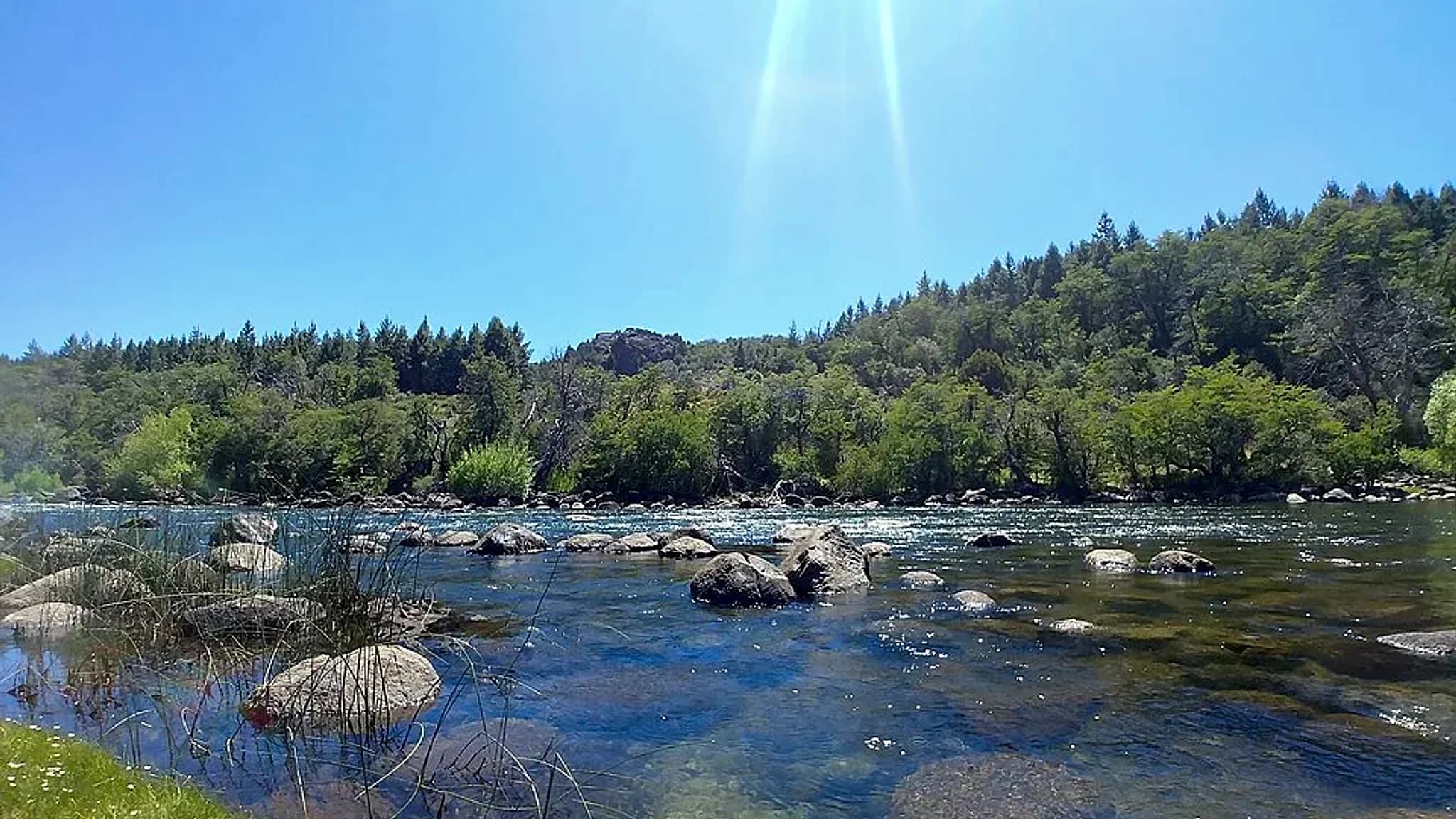
At Lago Nompehuén (Neuquén) you can catch Brook trout, Brown trout, Rainbow trout. Allowed styles: Reservoir.
Está en el corredor Aluminé-Norquincó, en el sudoeste neuquino; se llega por caminos de montaña y ripio entre el bosque de pehuenes. Consultá localmente por los accesos y el estado de los caminos.
Rige el Permiso de Pesca Continental Patagónico, que se saca online y en casas de pesca u oficinas de turismo. Revisá el reglamento vigente de la temporada antes de salir.
LD: 2 salmónidos. Desde 2 may 2026: devolución obligatoria de todos los salmónidos. Prohibida navegación a motor.
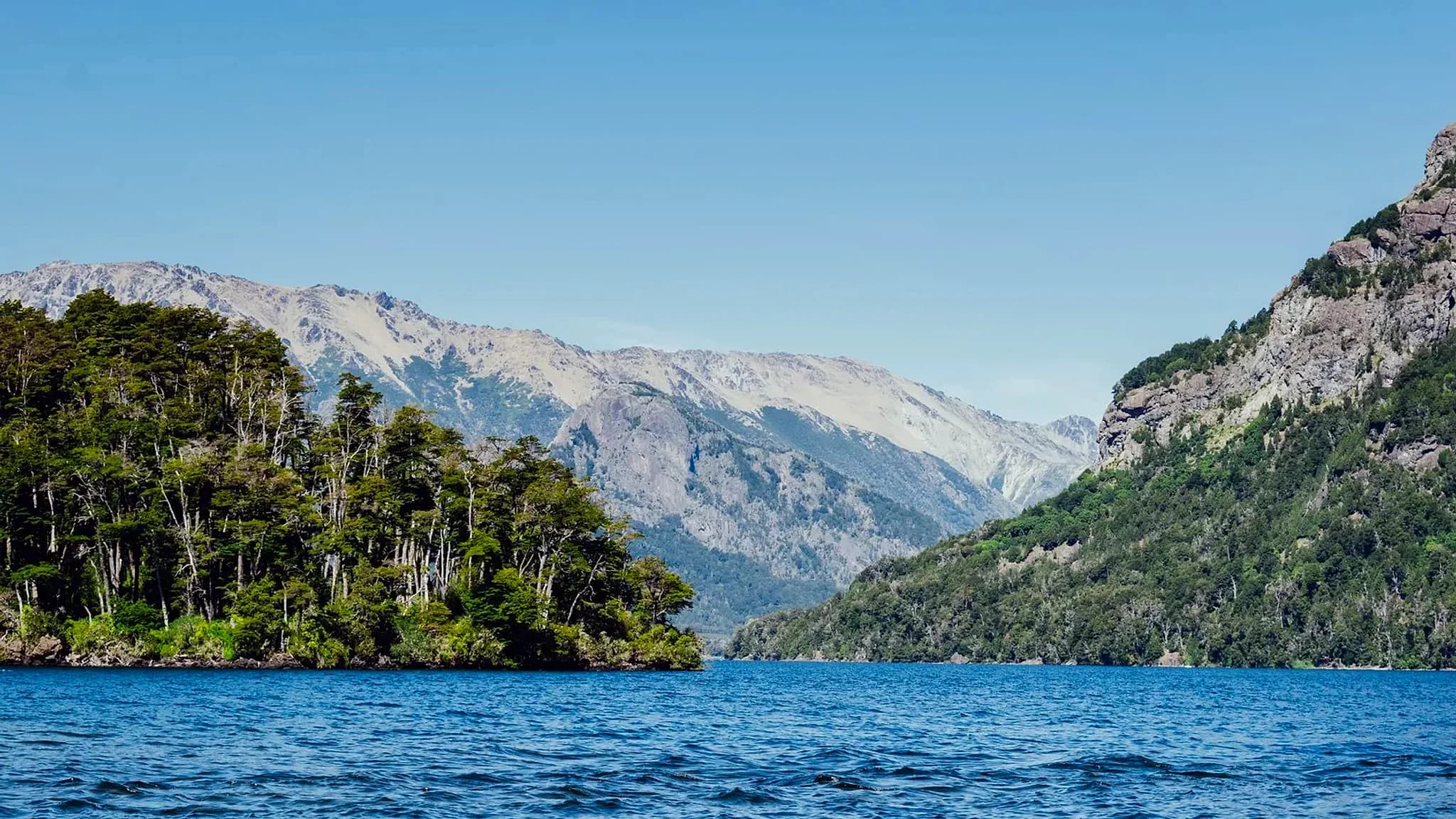
Base data: OpenStreetMap (ODbL)
| Season | JAN | FEB | MAR | APR | MAY | JUN | JUL | AUG | SEP | OCT | NOV | DEC | IDX | NOW |
|---|---|---|---|---|---|---|---|---|---|---|---|---|---|---|
| Brook trout. PEAK MAR–APR | 5 | Closed | ||||||||||||
| Brown trout. PEAK MAR–APR | 5 | Closed | ||||||||||||
| Rainbow trout. PEAK MAR–APR | 5 | Closed |
The number (0 to 100) sums up how likely the species is to be active here this month: it weighs the season, recent catch reports and, where there is a river gauge, the water level.
For a species of 0.5 to 2 kg that lives in cold streams and lagoons, the ideal gear is light and sensitive, allowing you to enjoy the fight and present small lures and flies with precision.
Spinning:
Fly:
Round it out with barbless hooks if you are going to practice catch-and-release, a hook-removal tool (forceps), a soft-mesh (rubber) net so as not to harm the fish, and waders if you are going to wade into the cold water.
Gear is chosen according to the environment and the expected size. A versatile, concrete setup:
No one has reported from this spot yet. Fished here? Tell us how it went — you'll help the next angler.
In August the species of Lago Nompehuén are past their best moment. Off season does not mean there is a closed season.
In Lago Nompehuén it is worth going when its main species bite: Brook trout (NOV–APR); Brown trout (NOV–APR); Rainbow trout (NOV–APR).
In Lago Nompehuén you can fish Reservoir.
Yes: PESQA lists 3 guides working Lago Nompehuén, among them Ruka Diak, Montaña Negra, A.t.a. Milagrito.
Near Lago Nompehuén PESQA lists 44 places to stay: Cabañas Ruca Paihuen, Cabaña La Paz Moquehue, Cabañas Üpenen.
Lago Nompehuén is in the province of Neuquén.
Fly fishing:
Recommended accessories: rubber net (less harm to the fish for release), forceps for removing hooks, barbless hooks, and waders for safe wading in cold water.
The gear is matched to the setting and the size of trout you are after, but these setups cover most situations in Argentina:
Spinning (general use, trout of 1 to 3 kg):
Fly:
For trophy specimens (5-10+ kg at the Strobel): step up the power—medium/medium-heavy spinning with 15-20 lb braid and a robust fluoro leader, or a 7/8 fly outfit—because these are fish with strength and runs far superior to the average trout.
In every case: a well-adjusted drag, sharp hooks (barbless if you are going to release), and a rubber net to handle the fish with the least possible harm.