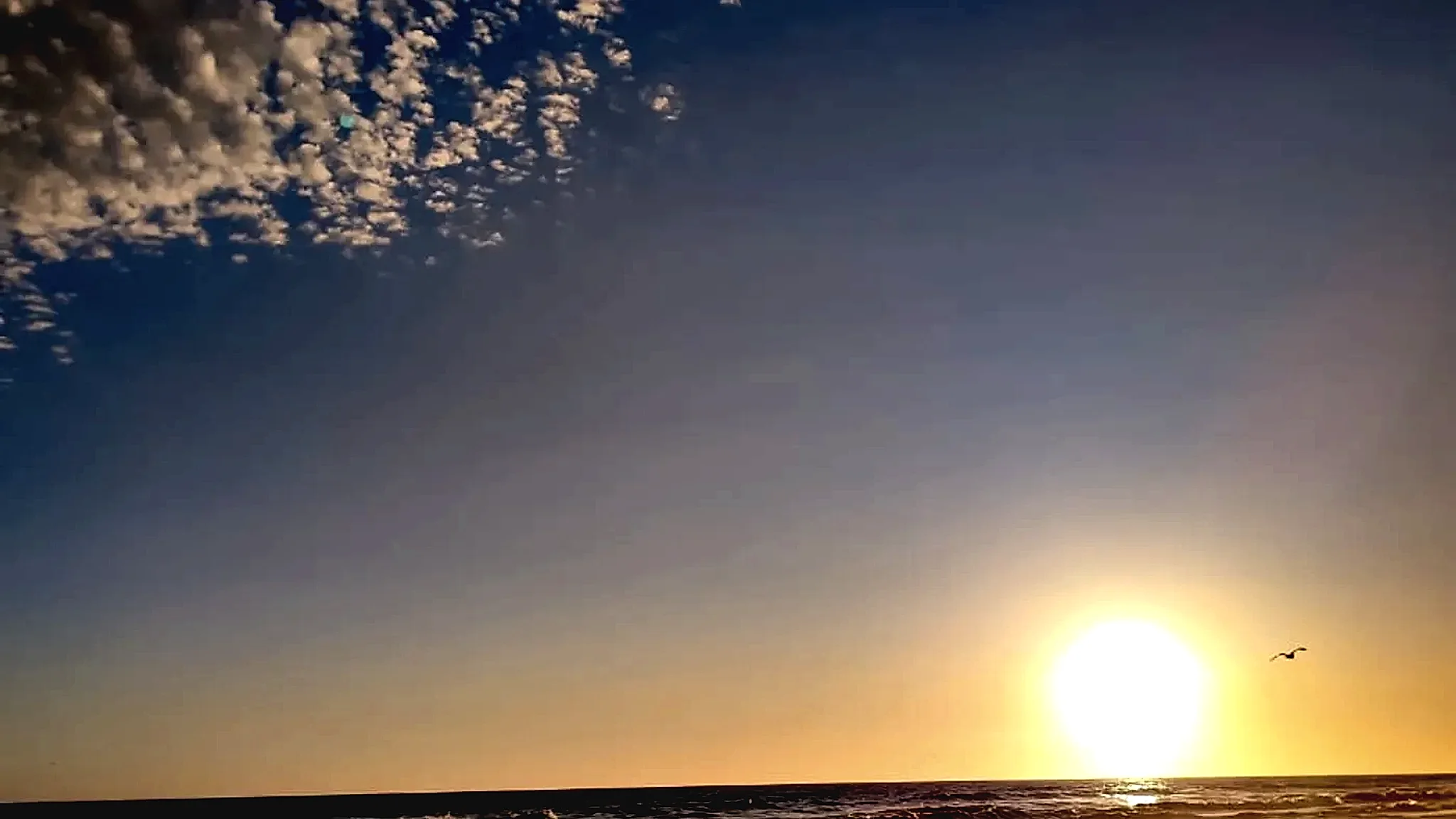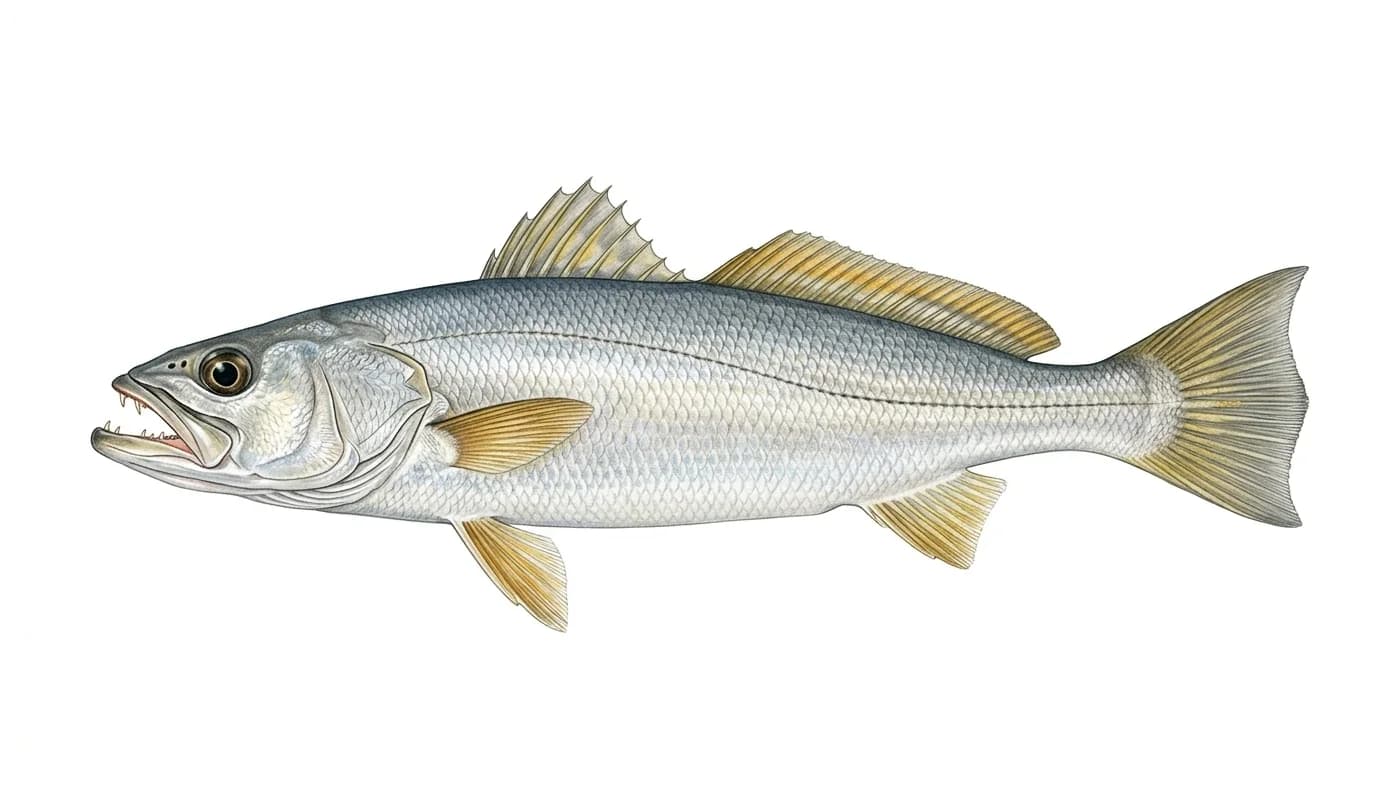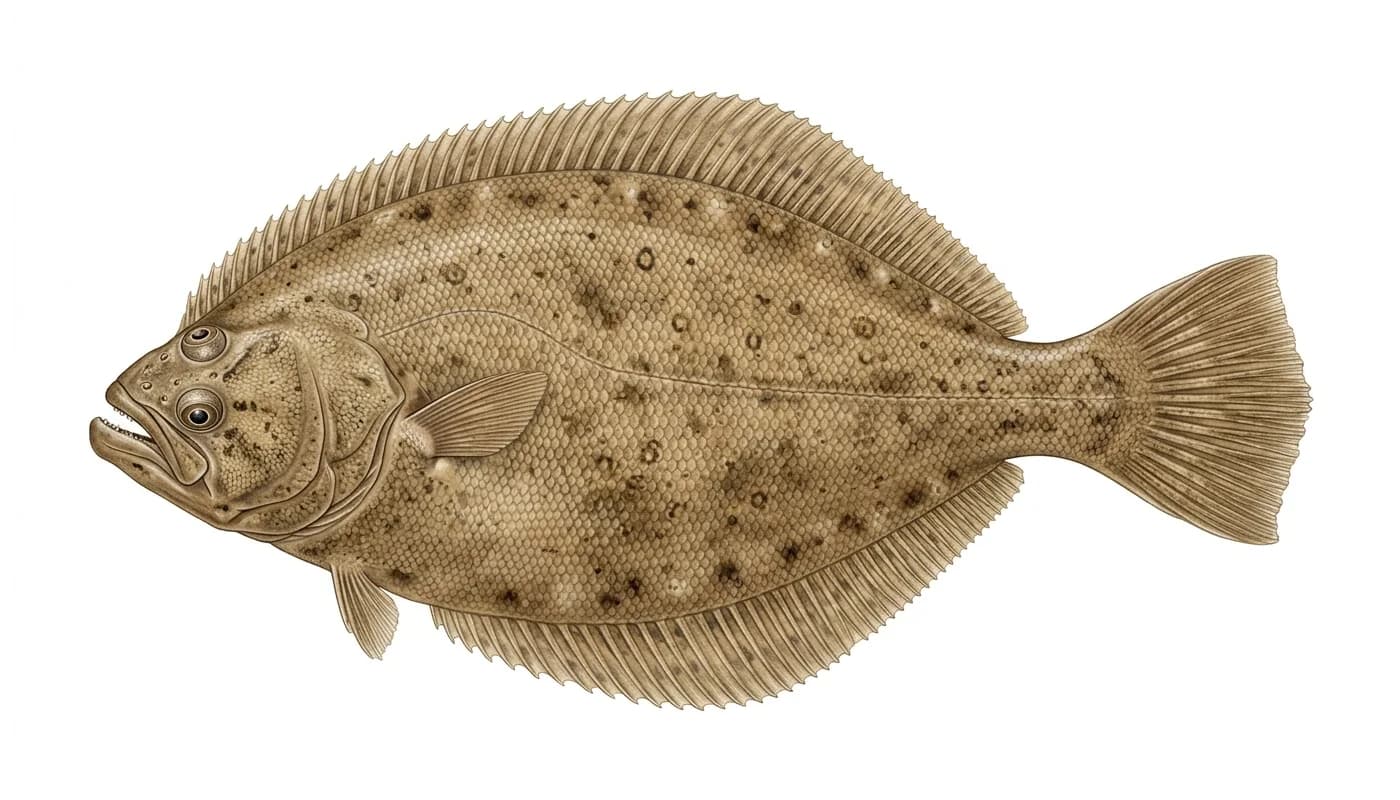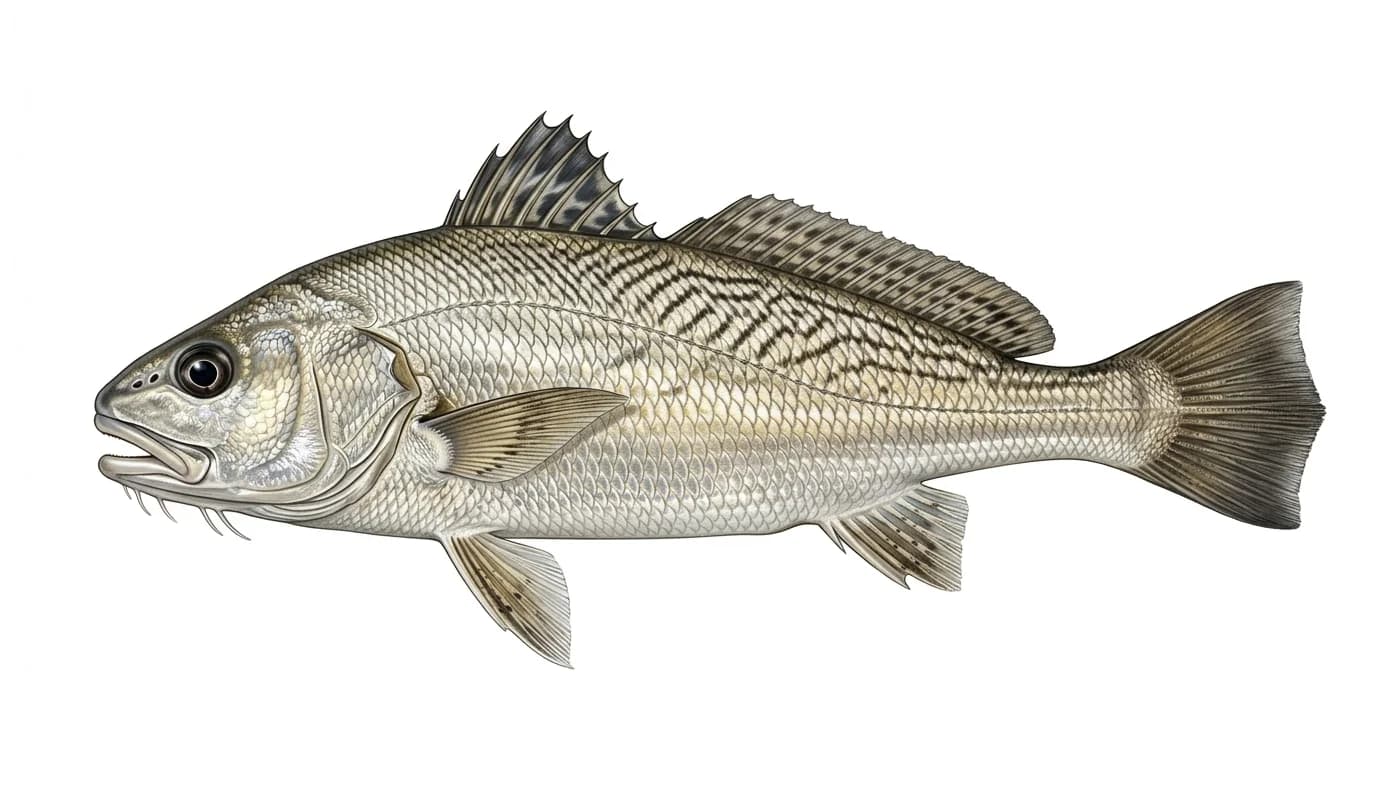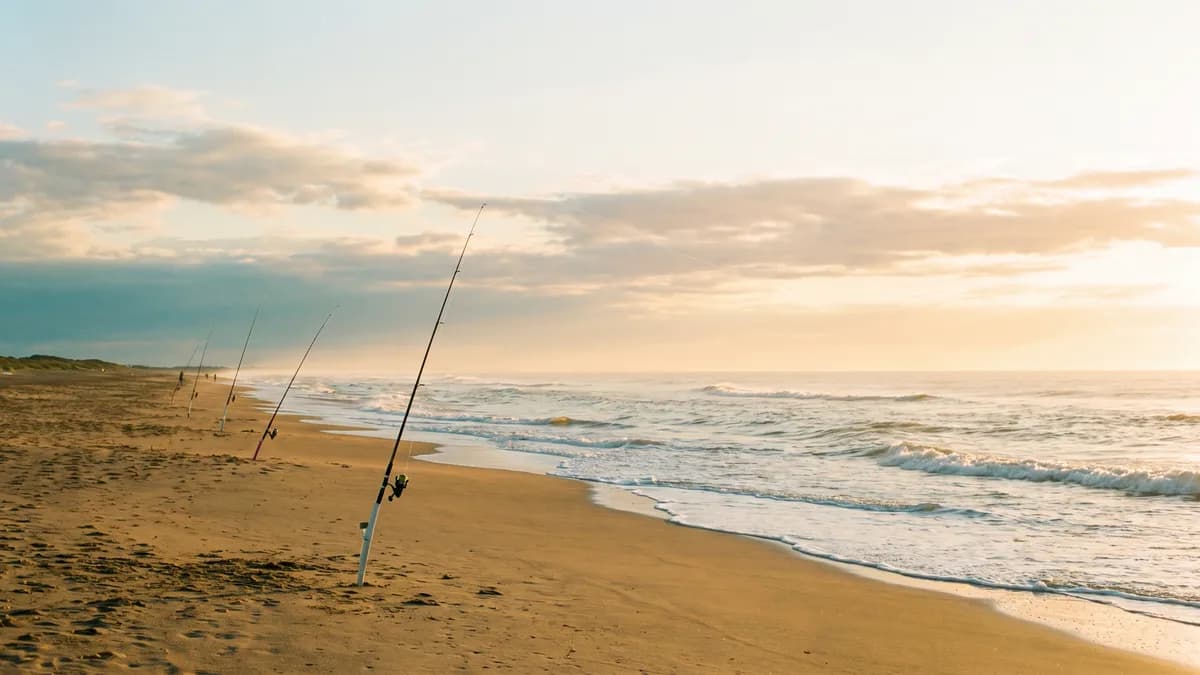
Beach fishing on the Buenos Aires coast: the gear, the bait, how to read the surf and the best spots for the croaker.
Fishing facing the sea
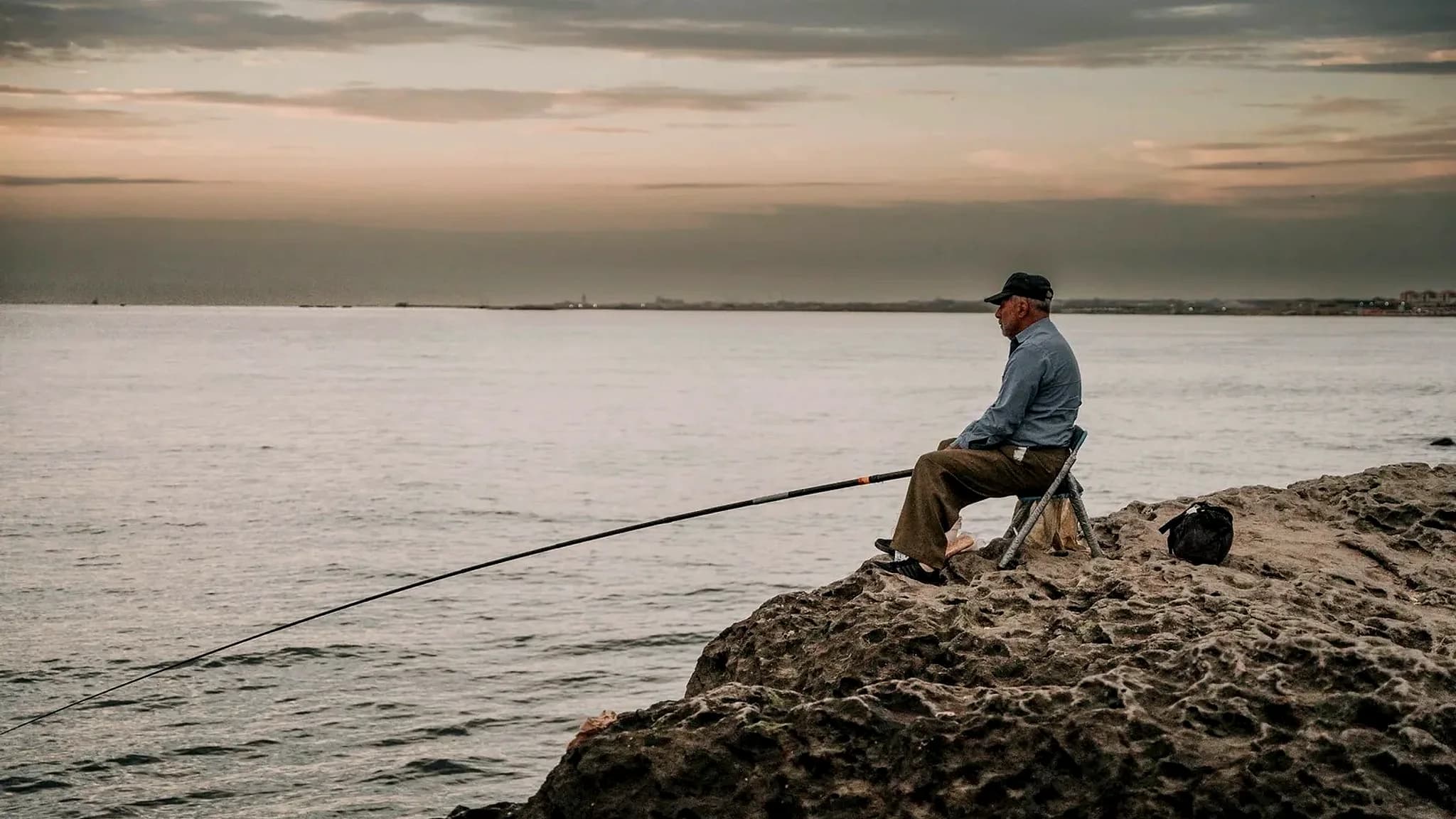
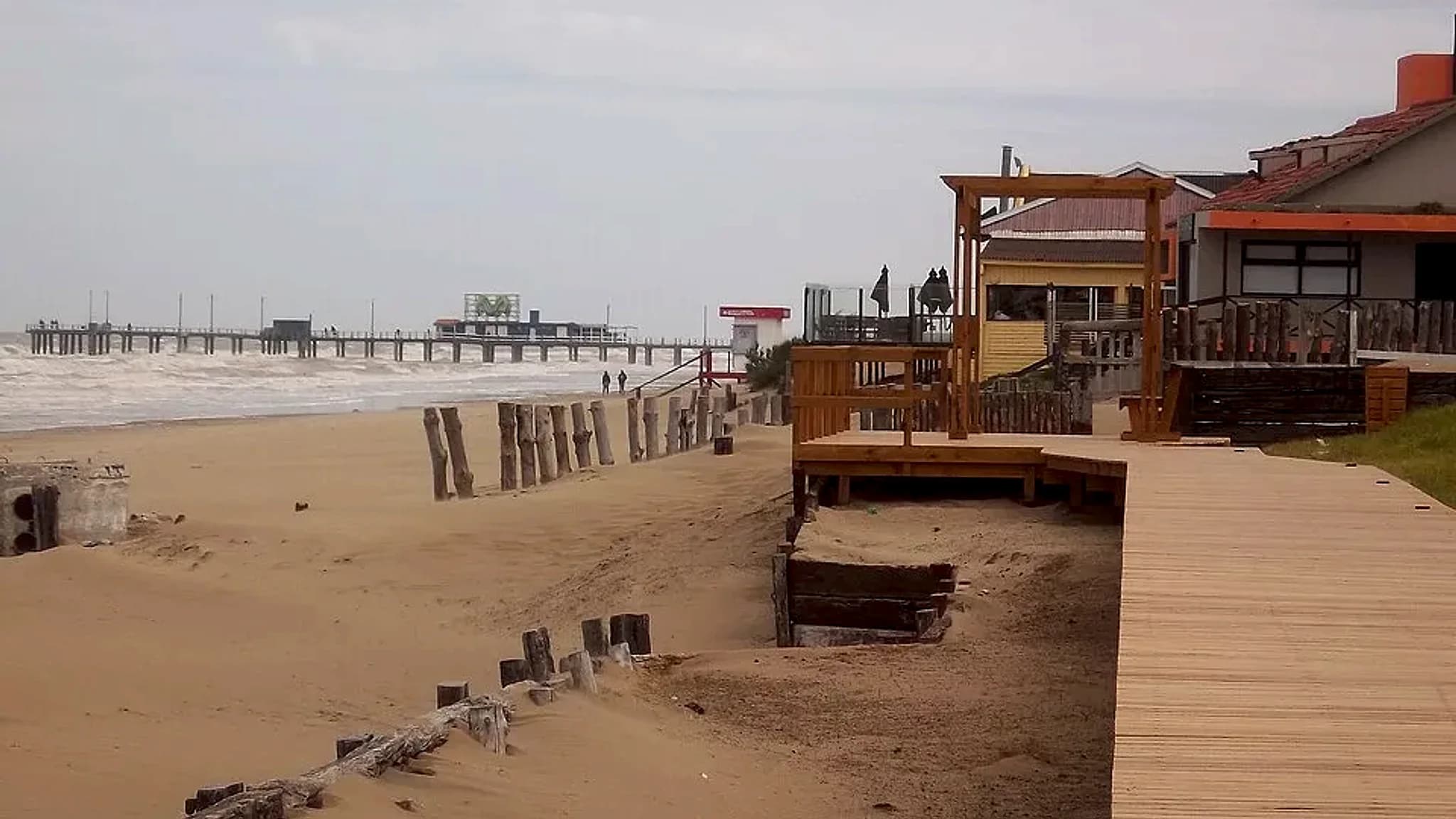
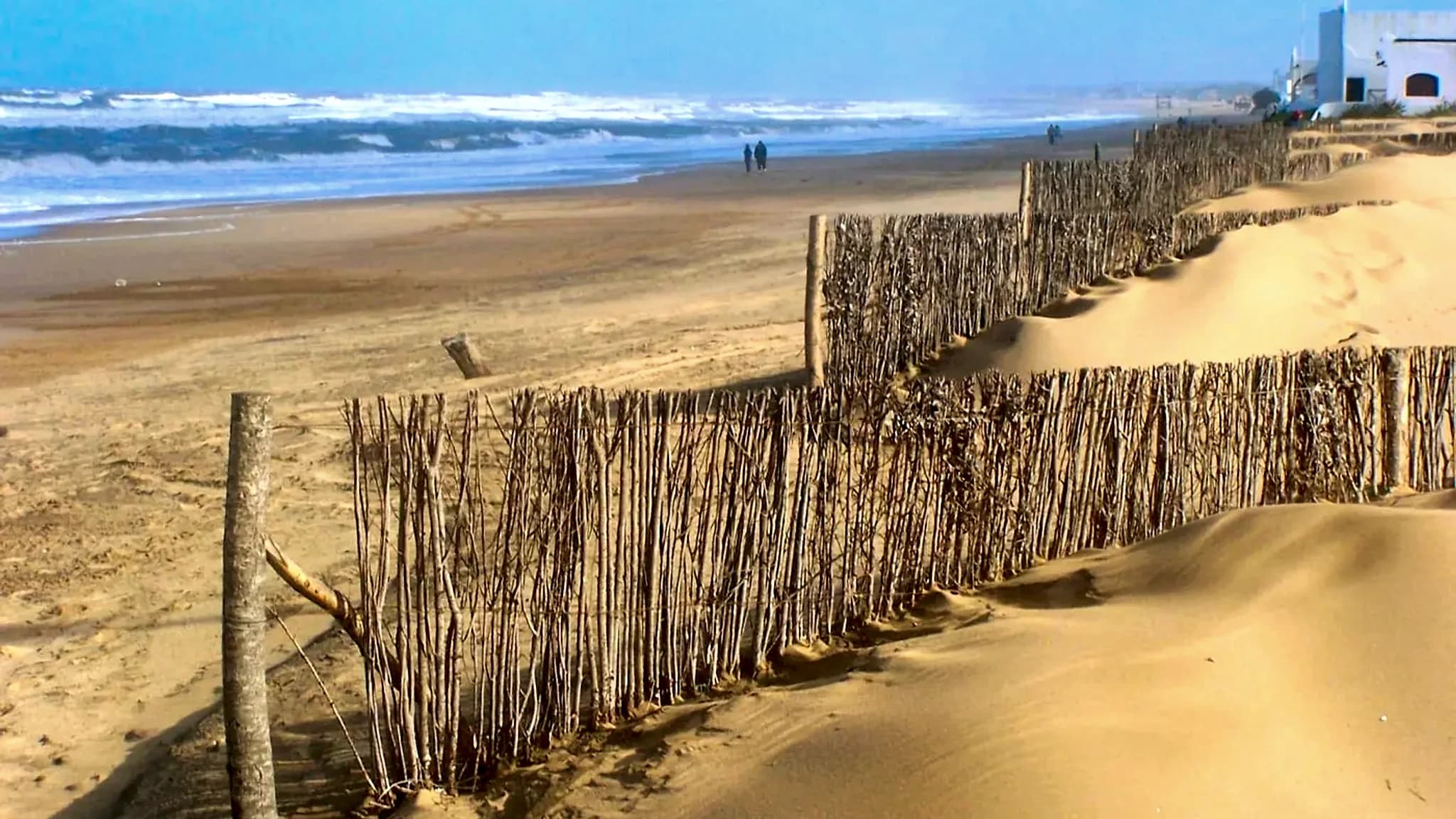
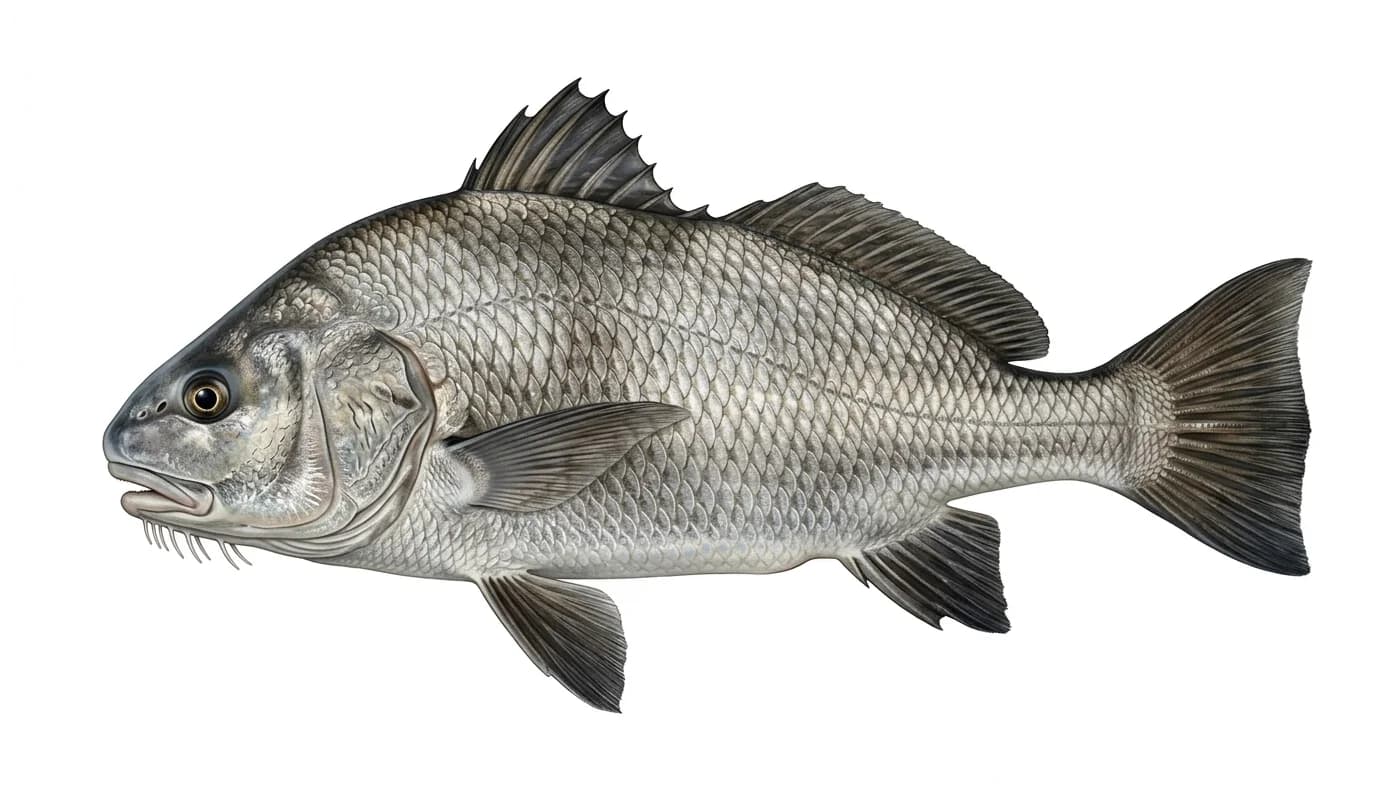
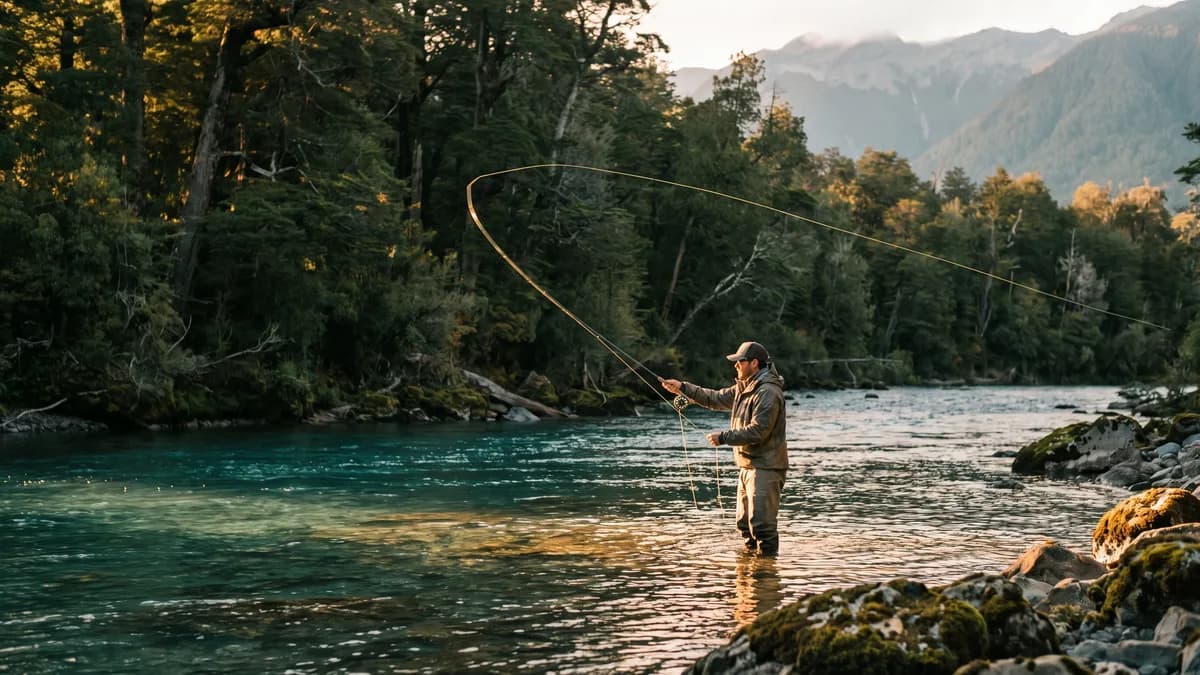
Surfcasting is fishing from the beach, casting far beyond the surf line to reach the species that come close to shore. On the Buenos Aires Atlantic coast it is a popular, social and low-cost way to start, with the croaker (corvina rubia) as the great protagonist.
The gear
- A long surfcasting rod, from 3.90 to 4.20 m, to cast far.
- A reel with good line capacity (spinning or conventional), with 0.35 to 0.40 mm mono or thin braid.
- Grapnel sinkers (with wires) that grip the bottom and hold against the current.
- Two- or three-hook rigs (paternoster), from 1/0 to 4/0 depending on the species.
The bait
The sea worm is the universal bait; cut mackerel strips, shrimp, silverside and fish fillet also work very well. For croaker, a mackerel strip or a worm is the classic.