Flounder (lenguado)
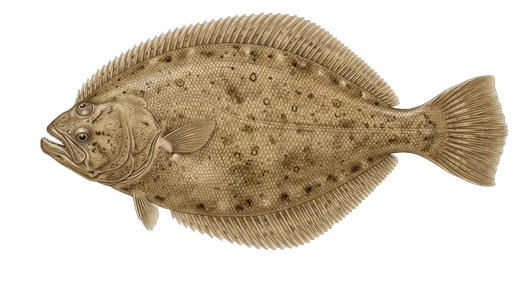
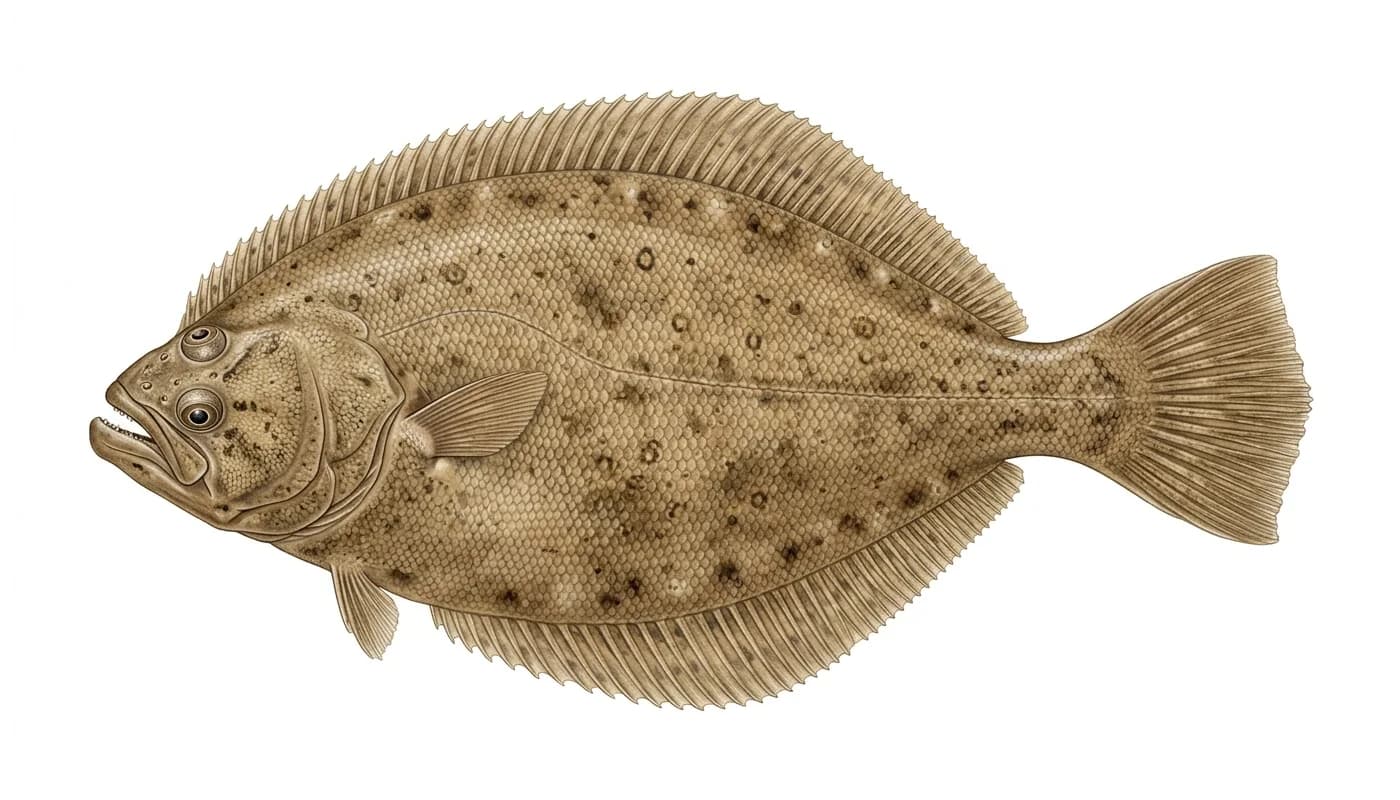
The Flounder is a saltwater flatfish that inhabits the coasts of the Southwestern Atlantic and is one of the most prized inshore catches in Argentine sport fishing.
Out of season · starts in NovemberWhere to fish
Guides for flounder (lenguado)
Season
- Off
- In season
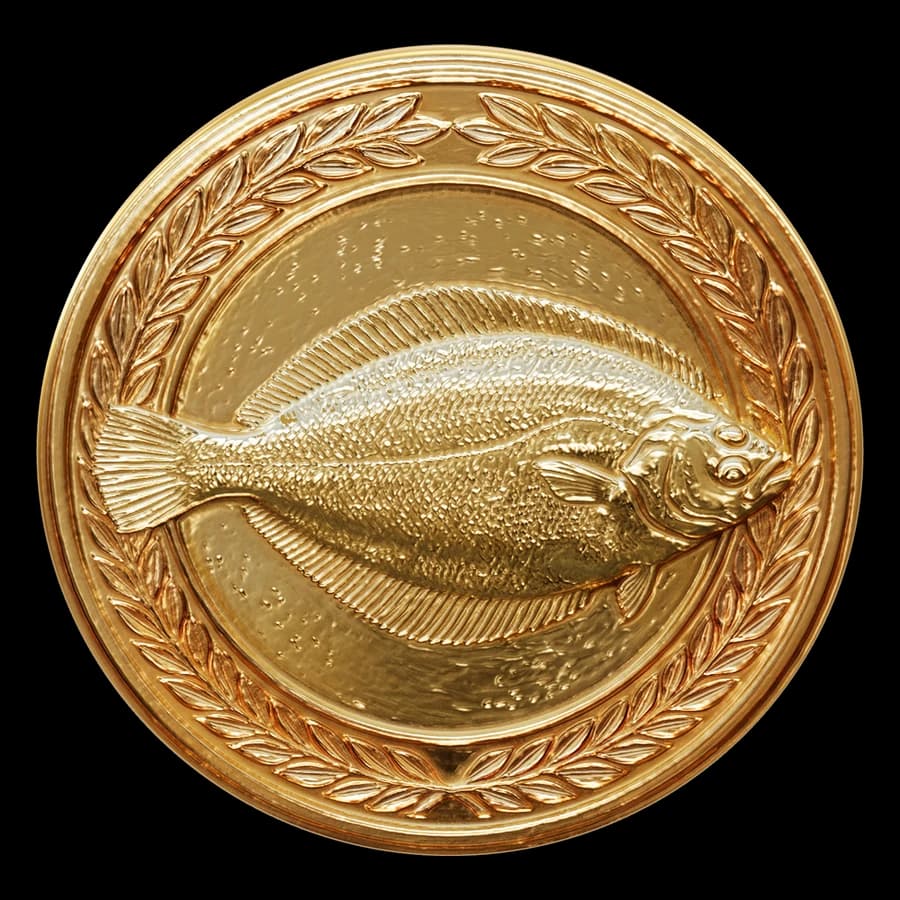
Tap it to see it in 3DClick it to see it in 3D
Camouflaged in the sand
Every flounder (lenguado) you post with a photo counts toward your Pesquedex. Bronze comes with the first catch; silver and gold ask for a variety of spots and provinces.
Recent Flounder (lenguado) catches
Nobody has posted a flounder (lenguado) report yet. Post yours with a photo: you get the catch card and the bronze medal.
Be the first →Habitat
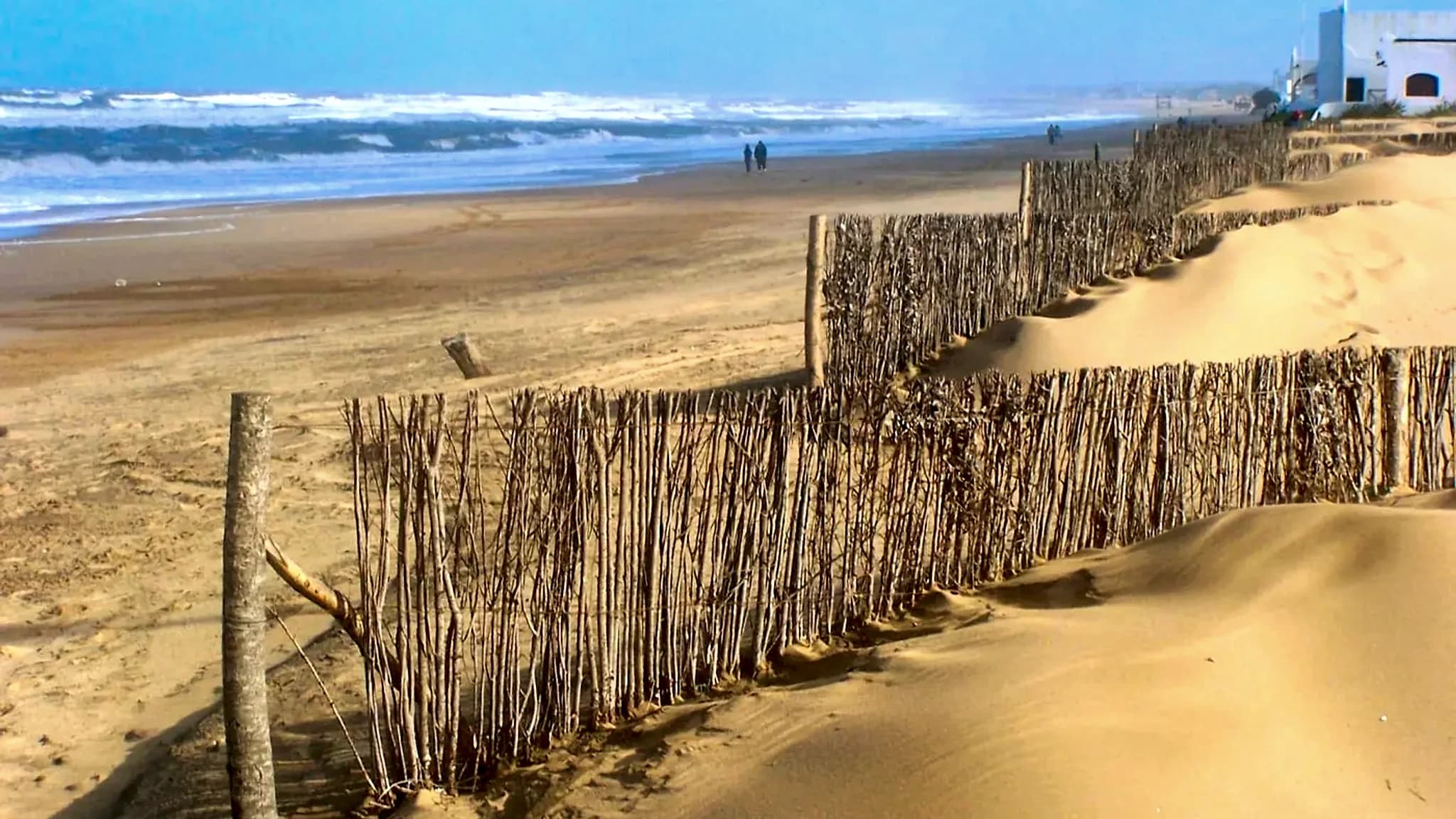
The flounder is a bottom-dwelling species that prefers soft sand and mud substrates, where it can bury itself and camouflage while waiting for prey. You'll find it in the coastal strip of the Argentine sea: sandy beaches with troughs, the mouths of streams and rivers, tidal channels, estuaries, and the entrances to the Patagonian gulfs. It tolerates variable salinity very well, which is why estuarine environments—where fresh water mixes with seawater—tend to be hotspots.
The key to locating it is reading the bottom structure. Look for the holes and troughs that form between sandbars, the drop-offs where the beach falls to greater depth, the baitfish schools (silversides, whitebait, prawns), and the areas of moderate current where the flounder posts up to wait. On the beach, those troughs running parallel to the shore that get exposed at low tide are golden reference points to come back and fish on the incoming tide. In tidal channels and estuaries, aim for the tidal channels and their edges.
As for the season, in Argentina the best flounder period runs from spring to autumn—from November to April—when it moves into shallower, more coastal waters following the warmer water and the abundance of bait. Warmer water activates it and brings it closer to the beach, while in the dead of winter it tends to retreat to greater depths and inshore fishing for it becomes more difficult.
Baits and lures
The flounder is strictly carnivorous and responds very well to both natural bait and lures that imitate forage fish. Since it's a bottom hunter that chases small fish, "live" bait or a strip that moves with the current is deadly.
Natural baits that work in Argentina:
- Whitebait and silverside: perhaps the star bait. As a strip or whole, it imitates the flounder's natural food. A whitebait strip rigged so it "flutters" with the current is a classic and highly effective.
- Prawn and shrimp: excellent bait, especially in estuaries and tidal channels where the flounder eats them regularly.
- Whiting fillet or other white fish in strips: thin, long strips that move with the water trigger the bite.
- Mackerel (magrú) in strips: oily and eye-catching, a good option for spreading scent.
- Crab and other bottom baits: useful in estuarine areas.
Lures that get results:
- rigged on a jig head, worked tight to the bottom with short twitches. They imitate a wounded fish and trigger the strike of the ambushing flounder.
Recommended gear
The gear for flounder depends on the environment, but since it's a medium-sized fish (0.5 to 3 kg) caught near the bottom, the key is sensitivity to detect its subtle bite and just the right power for the cast and the current.
Beach surfcasting:
- Rod: surf rod of 3.60 to 4.20 m, medium-power action (casting sinkers of ~60 to 120 g depending on current and wind). Look for a sensitive tip that "marks" the flounder's taps.
- Reel: a good-sized spinning or conventional reel (6000–8000 size for spinning), with a progressive drag and good line capacity.
- Main line: braid of 0.20–0.30 mm for its low stretch and greater sensitivity to feel the bite at a distance; or nylon monofilament of 0.35–0.40 mm if you prefer something more forgiving with more shock absorption.
- Leader: fluorocarbon or nylon of 0.40–0.60 mm. Bottom rigs of the paternoster type with one or two hooks and a gripping sinker (breakaway/grip lead) to hold the line firm in the trough.
- Hooks: fine, long, and very sharp, from size 1/0 to 3/0 depending on the bait; ideal for hooking the flounder's mouth well.
Boat drifting / spinning with soft plastics:
- Rod: spinning rod of 1.80 to 2.10 m, medium or medium-light action, with a sensitive tip for working tight to the bottom.
- Reel: 3000–4000 spinning reel balanced with the rod.
- Line: fine braid of 0.15–0.20 mm for maximum sensitivity, with a fluorocarbon leader of 0.30–0.45 mm.
- Rig: jig heads of just the right weight to touch bottom depending on depth and current, rigged with paddle tail or shad-type soft plastics.
In every case, prioritize well-sharpened hooks and an abrasion-resistant leader: the flounder has fine teeth and is usually caught over bottoms with structure.
Fishing techniques
Flounder fishing in Argentina is practiced mainly from shore (surfcasting) and also from a boat drifting, always working near the bottom, which is where it lives.
Bottom fishing / beach surfcasting. This is the classic method. You cast the bait to the troughs and holes, let the sinker settle on the bottom, and keep the line semi-taut. The fine detail: the flounder gives a characteristic two-stage bite—first it mouths and "works" the bait, producing soft, repeated taps, and only afterward swallows it. Don't set the hook on the first tap. Let it eat, wait until you feel firm weight, and only then set the hook with a clean motion. Setting the hook too eagerly is the number one mistake with this species.
Boat fishing on the drift. Very effective in tidal channels, estuaries, and gulfs. You let the boat drift with the current, dragging the bait or soft plastic near the bottom, covering ground until you find the posted-up fish. It's an excellent way to "comb" troughs and tidal channels.
Spinning with soft plastics and jigs. A more active and sporting method: you cast a soft bait or jig with a jig head and work it tight to the bottom with short twitches and pauses, letting it "die" between hops. The bite usually comes on the pause, when the lure drops. Ideal for anglers who prefer to actively hunt the fish rather than wait.
Guide tips:
- Take advantage of the tides. The moving water activates feeding; the hours around the rising tide and the tide changes tend to be the best.
- Fish the troughs you spotted at low tide: they're food highways when the water comes up.
- The best hours are dawn, dusk, and night, when the flounder hunts in lower light.
- Fine, well-sharpened hooks: the flounder's mouth and the way it eats demand a good hook set.
- Patience on the bite: feel it, wait, and set the hook when it's firm.
Closed season & regulations
Closed seasons, minimum size and bag limits for flounder (lenguado) are set by each province and change every year. The current rule is on each spot's page: confirm it before heading out.
Read the full note
Before heading out to fish for flounder it's essential to inform yourself about the current regulations, because the closed season, the minimum size, and the catch limit VARY by province and by year, and they change frequently. In Argentina, marine sport fishing is regulated at the provincial level (and in certain cases nationally), so what applies on the Buenos Aires coast may differ from what applies in Río Negro, Chubut, or Santa Cruz.
Why the closed season exists. The closed season is a temporary catch ban established, above all, to protect the fish during their breeding period and allow the population to renew itself. Respecting it isn't a formality: it's what guarantees there will still be flounder to catch in the coming years. The same goes for the minimum size (releasing specimens that don't reach the legal measurement, because many haven't yet reproduced) and for the limit (a cap on the number of fish per angler per day, designed to share the resource sustainably).
Catch and release. The flounder is a relatively slow-growing species and heavily pressured by inshore fishing, so a release culture is especially valuable. Releasing the large specimens (the best breeders) and keeping only what you're going to eat is a practice that more and more responsible anglers are adopting. If you're going to release, handle the fish with wet hands, minimize its time out of the water, and use barbless hooks when you can.
The important and honest part: we don't publish specific closed-season dates, minimum sizes, or limits here because those numbers change by province and by season, and an outdated figure could cause you to unintentionally commit a violation. Always consult the official source before heading out: the Directorate of Wildlife, Fisheries, or Natural Resources of the province where you're going to fish, or the relevant marine fisheries agency. Get your valid sport fishing permit and check that year's updated regulations.
Shops & clubs in the area
Ready to chase flounder (lenguado)? Find guides who target this species and message them.
Plan your trip hereDo you guide flounder (lenguado) trips? Join for free and show up here →
Read before you go
Frequently asked questions about flounder (lenguado)
Can you fish for Flounder (lenguado) right now, in October?
In October flounder (lenguado) is out of season. Its best time is dec–mar. Being out of season does not mean there is a closed season: that is set by each province and shown on every spot page.
What's the best time to fish Flounder (lenguado)?
The best time for flounder (lenguado) is dec–mar. Check each place's page for the bite calendar and to respect current closed seasons.
Where can you fish Flounder (lenguado) in Argentina?
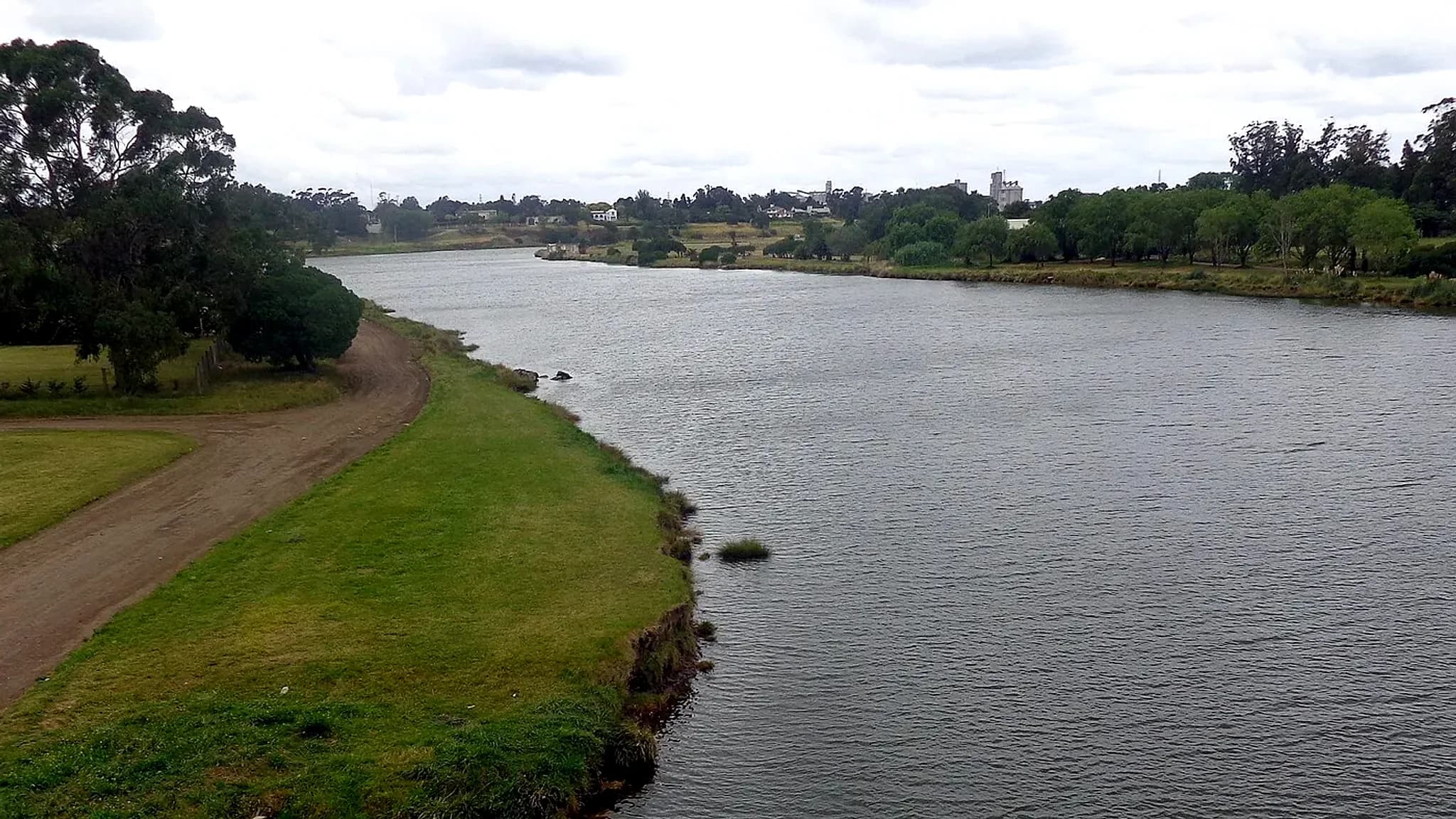
Some of the best places to fish flounder (lenguado) are Necochea / Río Quequén, San Clemente del Tuyú, Villa Gesell. On PESQA you get the map, access info, seasons and verified guides for each one.