Santa Cruz
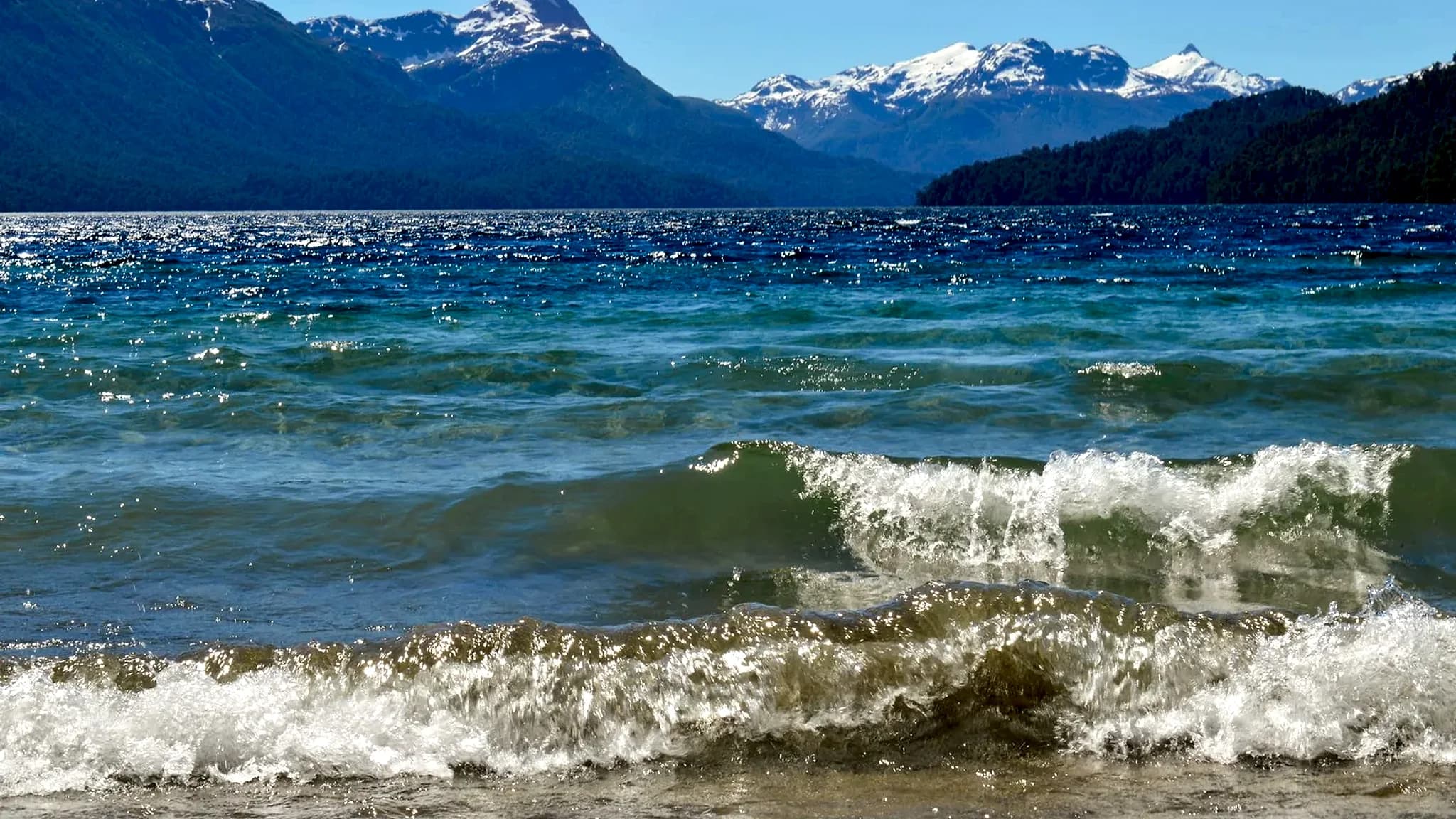
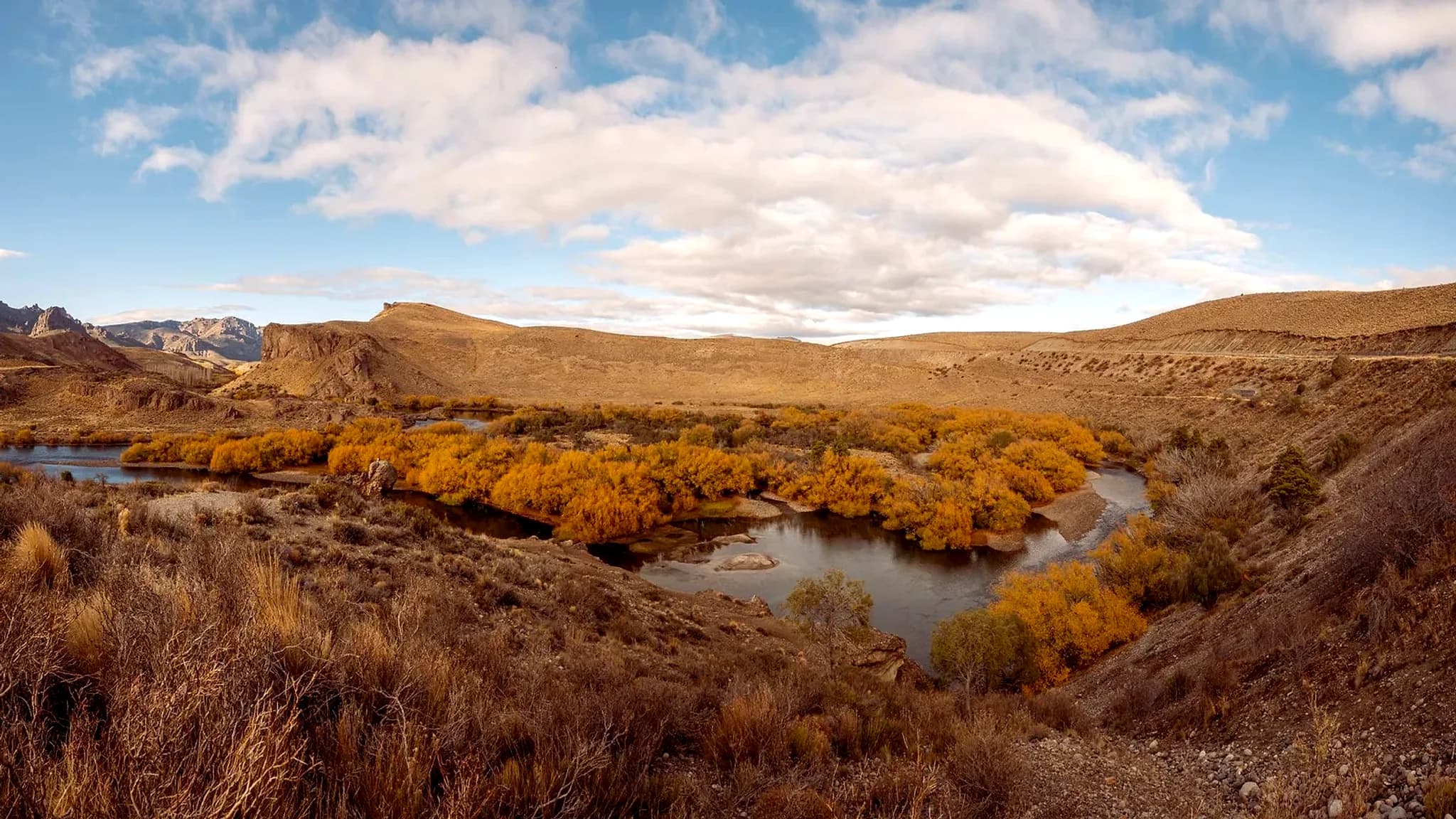
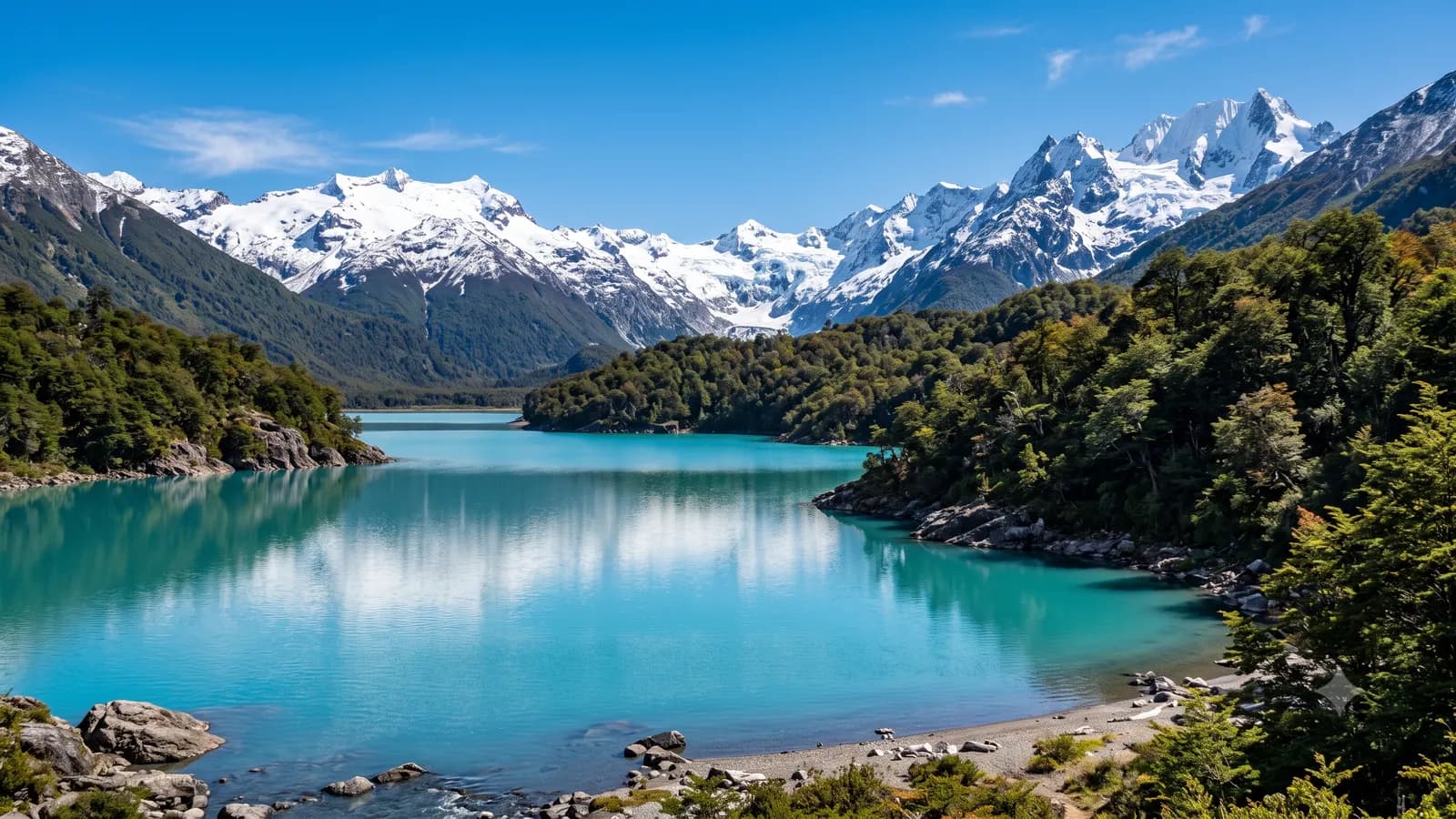
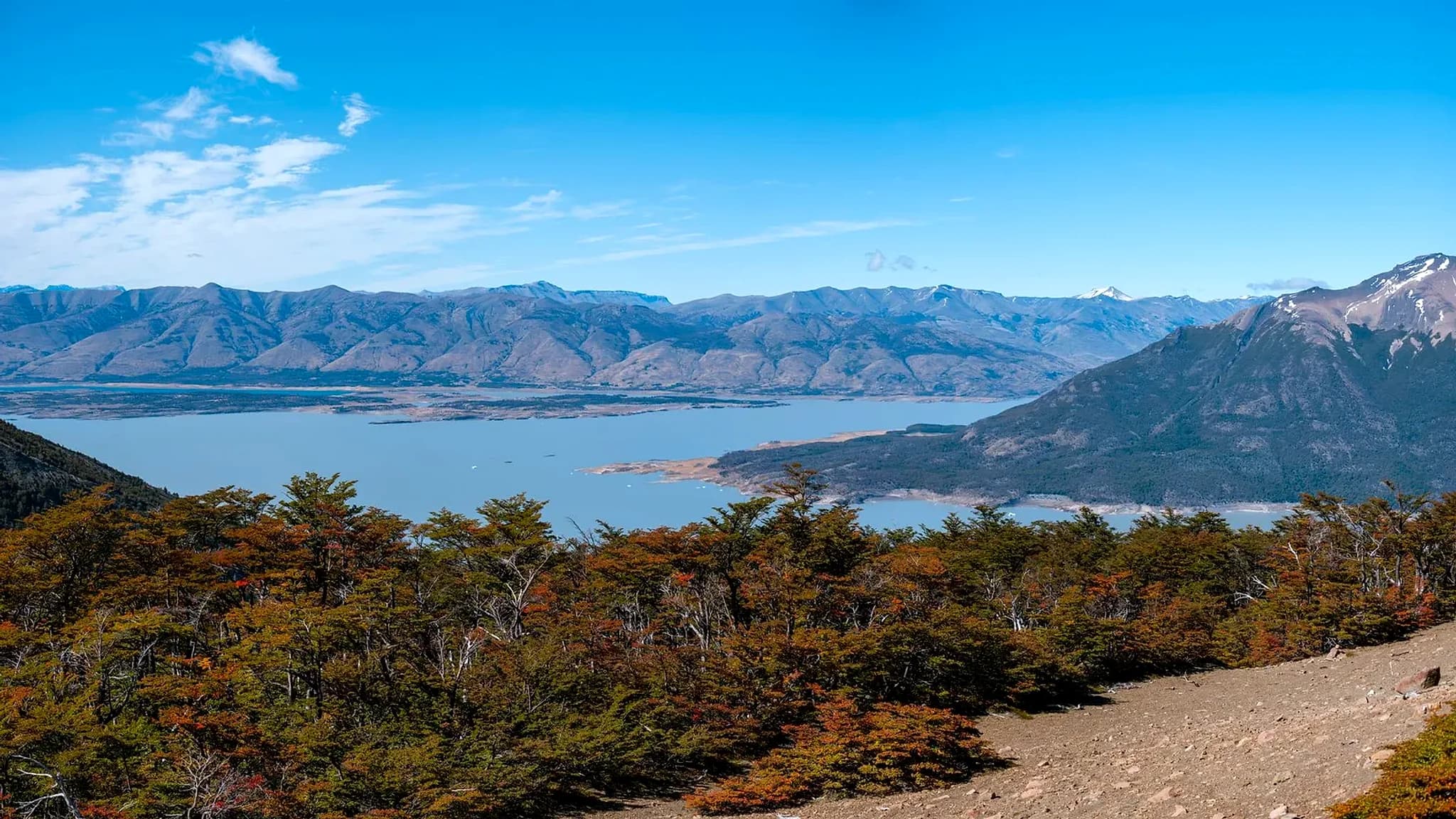
Reference image by PESQA — not a photo of the place
Remoto y cordillerano, el lago Ghio se abre en el noroeste santacruceño, dentro del sistema Ghio-Jeinemení, hacia la zona del Lago Posadas y Los Antiguos. Es un espejo de agua fría y solitaria, rodeado de estepa y montaña, con trucha arcoíris y trucha marrón que crecen fuertes en sus aguas limpias.
En lago manda la búsqueda: trolling y spinning para peinar las bahías y las bocas, y mosca con streamers o ninfas desde la costa y las desembocaduras donde se juntan los peces. En términos generales, la temporada estival es el momento para llegar hasta acá. El límite bajo de captura marca el tono del lugar: pesca de respeto por un recurso remoto que pocos alcanzan. Viento, distancia y agua transparente para quien busca soledad y truchas de verdad.
Sin veda de calendario: el lago Ghio figura entre los lagos habilitados todo el año, con extracción de hasta 2 ejemplares por pescador y por día. Ojo: el Anexo I no lista al río Ghio, y en los ríos y arroyos sin excepción escrita se devuelve todo lo que se pesque, igual que dentro de los 200 metros de nacientes y desembocaduras del lago (arts. 14 y 21). Un solo señuelo artificial con un único anzuelo simple (art. 11). Prohibido el plomo. Permiso SIPESQ obligatorio.
At Lago Ghio (Santa Cruz) you can catch Brown trout, Rainbow trout.
Original text in Spanish: “Se accede por la zona de Lago Posadas y Los Antiguos, por caminos de ripio y tramos remotos; conviene ir preparado y con información local. Consultá el estado de los accesos antes de viajar.”
Original text in Spanish: “Rige el permiso de pesca provincial de Santa Cruz, online o en la Dirección de Pesca y comercios habilitados. Se aplica un límite bajo de captura: consultá el reglamento y los cupos vigentes para el lago.”
Now 5° · wind 9 km/h W
Base data: Wikidata (CC0)
| Season | JAN | FEB | MAR | APR | MAY | JUN | JUL | AUG | SEP | OCT | NOV | DEC | NOW |
|---|---|---|---|---|---|---|---|---|---|---|---|---|---|
| Brown trout. In season: NOV–APR. Peak: MAR–APR | Off | ||||||||||||
| Rainbow trout. In season: NOV–APR. Peak: MAR–APR | Off |
Dark: each species' peak months. Medium: its season at this place.
Gear is chosen according to the environment and the expected size. A versatile, concrete setup:
Spinning (general use, rivers and lakes):
Fly fishing:
Recommended accessories: rubber net (less harm to the fish for release), forceps for removing hooks, barbless hooks, and waders for safe wading in cold water.
The gear is matched to the setting and the size of trout you are after, but these setups cover most situations in Argentina:
No one has reported from this spot yet. Fished here? Tell us how it went — you'll help the next angler.
There is not a single guide or place to stay loaded in the area yet, and people are already looking for where to fish here. Your PESQA listing is free and puts you in front of whoever is planning the trip.
It's free · no card
Original text in Spanish: “Sin veda de calendario: el lago Ghio figura entre los lagos habilitados todo el año, con extracción de hasta 2 ejemplares por pescador y por día. Ojo: el Anexo I no lista al río Ghio, y en los ríos y arroyos sin excepción escrita se devuelve todo lo que se pesque, igual que dentro de los 200 metros de nacientes y desembocaduras del lago (arts. 14 y 21). Un solo señuelo artificial con un único anzuelo simple (art. 11). Prohibido el plomo. Permiso SIPESQ obligatorio.”
In October the species of Lago Ghio are past their best moment. Off season does not mean there is a closed season.
In Lago Ghio it is worth going when its main species bite: Brown trout (NOV–APR); Rainbow trout (NOV–APR).
Lago Ghio is in the province of Santa Cruz.
Spinning (general use, trout of 1 to 3 kg):
Fly:
For trophy specimens (5-10+ kg at the Strobel): step up the power—medium/medium-heavy spinning with 15-20 lb braid and a robust fluoro leader, or a 7/8 fly outfit—because these are fish with strength and runs far superior to the average trout.
In every case: a well-adjusted drag, sharp hooks (barbless if you are going to release), and a rubber net to handle the fish with the least possible harm.