Photos: Wikimedia Commons (CC BY 2.5) — via Wikimedia Commons
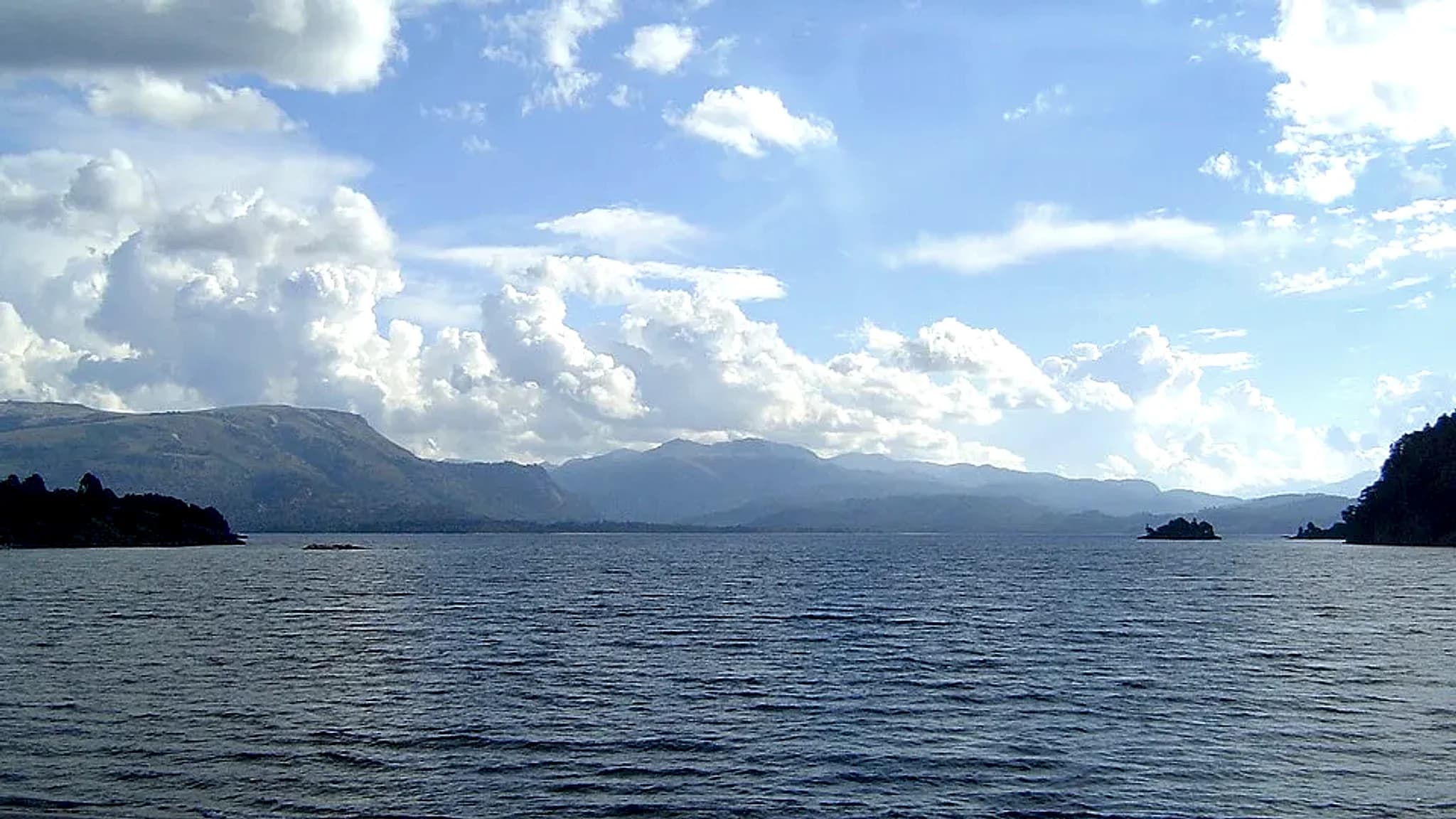
La gran cabecera del río Aluminé y el corazón de Villa Pehuenia: un lago extenso de aguas claras rodeado de pehuenes, en el noroeste de la cuenca del Aluminé. Es uno de los espejos emblemáticos del norte de la Patagonia lacustre, con trucha arcoíris, trucha marrón y perca.
Se pesca de costa y embarcado: spinning y agonía de media agua para las truchas en puntas y veriles, mosca en las desembocaduras de los arroyos y en la boca del río, y perca a señuelo chico junto a las piedras. En términos generales, la primavera y el arranque del verano dan los mejores momentos para los salmónidos, y el atardecer es la ventana clásica del lago. El viento del oeste es parte del paisaje: conviene leerlo y elegir la costa reparada. La combinación de pesca, bosque de araucarias y la villa a mano lo vuelve un destino redondo para varios días.
LD: 2 percas y 1 trucha arco iris. Devolución obligatoria de truchas marrones. Desde 2 may 2026: devolución obligatoria de todos los salmónidos.
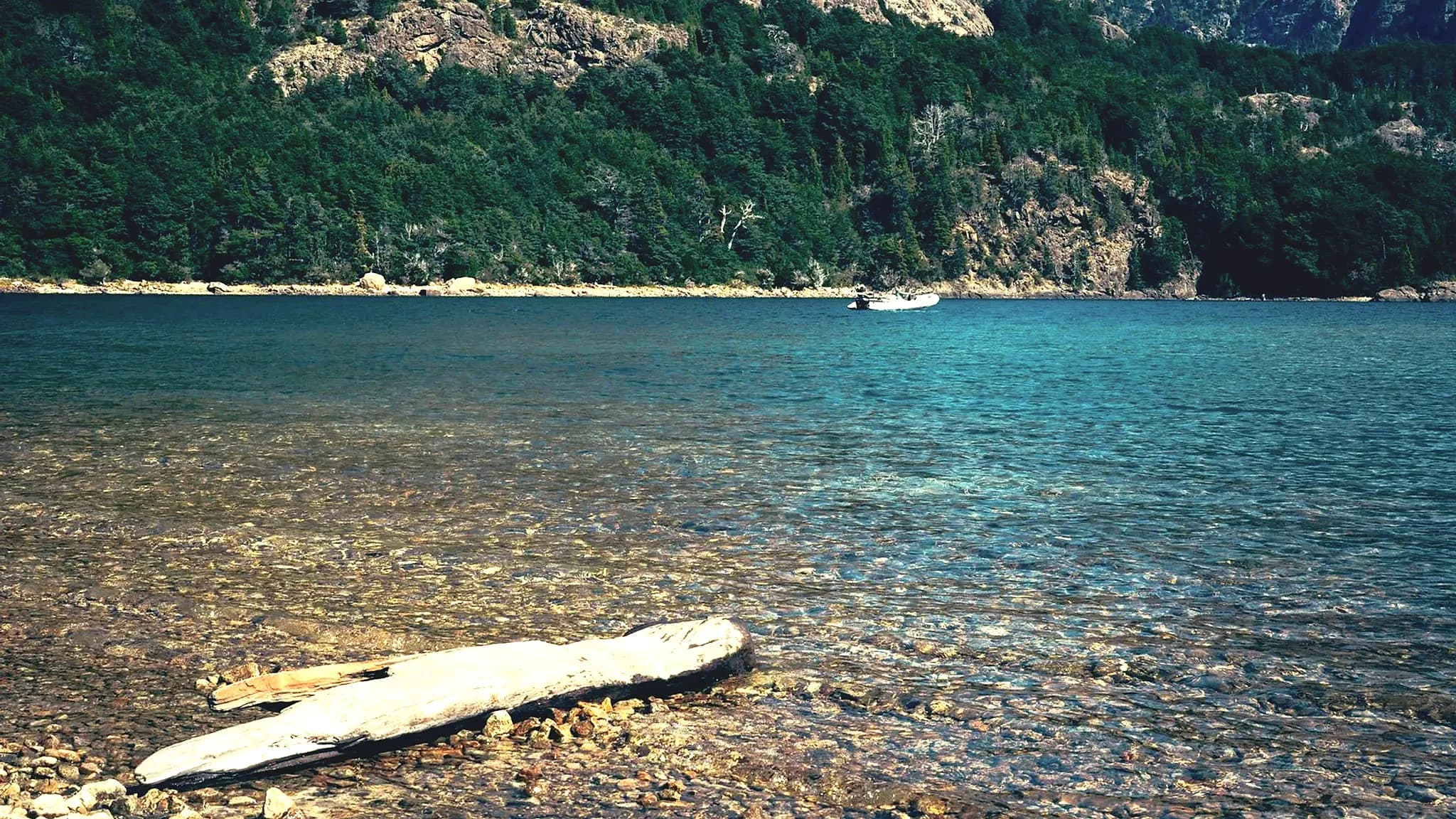
At Lago Aluminé (Neuquén) you can catch Creole perch, Brown trout, Rainbow trout.
Original text in Spanish: “Villa Pehuenia, sobre la costa del lago, se alcanza por la RP 13 desde Zapala. Desde la villa hay accesos a la costa y bajadas náuticas; consultá localmente por los sectores habilitados.”
Original text in Spanish: “Rige el Permiso de Pesca Continental Patagónico, disponible online y en casas de pesca u oficinas de turismo. Revisá el reglamento vigente de la temporada antes de salir.”
Now 7° · wind 2 km/h SE
Biting this month: creole perch. 7 guides nearby.
Base data: Wikidata (CC0)
| Season | JAN | FEB | MAR | APR | MAY | JUN | JUL | AUG | SEP | OCT | NOV | DEC | NOW |
|---|---|---|---|---|---|---|---|---|---|---|---|---|---|
| Creole perch. In season: OCT–APR. Peak: NOV–JAN | In season | ||||||||||||
| Brown trout. In season: NOV–APR. Peak: MAR–APR | Off | ||||||||||||
| Rainbow trout. In season: NOV–APR. Peak: MAR–APR | Off |
Dark: each species' peak months. Medium: its season at this place.
Light spinning with small spoons, micro-jigs and soft plastics, or fly with small streamers. Bait: worm. It keeps company with the trout in Patagonian lakes and rivers.
Gear is chosen according to the environment and the expected size. A versatile, concrete setup:
Spinning (general use, rivers and lakes):
Fly fishing:
Recommended accessories: rubber net (less harm to the fish for release), forceps for removing hooks, barbless hooks, and waders for safe wading in cold water.
Guides, campsites and places to stay that work these waters.
No one has reported from this spot yet. Fished here? Tell us how it went — you'll help the next angler.
There are already 48 businesses loaded in the area. If yours is not there — or it is and you are not running it yet — the listing is free and puts you in front of whoever is planning a trip to Lago Aluminé.
It's free · no card
Original text in Spanish: “LD: 2 percas y 1 trucha arco iris. Devolución obligatoria de truchas marrones. Desde 2 may 2026: devolución obligatoria de todos los salmónidos.”
Yes: in October there are species in season in Lago Aluminé (Creole perch).
In Lago Aluminé it is worth going when its main species bite: Creole perch (OCT–APR); Brown trout (NOV–APR); Rainbow trout (NOV–APR).
Yes: PESQA lists 3 guides working Lago Aluminé, among them Ruka Diak, Montaña Negra, A.t.a. Milagrito.
Near Lago Aluminé PESQA lists 44 places to stay: Bahía Mansa Cabañas, Cabañas Aucaman, Posada de Las Nieves.
Lago Aluminé is in the province of Neuquén.
The gear is matched to the setting and the size of trout you are after, but these setups cover most situations in Argentina:
Spinning (general use, trout of 1 to 3 kg):
Fly:
For trophy specimens (5-10+ kg at the Strobel): step up the power—medium/medium-heavy spinning with 15-20 lb braid and a robust fluoro leader, or a 7/8 fly outfit—because these are fish with strength and runs far superior to the average trout.
In every case: a well-adjusted drag, sharp hooks (barbless if you are going to release), and a rubber net to handle the fish with the least possible harm.